Delhi - Agra - Jaipur - Jodhpur - Jaisalmer - Udaipur
A longer route across North India becomes far more meaningful when the progression between cities is gradual rather than compressed. This 12-day journey begins in Delhi and moves through Agra, Jaipur, Jodhpur, Jaisalmer, and Udaipur, creating a continuous architectural and cultural transition from imperial centres to desert settlements and finally to lake-based royal environments.
Delhi introduces a layered capital where historic districts and planned administrative zones exist side by side. Agra narrows the experience into Mughal-era precision, where symmetry, material, and geometry define both design and movement. Jaipur expands the scale through organised city planning and palace complexes, setting the stage for deeper Rajasthan.
Jodhpur and Jaisalmer shift the experience into desert geography, where forts dominate the skyline and settlements adapt to arid conditions. Udaipur then softens the route, with water bodies, hills, and palace architecture creating a calmer final segment. Accommodation throughout includes heritage hotels and restored residences known for privacy and consistent service standards. This queer friendly Rajasthan heritage tour is structured for travellers who want depth, comfort, and continuity across multiple regions.
Arrival at Delhi airport is handled through a private meet-and-greet service, ensuring that exit procedures remain smooth and well-managed. From the arrivals area, you are escorted directly to a waiting luxury vehicle, avoiding unnecessary navigation within the airport. The drive into the city moves through wide expressways and gradually transitions into central districts, offering an early understanding of Delhi’s structured and layered layout.
Check-in at the hotel is pre-arranged, allowing immediate access to your room without waiting time. After a long journey, the schedule is intentionally light, giving space to rest and adjust. The property is selected in a secure and well-connected area, ensuring ease of movement for the following days.
In the late afternoon, a private orientation session is conducted in the hotel lounge. The guide explains the route, timing, and pacing of the entire journey, along with practical advice about movement, local interactions, and daily routines. Dinner is arranged within the hotel, offering a controlled introduction to Indian cuisine. Overnight stay in Delhi.
The day begins with a mid-morning departure towards Old Delhi, avoiding peak congestion while still experiencing the area during active hours. Movement through Chandni Chowk is managed via cycle rickshaw, allowing you to pass through narrow lanes without extended walking. The environment includes spice markets, silver shops, and textile lanes that have functioned continuously for generations.
The guide explains how these markets developed historically, including trade routes, storage systems, and distribution methods. A stop near Jama Masjid allows observation of Mughal-era planning where religious and commercial activities exist in close proximity. The pace remains steady, with pauses included for observation rather than rushed movement.
In the afternoon, the route shifts into New Delhi, where wide roads, green spaces, and symmetrical planning create a sharp contrast. The drive past India Gate and Rashtrapati Bhavan highlights colonial-era design principles. Evening return to the hotel allows time to rest before dinner in a quiet and controlled setting. Overnight stay in Delhi.
Departure from Delhi is scheduled after breakfast, using the Yamuna Expressway to ensure a smooth journey. The transition from dense urban infrastructure to open agricultural land is gradual, with visible changes in roadside activity and settlement patterns.
On arrival in Agra, check-in is completed at a luxury hotel designed with Mughal-inspired elements such as gardens and water features. After a short rest, the afternoon includes a visit to Mehtab Bagh, located across the river from the Taj Mahal.
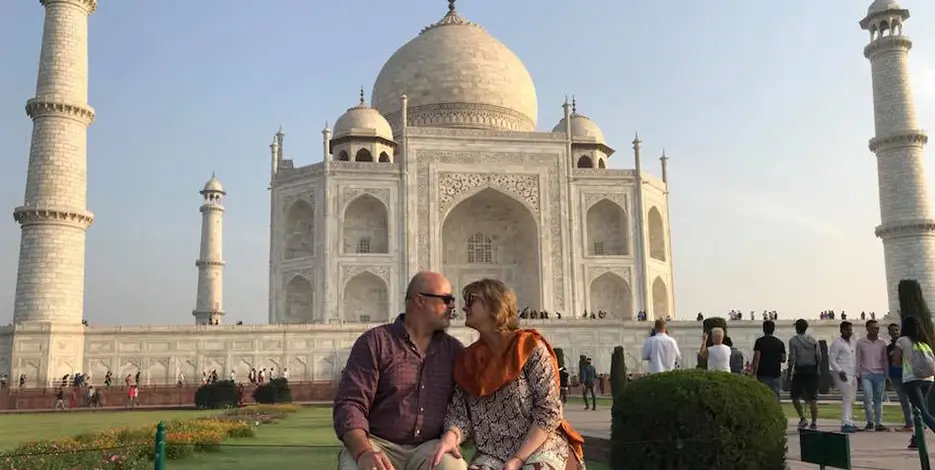
From this location, the monument can be viewed without crowd pressure, allowing a more balanced perspective. The guide explains the alignment of the structure and its relationship with the river. Evening return to the hotel includes dinner and overnight stay in Agra.
The day begins early with a visit to the Taj Mahal, timed carefully to avoid peak entry hours. The approach through the main gate reveals the monument gradually, allowing uninterrupted visual framing. The guide explains construction techniques, material sourcing, and geometric precision.
Time inside the complex is extended, allowing space to sit, observe, and understand the structure without rush. After returning to the hotel for breakfast, the itinerary continues with Agra Fort.
The fort’s layout includes audience halls, courtyards, and residential areas that provide insight into Mughal governance. The pacing remains controlled, with rest breaks included. Evening is reserved for relaxation with dinner at the hotel. Overnight stay in Agra.
The journey towards Jaipur begins after breakfast, with a planned stop at Fatehpur Sikri. The drive passes through semi-rural landscapes where village life becomes more visible.
At Fatehpur Sikri, a detailed walkthrough covers the layout of this former Mughal capital. Large courtyards, gateways, and residential areas demonstrate how the city was structured for administration and daily life. Movement is paced to avoid fatigue.
The drive continues towards Jaipur, arriving by evening. Check-in takes place at a heritage hotel featuring traditional architecture. Dinner is arranged within the property, often in a courtyard setting. Overnight stay in Jaipur.
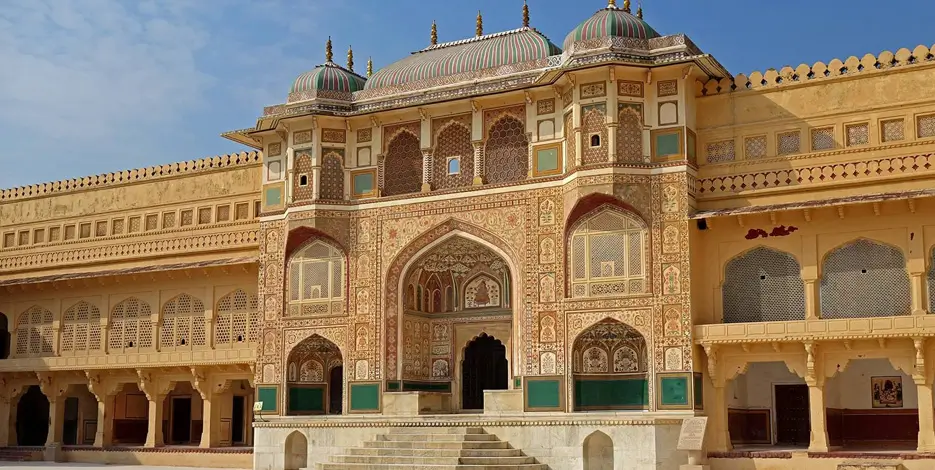
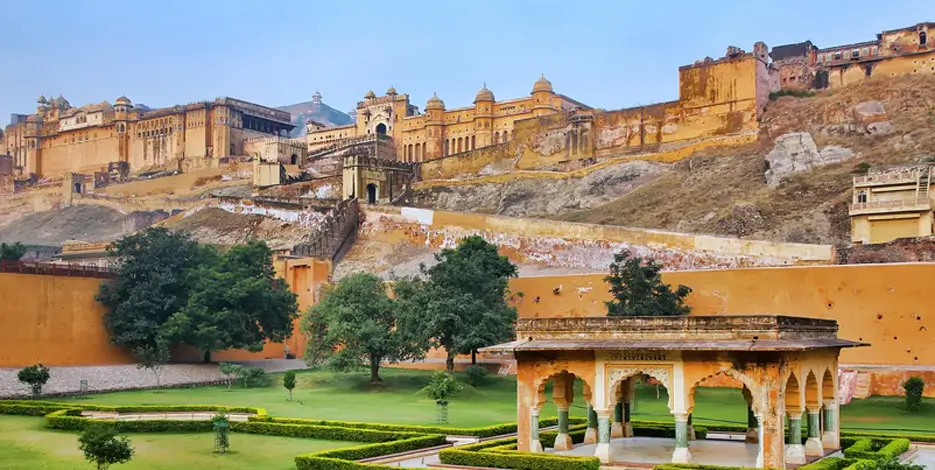
Morning departure takes you to Amber Fort, located on elevated terrain outside the city. Vehicle access reduces walking distance, followed by a guided walkthrough of courtyards and interior halls.
The guide explains defensive planning, residential spaces, and decorative elements such as mirror work. Breaks are included throughout the visit to maintain comfort.
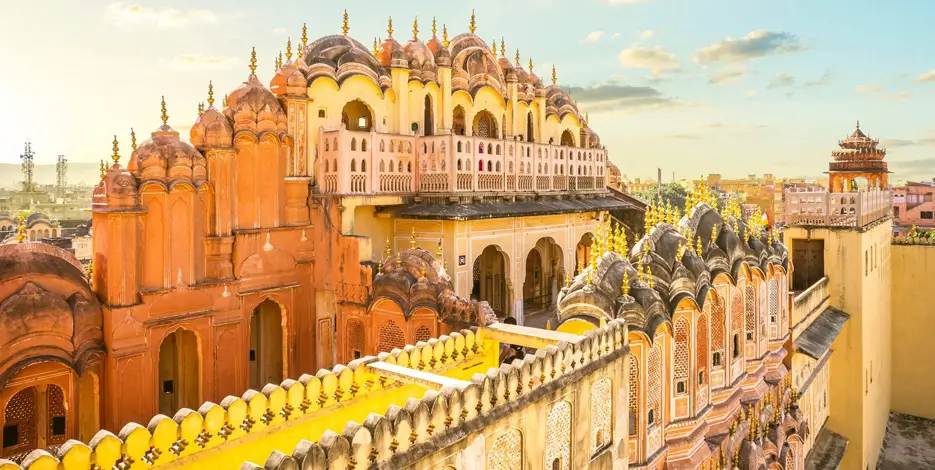
In the afternoon, visits continue to City Palace and Hawa Mahal exterior. These locations demonstrate Jaipur’s planned city layout. Evening return to the hotel includes dinner and overnight stay.
After breakfast, transfer to Jodhpur is arranged by flight or train depending on preference. This reduces long travel time and ensures comfort.
On arrival, a private transfer takes you to a heritage hotel built with local sandstone, reflecting the city’s architectural identity. Check-in is followed by rest.
The evening includes a short orientation walk or relaxed time within the property. Dinner is arranged at the hotel. Overnight stay in Jodhpur.
The day begins with a visit to Mehrangarh Fort, positioned above the city. The guided walkthrough includes multiple courtyards, museum sections, and viewing points overlooking the blue houses below.
The guide explains how the fort functioned as both a defensive structure and royal residence. The scale and elevation provide a strong visual understanding of Jodhpur’s layout.
In the afternoon, a walk through the old city introduces narrow streets and local markets. The pace remains controlled, with time for observation. Evening return to the hotel includes dinner and overnight stay.
After breakfast, departure towards Jaisalmer begins by road. The landscape gradually becomes more arid, with vegetation reducing and desert terrain becoming dominant.
Stops are included at intervals to break the journey and observe changing surroundings. The route provides insight into how settlements adapt to dry conditions.
Arrival in Jaisalmer takes place by evening, followed by check-in at a heritage-style hotel. Dinner is arranged within the property. Overnight stay in Jaisalmer.
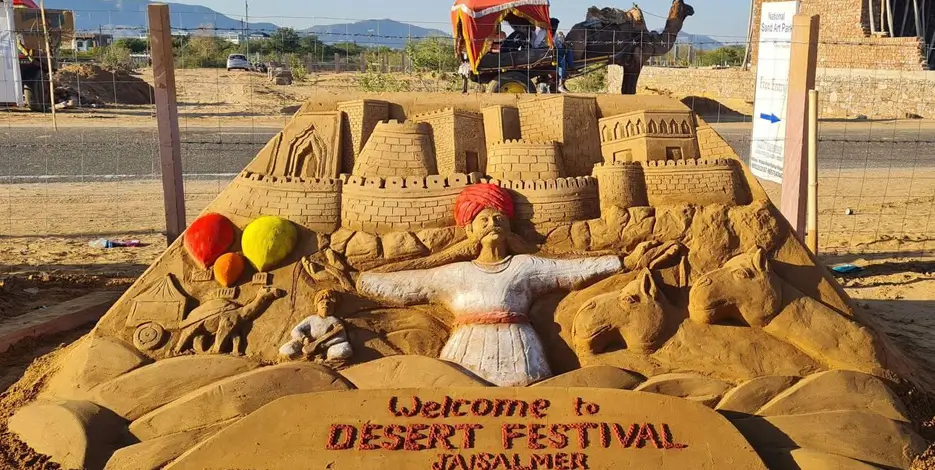
The day begins with a visit to Jaisalmer Fort, one of the few living forts where people still reside within its walls. Narrow lanes, houses, and small shops create a unique environment.
The guide explains how the fort developed as a trading centre and how life continues within it today. Movement is slow due to narrow pathways.
In the afternoon, optional visit to desert outskirts allows observation of dunes and open terrain. Evening return to the hotel includes dinner and overnight stay.
After breakfast, transfer to Udaipur is arranged either by flight or overnight train depending on plan. The journey marks a transition from desert to more hilly terrain.
On arrival, check-in at a lake-facing heritage hotel is completed. The environment feels noticeably calmer with water bodies and surrounding hills.
The evening is kept free for relaxation within the property. Dinner and overnight stay in Udaipur.
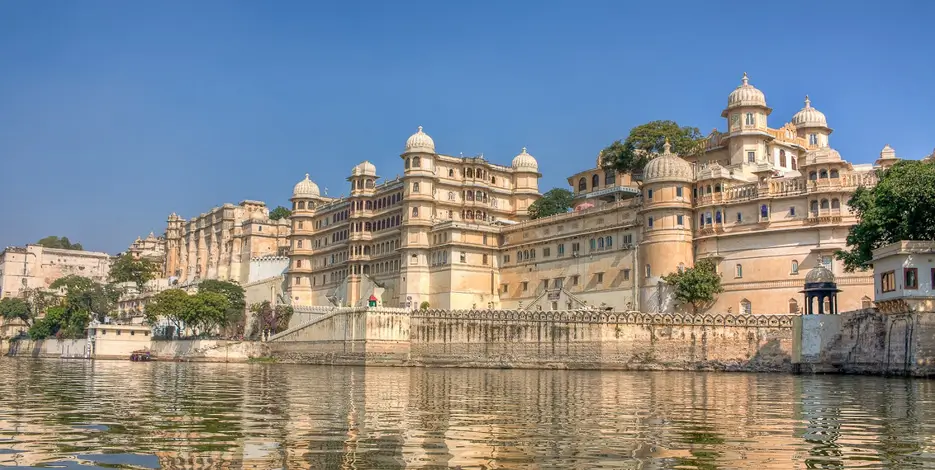
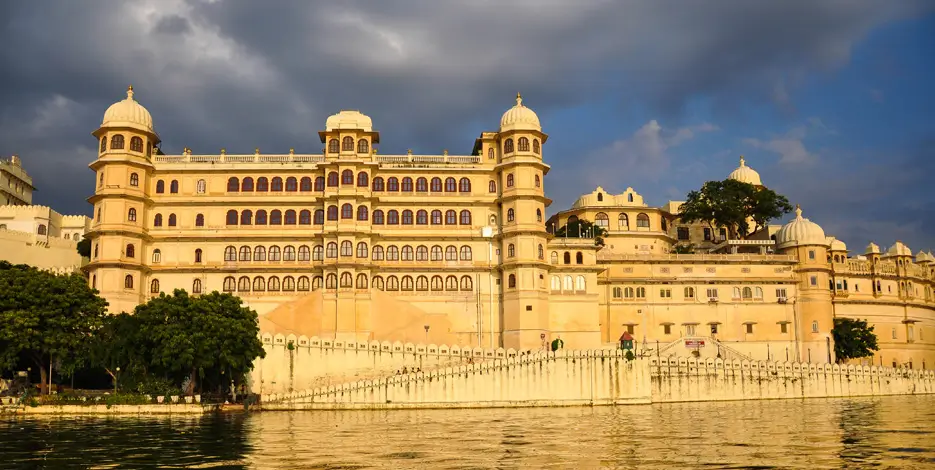
The day begins with breakfast followed by a visit to City Palace overlooking Lake Pichola. The guide explains how the palace expanded over time.
A boat ride on the lake provides views of ghats, palaces, and surrounding hills, offering a calm conclusion to the journey.
Transfer to the airport is arranged as per departure timing. The tour concludes after covering a complete heritage route across North India.
We promise you a holiday where everything is taken care of from the moment you land. Trusted drivers waiting for you, handpicked hotels that fit your style, personalized itineraries designed just for your family, and a dedicated team on call 24/7. All you need to do is relax, explore, and create unforgettable memories, while we take care of every detail behind the scenes.