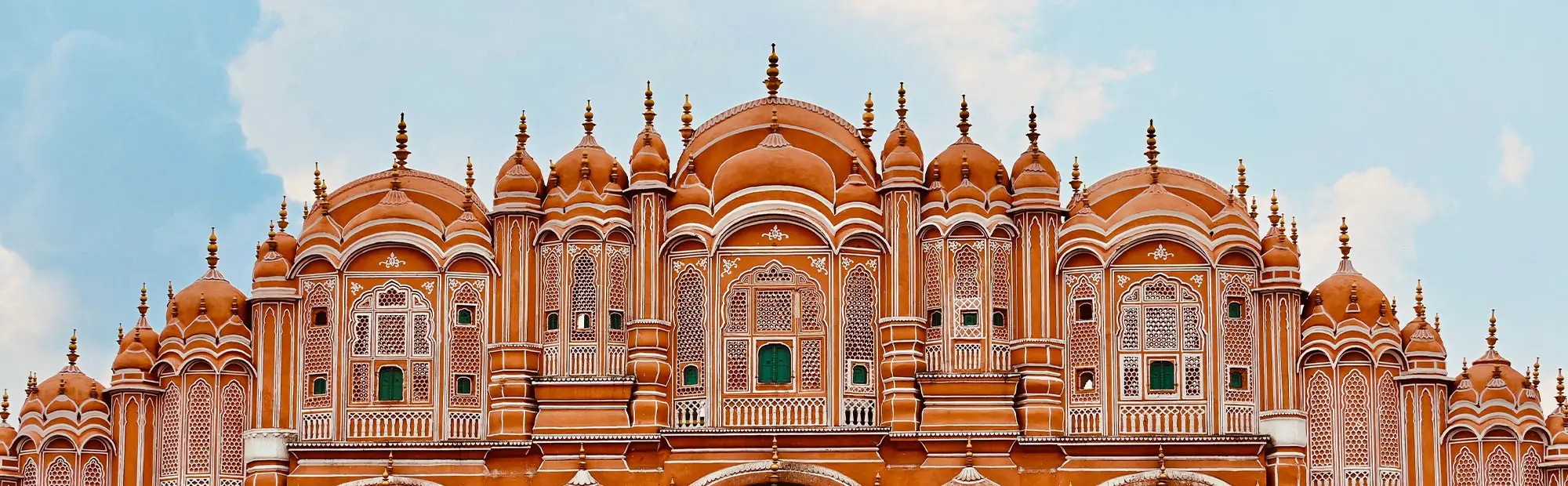
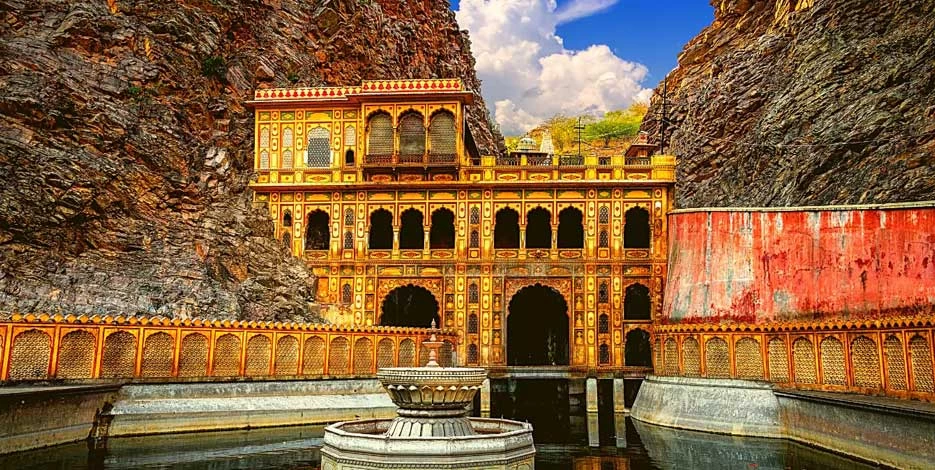
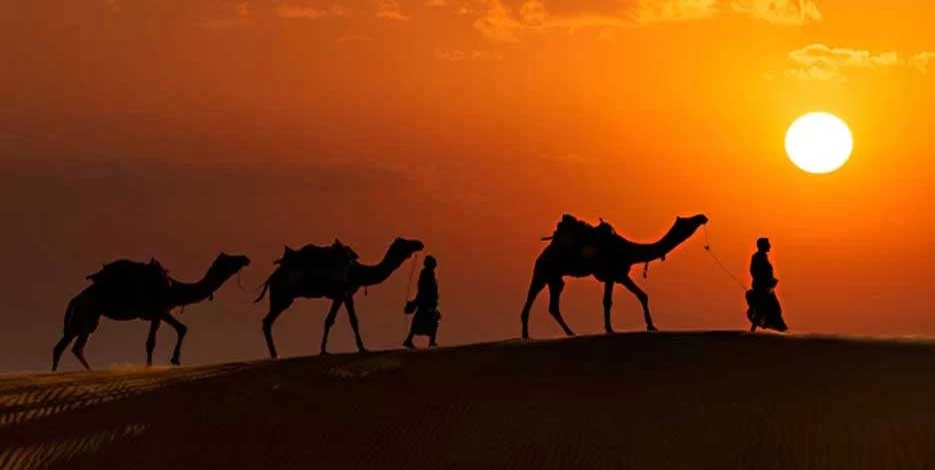
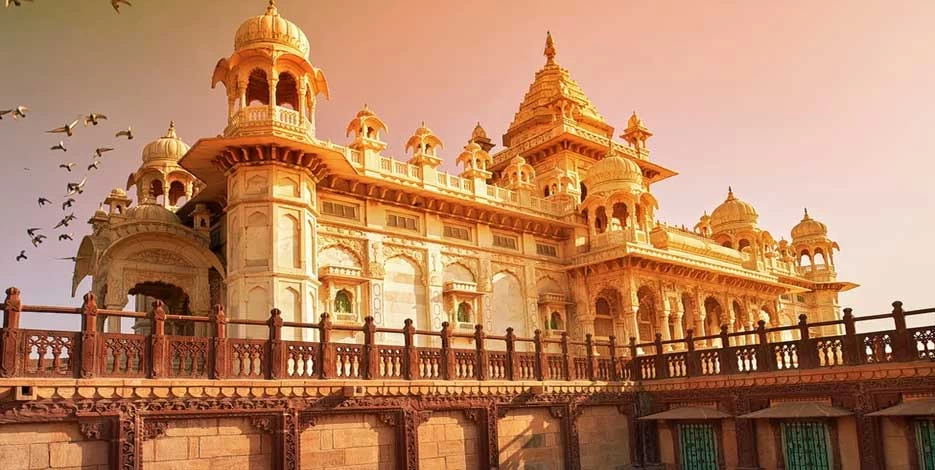
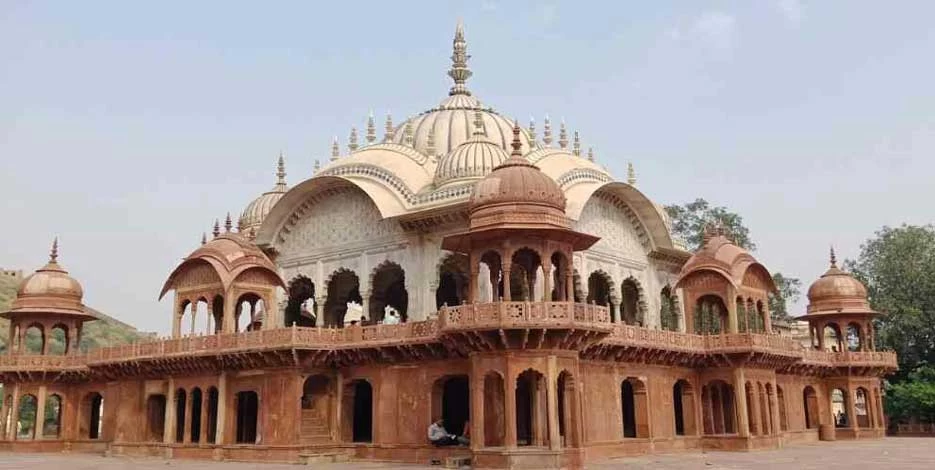
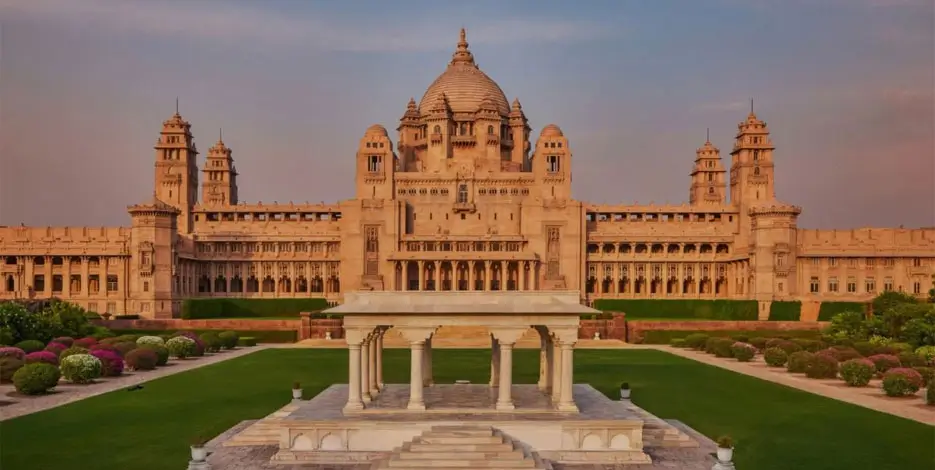
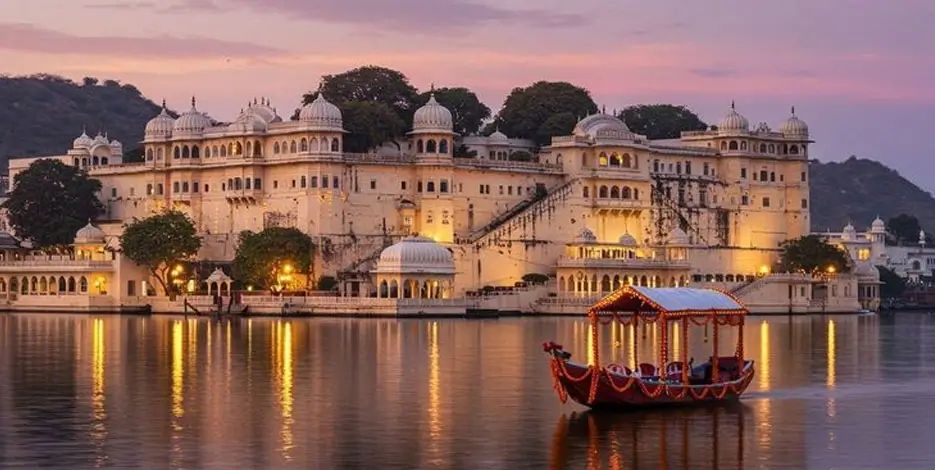
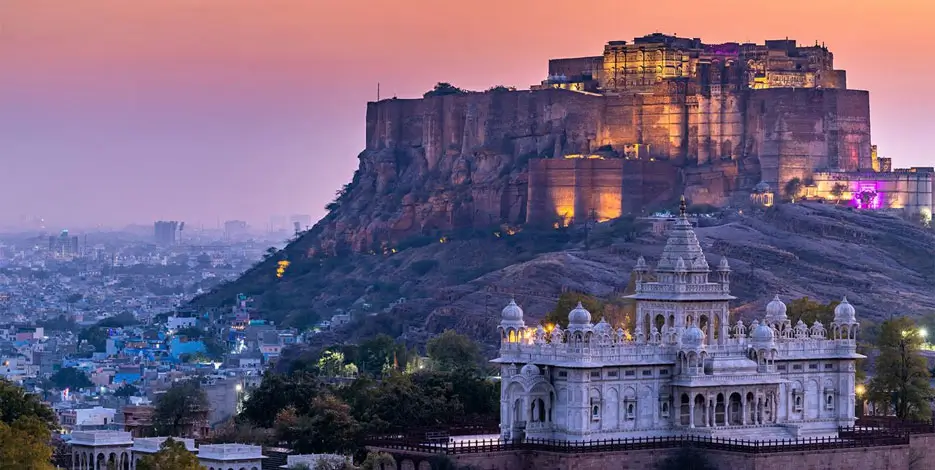
A Golden Triangle Tour with Rajasthan takes the standard Delhi–Agra–Jaipur route further into one or more parts of Rajasthan. The classic Golden Triangle is a strong introduction to North India, but Jaipur is only one part of a much larger state. Travelling beyond the Pink City gives visitors access to very different landscapes and architectural traditions, from the blue-painted quarters of Jodhpur and the lakes of Udaipur to Jaisalmer’s desert setting and the painted havelis of Shekhawati.
Delhi usually provides the international arrival point. Agra follows for the Taj Mahal and Mughal heritage, while Jaipur creates a natural transition into Rajasthan. From Jaipur, the route can move west towards Jodhpur and Jaisalmer, south towards Udaipur, north towards Mandawa and Bikaner, or follow a combination of these regions when enough days are available.
Our Rajasthan tour with Golden Triangle collection covers several styles of travel rather than one fixed circuit. Current itineraries include Rajasthan heritage routes, palace-focused journeys, desert and camel safari programmes, Udaipur and Jodhpur combinations, Shekhawati haveli tours, Ranthambore wildlife extensions, family itineraries and longer Rajasthan circuits.
The result is particularly suitable for travellers who want their first India holiday to cover major landmarks without ending the trip after Delhi, Agra and Jaipur.
How Many Days Do You Need for a Golden Triangle and Rajasthan Tour?
The number of days should be decided according to the Rajasthan cities being added rather than by trying to fit a long destination list into a fixed holiday. The distances become greater once the route moves beyond Jaipur, and repeatedly changing hotels can make an otherwise good itinerary unnecessarily tiring.
|
Duration
|
Suggested Route Style
|
Best Suited For
|
Pace
|
|
8 Days Golden Triangle with Rajasthan
|
Delhi – Agra – Jaipur + one Rajasthan extension
|
Travellers with limited time
|
Moderately fast
|
|
10 Days Golden Triangle with Rajasthan
|
Delhi – Agra – Jaipur – Jodhpur – Udaipur
|
First-time visitors
|
Balanced
|
|
12 Days Rajasthan Golden Triangle Tour
|
Delhi – Agra – Jaipur + 2–3 Rajasthan destinations
|
Couples and private travellers
|
Comfortable
|
|
14 Days Golden Triangle Rajasthan Tour
|
Delhi – Agra – Jaipur – Jodhpur – Udaipur – Jaisalmer/Pushkar
|
Detailed Rajasthan holiday
|
Relaxed
|
|
15 Days Rajasthan Tour with Golden Triangle
|
Classic circuit + wider Rajasthan
|
Heritage-focused travellers
|
Relaxed
|
|
20+ Days Complete Rajasthan Tour
|
Delhi – Agra – Jaipur + multiple Rajasthan regions
|
Travellers wanting regional depth
|
Leisurely
|
Eight days can work when only one additional Rajasthan destination is important. For example, travellers can complete Delhi, Agra and Jaipur before continuing towards Udaipur or Jodhpur. Trying to add Udaipur, Jodhpur and Jaisalmer to the same short programme would create too much road travel and too little meaningful time in each city.
Around ten to twelve days provides considerably more flexibility. A 10 Day Golden Triangle with Rajasthan Tour can combine the main Golden Triangle landmarks with two important Rajasthan destinations while maintaining a reasonable flow. Jodhpur and Udaipur form one of the most practical combinations because they add two contrasting cities without requiring the full western desert circuit.
Fourteen or fifteen days is better for travellers who want Rajasthan to be an equal part of the holiday rather than a short extension. Jaisalmer, rural stays, heritage towns or additional fort cities become easier to include at this length.
The live category currently ranges from shorter programmes to a 26-night/27-day Grand Circuit, which reflects how widely a Golden Triangle Rajasthan itinerary can be expanded.
Best Time to Visit Delhi, Agra, Jaipur and Rajasthan
October through March is generally the most comfortable period for a Golden Triangle and Rajasthan Tour, particularly when the itinerary includes extensive fort visits, heritage walks, old-city sightseeing or desert activities.
Rajasthan is a large state, so conditions are not identical everywhere. Jaisalmer and other western areas have a stronger desert climate, while Udaipur has a different setting around its lakes and surrounding hills. Winter evenings can be surprisingly cool, especially when staying outside major cities or spending time in desert areas.
|
Month
|
General Conditions
|
Rajasthan Travel Notes
|
|
October
|
Warm, becoming more comfortable
|
Good for touring across the state
|
|
November
|
Pleasant days and cooler evenings
|
Strong conditions for forts and city walks
|
|
December
|
Pleasant days, cold nights in some areas
|
Carry warm layers for mornings and evenings
|
|
January
|
Cool, with colder early mornings
|
Comfortable daytime sightseeing
|
|
February
|
Mild to warm
|
One of the easiest months for road touring
|
|
March
|
Warmer days
|
Early sightseeing becomes useful
|
|
April
|
Hot
|
Plan outdoor monuments in cooler hours
|
|
May
|
Very hot
|
Slower daytime programme recommended
|
|
June
|
Very hot before/around monsoon onset
|
Heat management is important
|
|
July
|
Hot with seasonal rain
|
Landscapes around some regions become greener
|
|
August
|
Monsoon period
|
Useful for travellers comfortable with occasional rain
|
|
September
|
Warm, rain generally reducing
|
Transition towards the main touring season
|
The winter months also coincide with stronger travel demand. Travellers who want specific palace hotels, heritage havelis or highly regarded boutique properties should plan earlier rather than assuming the same accommodation will remain available close to arrival.
Summer itineraries require a different daily rhythm. Forts such as Mehrangarh and Amber involve considerable outdoor walking, so earlier starts are sensible. Private air-conditioned transport also becomes particularly valuable when road journeys are included.
Our Golden Triangle Tour with Rajasthan Packages
The right Golden Triangle Rajasthan Tour package depends on what the traveller actually wants from Rajasthan. The state should not be treated as a collection of interchangeable fort cities. Udaipur, Jodhpur, Jaisalmer, Shekhawati and the smaller rural regions each contribute something different to the route.
Our current category includes itineraries focused on royal palaces, desert travel, heritage havelis, Jodhpur and Udaipur, Ranthambore, Shekhawati, family travel, architecture, rural communities, wellness and longer complete Rajasthan circuits.
Golden Triangle with Jodhpur and Udaipur
A Golden Triangle Tour with Jodhpur and Udaipur is one of the most balanced options for travellers who have around ten to twelve days. It extends the journey deeper into Rajasthan without requiring the longer road sectors needed for a full Jaisalmer circuit.
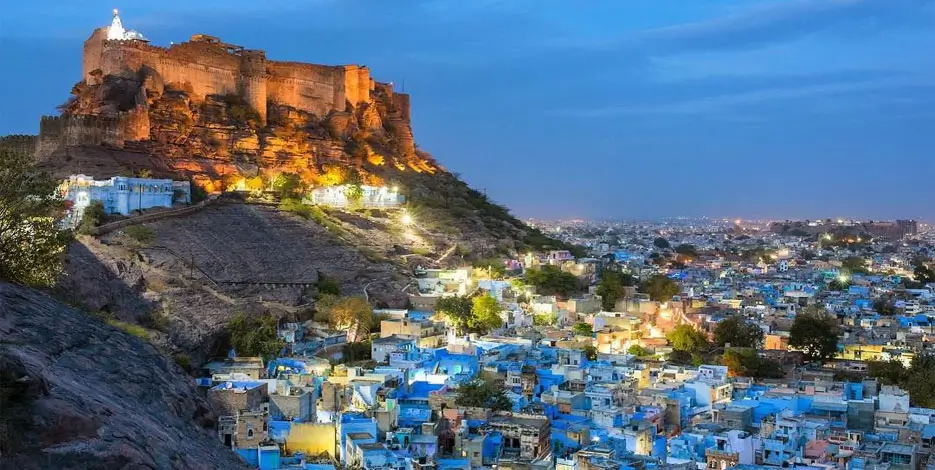
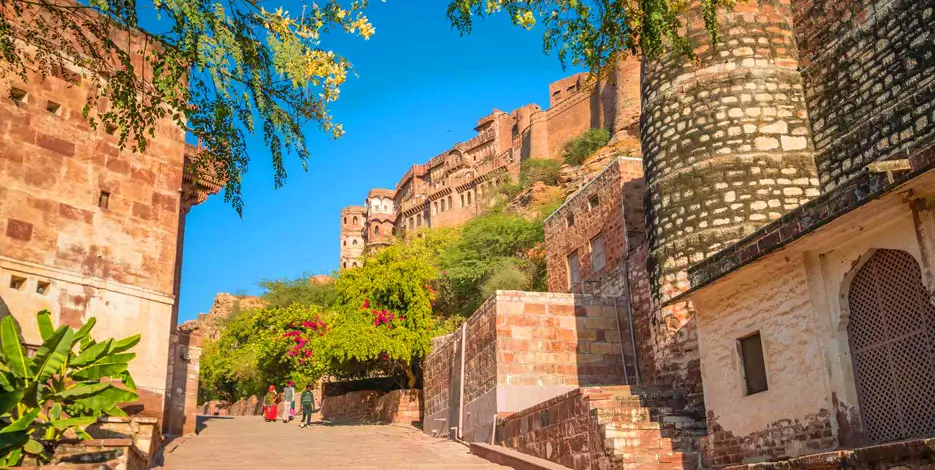
Jodhpur is dominated by Mehrangarh Fort, one of Rajasthan’s most imposing fort complexes. The old city below introduces dense lanes, markets and the blue-painted houses associated with Jodhpur. Jaswant Thada and other sites can be added according to the time available.
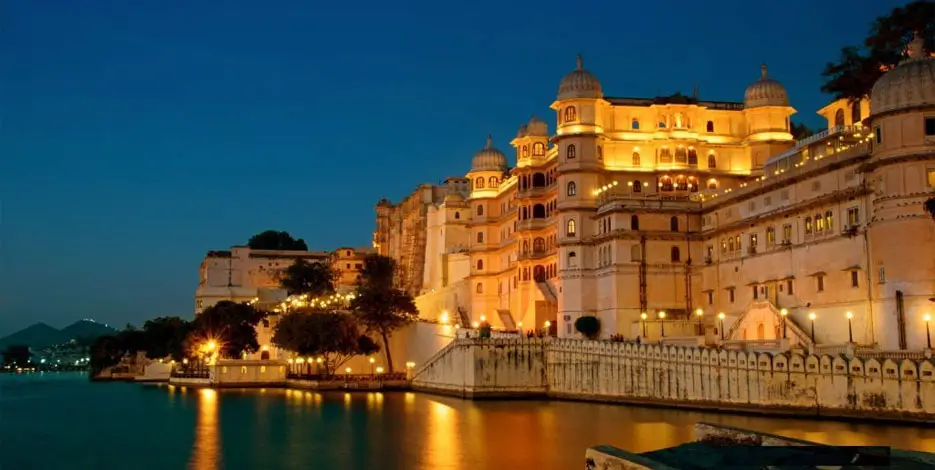
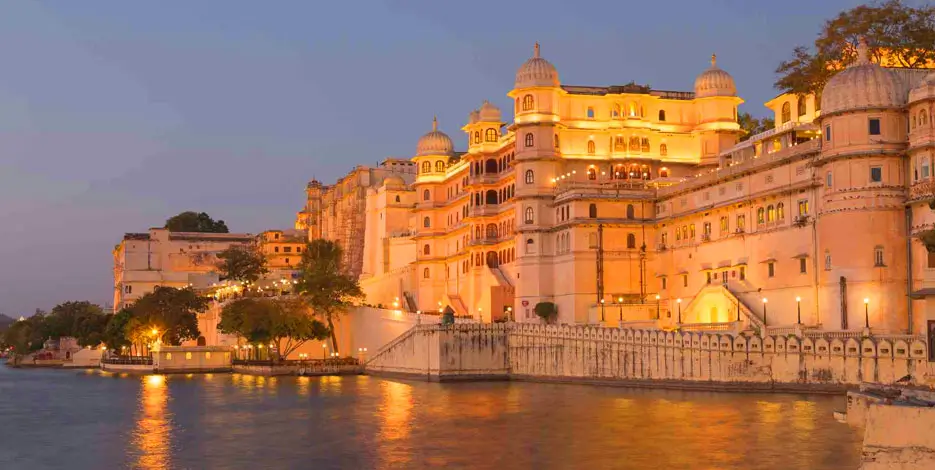
Udaipur provides a marked contrast. Lake Pichola, City Palace and the historic areas around the lake give the city a different atmosphere from Jaipur and Jodhpur. Udaipur is also particularly suitable for travellers interested in higher-end heritage stays and slower evenings rather than continuous sightseeing.
Combining these cities produces a Delhi Agra Jaipur Jodhpur Udaipur Tour that covers Mughal architecture, Rajput forts, royal palaces, historic urban centres and Rajasthan’s lake region within one coherent itinerary.
Golden Triangle with Jaisalmer
Jaisalmer is appropriate when the desert is an important reason for extending the Golden Triangle. A Golden Triangle Tour with Jaisalmer needs more time because of its western location.
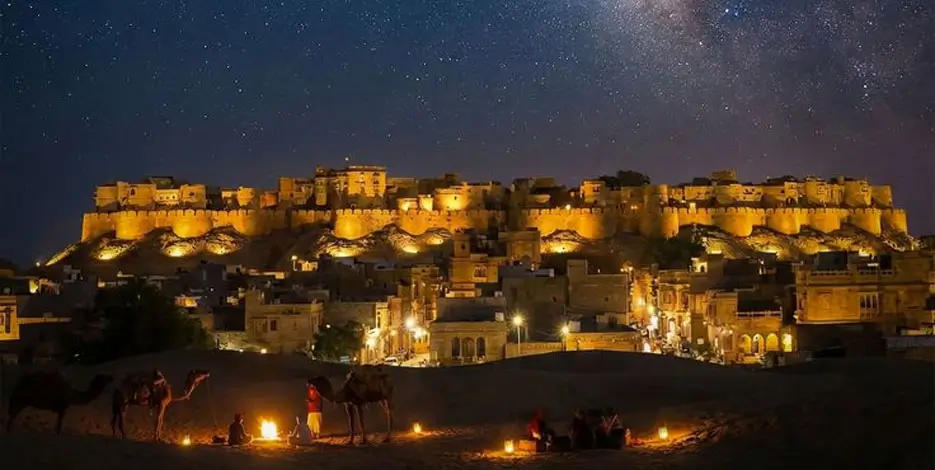
Jaisalmer Fort differs significantly from the hill forts encountered elsewhere in Rajasthan because it remains a living historic quarter. The old city also contains richly carved havelis, narrow lanes and sandstone architecture that gives Jaisalmer its distinctive appearance.
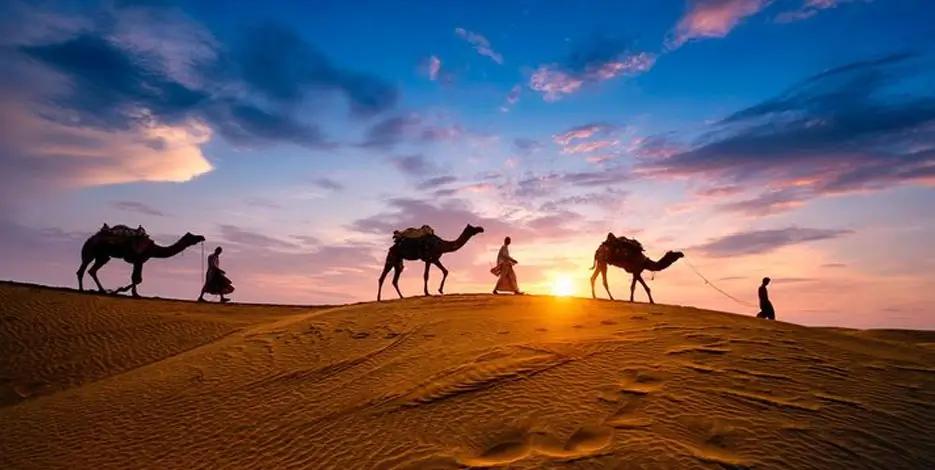
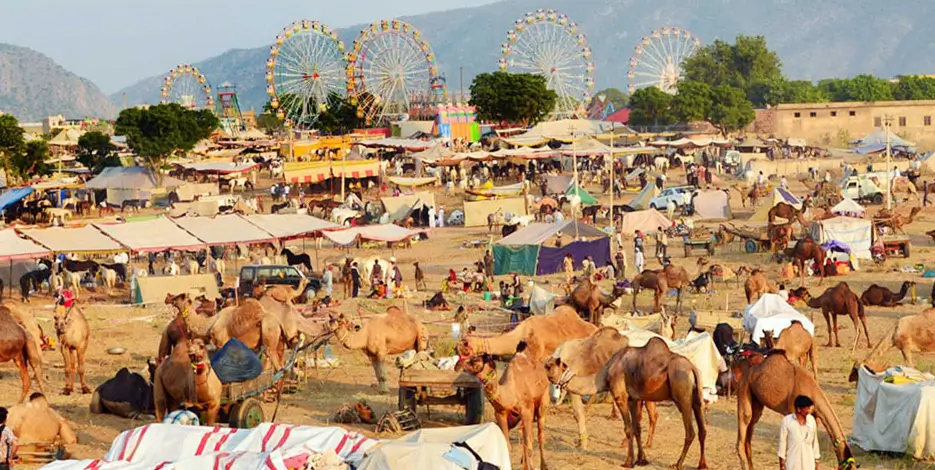
Desert activities can be incorporated outside the city. Travellers interested in a Rajasthan desert tour with camel safari should consider the quality and location of the desert arrangement rather than choosing an itinerary solely because it advertises a camel ride. The amount of time spent in the dunes, accommodation standard and distance from heavily visited areas can change the quality of the stay.
Our current category includes a dedicated Golden Triangle and Rajasthan Desert Tour with Camel Safari in Jaisalmer.
Golden Triangle with Udaipur
Travellers who do not have enough time for a wider Rajasthan circuit can add Udaipur after Jaipur. A Golden Triangle Tour with Udaipur provides a straightforward way to extend the classic route while introducing another major Rajasthan city.
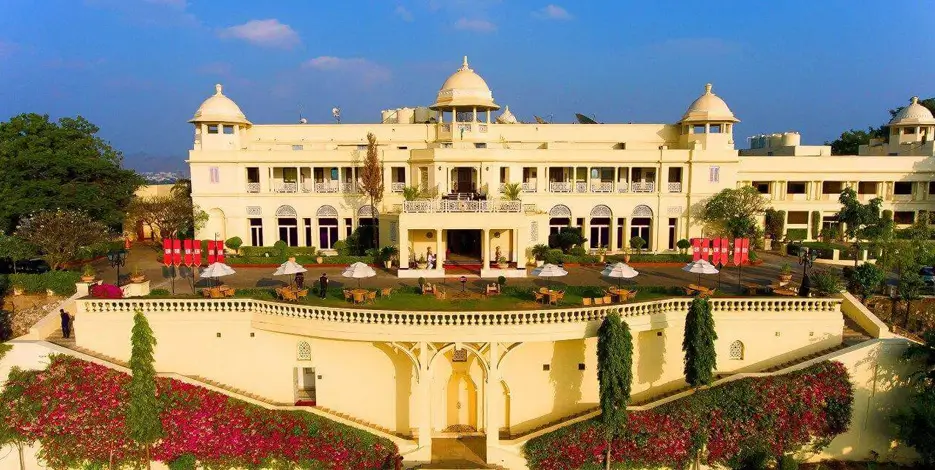
Udaipur works well for couples, luxury travellers and visitors who prefer a slightly slower final section of the holiday. The city’s principal sights can be combined with time around Lake Pichola and carefully selected heritage or luxury accommodation.
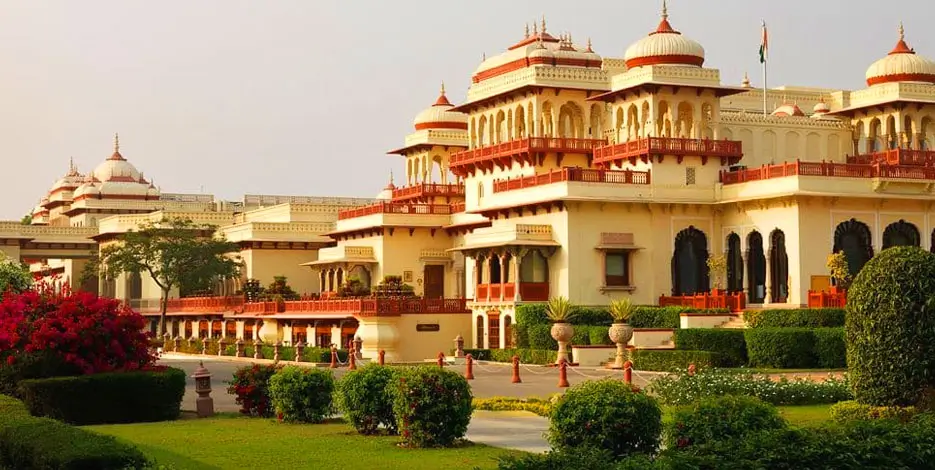
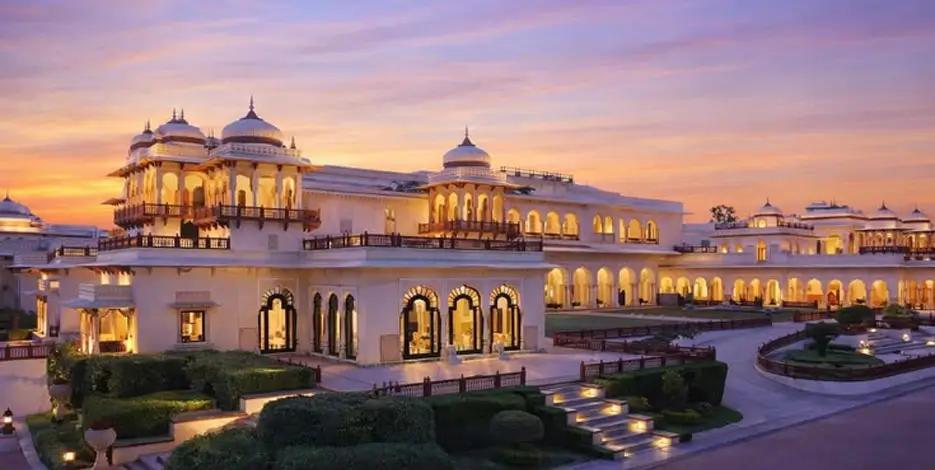
For visitors particularly interested in royal architecture and premium hotels, a Golden Triangle with Udaipur Lake Palace Tour can place greater emphasis on the accommodation and setting rather than adding numerous extra cities.
Golden Triangle with Shekhawati and Mandawa
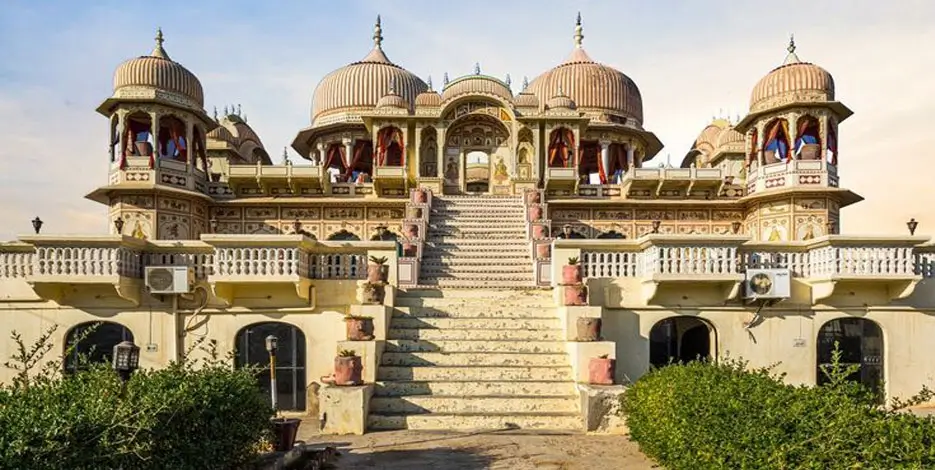
Shekhawati provides one of the strongest alternatives to Rajasthan’s larger tourist cities. The region is known for merchant havelis decorated with extensive frescoes, and towns such as Mandawa can be incorporated into a Golden Triangle Tour with Mandawa or longer Rajasthan itinerary.
This combination is suitable for travellers interested in architecture, photography and smaller historic settlements. The pace is also different from Jaipur, Jodhpur and Udaipur, giving the itinerary greater variety.
The current category contains dedicated Shekhawati and boutique haveli itineraries, including Mandawa-focused routes.
Golden Triangle with Ranthambore and Rajasthan
Wildlife can be introduced without abandoning the heritage character of the trip. A Golden Triangle Tour with Ranthambore and Rajasthan can include safari drives before continuing into other parts of the state.
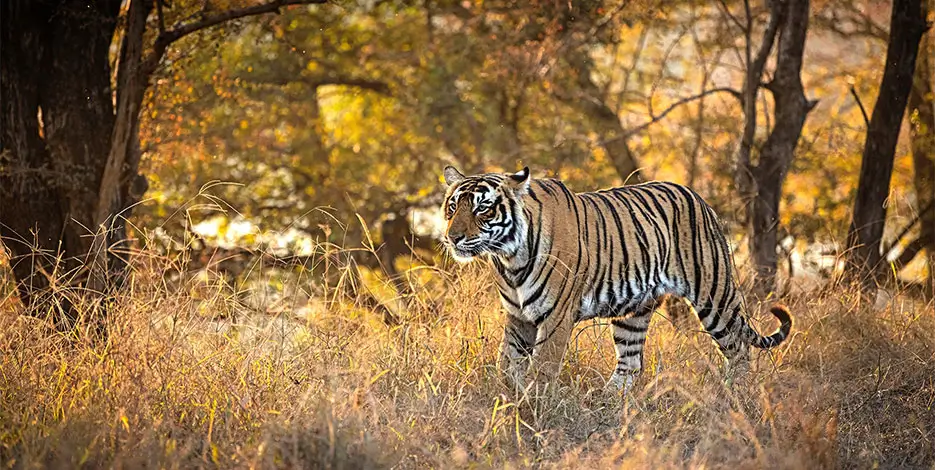
Ranthambore is particularly convenient because its position works with the Delhi–Agra–Jaipur circuit. It provides a break from consecutive city sightseeing and introduces forest landscapes, wildlife and safari-based mornings or afternoons.
Safari permits and zones need advance planning. Tiger sightings remain dependent on wildlife movement and cannot be guaranteed, so Ranthambore should be valued as a national park rather than treated as a guaranteed tiger-viewing attraction.
Rajasthan Forts and Palaces Tours
Travellers primarily interested in architecture can build their itinerary around Rajasthan forts and palaces tours. Jaipur, Jodhpur, Udaipur, Jaisalmer, Bikaner and Chittorgarh provide very different examples of defensive architecture, royal residences and historic urban planning.
A fort-and-palace itinerary benefits from knowledgeable local guides because simply walking through a large palace complex does not always reveal how the buildings developed, how the royal households functioned or why particular sites were strategically important.
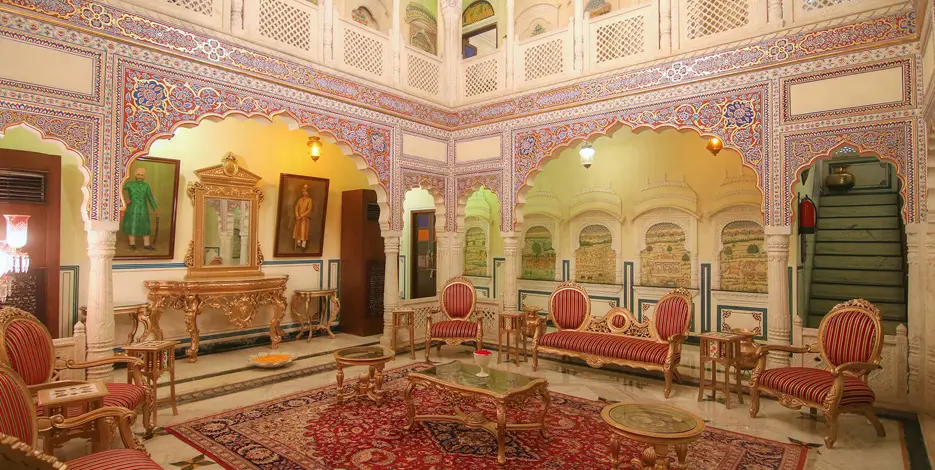
Heritage hotels can strengthen this type of journey. Rajasthan contains former havelis, residences and palace properties that have been converted into accommodation. Choosing the right property allows the architectural theme to continue beyond daytime sightseeing.
Heritage Hotels, Havelis and Palace Stays in Rajasthan
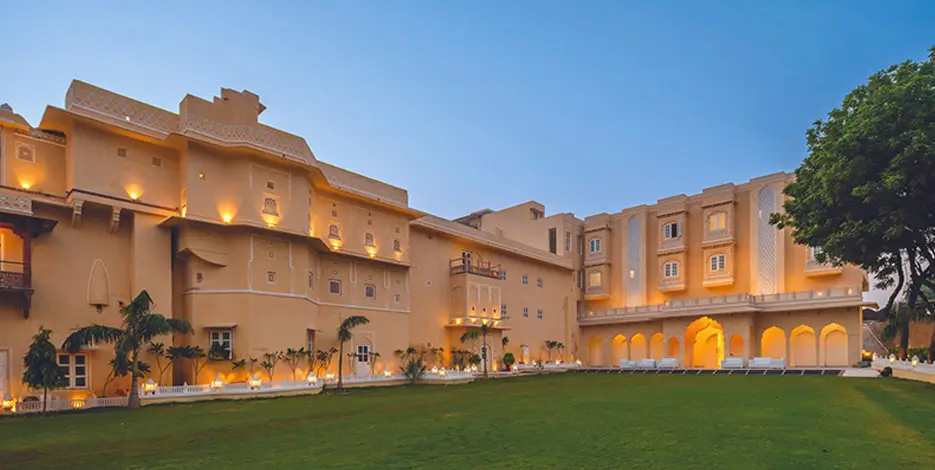
Accommodation has a greater role in Rajasthan than in many conventional touring circuits. A Rajasthan heritage hotel tour can include converted havelis, historic residences, boutique properties and palace hotels alongside modern luxury hotels.
The best choice depends on the traveller. A historic building may have considerably more character than a standard international hotel, but older architecture can also mean stairs, uneven layouts or rooms that vary in size. Travellers with mobility requirements should therefore select heritage accommodation carefully rather than assuming every historic property offers the same facilities as a modern five-star hotel.
For luxury travellers, Rajasthan palace tours can incorporate recognised palace hotels and premium heritage properties where the setting forms an important part of the holiday. For travellers more interested in local character than formal luxury, smaller havelis can provide a different type of stay.
Our current Rajasthan collection includes palace-focused programmes, boutique haveli itineraries and heritage accommodation routes, so the hotel style can be matched to the wider purpose of the trip.
Private Rajasthan Tour with Car and Driver
Road travel is central to most private Rajasthan tours. The cities are spread across a large state, and the ability to manage departure times, rest stops and luggage makes a dedicated vehicle particularly useful.
A Golden Triangle Tour with private car and driver can use the same vehicle across the principal road sectors. The driver handles intercity transport and local driving, while separate guides can be arranged where detailed historical interpretation is required.
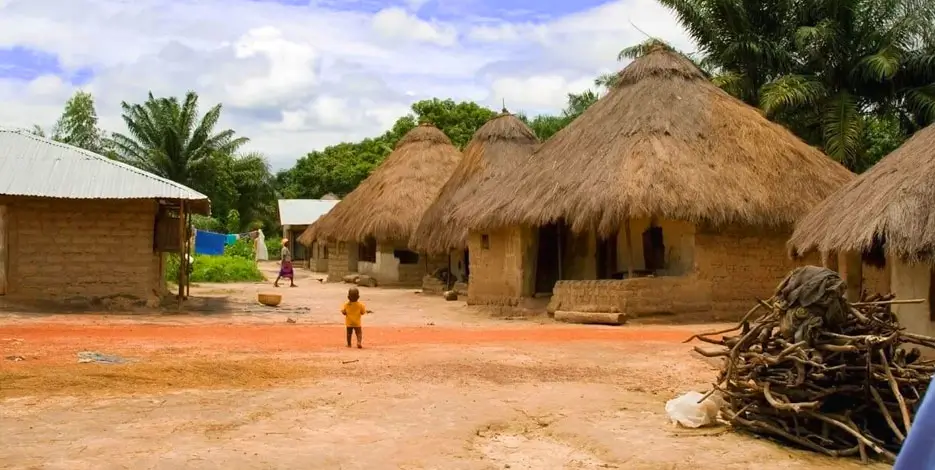
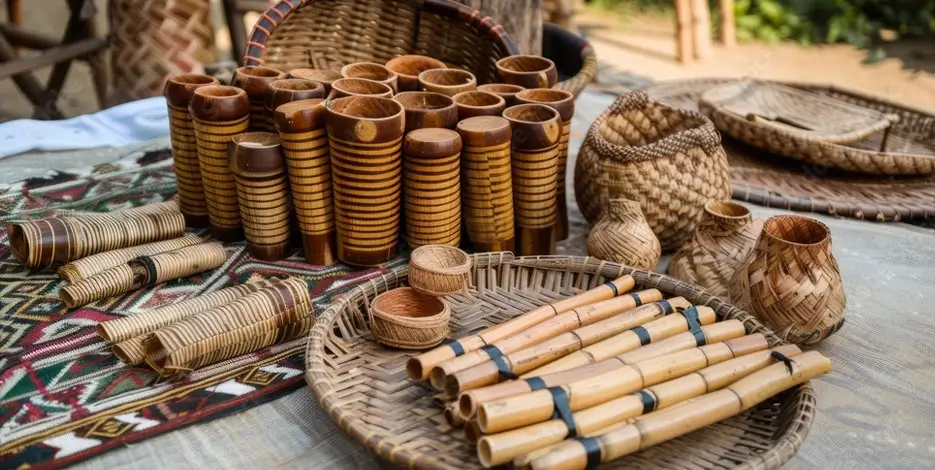
Private transport is especially useful on routes involving smaller towns. Travellers can stop at suitable points between major cities rather than treating every drive as wasted time. Stepwells, rural communities, craft centres or heritage towns can sometimes be incorporated when they fit naturally into the route.
The itinerary still needs realistic driving times. Rajasthan’s map can make destinations appear deceptively easy to combine. A well-planned private Rajasthan tour from Delhi avoids unnecessary backtracking and does not schedule a long road journey followed immediately by an overloaded sightseeing programme.
How to Plan the Right Golden Triangle Rajasthan Itinerary
The first decision should be the total number of nights available. After that, Rajasthan destinations should be selected by interest rather than fame.
For forts and strong architectural history, Jodhpur is an excellent addition. Travellers drawn to lakes, palaces and a slower city stay may prioritise Udaipur. Jaisalmer suits those for whom the Thar Desert is central to the trip. Shekhawati works well for frescoes, havelis and smaller heritage towns. Ranthambore should be included when wildlife genuinely matters.
A custom Rajasthan tour with Golden Triangle also allows the pace to change according to the travelling party. Families may need fewer monuments each day. Senior travellers may prefer shorter road sectors and more two-night stays. Photographers may want early starts and time in markets or rural areas. Couples may place greater emphasis on accommodation and private dining opportunities.
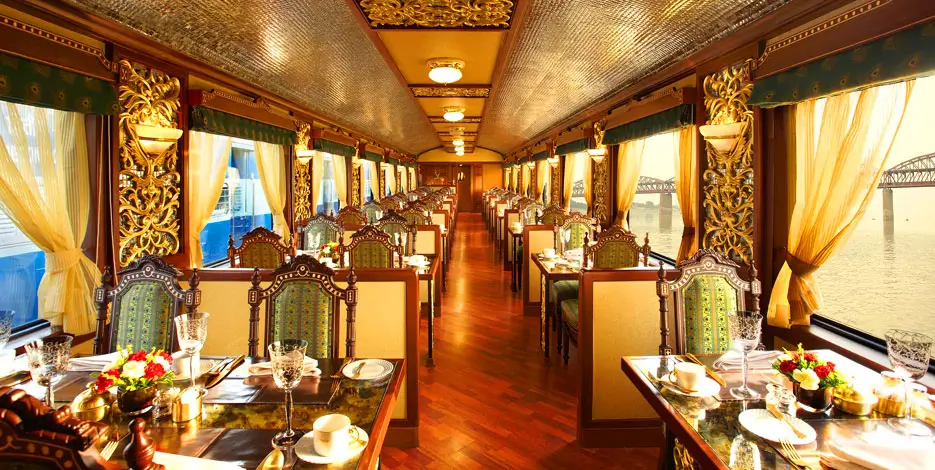
The route can also include less conventional interests. The current category features itineraries involving Jawai, Bishnoi villages, Marwari horses, birdwatching, community and craft travel, wellness stays and private luxury train travel, demonstrating how far a Rajasthan programme can move beyond a basic Jaipur–Jodhpur–Udaipur circuit.
A strong itinerary is therefore not the one with the longest list of cities. It is the one that uses the available days efficiently while giving each destination enough time to justify travelling there.
Golden Triangle Tour with Rajasthan combines Delhi, Agra and Jaipur with Rajasthan’s historic cities, desert regions, forts, palaces and heritage towns. Most itineraries need 8 to 15 days, while longer routes can include Jodhpur, Udaipur, Jaisalmer, Bikaner, Mandawa, Pushkar or rural Rajasthan. Private transport makes the route easier to tailor around pace, hotel preference and interests.
gest list of cities. It is the one that uses the available days efficiently while giving each destination enough time to justify travelling there.