Bikaner is one of Rajasthan’s lesser-explored yet historically significant desert cities. Located in the northern part of the state, close to the Thar Desert, Bikaner offers travellers a more authentic and less commercialized experience compared to Jaipur or Udaipur. It is a city defined by fortified architecture, desert culture, and strong Rajput military heritage.
Founded in 1488 by Rao Bika, a Rathore prince, Bikaner developed as an important trading and strategic outpost along desert caravan routes. Despite its arid location, the city prospered due to trade links connecting Central Asia and Gujarat. Today, that prosperity is reflected in its imposing forts, red sandstone palaces, and intricate temple structures.
For international travellers exploring Royal Rajasthan beyond the main circuit, Bikaner offers a quieter atmosphere with rich architectural depth. It feels less hurried and more local, allowing visitors to experience Rajasthan without heavy tourist crowds.
Bikaner is particularly appealing to travellers interested in desert history, military architecture, and traditional camel culture.

Junagarh Fort, Karni Mata Temple, Lalgarh Palace, National Research Centre on Camels, Gajner Palace

October – March
Comfortable weather for fort visits and desert exploration.

1 Day
One full day allows exploration of the main highlights.

English, Hindi
English-speaking guides are available at major attractions.
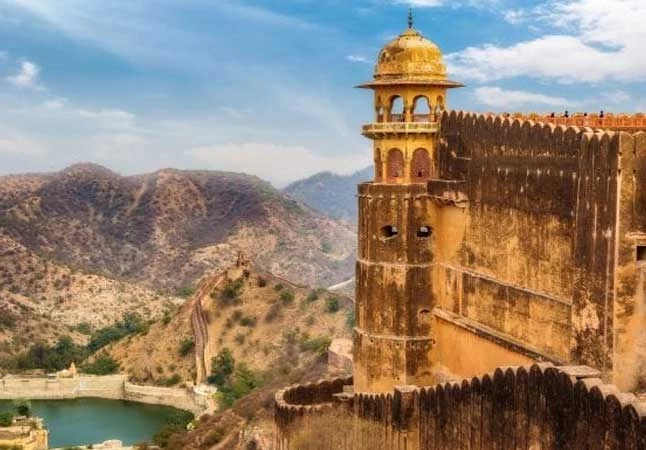
Unlike many Rajasthani forts built on hilltops, Junagarh Fort stands at ground level yet remains one of the most formidable fortresses in the region. Constructed in the late 16th century, it was never conquered, a testament to its strong defensive design.
The fort complex includes multiple palaces, courtyards, and audience halls. Inside, visitors encounter ornate interiors decorated with gold leaf, mirror work, painted ceilings, and carved stone screens. The architectural style blends Rajput, Mughal, and later European influences, reflecting evolving royal tastes.
Junagarh Fort offers insight into Rajasthan’s military resilience. Its thick walls, bastions, and internal chambers demonstrate how desert kingdoms protected themselves in challenging terrain.
Lalgarh Palace, built in the early 20th century, showcases a different architectural period. Designed in Indo-Saracenic style, the palace features red sandstone façades and expansive corridors. Part of the palace now operates as a heritage hotel, while other sections house museums and royal memorabilia.
The palace illustrates the transition of Rajasthan’s royal families into modernity during the British colonial period.
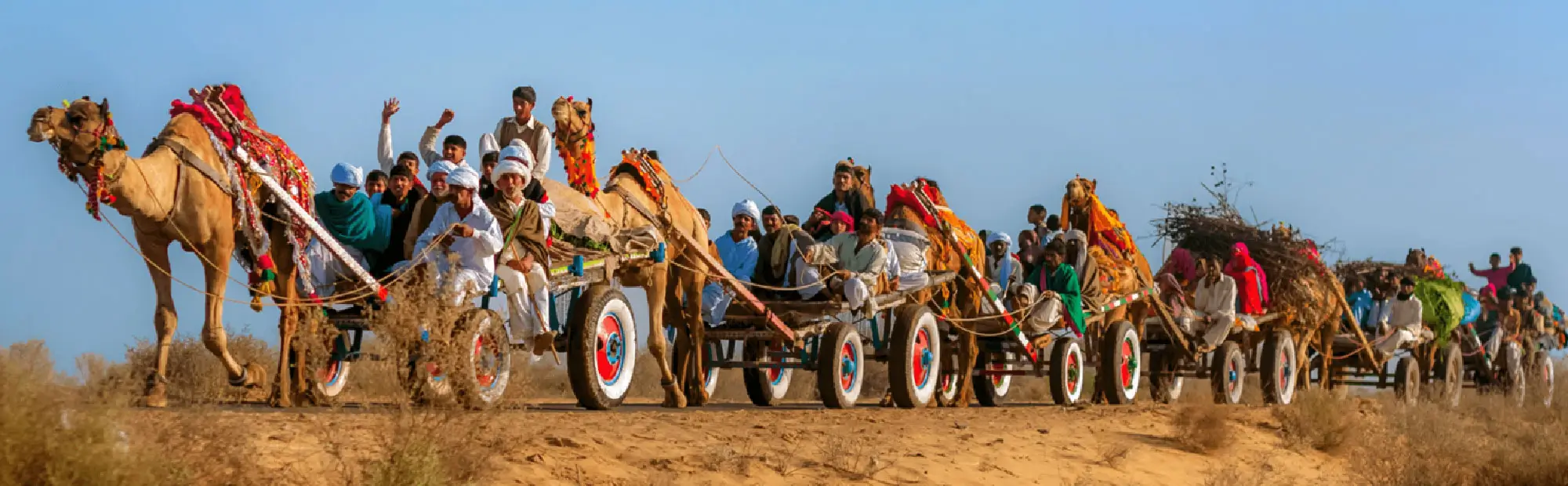
Bikaner is often associated with camel breeding and desert trade routes. The National Research Centre on Camels offers visitors insight into camel conservation, breeding practices, and the historical importance of camels in desert transportation.
Camels once served as essential companions in Rajasthan’s arid regions. Even today, they remain symbolic of desert identity. Visiting the camel centre provides a unique cultural perspective rarely explored in mainstream itineraries.
The Karni Mata Temple, located in Deshnoke near Bikaner, is one of Rajasthan’s most unusual pilgrimage sites. Known for its population of revered rats, the temple draws curious visitors interested in cultural traditions.
For travellers seeking quieter surroundings, Gajner Palace, situated near a lake outside the city, offers scenic desert landscapes and wildlife sightings. It was once a royal hunting lodge and now functions as a heritage hotel.
Compared to Jaipur’s bustling bazaars, Bikaner’s markets feel more traditional and community-focused. Narrow streets display local snacks, sweets (Bikaneri bhujia), textiles, and handicrafts.
The city’s pace is slower, which many international travellers appreciate after visiting busier destinations. Photography opportunities abound in red sandstone streets and temple courtyards.
Bikaner also offers a deeper understanding of desert resilience — how architecture, food, and daily life adapt to arid conditions.
Bikaner offers heritage-style hotels, boutique properties, and mid-range accommodations. While the city does not have as many international luxury brands as Jaipur, it provides authentic heritage stays with personalized service.
Because Bikaner is slightly off the main Golden Triangle route, it is often included in extended Rajasthan itineraries connecting Jodhpur and Jaisalmer.
Road connectivity is reliable, and the city remains manageable in scale, making sightseeing efficient within a short timeframe.

Nearest major airport: Jodhpur

Regular buses from Jaipur and Jodhpur

Rail connections from Delhi and Jodhpur
We promise you a holiday where everything is taken care of from the moment you land. Trusted drivers waiting for you, handpicked hotels that fit your style, personalized itineraries designed just for your family, and a dedicated team on call 24/7. All you need to do is relax, explore, and create unforgettable memories, while we take care of every detail behind the scenes.
Bikaner offers desert forts, camel heritage, and fewer tourist crowds.
One full day is usually sufficient.
Junagarh Fort is the primary highlight.
It is generally less crowded than Jaipur or Udaipur.
Bikaner is known for Junagarh Fort and traditional camel culture.
Yes, it is considered safe for international travellers.
Yes, it fits well into desert circuit itineraries.
October to March offers comfortable weather.
Yes, especially at Junagarh Fort.
Yes, Lalgarh Palace and other properties offer heritage stays.
Approximately 5–6 hours by road.
No, it is part of extended Royal Rajasthan itineraries.