Jaipur, widely known as the “Pink City,” is the royal capital of Rajasthan and one of the most visually striking destinations in India. As the third point of the Golden Triangle tour, Jaipur introduces travellers to Rajput architecture, hilltop forts, palace complexes, and vibrant cultural traditions that contrast beautifully with Delhi’s urban energy and Agra’s Mughal elegance.
Founded in 1727 by Maharaja Sawai Jai Singh II, Jaipur was one of India’s earliest planned cities. Its symmetrical layout, broad streets, and uniform pink façades reflect thoughtful urban design influenced by ancient Hindu architectural principles. The city remains one of the best-preserved examples of traditional North Indian planning.
For international travellers, Jaipur offers both grandeur and accessibility. The monuments are spread across manageable distances, and the city combines historical depth with lively markets, artisan workshops, and heritage hotels. Jaipur feels regal yet welcoming — a place where palaces still dominate the skyline and traditions remain visible in everyday life.
Unlike Delhi’s metropolitan scale or Agra’s monument-focused experience, Jaipur provides a broader cultural immersion. It is a city where architecture, craftsmanship, cuisine, and royal history intersect seamlessly.

Amber Fort, City Palace, Hawa Mahal, Jantar Mantar, Nahargarh Fort

October – March
Cooler temperatures make fort visits and city exploration comfortable.

2 Days
Two days allow exploration of forts, palaces, and local markets at a relaxed pace.

English, Hindi
English-speaking guides and hospitality staff are widely available.
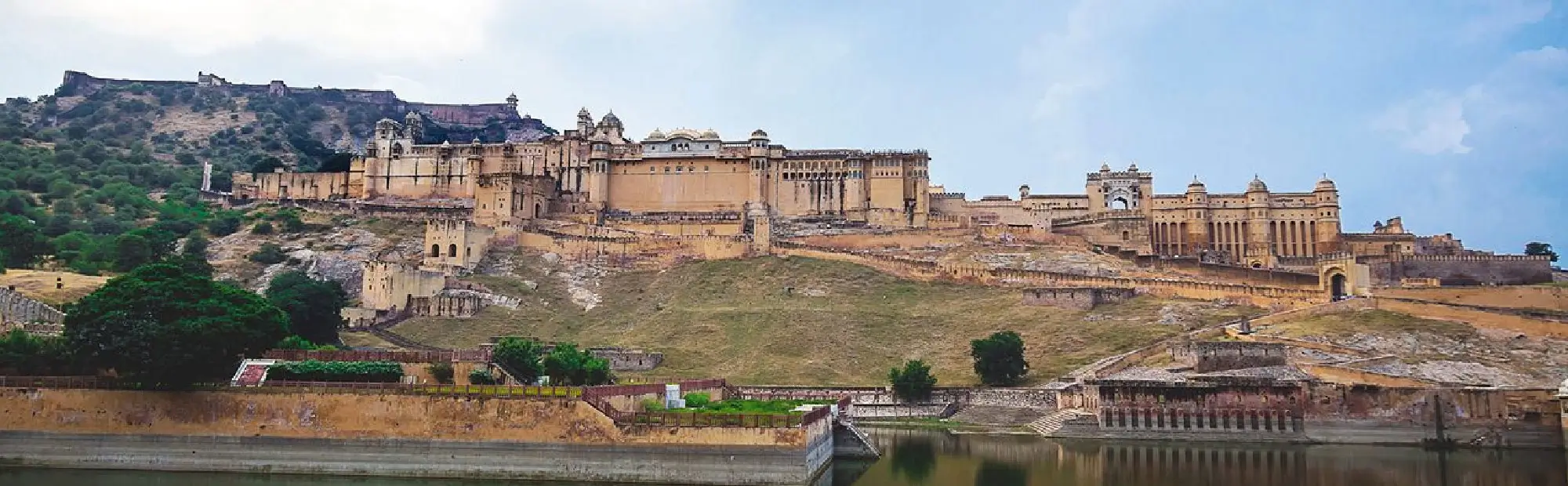
Jaipur’s most iconic landmark is Amber Fort, located just outside the city center. Built from sandstone and marble, the fort complex features grand courtyards, mirrored halls, and panoramic views over the surrounding hills. Visiting early in the morning provides softer light and a more peaceful atmosphere before larger crowds arrive.
Within the city walls, the City Palace remains partially occupied by Jaipur’s royal family. Its museums display royal garments, weapons, and historical manuscripts, offering insight into Rajasthan’s princely past. Nearby, Jantar Mantar, a UNESCO World Heritage Site, showcases 18th-century astronomical instruments that still function with remarkable precision.
Hawa Mahal, or the Palace of Winds, is one of Jaipur’s most photographed landmarks. Its pink sandstone façade with intricately designed windows once allowed royal women to observe street festivals without being seen. Today, it remains a defining symbol of the city.
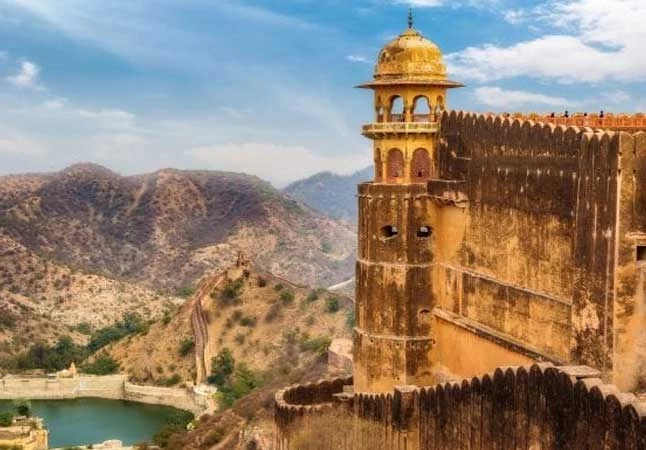
Jaipur is also known for its hilltop forts such as Nahargarh and Jaigarh, which offer sweeping views across the Pink City. These elevated vantage points reveal the city’s geometric layout and surrounding desert landscape.
Beyond architecture, Jaipur is a center for traditional craftsmanship. The city is famous for block printing, gemstone cutting, blue pottery, and handcrafted textiles. Many travellers appreciate visiting artisan workshops to observe these centuries-old skills firsthand.
The markets of Jaipur are lively yet structured compared to Old Delhi. Johari Bazaar and Bapu Bazaar offer textiles, jewelry, and handicrafts. Bargaining is part of the culture, but quality shops and fixed-price boutiques are also available.
Culinary experiences in Jaipur reflect Rajasthani flavors — rich curries, lentil-based dishes, and traditional sweets. At the same time, upscale restaurants and heritage hotels provide refined dining environments for international guests.
Accommodation in Jaipur ranges from restored palace hotels to contemporary luxury properties. Many heritage hotels were once royal residences and offer courtyard settings, traditional décor, and personalized service. This allows visitors to experience Rajasthan’s royal atmosphere beyond monument visits.
Jaipur pairs seamlessly with wildlife destinations such as Ranthambore National Park or extended Rajasthan routes including Udaipur and Jodhpur. Its central location within Rajasthan makes it a strategic and culturally rich stop in longer itineraries.
For photographers and architecture enthusiasts, Jaipur offers a vibrant palette — pink façades, colorful turbans, decorated elephants during festivals, and dramatic sunset views from hilltop forts.
The city maintains a balance between tourism and local life. While monuments attract global visitors, residential neighborhoods, temples, and local markets preserve authentic cultural rhythms.
Because of its structured layout, heritage depth, and royal ambiance, Jaipur often becomes a highlight of the Golden Triangle experience.

Jaipur International Airport (domestic and limited international connections)

Regular buses from Delhi and Agra

Direct trains from Delhi (4–5 hours)
We promise you a holiday where everything is taken care of from the moment you land. Trusted drivers waiting for you, handpicked hotels that fit your style, personalized itineraries designed just for your family, and a dedicated team on call 24/7. All you need to do is relax, explore, and create unforgettable memories, while we take care of every detail behind the scenes.
Jaipur was painted pink in 1876 to welcome the Prince of Wales, and the tradition has continued.
Two days allow comfortable exploration of forts and palaces.
Jaipur is considered one of India’s safer tourist cities with strong hospitality infrastructure.
October to March offers pleasant weather.
Yes, Amber Fort is located approximately 20 minutes from central Jaipur.
Yes, Ranthambore National Park is often added after Jaipur.
Yes, licensed English-speaking guides are widely available.
Yes, Jaipur offers palace hotels and curated royal experiences.
Jantar Mantar is an 18th-century astronomical observatory and UNESCO site.
Yes, Jaipur is famous for textiles, gemstones, and traditional crafts.
Jaipur is approximately 5–6 hours by road from Delhi.
Yes, Jaipur forms the third point of the Golden Triangle route.