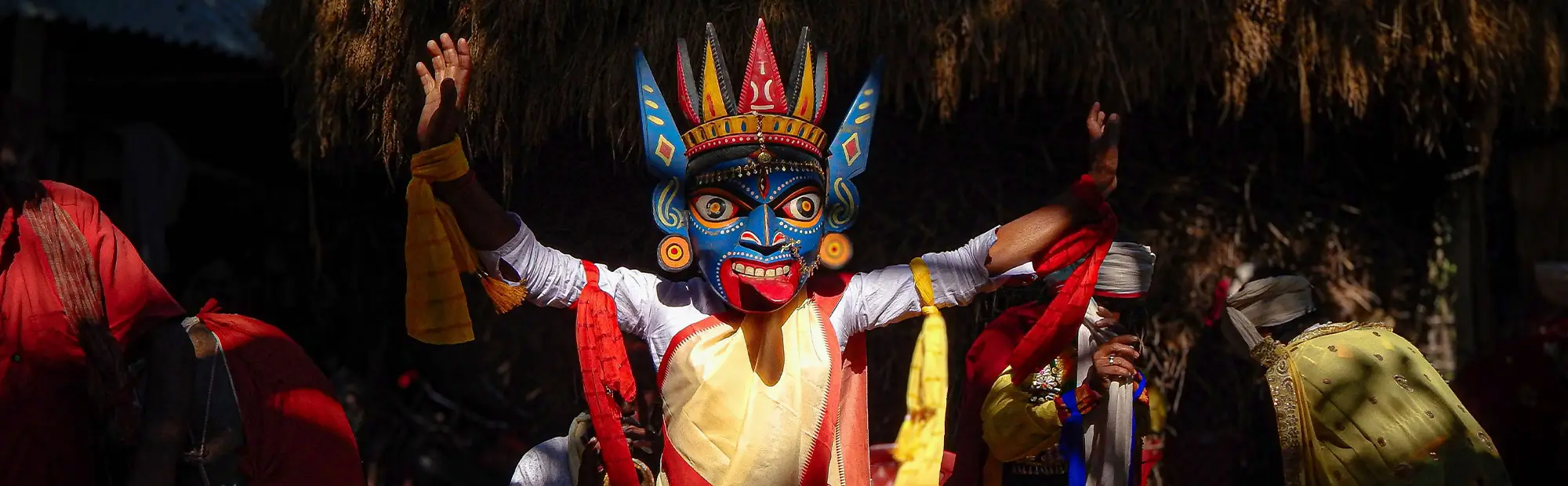
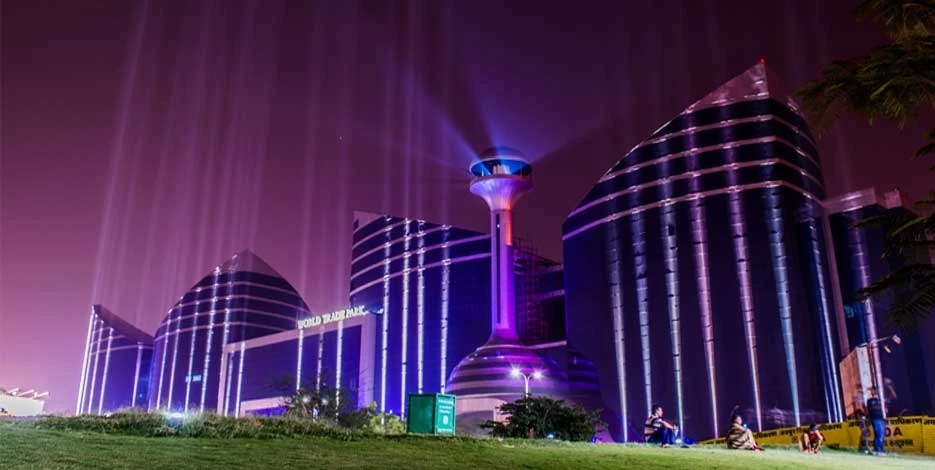
A Golden Triangle Tour with festivals follows the core Delhi–Agra–Jaipur circuit while timing part of the itinerary around a significant celebration or fair. The monuments remain important, but the festival becomes an additional reason for travelling on particular dates.
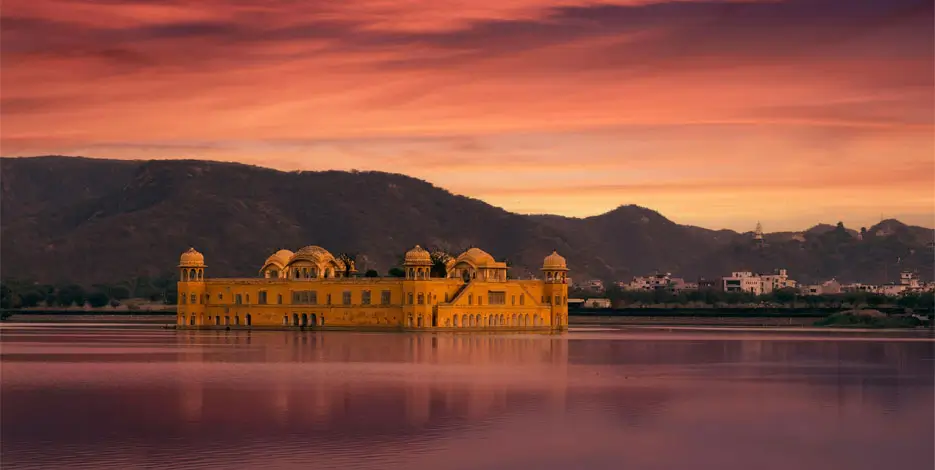
Delhi introduces visitors to Old Delhi, Mughal architecture, religious landmarks and the modern capital. Agra provides the Taj Mahal and Agra Fort, while Jaipur adds Rajasthan’s forts, palaces, markets and craft traditions. Depending on the event, the itinerary can then continue to Pushkar or another location associated with a particular fair or celebration.
The major difference between a standard itinerary and an India festival tour package is that dates cannot always be moved freely. A traveller can visit the Taj Mahal on many dates throughout the year, but a particular festival takes place within a defined period. The rest of the holiday therefore needs to be designed around the event rather than adding it casually after hotels and flights have already been confirmed.
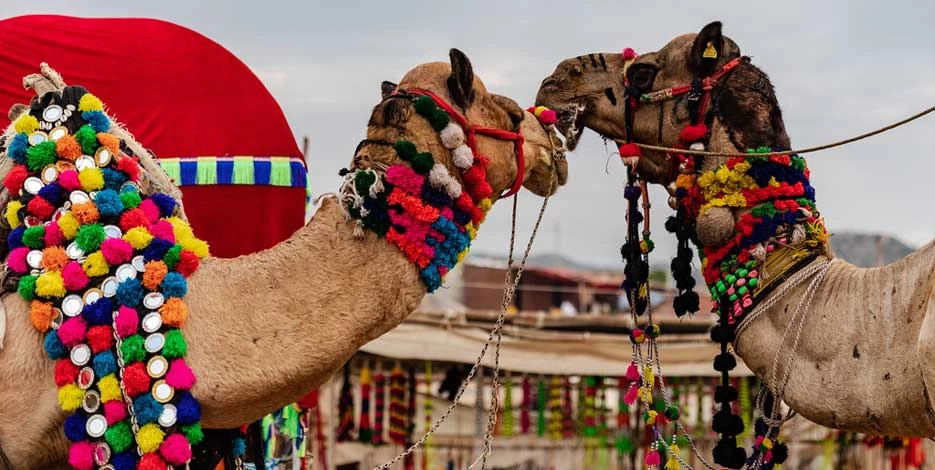
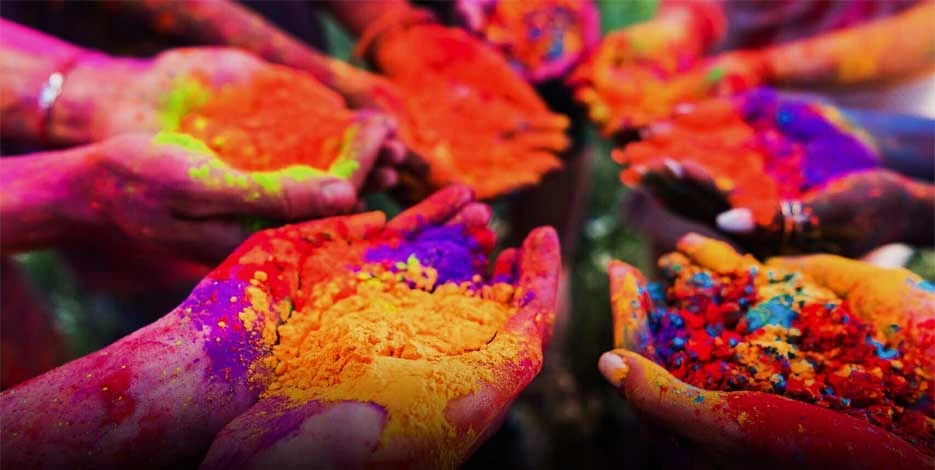
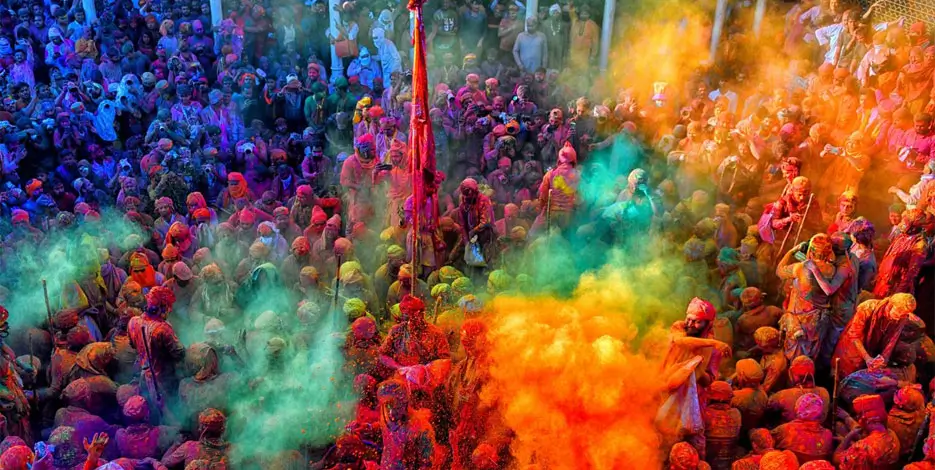
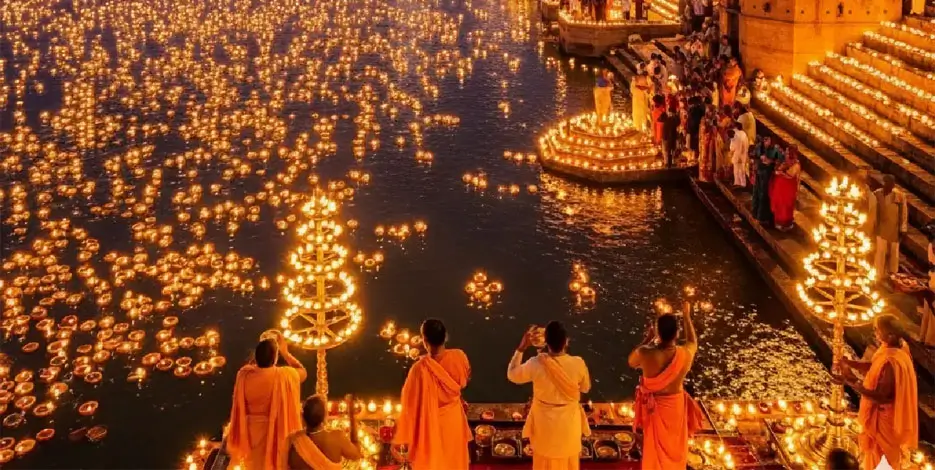
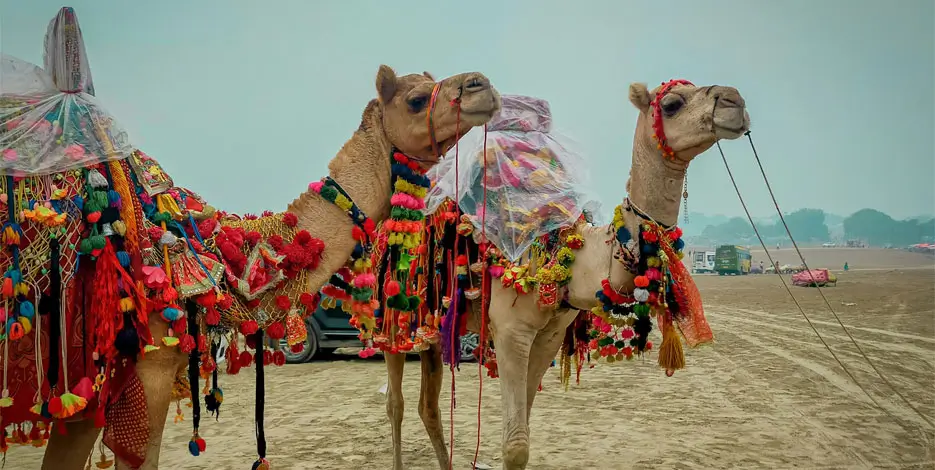
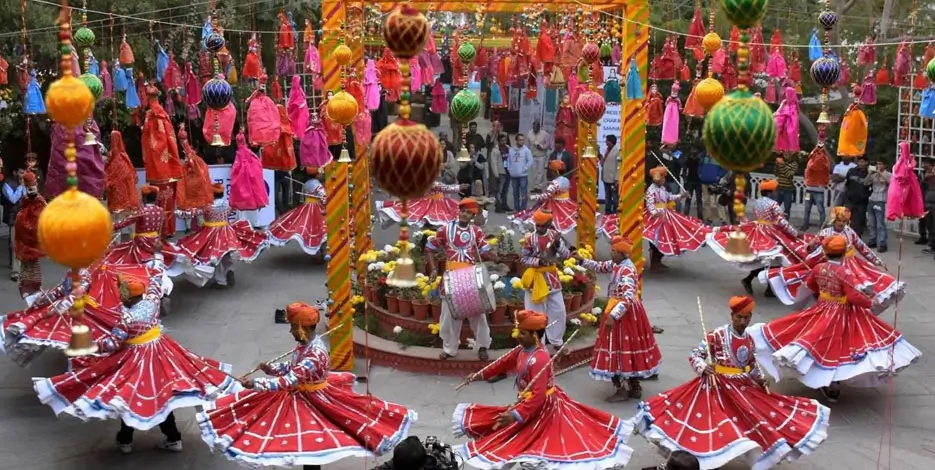
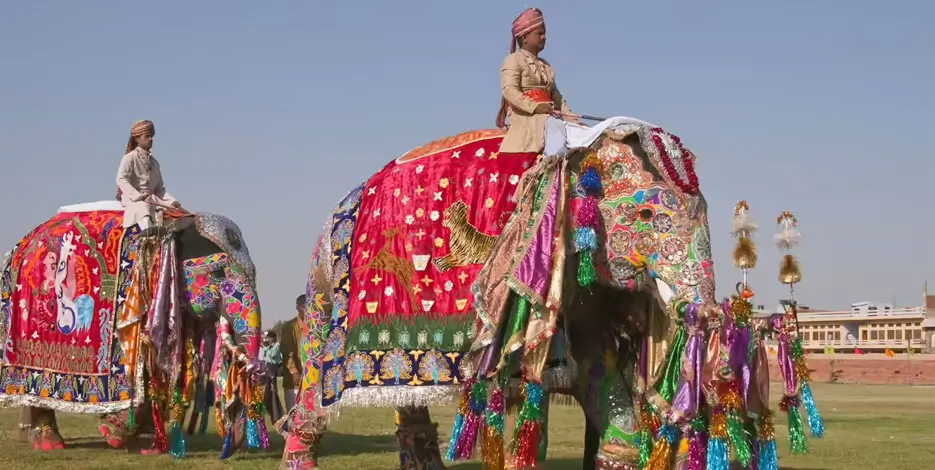
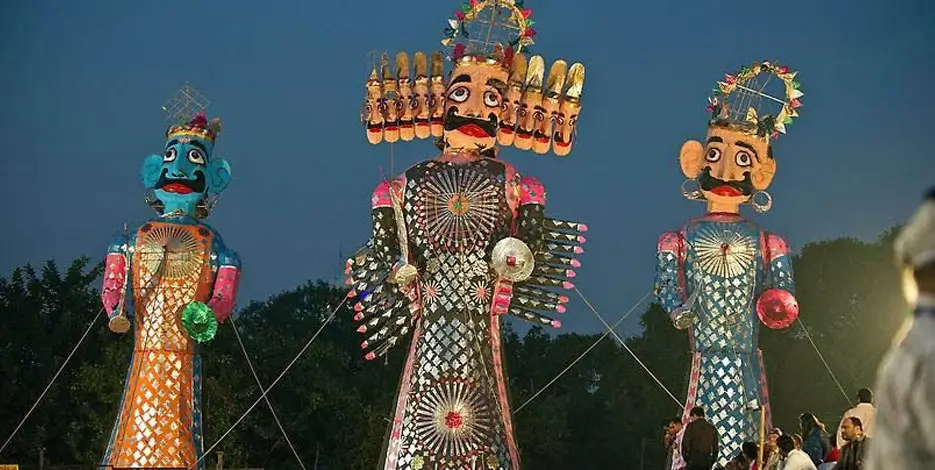
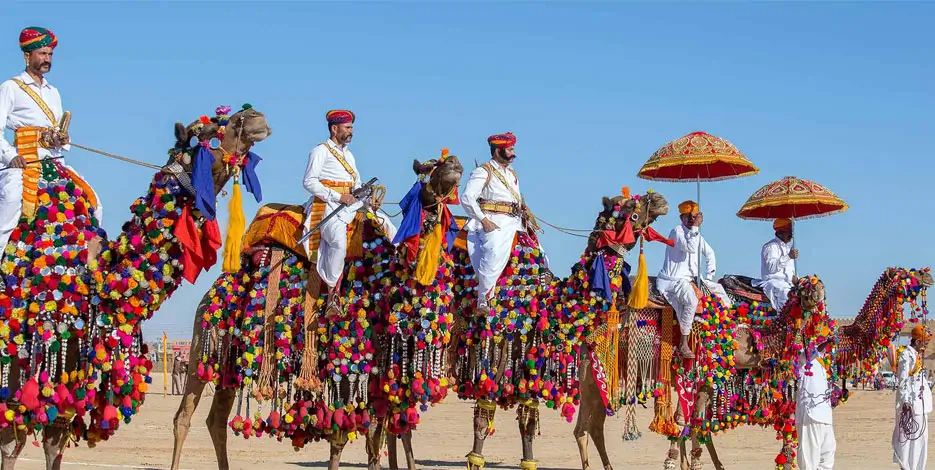
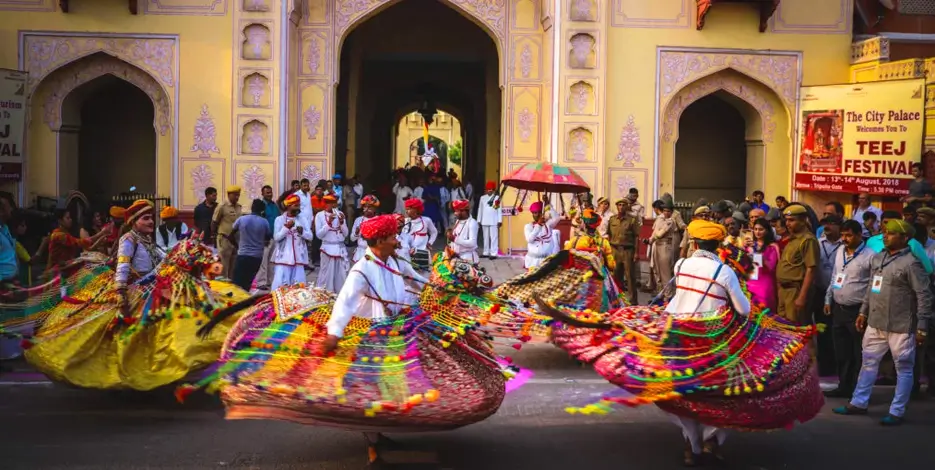
Festivals also differ substantially from one another. Holi is known for colour and public celebration. Diwali is associated with lamps, family gatherings and religious observances. Teej has a strong connection with Rajasthan and traditional processions. The Pushkar Camel Fair combines pilgrimage, livestock trading and fairground activity. These should not be marketed as interchangeable “colourful Indian festivals.”
A carefully planned Golden Triangle festival tour India gives travellers cultural context before the event and enough time to continue sightseeing without allowing one crowded festival day to dominate the entire holiday.
How Many Days Do You Need for a Golden Triangle Festival Tour?
Duration depends on the location of the festival. An event taking place in Jaipur can be incorporated relatively easily, while Pushkar or another destination requires additional road travel and hotel nights.
|
Duration
|
Suggested Tour Style
|
Best Suited For
|
Pace
|
|
5 Day Golden Triangle Festival Tour
|
Delhi – Agra – Jaipur + city-based celebration
|
Short festival holidays
|
Fast
|
|
6 Day Golden Triangle Festival Tour
|
Delhi – Agra – Jaipur + festival day
|
Travellers with limited time
|
Moderately fast
|
|
7 Day Golden Triangle with Festival
|
Delhi – Agra – Jaipur + dedicated event time
|
First-time visitors
|
Balanced
|
|
8 Day Golden Triangle Festival Tour
|
Core circuit + Pushkar/nearby extension
|
Cultural travellers
|
Comfortable
|
|
10 Day India Festival Tour
|
Golden Triangle + festival + Rajasthan extension
|
International visitors
|
Relaxed
|
|
12–15 Day India Fairs and Festivals Tour
|
Golden Triangle + multiple Rajasthan destinations
|
Photography and cultural travellers
|
Leisurely
|
Five or six days can work when the festival is taking place within Delhi or Jaipur and the traveller only wants the main Golden Triangle landmarks. The programme will be relatively compact, however, and changes to traffic or event timings can affect other sightseeing.
A 7 Day Golden Triangle Festival Tour gives greater flexibility. A full day or appropriate period can be reserved for the celebration without having to remove a major monument from the programme.
Eight to ten days is more practical for events outside the core triangle. A Golden Triangle Tour with Pushkar Fair, for example, requires enough time to travel from Jaipur to Pushkar and stay in or near the town.
Longer programmes are particularly suitable for photographers and travellers interested in regional culture. They allow time before and after the main event, which can be valuable because some fairs develop over several days rather than reaching their full character during a single fixed hour.
Best Time for Golden Triangle Fairs and Festivals
There is no single best time for an India festival tour because the correct travel period depends on the event the traveller wants to attend. Many Indian festivals follow religious calendars, so their Gregorian calendar dates can change from one year to another.
|
Festival or Event
|
General Period
|
Main Location for This Route
|
Travel Character
|
|
Holi Festival Tour India
|
February/March
|
Delhi, Jaipur and selected locations
|
Colour celebrations and spring festival
|
|
Diwali Tour India
|
October/November
|
Delhi, Jaipur and wider North India
|
Lights, worship and family celebrations
|
|
Pushkar Camel Fair Tour
|
October/November
|
Pushkar, Rajasthan
|
Livestock fair, pilgrimage and cultural activity
|
|
Teej Festival Jaipur
|
July/August
|
Jaipur
|
Rajasthan tradition and procession
|
|
Gangaur Festival Jaipur
|
March/April
|
Jaipur
|
Religious and cultural procession
|
|
Jaipur Literature Festival Tour
|
Usually winter
|
Jaipur
|
Literary and cultural programme
|
|
Dussehra Tour India
|
September/October
|
Various North Indian locations
|
Religious celebrations and public events
|
Dates should always be verified before international flights are booked. This is particularly important for religious festivals whose dates are determined by lunar or traditional calendars.
Travellers should also distinguish between a festival date and the best period for observing a fair. The Pushkar Camel Fair, for example, involves activity over a period rather than functioning as a single evening event. The ideal dates can depend on whether the traveller is most interested in livestock activity, pilgrimage, photography or the wider fair atmosphere.
Weather also matters. Holi usually falls during a pleasant to warming period in North India. Diwali and Pushkar generally coincide with comfortable autumn conditions. Teej takes place during the monsoon period, when Jaipur can be hot and humid with seasonal rainfall.
Our Golden Triangle Tours with Fairs and Festivals
Our Golden Triangle Tours with fairs and festivals can be structured around the event rather than placing every traveller into one fixed departure.
The first step is identifying the festival. The second is establishing the dates on which the most relevant activities take place. Delhi, Agra and Jaipur can then be arranged before or after those dates.
Golden Triangle Tour with Holi Festival
A Golden Triangle Tour with Holi Festival combines Delhi, Agra and Jaipur with one of India’s most recognised celebrations.
Holi marks the arrival of spring and has religious and cultural associations that go beyond throwing coloured powder. Traditions vary between regions, and the way Holi is celebrated in a neighbourhood, temple town, hotel or organised private setting can be very different.
For international visitors, the location and type of celebration should be selected carefully. Large public gatherings can become extremely crowded. Travellers who want to participate without being placed in an uncontrolled environment may prefer an organised celebration at a reputable hotel, heritage property or another managed venue.
Clothing should be chosen with the expectation that colours may stain permanently. Cameras and phones require suitable protection, and travellers should avoid carrying unnecessary valuables during celebrations.
A Holi Festival Tour India should also retain enough time for Delhi, Agra and Jaipur. The festival may be the highlight, but it does not need to replace the cultural purpose of the wider journey.
Golden Triangle Tour with Diwali
A Golden Triangle Tour with Diwali provides a very different type of festival holiday.
Diwali is associated with lamps, religious observances, family gatherings, decorations and celebrations across India. Jaipur and Delhi can be particularly atmospheric, with markets and buildings decorated for the occasion.
Visitors should understand that Diwali is primarily a religious and family festival rather than a public performance staged for tourists. Some of the most meaningful aspects are found in decorated neighbourhoods, temples, homes and markets.
Businesses and monuments may operate differently around important festival dates, while traffic patterns can change. The itinerary should therefore leave flexibility rather than scheduling every sightseeing visit to the minute.
Air quality can also be a consideration in parts of North India around the autumn period. Travellers with respiratory sensitivities should discuss practical arrangements and avoid assuming that festival conditions will be identical every year.
A Diwali Tour India works best when the traveller values the atmosphere and cultural context rather than expecting a single central event.
Golden Triangle Tour with Pushkar Camel Fair
A Golden Triangle Tour with Pushkar Camel Fair is one of the strongest combinations for travellers interested in Rajasthan, photography and traditional fairs.
Pushkar lies within practical road reach of Jaipur, making it possible to continue there after completing the principal Golden Triangle sights. The town is important as a Hindu pilgrimage destination and is associated with the sacred Pushkar Lake and Brahma Temple.
The annual fair brings additional activity connected with livestock, traders, pilgrims, visitors and organised cultural programmes. The atmosphere changes during the fair period, and accommodation demand increases significantly.
Photographers should pay particular attention to timing. The livestock-related activity and the religious culmination of the fair do not necessarily peak at exactly the same time. Travelling solely according to a generic festival date can therefore miss the aspect of Pushkar that a particular visitor wanted to see.
A Pushkar Fair Tour package should ideally include more than a rushed day excursion. Staying locally provides access to early morning and evening activity when the town can look and feel very different from midday.
Golden Triangle Tour with Teej Festival
A Golden Triangle Tour with Teej Festival is particularly relevant for travellers visiting Jaipur during the monsoon season.
Teej is associated with Hindu traditions surrounding Goddess Parvati and Lord Shiva and has particular cultural importance for women in Rajasthan. Jaipur is known for its traditional procession associated with the festival.
The event provides an opportunity to see ceremonial elements, traditional clothing, music and public participation within the historic city. It should be understood within its religious and social context rather than presented simply as a street parade.
Because Teej occurs during the monsoon period, visitors should prepare for humidity, heat and possible rain. Private air-conditioned transport and a flexible schedule make the wider Golden Triangle route considerably easier during this season.
A Teej Festival Jaipur Tour can work particularly well for photographers and travellers interested in Rajasthan’s living traditions.
Golden Triangle Tour with Gangaur Festival
Gangaur is another important Rajasthan celebration that can be incorporated into a Golden Triangle Festival Tour when travel dates coincide.
The festival is associated with Goddess Gauri and is particularly significant for women. Jaipur hosts traditional processions and ceremonial activity, making it one of the relevant locations for international visitors.
Gangaur generally takes place during the warmer spring period. Sightseeing at Amber Fort and other outdoor sites should therefore be planned around temperature as well as festival timings.
The event provides a different view of Jaipur from the standard fort-and-palace itinerary and works well for travellers interested in local traditions rather than monuments alone.
Jaipur Literature Festival and Cultural Events
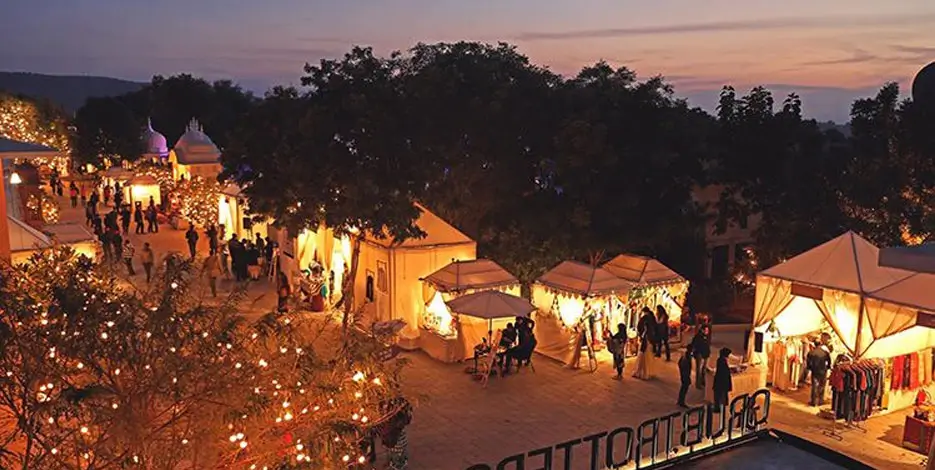
Not every Golden Triangle festival package needs to be centred on a religious celebration. Jaipur also hosts major contemporary cultural events.
The Jaipur Literature Festival attracts writers, speakers and visitors from India and overseas. It can be incorporated into a Golden Triangle holiday for travellers interested in literature, current affairs, history and cultural discussion.
An event-based itinerary needs a different daily structure from ordinary sightseeing. Travellers may want to attend particular sessions rather than spend the whole day at the venue. Amber Fort, City Palace and other Jaipur attractions can be arranged around the selected programme.
Hotel demand can be strong during major Jaipur events. Accommodation should therefore be considered early, particularly when a traveller wants a specific luxury or heritage property.
Festival Travel and Photography
India’s fairs and celebrations attract photographers because they bring together people, clothing, rituals, processions, animals, architecture and public spaces. A festival photography tour India nevertheless requires more preparation than ordinary monument photography.
Crowds can make equipment difficult to manage. Travellers carrying professional cameras should consider how much gear they genuinely need during a procession or Holi celebration.
Respect is equally important. A religious ceremony is not automatically an unrestricted photographic opportunity. Visitors should follow instructions at temples and sacred spaces and avoid intrusive photography of individuals during private acts of worship.
Pushkar requires a different approach from Holi. Teej requires a different approach from Diwali. A good India cultural photography tour should therefore be planned around the actual event rather than using one standard photography schedule.
Early mornings can be particularly useful at fairs and pilgrimage destinations. Staying close enough to the event can provide far better opportunities than driving several hours from another city each day.
Hotels During Major Festivals and Fairs
Accommodation availability is one of the main reasons to plan India festival tours early.
Delhi and Jaipur have large hotel inventories, but popular properties can still fill during major events. Pushkar has a more limited supply relative to the sudden increase in visitors during its annual fair.
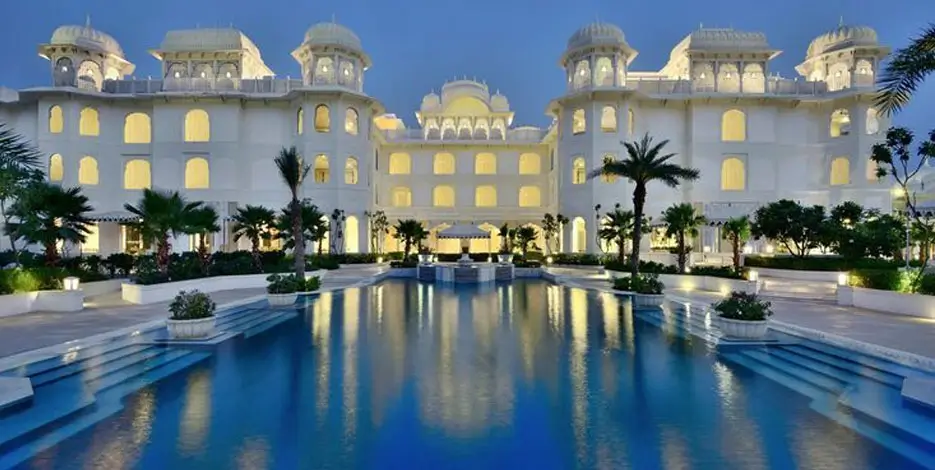
Temporary camps may operate around some events, while heritage hotels and resorts can offer festival-related programmes. The quality, location and facilities vary, so accommodation should not be selected solely because it carries a festival label.
For luxury travellers, a suitable hotel can also provide a controlled setting for certain celebrations. This can be particularly useful during Holi when guests want to participate while retaining access to hotel facilities and private transport.
Families and senior travellers should prioritise convenient access and comfort. A property located far from the relevant festival area may appear attractive but create unnecessary time in traffic.
Private Car and Driver for Festival Tours
A private Golden Triangle Festival Tour benefits considerably from dedicated road transport.
Festival days can involve road closures, diversions, congestion and changes to normal traffic patterns. An experienced local driver is better placed to manage these conditions than a visitor unfamiliar with the city.
Delhi, Agra and Jaipur can be covered using a private air-conditioned vehicle, while Pushkar and other Rajasthan extensions can be incorporated according to the itinerary.
The vehicle does not eliminate the need for walking. During major processions or religious events, roads near the venue may be closed to ordinary traffic. Travellers should be prepared to continue on foot from the closest permitted point.
Private transport still provides flexibility before and after the event. Guests do not have to wait for a group coach and can return to the hotel according to the agreed programme.
Safety and Practical Planning During Indian Festivals
A Golden Triangle Tour during Indian festivals requires realistic preparation, particularly for visitors unfamiliar with large public gatherings.
Crowds are the most obvious difference. Important events can attract substantial numbers of local residents and pilgrims. Travellers should keep valuables secure, carry only necessary belongings and follow the advice of their guide or local representative.
Holi requires additional precautions because colours, water and dense crowds form part of many public celebrations. Travellers uncomfortable with uncontrolled crowds should choose a managed venue.
Religious festivals require appropriate clothing and behaviour around temples and ceremonies. Shoes may need to be removed, photography may be restricted and access rules can change during busy periods.
Families with young children and senior travellers may prefer to observe some events from less crowded locations. Participating in the busiest possible gathering is not necessary to understand a festival.
Travel insurance, appropriate clothing and sufficient flexibility should form part of the wider planning process.
How to Plan the Right Golden Triangle Festival Itinerary
The festival date should be the anchor around which the entire itinerary is built.
For a Holi trip, first decide where and how the traveller wants to celebrate. Delhi, Jaipur and other locations can offer different settings. Once the celebration is fixed, Agra and the remaining Golden Triangle sightseeing can be arranged around it.
For Pushkar, determine which part of the fair matters most. Travellers primarily interested in livestock and photography may require different dates from visitors focused on pilgrimage activity.
For Teej or Gangaur, Jaipur should receive enough nights to accommodate both the procession and normal sightseeing. Trying to arrive on the afternoon of the event creates unnecessary risk from traffic or transport delays.
Diwali requires a different approach because the celebration is distributed across homes, temples, markets and neighbourhoods rather than concentrated into one tourist venue.
Our custom Golden Triangle festival tours can therefore be designed around the selected festival, exact travel period, hotel preference, photography requirements, family needs and any Rajasthan extension.
The strongest itinerary does not simply add the word “festival” to a normal package. It places the traveller in the right destination at the right time while leaving enough flexibility to handle the crowds, transport changes and local conditions that make festival travel different from an ordinary Golden Triangle holiday.