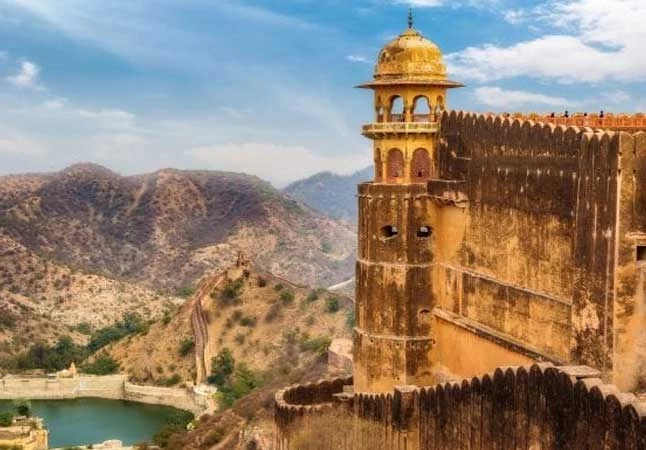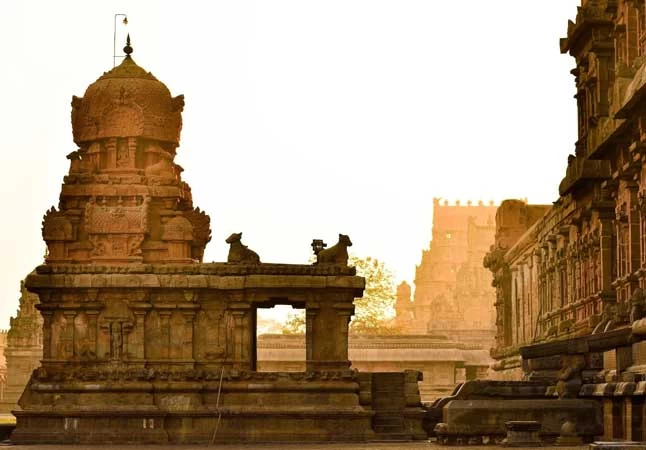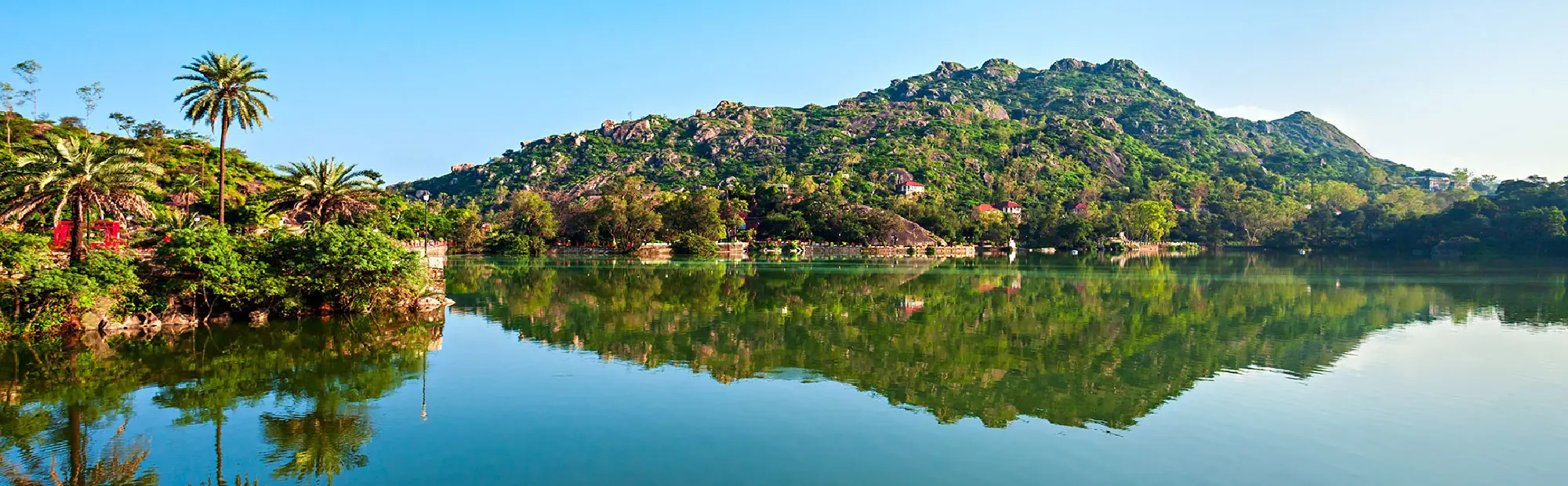
Mount Abu stands apart from the desert landscapes typically associated with Rajasthan. Located in the Aravalli mountain range near the Gujarat border, it is the state’s only hill station and offers a refreshing contrast to the arid plains of Jodhpur and Jaisalmer. With cooler temperatures, forested slopes, and serene lakes, Mount Abu provides a natural retreat within Royal Rajasthan.
Historically, Mount Abu served as a summer retreat for Rajput rulers and later for British colonial officials seeking relief from intense desert heat. Even today, the town retains that relaxed hill-station atmosphere, where mornings feel crisp and evenings cool compared to surrounding regions.
For international travellers exploring Rajasthan, Mount Abu offers a change of pace. After visiting forts and desert cities, the greenery and elevation provide visual and climatic relief. It is particularly appealing to travellers who prefer scenic walks, temple architecture, and panoramic viewpoints rather than large-scale palace complexes.
Unlike Rajasthan’s grand fort cities, Mount Abu is about tranquility and natural surroundings. It is compact, walkable, and quieter — making it suitable for couples, senior travellers, and those seeking a calmer stop in their itinerary.

Dilwara Jain Temples, Nakki Lake, Guru Shikhar, Sunset Point, Achalgarh Fort

October – March
Pleasant temperatures ideal for sightseeing and outdoor activities.

1–2 Days
One to two days allow temple visits and scenic exploration.

English, Hindi
English-speaking guides are available at major temples.
The most remarkable attraction in Mount Abu is the Dilwara Jain Temples, built between the 11th and 13th centuries. These temples are internationally admired for their intricate marble carvings, considered among the finest in India.
From the outside, the temples appear simple and understated. However, once inside, visitors encounter astonishing detail — ceilings carved with delicate patterns, pillars adorned with mythological scenes, and marble panels sculpted with remarkable precision. The craftsmanship demonstrates the artistic excellence achieved by medieval artisans.
Photography inside the temple complex is restricted, encouraging visitors to observe carefully and respectfully. The calm atmosphere within the marble halls offers a spiritual experience even for non-religious travellers.
Nakki Lake is the central gathering place in Mount Abu. Surrounded by hills and small cafés, it provides opportunities for boating and relaxed evening walks. Compared to the desert lakes of Udaipur, Nakki Lake feels more intimate and hill-station oriented.
Sunset views from designated viewpoints such as Sunset Point and Honeymoon Point attract both locals and visitors. From these elevated positions, the surrounding Aravalli hills stretch toward the horizon, offering cooler breezes and scenic photography opportunities.
Guru Shikhar, the highest point in the Aravalli range, lies a short drive from Mount Abu town. From the summit, travellers can enjoy panoramic views across hills and valleys. On clear days, the sense of elevation contrasts strongly with Rajasthan’s otherwise flat terrain.
The drive itself is scenic, with winding mountain roads and forested sections rarely associated with Rajasthan.
For those interested in historical sites beyond temples, Achalgarh Fort provides a glimpse into Mount Abu’s defensive past. Though not as grand as Mehrangarh or Amber Fort, it offers quiet surroundings and ancient temple ruins.
Mount Abu’s cultural life is influenced by both Rajasthan and neighboring Gujarat. Vegetarian cuisine is widely available, reflecting Jain and Hindu traditions. The town is considered a pilgrimage destination, which shapes its peaceful atmosphere.
What makes Mount Abu unique within Royal Rajasthan is its environmental contrast. While much of the state is defined by sand, sandstone, and desert plains, Mount Abu features greenery, rocky cliffs, and cooler air.
The town’s compact layout makes it easy to explore without heavy traffic or long travel distances. Morning walks around the lake or temple complexes provide a calm start to the day.
For travellers who have experienced Jaipur’s vibrancy and Jaisalmer’s desert isolation, Mount Abu offers a balanced midpoint — neither urban nor desert-focused, but scenic and serene.
Mount Abu offers mid-range hotels, heritage-style properties, and boutique stays. While it does not have large palace hotels like Udaipur, it provides comfortable and quiet accommodations suited to hill-station settings.
Because of its elevation, evenings can be cooler than other Rajasthan cities, especially during winter months. Light layers are recommended.
Mount Abu is often included toward the end of extended Rajasthan itineraries, particularly when travelling between Udaipur and Gujarat.

Nearest major airport: Udaipur

Regular buses from Udaipur and Ahmedabad

Nearest railway station: Abu Road

We promise you a holiday where everything is taken care of from the moment you land. Trusted drivers waiting for you, handpicked hotels that fit your style, personalized itineraries designed just for your family, and a dedicated team on call 24/7. All you need to do is relax, explore, and create unforgettable memories, while we take care of every detail behind the scenes.
Mount Abu is known for the Dilwara Jain Temples and as Rajasthan’s only hill station.
One to two days are sufficient.
Yes, its elevation provides cooler temperatures.
The intricate marble carvings of the Dilwara Temples.
Yes, it offers a calm environment and manageable sightseeing.
Yes, it is commonly added after Udaipur.
It can be busy during weekends but generally remains peaceful.
Yes, particularly at temple complexes.
The highest peak in the Aravalli mountain range.
Mostly mid-range and boutique accommodations.
Light layers, especially in winter evenings.
No, it is part of extended Royal Rajasthan itineraries.