Sariska Tiger Reserve is one of Rajasthan’s most accessible wildlife destinations, located in the Aravalli Hills approximately three hours from Jaipur and around four hours from Delhi. While smaller and less dense than parks such as Ranthambore or Bandhavgarh, Sariska offers a quieter and more intimate safari experience.
Originally established as a royal hunting ground for the Maharajas of Alwar, Sariska was later designated a wildlife sanctuary and eventually declared a tiger reserve. Today, it plays an important role in India’s tiger conservation program, including tiger relocation initiatives that successfully reintroduced the species after local extinction.
For international travellers exploring the Golden Triangle, Sariska is particularly appealing because of its proximity to Delhi and Jaipur. It provides a convenient wildlife extension without requiring long travel distances into central India.
Sariska is best suited for travellers seeking a softer introduction to India’s wildlife reserves or those with limited time who still wish to experience a safari.

Tiger Safari, Leopard Sightings, Kankwari Fort, Pandupol Temple, Aravalli Landscapes

October – March
Comfortable weather for safari drives.

1–2 Days
Two safari drives recommended.

English, Hindi
English-speaking guides accompany safaris.
Sariska is defined by the rugged terrain of the Aravalli Hills, one of the oldest mountain ranges in the world. The park features rocky ridges, dry deciduous forest, open grasslands, and seasonal streams.
Unlike the expansive meadows of Kanha or the dense sal forests of Corbett, Sariska’s terrain feels more semi-arid and hilly. The landscape allows for scenic drives with clear vantage points from elevated tracks.
The natural beauty of Sariska lies in its subtlety — muted earth tones, scattered banyan trees, and rolling hills that stretch toward the horizon.
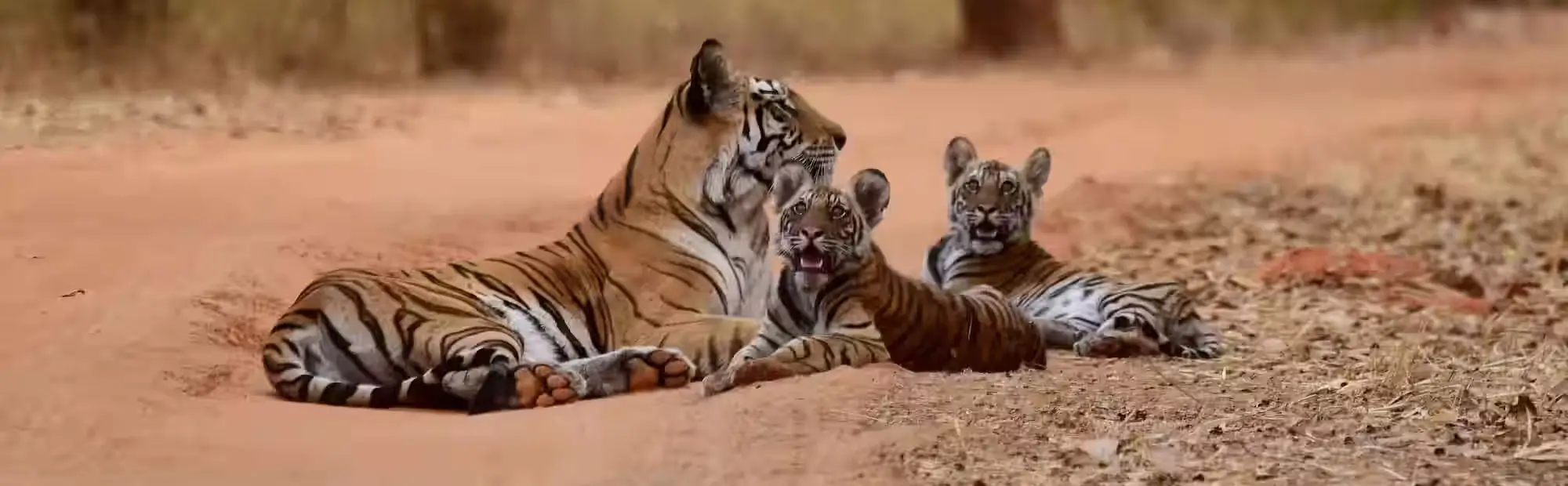
Sariska’s tiger population was once critically reduced, but successful relocation efforts have restored its presence. While tiger sightings are less frequent compared to high-density reserves like Bandhavgarh, they remain possible with patience and multiple safari drives.
In addition to tigers, Sariska supports leopards, jungle cats, striped hyenas, jackals, wild boar, and several deer species including sambar and chital.
The reserve is also home to numerous bird species, making it suitable for birdwatching enthusiasts.
Because the park receives fewer visitors than Ranthambore, safari vehicles are often less crowded, providing a quieter wildlife experience.
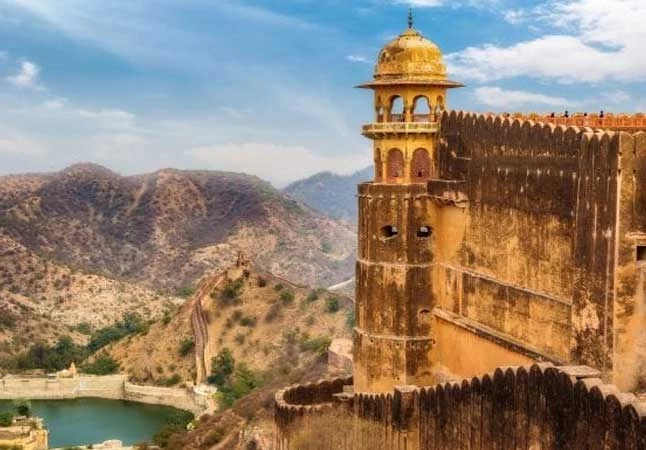
Within the park boundaries lies Kankwari Fort, a historic structure that once served as a strategic outpost. The fort is known historically for having held Mughal Emperor Aurangzeb’s brother Dara Shikoh as a prisoner.
The presence of Kankwari Fort adds historical depth to Sariska’s natural setting, similar to how Ranthambore Fort enhances its landscape.
Visitors may access certain historical sites within the reserve depending on park regulations and safari routes.
Safaris in Sariska operate twice daily in open jeep vehicles. Early morning drives offer cooler temperatures and higher wildlife movement, while late afternoon safaris provide warmer light and scenic views.
Because of the park’s moderate size, safari drives feel more relaxed compared to busier reserves. Guides track animal movement and interpret forest signs such as pugmarks and alarm calls.
While tiger sightings require patience, the overall safari atmosphere remains rewarding due to the scenic terrain and relative solitude.
One of Sariska’s main advantages is its location. For travellers following the Golden Triangle route (Delhi–Agra–Jaipur), Sariska can be added with minimal deviation.
It is particularly convenient for travellers who want a wildlife experience without flying into central India.
Because Sariska is less remote than other parks, accommodation options range from comfortable mid-range hotels to heritage-style jungle lodges.
Luxury properties near the park provide private cottages, curated dining, and organized safari arrangements.
Sariska remains open from October to June.
Light layers are recommended for winter safaris, while breathable neutral clothing works best during warmer months.
Advance safari booking is required, particularly during peak season.
Sariska is easily accessible from North India cities.

Nearest airport: Jaipur, Delhi

Road connections from Jaipur and Delhi

Nearest railway station: Alwar
We promise you a holiday where everything is taken care of from the moment you land. Trusted drivers waiting for you, handpicked hotels that fit your style, personalized itineraries designed just for your family, and a dedicated team on call 24/7. All you need to do is relax, explore, and create unforgettable memories, while we take care of every detail behind the scenes.
Tiger sightings are possible but less frequent than in Ranthambore.
Two safari drives increase viewing chances.
Tiger conservation and Aravalli hill landscapes.
Approximately 3 hours by road.
Yes, it is generally quieter than larger reserves.
October to March offers comfortable weather.
Yes, it is a convenient wildlife extension.
Yes, especially for shorter wildlife experiences.
Yes, licensed guides accompany safaris.
Yes, typically July to September.
Yes, safari permits must be reserved in advance.
Yes, boutique jungle lodges are available nearby.