India's Golden Triangle is usually associated with Mughal architecture, royal palaces, colourful bazaars and the Taj Mahal. For travellers who prefer a more restorative holiday, however, Delhi, Agra and Jaipur can also become the foundation of a luxury wellness tour in India that balances sightseeing with yoga, spa time, Ayurveda inspired treatments, nutritious dining and quieter resort stays.
The appeal is particularly relevant to travellers arriving from the United States and United Kingdom. A long international flight followed by consecutive early starts, road transfers and full day sightseeing can make even an expensive holiday feel exhausting. Adding carefully placed wellness time changes the rhythm of the journey. Instead of finishing every day tired, guests can have afternoons reserved for a massage, a slower meal, time beside the pool or an early night.
Wellness also does not have to mean spending the entire holiday inside a retreat. A traveller can see Humayun's Tomb in Delhi, stand before the Taj Mahal in Agra and walk through Jaipur's royal heritage while still making physical comfort an important part of the itinerary.
For Golden Triangle Tours, the strongest version of this journey is private and individually paced. The aim is not to attach a generic massage to an ordinary sightseeing package. Hotel selection, driving times, meal patterns, treatment appointments and sightseeing hours should work together so that wellness becomes part of the trip rather than another appointment to complete.
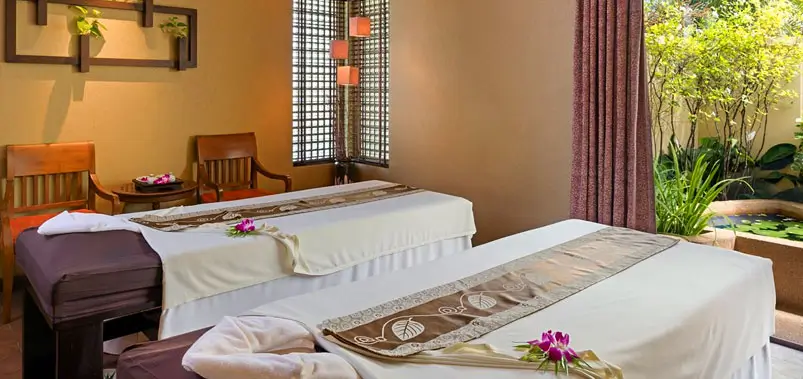
Ayurveda has deep roots in India, but international travellers encounter the term in many different settings. It may describe anything from a short massage offered by a luxury hotel spa to a structured programme at a specialist wellness retreat. Those are very different experiences and should not be marketed as though they were interchangeable.
For a luxury Ayurveda tour in India, the first useful distinction is between general wellness and medical treatment.
A relaxing oil massage, yoga session, meditation class or spa treatment may form part of a leisure holiday. A programme intended to diagnose or treat a medical condition belongs in a different category and should involve appropriately qualified healthcare professionals. Travellers should not treat tourism marketing as medical advice, and anyone with health conditions, pregnancy, allergies, recent surgery or medication concerns should discuss relevant treatments with their healthcare professional.
That distinction actually improves the luxury experience because it allows guests to choose what they genuinely want.
Some travellers want nothing more intensive than a good spa, daily yoga and enough time to sleep properly. Others are interested in an Ayurveda consultation and a series of traditional therapies delivered by an established specialist property. A smaller group may be seeking a residential wellness programme where diet, treatments and daily routine form the centre of the stay.
These should not be sold as the same product.
On a Golden Triangle itinerary, the most practical approach for many US and UK travellers is luxury wellness travel rather than an intensive therapeutic programme. Delhi, Agra and Jaipur contain significant sightseeing, so demanding wellness schedules can conflict with the purpose of visiting the cities.
Delhi can provide a gentle introduction. After an overnight flight, the first day might contain only an airport transfer, hotel check-in, a light meal and a spa appointment later if the guest feels comfortable. Scheduling a demanding treatment immediately after a long flight is not necessary.
The following morning might begin with a private yoga session before breakfast. Sightseeing can then focus on selected landmarks rather than attempting the entire city in one day. A return to the hotel by late afternoon creates time for rest or another spa treatment.
The important word is selected.
A wellness focused Golden Triangle itinerary should not contain exactly the same sightseeing schedule as a fast six day tour with spa appointments added after dinner. Something has to give. Fewer attractions per day, longer stays and later starts are often required.
Agra deserves similar consideration. The Taj Mahal can involve an early start if sunrise is selected. A traveller who has booked a late night spa treatment the evening before may not appreciate waking before dawn. The itinerary should decide which experience has priority instead of attempting both.
Jaipur is particularly suitable for slowing the journey. Luxury resortstyle hotels provide enough space to enjoy pools, gardens, yoga and spa facilities between heritage visits. A three night stay can include Amber Fort and Jaipur's old city without consuming every hour of the trip.
A high end wellness holiday also needs good food, but “wellness food” should not automatically mean a restrictive menu. India offers excellent vegetarian cuisine, fresh fruit, lentils, vegetables, grains and regional dishes, while luxury hotels can generally accommodate lighter preparations. Guests with specific dietary requirements should communicate them before arrival.
Sleep may be the most underrated wellness service of all. After crossing multiple time zones, a quiet room, excellent mattress, blackout curtains and an itinerary without a 5:00 a.m. alarm can be more restorative than adding another treatment.
Experience royal India with a bespoke Golden Triangle wellness journey. Enjoy private Ayurvedic consultations, 5-star spa resorts, and seamless VIP transfers.
A comfortable Golden Triangle wellness tour needs more time than the shortest versions of the route. Eight to ten nights gives considerably more freedom to balance major sights with recovery.
Delhi can comfortably receive three nights.
The arrival day should remain intentionally light, particularly for passengers coming from the United States. Travellers arriving from the UK face a smaller time difference but may still have travelled overnight. A private airport transfer eliminates the need to organise transport after immigration and baggage collection.
The hotel matters from the first evening. A property with a strong spa, quiet rooms, reliable dining and easy access to the intended sightseeing areas can be more useful than selecting accommodation solely by prestige.
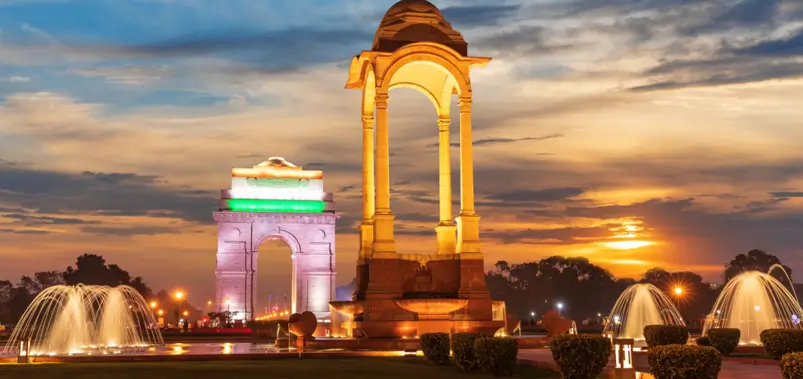
The first complete day can begin later than a conventional tour. Humayun's Tomb, India Gate and selected New Delhi landmarks might be enough before returning to the hotel. Another day can be used for Old Delhi, Jama Masjid, Gurudwara Bangla Sahib or another combination according to interest.
A private guide allows the sightseeing to stop when the guest has had enough.
That flexibility is particularly important in hot weather. Long periods outside can leave travellers dehydrated and tired, making a late afternoon wellness appointment less enjoyable rather than more relaxing.
The private drive to Agra should also remain comfortable. Guests can leave after breakfast rather than treating every transfer as a race. Upon arrival, lunch and hotel check-in can precede Agra Fort or an afternoon at leisure.
Travellers choosing a high end hotel near the Taj Mahal can enjoy the destination without spending the entire stay moving between attractions. At the upper end, properties such as The Oberoi Amarvilas are often selected for the setting and views as much as for conventional hotel facilities.
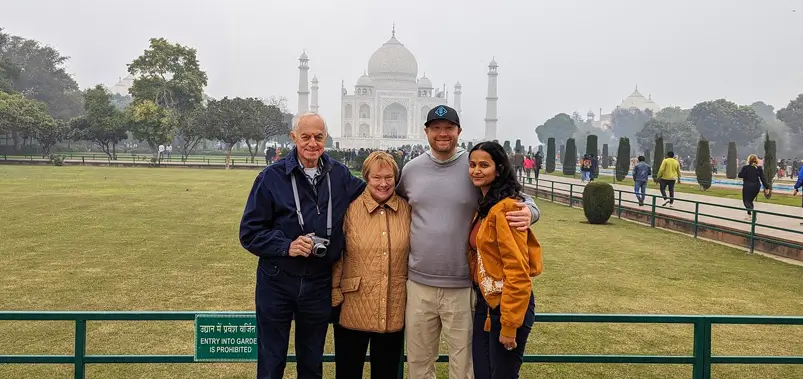
The Taj Mahal itself should remain the focus of Agra.
It is generally open from sunrise to sunset and normally closed to general visitors on Fridays. Entry rules and ticket prices can change, so current official information should be checked for the travel date.
For a wellness oriented trip, sunrise is optional rather than compulsory. Guests who naturally wake early may love it. Others may prefer additional sleep and a later visit. A private luxury Golden Triangle tour has the advantage of allowing that decision to reflect the guest rather than the tour operator's standard timetable.
After Agra, Jaipur can become the most restorative part of the Golden Triangle.
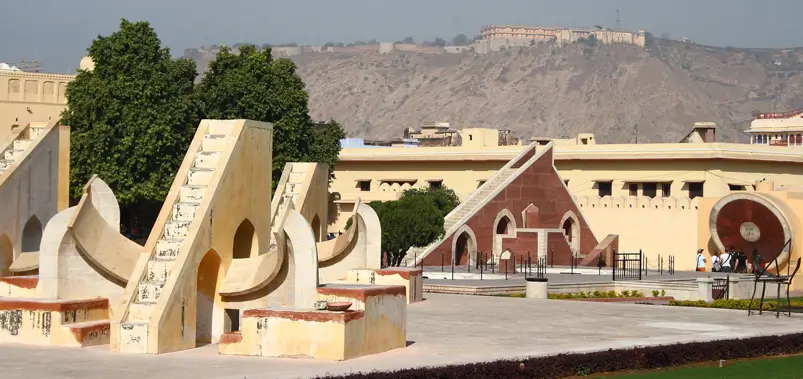
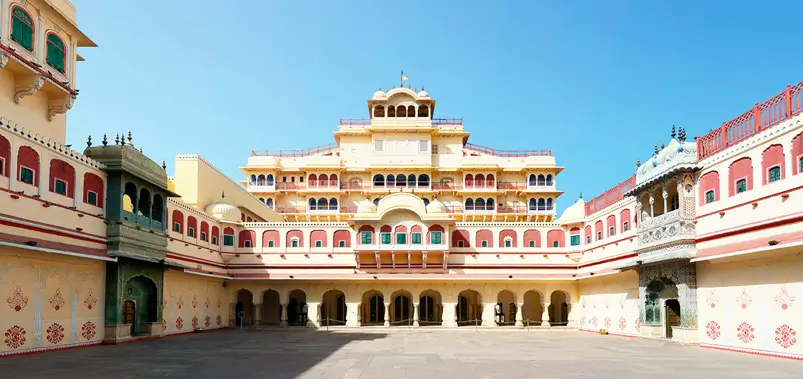
Instead of attempting Amber Fort, City Palace, Jantar Mantar, Hawa Mahal and shopping in a single exhausting day, sightseeing can be divided across two mornings. Afternoons can remain open for spa appointments, pool time or rest.
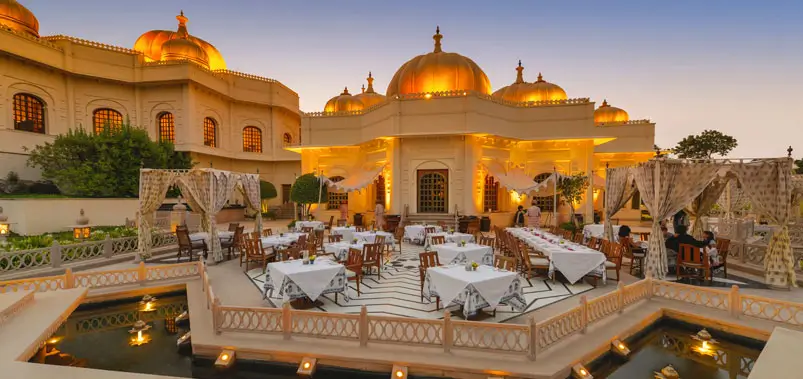
Properties such as The Oberoi Rajvilas can suit travellers who value a resort environment, while other luxury and heritage hotels offer different styles of stay. The right choice depends on whether the guest prioritises spa facilities, palace atmosphere, central location or privacy.
Three or four nights in Jaipur can completely change the feel of the journey. The city is still experienced properly, but the traveller is not constantly checking out of hotels.
That is the practical difference between adding wellness to a tour and building a tour around wellness.
A traveller searching for Ayurveda on the Golden Triangle will find an enormous range of offers. The word “Ayurvedic” alone is not evidence of quality.
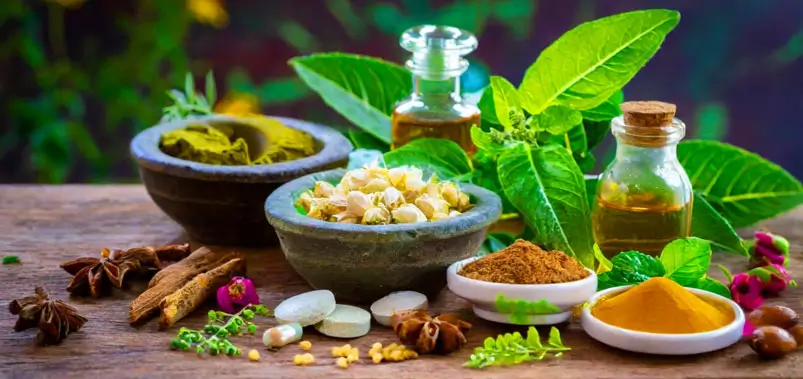
At a luxury hotel spa, guests may encounter Ayurveda inspired massages, herbal oils, steam treatments and wellness rituals alongside international spa therapies. These can be excellent choices for relaxation, but guests should understand exactly what is being offered.
A specialist Ayurveda centre may begin with a consultation and recommend therapies according to its own traditional framework. If the guest is considering anything beyond general relaxation, qualifications, hygiene standards, contraindications and the nature of the treatment should be discussed before booking.
An expensive spa is not automatically a specialist medical facility.
Likewise, a traditional sounding treatment is not automatically appropriate for every traveller.
For guests simply seeking relaxation during a holiday, a 60 or 90 minute treatment can fit comfortably into a free afternoon. Longer multi treatment schedules can consume substantial time and may be better suited to a dedicated retreat extension rather than the sightseeing portion of the trip.
Yoga is easier to integrate.
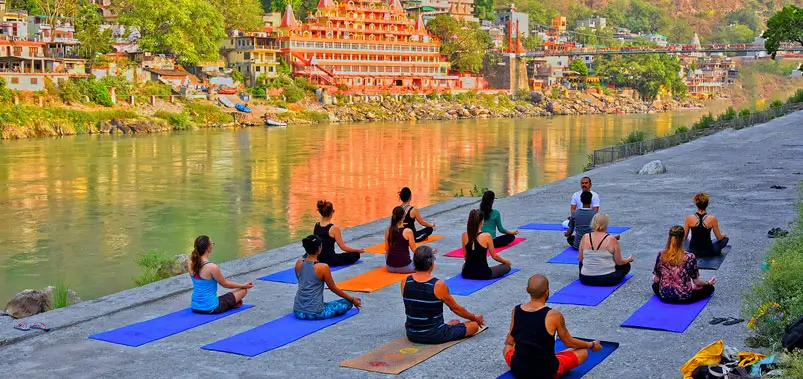
A private morning yoga session at the hotel can work particularly well on days without early sightseeing. Beginners should tell the instructor about their experience level, injuries and mobility limitations. A luxury holiday is not the place to feel pressured into difficult postures for photographs.
Meditation sessions can also provide a quiet counterpoint to India's energetic cities. Even twenty or thirty minutes in a calm hotel environment can create a noticeable change in the day's pace.
Spa appointments should be booked strategically. Immediately after a heavy lunch is rarely ideal. Scheduling a long treatment just before a formal dinner can also create unnecessary rushing. Late afternoon often works well after morning sightseeing and a relaxed lunch.
Pricing varies enormously by hotel, treatment and duration. At luxury properties in major Indian cities, premium spa treatments can run from several thousand rupees to well above ₹10,000 per treatment, with flagship palace or resort spas potentially charging substantially more. Specialist multi day programmes can cost far more because accommodation, consultations, meals and several therapies may be bundled together.
International travellers should therefore compare more than the treatment name.
A £30 massage in an independent city spa and a £150 plus equivalent inside a leading luxury resort are not necessarily comparable products. Facilities, therapist training, privacy, service, setting and treatment duration all influence the price.
The same applies to yoga. Some luxury hotels may include scheduled group wellness activities for resident guests, while private sessions may carry an additional fee. Exact inclusions should be confirmed with the property.
A private Ayurveda and yoga tour in India should make these details transparent before the guest travels. Treatment names, approximate duration, whether consultation is included, and whether services are prepaid or payable directly should all be clear.
Guests should also be cautious about extravagant promises. Wellness tourism should not depend on claims that a short holiday treatment will cure serious illnesses, reverse ageing or replace evidence based medical care.
A credible premium itinerary can be luxurious without making medical promises.
Combine cultural exploration with luxury rejuvenation. Get expert guidance on the finest wellness resorts, authentic Ayurvedic treatments, and bespoke itineraries for an unforgettable journey to India.
For travellers who want Ayurveda or wellness to become a substantial part of the holiday, Delhi, Agra and Jaipur can serve as the cultural portion of a longer journey.
The retreat portion can then take place somewhere better suited to sustained wellness.
Rishikesh is one possibility for travellers interested in yoga and the spiritual traditions associated with the Ganges. The destination has everything from simple yoga establishments to premium wellness resorts in the wider region. It can create a strong contrast with Delhi and Rajasthan.
The journey should still be selected carefully. Travellers expecting silent seclusion should understand that Rishikesh itself is an active pilgrimage and tourism centre. The atmosphere depends heavily on where the property is located.
Uttarakhand also contains high end destination wellness resorts designed around longer stays. These can work well after the Golden Triangle because guests complete the busier sightseeing first and finish with several days devoted primarily to rest and wellness.
Kerala provides another major direction for an Ayurveda luxury holiday in India.
It requires a domestic flight from North India and therefore makes more sense on a longer itinerary, but it offers a completely different landscape, climate, cuisine and wellness tradition. Travellers interested in a more substantial Ayurveda component may prefer several nights at an established specialist resort rather than booking isolated treatments in each Golden Triangle city.
A two week trip, for example, could allocate the first part to Delhi, Agra and Jaipur and the final part to a southern wellness stay. This structure avoids trying to combine intensive sightseeing and intensive treatment at the same time.
The number of retreat nights matters.
One or two nights can provide a pleasant spa break, but it should not be described as an extensive Ayurveda programme. Guests considering structured programmes may find that specialist properties recommend longer minimum stays depending on the programme.
Luxury travellers should also ask what a retreat stay actually includes.
Is there an initial consultation? Are treatments daily? Are meals prescribed or simply health oriented? Are yoga and meditation included? Is alcohol available? Are excursions encouraged or is the programme designed around remaining on the property? Are certain treatments optional?
The answers determine whether the resort suits the traveller.
Some guests want discipline and structure. Others want a beautiful hotel where they can have a massage, eat well and order a glass of wine with dinner. Neither preference is wrong, but they are different holidays.
US and UK guests should also consider the return journey. Finishing an India holiday with a restorative resort stay can be attractive because the final days are quieter before the long flight home. Where possible, the final routing should avoid creating an exhausting chain of road transfers and connecting flights immediately after the wellness stay.
Luxury is lost quickly when the last 24 hours of the holiday involve unnecessary logistical stress.
A high quality luxury wellness tour in India should begin with good logistics.
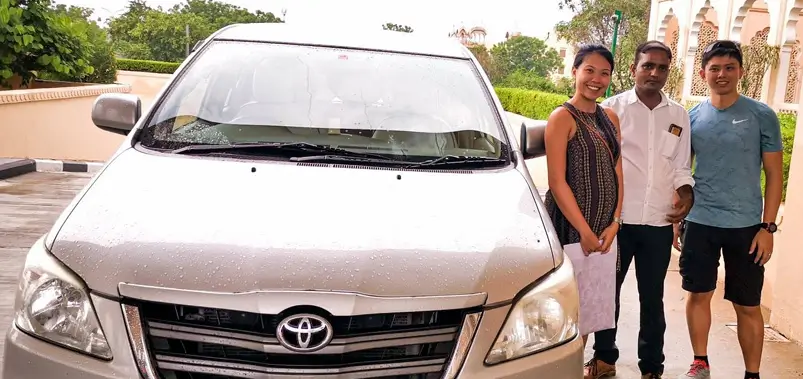
Private airport transfers, a comfortable chauffeur driven vehicle on the Golden Triangle, carefully chosen hotels and knowledgeable local guides form the foundation. Wellness cannot compensate for poor transport, rushed sightseeing or badly located accommodation.
The daily programme should contain visible free time. If every empty space is filled with yoga, meditation, spa treatments and cultural activities, the traveller has simply exchanged one packed itinerary for another.
Hotels should be chosen partly for how they will be used. If a guest is paying for a beautiful resort in Jaipur but arrives at 8:00 p.m. and leaves at 7:00 a.m. each day, much of the value of that property has been wasted.
A premium itinerary should create time to enjoy the room, garden, pool, spa and restaurants.
Meal arrangements should also remain flexible. Some guests may want wellness focused menus, while others want to enjoy India's regional cuisine. Dietary restrictions should be communicated clearly, but food should remain pleasurable.
Private sightseeing helps protect the wellness rhythm because there is no group waiting when a traveller wants to return to the hotel.
This is especially valuable for couples. One person may want a 90 minute spa treatment while the other wants to visit a museum or shop for textiles. Private arrangements allow the day to divide naturally without forcing both travellers into the same activity.
Golden Triangle Tours can structure this style of private journey around Delhi, Agra and Jaipur while incorporating luxury hotels, private chauffeurs, personal guides, spa time and additional wellness destinations according to the guest's preferences.
The important distinction is that wellness should improve the holiday rather than dominate it unnecessarily.
For many travellers, the most luxurious Golden Triangle itinerary is not the one with the greatest number of treatments. It is the one where the Taj Mahal can be appreciated without rushing, Jaipur has enough time for an afternoon by the pool, dinner does not follow an exhausting twelve hour sightseeing day, and the traveller returns home feeling that India gave them energy rather than taking it away.
We promise you a holiday where everything is taken care of from the moment you land. Trusted drivers waiting for you, handpicked hotels that fit your style, personalized itineraries designed just for your family, and a dedicated team on call 24/7. All you need to do is relax, explore, and create unforgettable memories, while we take care of every detail behind the scenes.
Yes. Ayurveda treatments on a Golden Triangle tour can be incorporated through selected luxury hotel spas or specialist wellness providers. Travellers wanting a more intensive programme may prefer adding a dedicated retreat after Delhi, Agra and Jaipur.
Around eight to ten nights allows a more comfortable pace for Delhi, Agra and Jaipur. Guests adding a dedicated wellness retreat should allow additional nights rather than compressing the cultural sightseeing.
Offerings vary. Some are leisure-oriented spa therapies, while specialist centres may provide programmes under their traditional healthcare framework. Travellers seeking treatment for a medical condition should consult appropriately qualified healthcare professionals and should not rely on tourism marketing as medical advice.
Prices vary widely. Premium hotel spa treatments can cost several thousand rupees and may exceed ₹10,000 depending on the property, treatment and duration. Specialist residential programmes can cost substantially more because accommodation, meals, consultations and multiple therapies may be included.
Yes. Many premium hotels and specialist wellness properties can arrange private yoga sessions in India, subject to availability. Guests should tell the instructor about injuries, mobility limitations and their level of yoga experience.
Yes. Jaipur can work particularly well because several luxury properties provide resort-style environments, spas, gardens and wellness facilities. Staying three or more nights gives guests time to combine sightseeing with genuine downtime.
Only if the early start suits you. Sunrise can be beautiful, but a wellness-focused holiday does not require waking before dawn simply because it is popular. A later visit may suit travellers prioritising sleep and a slower morning.
Yes. A Golden Triangle and Rishikesh wellness tour can combine North India's major heritage cities with yoga and spiritual experiences around Rishikesh. Travel time and hotel location should be considered carefully.
They serve different purposes. Hotel treatments in Delhi and Jaipur can add relaxation to a sightseeing holiday, while a specialist Kerala stay may suit travellers seeking a more substantial Ayurveda-focused portion of the trip.
Yes. Golden Triangle Tours can arrange a private itinerary combining Delhi, Agra and Jaipur with premium accommodation, chauffeur-driven transport, personal guides and time for selected wellness activities. Dedicated retreat extensions can also be incorporated according to the traveller's preferred pace and interests.