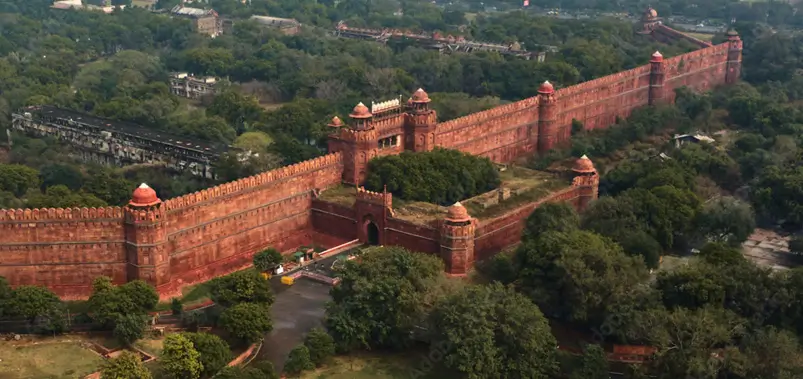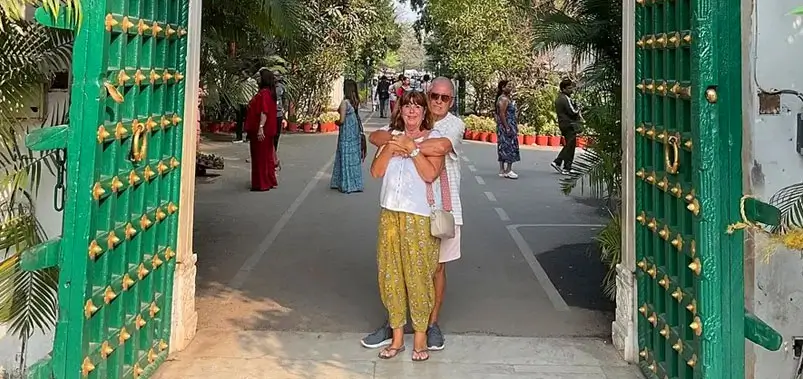
India can be remarkably rewarding after 60, particularly for travellers who no longer measure a holiday by how many places they can fit into a week. At this stage of life, many travellers have already taken fast paced holidays, joined escorted groups and spent mornings packing suitcases for yet another hotel. What often becomes more valuable is time: time to appreciate a palace rather than photograph it quickly, time to enjoy breakfast without watching the clock, and time to return to a comfortable hotel when the afternoon becomes tiring.
A luxury India tour for over-60s should therefore be built differently from a conventional sightseeing circuit. Comfort should influence the number of cities, hotel selection, vehicle, sightseeing hours, restaurant choices and even which entrance is used at a monument. The itinerary should recognise that an energetic 65-year old and an 82-year old with limited mobility may require completely different arrangements.
Private travel is especially suitable for this style of journey. A dedicated chauffeur, personal guides and carefully selected luxury hotels allow each day to respond to the traveller rather than forcing the traveller to keep up with a fixed schedule.
For guests visiting Delhi, Agra and Jaipur, the Golden Triangle remains one of the most practical introductions to India. The distances are manageable, the historical importance is exceptional and the range of high quality hotels is strong. Yet the familiar route becomes significantly more enjoyable when it is slowed down.
A common mistake when arranging an India tour for senior travellers is to reduce the number of days while keeping almost the same number of attractions. The result is not a slower holiday. It is simply a normal itinerary completed by travellers who may need more rest.
A better approach begins with the rhythm of the day.
An over-60 traveller does not necessarily require less sightseeing. Many active travellers in their sixties and seventies comfortably walk for several hours. What they often appreciate is control over when that activity happens. A private itinerary can schedule major monuments during comfortable parts of the day, include a proper lunch break and leave enough time between sightseeing and dinner.
Delhi is a good example. Trying to cover Old Delhi and New Delhi comprehensively in a single day can involve traffic, walking, security queues, several vehicle entries and exits, and a considerable amount of stimulation. Dividing the capital across two sightseeing days produces a completely different experience.
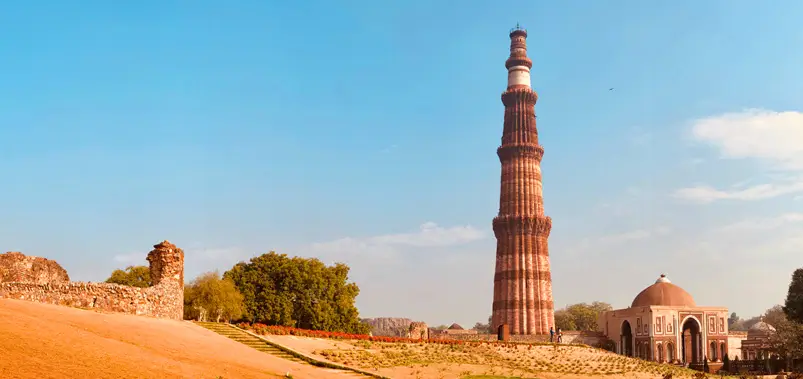
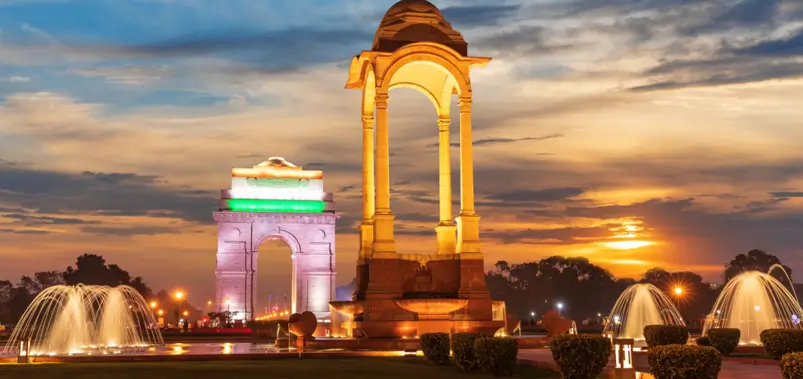
One morning can focus on Old Delhi. Jama Masjid, Chandni Chowk and selected heritage areas can be visited with a private guide who adjusts the route according to mobility. A cycle rickshaw ride can reduce walking in certain sections while adding character to the visit. Another day can include Humayun's Tomb, India Gate, Qutub Minar or Gurudwara Bangla Sahib according to personal interests.
There is no requirement to visit every major monument simply because it appears on a standard itinerary.
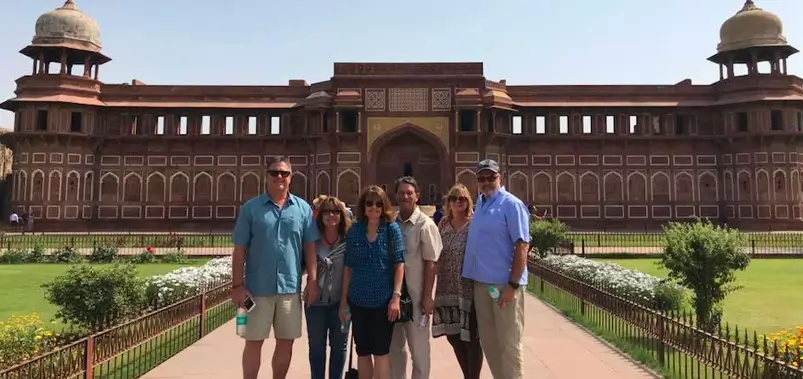
That principle becomes particularly important at large historical complexes. Qutub Minar, Humayun's Tomb, Amber Fort, Agra Fort and Fatehpur Sikri all involve varying degrees of walking. Heat, steps, uneven surfaces and crowds can increase the effort considerably. A private India tour with personal guide allows the guide to prioritise the strongest parts of a site instead of insisting on a complete circuit.
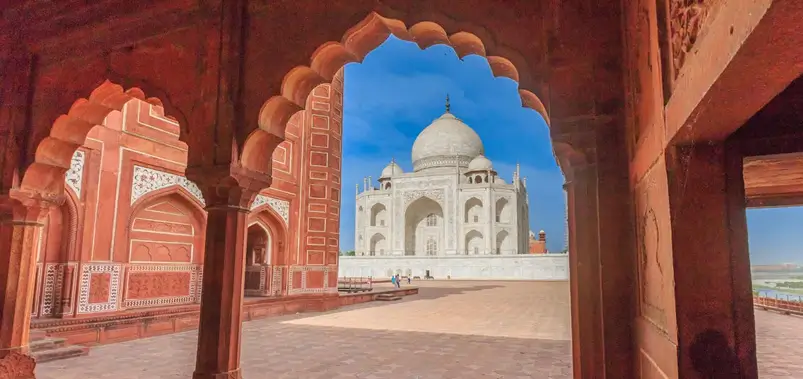
Agra should also be given breathing room. The Taj Mahal is the reason many international visitors have dreamed about India for decades. It makes little sense to arrive after a road journey, rush through the monument and immediately leave for Jaipur.
Staying overnight gives the Taj Mahal its proper place in the journey. The monument is normally open from sunrise to sunset and is generally closed to visitors on Fridays. Exact opening arrangements and ticket rules should always be checked for the travel date because official procedures can change.
Travellers considering sunrise should think about comfort as well as photography. Sunrise visits mean getting up very early, travelling to the entrance, passing security and walking through the complex before breakfast. During certain seasons this can be pleasant; for travellers who sleep poorly after travel, a later morning can be more enjoyable.
The road journey from Agra to Jaipur commonly takes several hours depending on traffic, road conditions and stops. Fatehpur Sikri is often included along the way, but it adds sightseeing and walking to what is already a transfer day. Active guests may enjoy it enormously. Travellers who tire easily may prefer a direct journey and an afternoon at their Jaipur hotel.
That decision represents the essence of slow luxury travel in India: an attraction is not compulsory merely because there is technically enough time to include it.
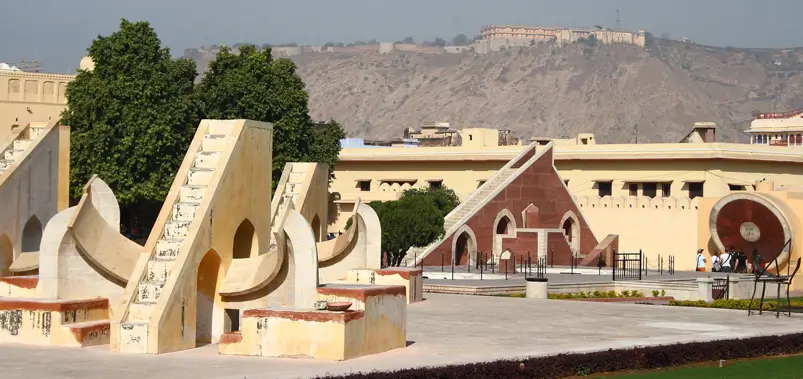
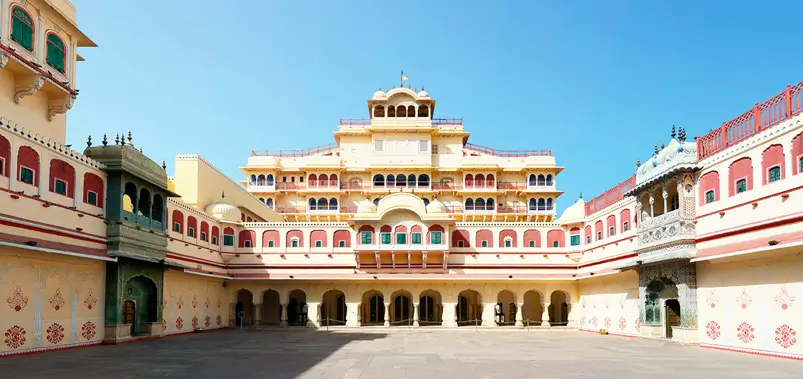
Jaipur rewards this philosophy. Instead of Amber Fort, City Palace, Jantar Mantar, Hawa Mahal, shopping and dinner all being packed into one long day, three nights in Jaipur allow the city to unfold gradually. Amber Fort can have its own morning. City Palace and the historic centre can occupy another. An afternoon can remain free for spa treatments, reading beside the pool or simply enjoying the hotel.
The traveller sees slightly less each day but often remembers considerably more.
For mature travellers, luxury is often less about decoration and more about removing friction.
A beautiful heritage hotel with dozens of stairs may be less suitable for a guest with knee problems than a contemporary luxury property with straightforward lift access. Conversely, an active traveller may happily accept a few additional steps in exchange for staying inside an extraordinary restored palace.
This is why luxury hotels for senior travellers in India should be selected individually rather than simply choosing the highest room rate.
Room position deserves attention. A room near the lift can save hundreds of metres of walking over a multi night stay. A walk-in shower may be more useful than an elaborate bathtub. Good lighting, supportive bedding, effective climate control and enough space around the bed can have a real effect on comfort.
Families or couples should communicate such preferences before arrival. Hotels can often respond much more effectively when requirements are known in advance.
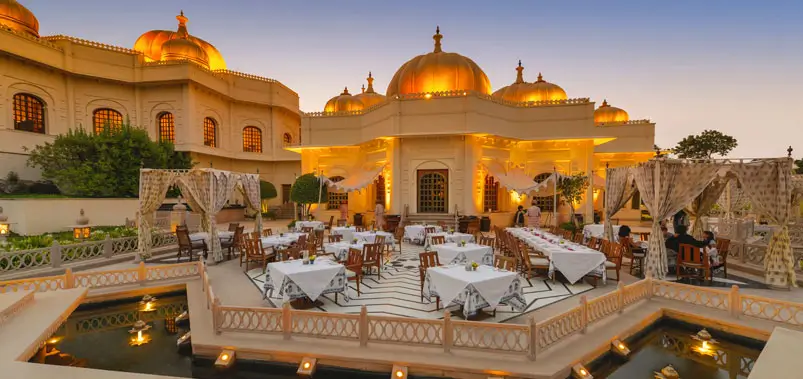
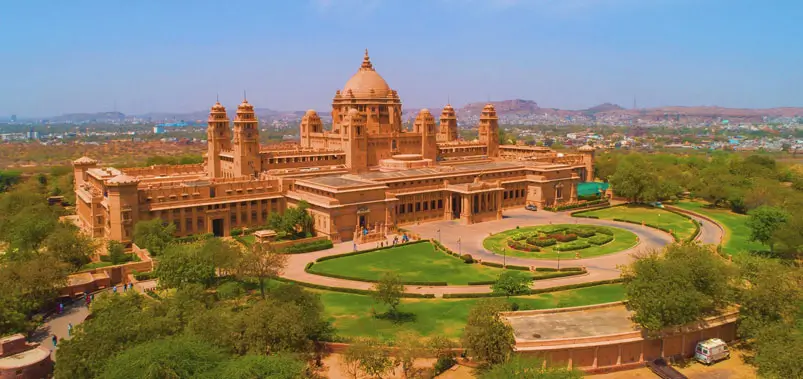
For travellers seeking high end accommodation on the Golden Triangle, Delhi offers established luxury hotels across several styles. Agra includes properties with views towards the Taj Mahal, including The Oberoi Amarvilas at the highest end of the market. Jaipur provides everything from grand palace hotels such as Rambagh Palace to resort style luxury at The Oberoi Rajvilas and other premium properties.
The important point is not simply to select famous hotels. It is to match the property to the guest.
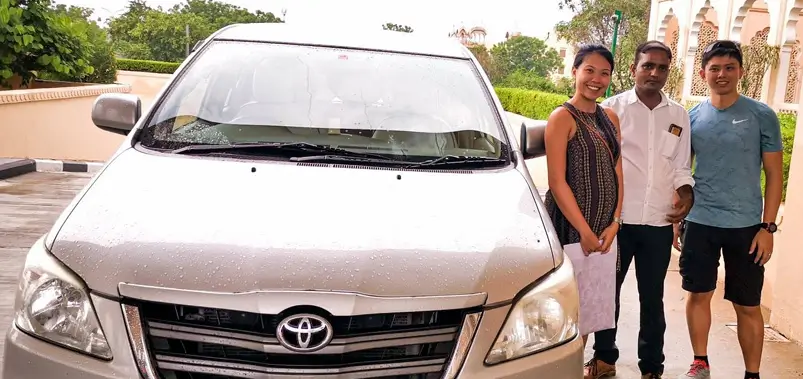
A private chauffeur driven India tour is equally valuable. Delhi, Agra and Jaipur involve road transfers as well as repeated journeys between hotels, monuments and restaurants. Having the same comfortable private vehicle available removes the uncertainty of arranging transport repeatedly.
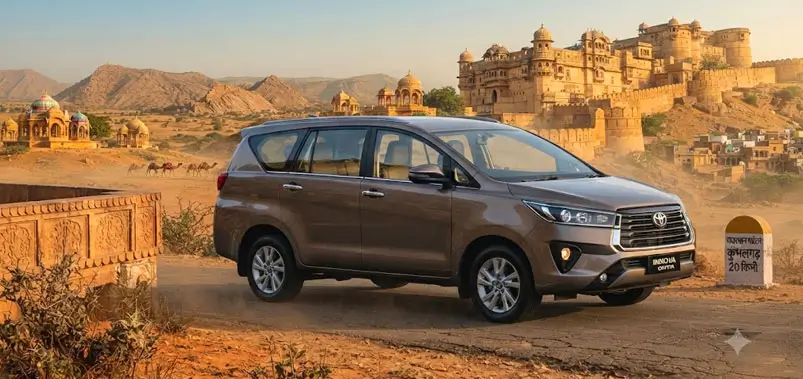
Vehicle choice should account for entry and exit ease. A very low luxury sedan may actually be less comfortable for someone with knee or hip stiffness than a premium vehicle with a higher seating position. Families should mention mobility concerns when selecting transportation rather than assuming that the most prestigious badge automatically means the greatest comfort.
Space is another consideration. Two guests travelling with large international suitcases may be comfortable in a premium sedan, but additional passengers and luggage can quickly make a larger vehicle preferable.
The chauffeur should understand that mature luxury travellers may need spontaneous stops, a different departure time or an early return to the hotel. Good service means responding calmly when the schedule changes.
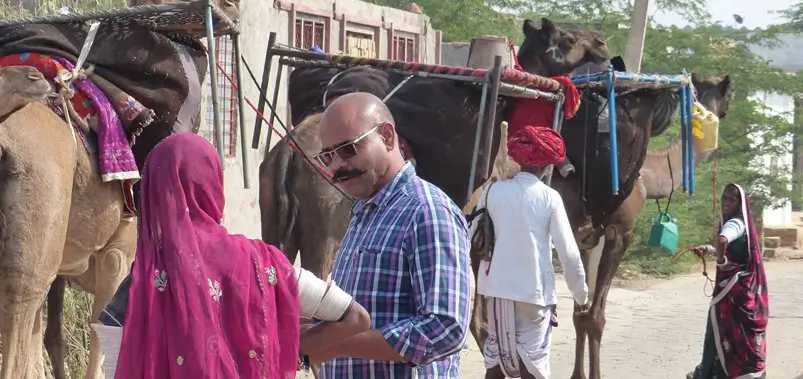
Private guides have an equally important role. An experienced guide should recognise when detailed historical commentary is welcome and when guests need to sit down. The guide should know practical matters such as the easiest access routes, where walking can be reduced, where shade or seating may be found and how busy a monument is likely to become.
For travellers with hearing difficulties, a private guide is considerably easier than trying to follow commentary in a large group. The pace and volume can be adjusted naturally, and questions can be answered without competing with twenty other travellers.
Meals also require thought. Rich hotel breakfasts, elaborate lunches and fine dining dinners every day can become exhausting. Mature travellers often appreciate a mixture: excellent regional food when it adds something meaningful, followed by a lighter dinner or familiar meal when desired.
A bespoke luxury India holiday for seniors should be comfortable enough that guests never feel they have to perform luxury. They should be able to eat simply, rest early or cancel an activity without feeling that they have wasted the day.
Age alone does not determine someone's ability to travel. A fit 72-year old may be more active than a sedentary traveller of 45. The useful approach is to discuss actual mobility, stamina and personal preferences rather than making assumptions based on a passport date.
India's climate can nevertheless have a significant effect on mature travellers. Heat can make even modest walking tiring, particularly around open courtyards, forts and large monument complexes. During warmer periods, sightseeing should be concentrated into cooler hours wherever practical.
Hydration is important, but visitors should generally rely on properly sealed bottled water or appropriately treated water rather than drinking untreated tap water. A quality private vehicle should carry drinking water, although travellers with specific requirements may prefer their own preferred brand or reusable arrangement supplied by the hotel.
Medication deserves advance attention. Travellers should bring an adequate supply of prescribed medicines for the journey and keep essential medication in hand luggage during international and domestic flights. Medication should remain in appropriate packaging, and travellers should carry relevant prescriptions or medical documentation where necessary.
Travel insurance is particularly important for an over-60 luxury India holiday. Policies differ considerably in age limits, pre-existing condition provisions, cancellation protection and medical coverage. Travellers should read the actual policy terms rather than assuming that an expensive policy automatically provides comprehensive protection.
Mobility should be discussed honestly before the itinerary is confirmed.
The Taj Mahal complex, for example, cannot be experienced entirely from the door of a private car. There are security procedures and walking within the monument area. Jaipur's forts and palaces can include steps and uneven surfaces. Old Delhi is busy and can involve narrow streets. Varanasi, if added, introduces ghats, stairs, congested lanes and areas where vehicle access is restricted.
These destinations are not automatically unsuitable for older travellers. They simply require realistic expectations.
A walking stick or other mobility aid should not be treated as an inconvenience. If a traveller benefits from one at home, India is not the place to avoid using it for appearance's sake. Families requiring wheelchairs or more extensive mobility assistance should discuss accessibility at individual attractions and hotels before confirming the journey because accessibility standards vary.
Restroom access is another practical issue that luxury itineraries sometimes overlook. High quality hotels provide excellent facilities, but road journeys and sightseeing days need sensible stops. An experienced chauffeur and guide can make a substantial difference by knowing reliable locations rather than leaving this to chance.
Air quality may also matter for travellers with respiratory sensitivity. Conditions vary by city, season and day. Guests with existing respiratory or cardiac conditions should obtain advice from their own healthcare professional before travelling and should structure their trip according to that advice.
Travel days should not automatically become sightseeing days. After a long drive, checking into a luxury hotel and having the remainder of the afternoon free may be far more valuable than another attraction.
Similarly, domestic flights can save road time when extending the journey beyond the Golden Triangle, but airports introduce check-in procedures, security, waiting and baggage handling. Flying is not always less tiring than driving. The choice should depend on the route.
This practical attention is what turns senior friendly travel in India from a marketing phrase into an itinerary that actually works.
Travellers with ten days can enjoy a comfortable Golden Triangle. Those with two or three weeks have a much more interesting choice: they can add more destinations or make the existing journey deeper.
The temptation is always to add cities.
For mature travellers seeking richer experiences, adding only one or two carefully chosen regions can be more rewarding.
Udaipur is particularly attractive after Jaipur. The city's lakes, palace architecture and luxury hotels create a different atmosphere from Delhi and Agra. Travellers can spend time around Lake Pichola, visit City Palace, enjoy a boat ride when operating conditions permit and still have substantial downtime.
A high-quality hotel in Udaipur can justify staying three nights rather than two. The additional day does not need a sightseeing checklist. It can simply provide time for a spa treatment, leisurely lunch or an afternoon overlooking the lake.
Ranthambore appeals to wildlife enthusiasts, but a safari extension should be considered carefully. Safari drives involve early starts, variable temperatures and several hours in an open vehicle on uneven tracks. For an active traveller, this may be one of the highlights of India. For someone with back problems, the physical reality needs to be considered before booking.
Varanasi offers extraordinary cultural and spiritual depth, but it is not effortless. The old city contains narrow lanes, crowds, steps and limited vehicle access. A private luxury India itinerary for older travellers can include Varanasi successfully when the hotel, guide and daily schedule are selected with care.
Amritsar can be another meaningful extension. The Golden Temple is deeply moving for many visitors, and the city offers a very different cultural experience from Rajasthan. Travellers who wish to attend the Wagah border ceremony should be prepared for crowds, security procedures and waiting, so it should be included because they genuinely want the experience rather than because it appears on a standard itinerary.
Kerala is suitable for travellers wanting a softer contrast to North India. Rather than continuing through a long series of forts and palaces, a southern extension can introduce coastal scenery, backwaters, different cuisine and resort time. Because the distance from North India is considerable, flights are normally part of such a combination.
The length of the overall holiday matters. A 14-night itinerary does not need eight hotels. Repeated packing, checking out, driving or flying, checking in and unpacking can consume an astonishing amount of energy.
A mature traveller with two weeks might enjoy four well chosen bases far more than seven.
The same principle applies inside each city. It is perfectly acceptable to spend an afternoon at the hotel. Luxury properties are selected partly because they are pleasant places to be. Guests paying for a beautiful palace hotel should have enough time to enjoy it.
A deeper journey is not created simply by increasing the hotel category.
Many over-60 travellers have accumulated decades of historical, cultural and professional interests. They often ask more detailed questions and appreciate context. Private guiding can turn that curiosity into one of the strongest aspects of the journey.
Instead of moving rapidly through Jaipur's City Palace, guests interested in royal history can spend longer discussing the former princely state and its collections. Travellers fascinated by architecture can focus on Mughal design in Delhi and Agra before comparing it with Rajput architecture in Jaipur.
Food lovers may prefer a carefully selected culinary experience to another monument. Textile enthusiasts can spend time with block printing, carpets or traditional crafts. Guests interested in jewellery can learn about Jaipur's gemstone industry in a reputable setting without turning the visit into a pressured shopping stop.
Such experiences need to remain genuine. Mature luxury travellers are often particularly sensitive to situations where sightseeing becomes a disguised sales exercise. A private itinerary should distinguish clearly between cultural visits and commercial shopping.
Privacy also becomes valuable. Travelling privately means guests do not have to share every meal, vehicle journey and sightseeing decision with strangers. Couples can change their minds. Friends can spend an afternoon separately. One traveller can remain at the hotel while another visits a museum.
That freedom is a major component of luxury travel in India for over-60s.
Golden Triangle Tours can arrange private chauffeur driven journeys, premium accommodation and personal guiding around the traveller's preferred pace. The itinerary can include the celebrated monuments of Delhi, Agra and Jaipur without treating them as items that must be completed against a clock.
For many travellers over 60, the most memorable India journey is not the one containing the greatest number of destinations. It is the one where there was enough time to sit in a palace courtyard, speak with a knowledgeable guide, return to a favourite restaurant, watch the light change over the Taj Mahal and wake the next morning without another suitcase waiting to be packed.
We promise you a holiday where everything is taken care of from the moment you land. Trusted drivers waiting for you, handpicked hotels that fit your style, personalized itineraries designed just for your family, and a dedicated team on call 24/7. All you need to do is relax, explore, and create unforgettable memories, while we take care of every detail behind the scenes.
Yes. Golden Triangle Tours can arrange a private journey with premium hotels, chauffeur-driven transportation and personal guides while keeping sightseeing days more flexible. Additional rest time, longer hotel stays and fewer changes of city can be incorporated according to the travellers' preferred pace.
Travellers should look carefully at medical coverage, cancellation terms, age restrictions and provisions concerning pre-existing conditions. The appropriate policy depends on individual circumstances and should be reviewed before significant non-refundable payments are made.
It can be extremely rewarding, particularly for travellers interested in India's spiritual traditions. Narrow lanes, steps, crowds and restricted vehicle access mean that careful arrangements and realistic mobility expectations are essential.
It depends on physical comfort and interest in wildlife. Safari drives can be long and bumpy, with early departures. Travellers with back or mobility concerns should consider these conditions before adding a safari.
The visit involves walking and security procedures, but many older travellers visit comfortably. Guests with mobility limitations should discuss their needs in advance and allow more time rather than rushing through the complex.
Yes. Private itineraries allow departure times to be adjusted. Certain monuments are more comfortable earlier because of heat or crowds, but there is no reason every day must begin at dawn.
A private chauffeur in India can substantially improve comfort by reducing waiting, allowing spontaneous rest stops and keeping transportation available throughout sightseeing days. The vehicle should be selected according to passenger mobility and luggage as well as group size.
Many are, but facilities differ between properties. Lift access, stairs, room location, bathroom layout and distances within large resorts should be checked individually before booking.
Around eight to ten nights provides a much more relaxed experience than attempting Delhi, Agra and Jaipur in only a few days. Additional destinations should generally come with additional nights rather than being compressed into the same schedule.
Yes. India can suit travellers in their sixties, seventies and beyond when the itinerary reflects their actual mobility, stamina and preferences. Private India tours for seniors are particularly useful because sightseeing and rest periods can remain flexible.