The question we hear most often from guests in the months before they arrive is not about hotels or weather. It is "Which jabs do I need?" Close behind come "Do I need malaria tablets for Agra?" and "Can I bring my sleeping pills?" These are fair questions. India is a big country with very different health risks between a five-star hotel in Delhi, a village in Rajasthan and a tea estate in Assam, and the advice you read online is often written for backpackers spending six months in rural areas.
This guide focuses on a typical private tour of Delhi, Agra and Jaipur, sometimes with a few days in Ranthambore, Udaipur or Varanasi. It sums up what the US Centers for Disease Control and Prevention (CDC) and UK travel health services say, explains how to prepare, and lists what to pack. It is general information, not medical advice. Vaccines and medicines depend on your age, health, past jabs and exact itinerary, so please book a consultation with your doctor or a travel clinic and follow what they recommend for you.
The first step is a travel clinic appointment about six to eight weeks before you fly. That timing matters because some vaccines need more than one dose, and your body needs a couple of weeks after the final dose to build protection. Even if you are leaving in ten days, still go: a late appointment is much better than none, and some vaccines can be given on an accelerated schedule.
Both the CDC and the UK's NHS based services start with routine vaccines. Make sure you are up to date with tetanus, diphtheria and polio, and with measles, mumps and rubella. CDC notes that measles and diphtheria are more common in India than in North America or Western Europe. The CDC also lists an optional one-time adult polio booster for travellers who have not had one before. Most adults born in the UK, Ireland, Australia or Canada had a full childhood course, but boosters lapse quietly, so bring your vaccination record if you have one.
For most visitors on a Golden Triangle tour, the main India travel vaccinations are hepatitis A and typhoid. The hepatitis A vaccine for India is advised for almost all travellers, because the virus spreads through food and water, and even careful eaters in good hotels can be exposed through a salad or a glass of juice. A typhoid vaccine is also commonly recommended, especially if you will eat outside hotels, visit friends and family, or travel for longer. Typhoid vaccines do not give full protection, so food and water care still matters.
Hepatitis B is often suggested for longer stays, for people who may need medical or dental treatment, and for anyone who might have a tattoo, a shave at a barber or sexual contact with a new partner. It needs a course of injections, which is another reason to book early.
Rabies is the one people tend to underestimate. India has a large population of street dogs, and monkeys gather at many tourist sites, including the Monkey Temple at Galta near Jaipur and parts of Amber Fort. A rabies vaccine for India before you travel does not remove the need for treatment after a bite, but it simplifies it a great deal and means you are less likely to need rabies immunoglobulin, which can be in short supply outside big cities. Your clinic will weigh up the length of your trip, how remote you will be and if any children are travelling, who are more likely to stroke a friendly-looking dog.
Japanese encephalitis is listed by the CDC as a vaccine to consider based on itinerary. The risk is mainly in rural farming areas with rice fields and pigs, especially during and after the monsoon, and for long stays. Most travellers on a short city-based Golden Triangle tour do not need it, but ask if you are staying a month or more in rural Uttar Pradesh or eastern India.
Yellow fever does not exist in India, but there is an entry rule. If you arrive within six days of leaving a country with yellow fever risk, such as parts of Africa or South America, you must show a yellow fever certificate. Travellers coming straight from Europe, North America or Australia do not need it.
Prepare for your India adventure with thoughtful health planning. Organise essential medicines, review vaccination advice and pack your travel health kit before discovering India's iconic destinations with confidence and peace.
This is where official advice differs between countries, so it helps to know why. The CDC lists malaria transmission throughout India, including New Delhi, and names several preventive medicines a doctor may prescribe. UK guidance from the NHS based services takes a more area-by-area view: risk is highest in some north-eastern states, Chhattisgarh, Odisha and the city of Mangalore, while most other areas, which include Delhi, Agra and Jaipur, are rated low to no risk, where tablets are usually not advised and bite avoidance is the main protection. That is why a London clinic and a Boston clinic may give a couple on the same tour different answers about malaria risk in Delhi. Neither is wrong. Discuss your route with your clinic and follow their advice; it may change if you add a wildlife park or a stay in a forested area.
Dengue is the mosquito-borne illness that worries local doctors more in the cities. The mosquito that carries it bites in the daytime, often around ankles in shaded gardens, hotel lawns and restaurants. The dengue season in India in the north usually builds through the monsoon and peaks from about August to November, when Delhi hospitals see many cases. There is no routine dengue vaccine for first-time visitors, so prevention is all about avoiding bites. If you develop a high fever, severe headache, pain behind the eyes or body aches during or after your trip, see a doctor and mention where you have been. Avoid anti-inflammatory painkillers such as ibuprofen or aspirin until dengue has been ruled out, and let a doctor guide what you take.
Simple habits work well:
Repellents based on picaridin or lemon eucalyptus oil are alternatives for people who dislike DEET. Pregnant travellers and parents of small children should ask the clinic which product and strength is right for them. Indian pharmacies sell local repellent creams such as Odomos, which are handy for top-ups but are usually weaker than a strong DEET product from home.
Chikungunya, another day-biting mosquito virus, appears in some years in north India and causes painful joints for weeks. Again, avoiding bites is the main defence, and the same advice applies.
From November to March, the busiest touring months, mosquito numbers in Delhi, Agra and Jaipur drop noticeably as nights get cool. That does not make repellent pointless, especially on warm afternoons in Agra, but it does mean most winter visitors see far fewer mosquitoes than they expect.
Traveller's diarrhoea is the illness most visitors actually get. It is usually mild, lasts a day or two, and is caused by bacteria the body is not used to rather than by anything dangerous. You cannot remove the risk, but you can cut it a lot with a few sensible habits, and most of our guests who follow them stay well for the whole trip.
Start with safe drinking water in India. Drink sealed bottled water or water from a hotel's filtered supply, and check the seal is intact when you buy a bottle from a roadside stall. Good hotels provide filtered water in glass bottles in the room, and most premium hotels and restaurants use filtered water for ice. Brush your teeth with bottled or filtered water. In smaller places, skip the ice.
With food, the rule of thumb is: hot, freshly cooked, and busy. Food served steaming hot from a busy kitchen is usually safe, while buffets that have sat for hours, cut fruit on a street cart and salads washed in tap water are riskier. Fruit you peel yourself, such as bananas, oranges and pomegranates, is fine. Yoghurt, sweet milky tea and freshly made flatbreads are a pleasure and usually safe in good restaurants. Many travellers relax after a few days and grab a plate from a roadside cart in Old Delhi. If you want to try street food, go with a guide who knows which stalls are popular with locals and cook to order.
Hand hygiene matters more than people think. You will touch railings at forts, money, door handles and the hands of friendly children. Carry hand sanitiser and use it before every meal, and wash with soap when you can.
If you do get an upset stomach:
Some clinics prescribe a standby antibiotic for travellers on longer trips or with health conditions. Whether that suits you is a decision for your doctor, so ask during your appointment rather than buying something at random once you arrive. Anti-diarrhoea tablets can be useful for a long car ride, but they are not right for everyone and should not be used if you have a fever or blood in your stool.
Heat and dehydration cause trouble too, often confused with food poisoning. From April to June, Agra and Jaipur regularly pass 40°C. Even in February a day at Amber Fort and the City Palace means hours on foot in strong sun. Carry water, wear a hat, and use oral rehydration salts on very hot days.
A local tip: Indian pharmacies sell ready-made oral rehydration sachets and drinks, and the WHO formula brand Electral is in almost every chemist. Your driver can stop at one in minutes.
Your India adventure deserves careful preparation. Plan your health essentials, understand vaccination recommendations and organise a practical medical kit before experiencing remarkable destinations, heritage and hospitality across the country.
You can buy almost anything in India, but at ten at night in a heritage hotel outside Agra the nearest pharmacy may be a drive away. A small travel health kit for India saves that trip. Keep it in your hand luggage, not your suitcase, in case a bag goes missing.
Here is a practical list. Ask your pharmacist or doctor which products and strengths suit you, and do not take any medicine you have not used before without advice.
Your regular prescription medicines need extra care. Bring enough for the whole trip plus a week, in the original labelled packaging, split between two bags if you are travelling as a couple. Carry a copy of the prescription and a letter from your doctor listing each medicine by its generic name, the condition it treats and the duration of treatment. Generic names matter, because brand names differ between countries and an Indian pharmacist will recognise the generic name more easily.
If you use insulin or injectable medicines, ask the airline about carrying needles and a cool pack, and keep them with you in the cabin. Hotel staff are used to storing insulin in a fridge if you ask at check-in.
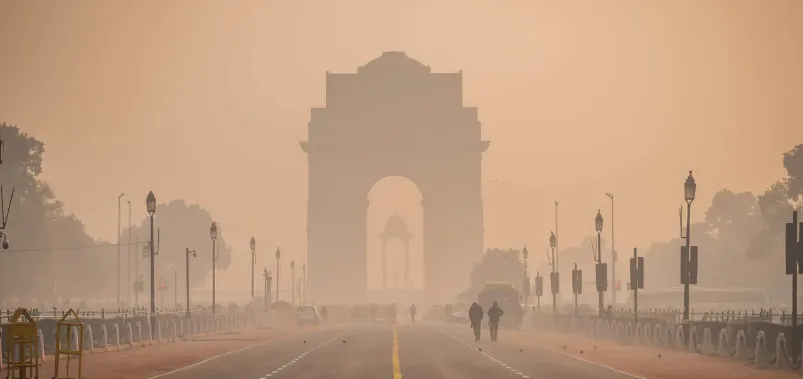
People with asthma should bring their inhalers and a spacer. Air quality in Delhi in November and December can be very poor, and the city's pollution index sometimes reaches levels that make healthy people cough. A well-fitting N95 mask is worth packing for those months.
Your driver and guide can help with small problems along the way: finding a pharmacy, getting a doctor to visit the hotel, or arranging a day of rest. If you are travelling on one of our Golden Triangle tours, tell us about any medical needs before you arrive so we can choose suitable hotels and pace the days sensibly.
Most everyday medicines can be carried for personal use with no fuss. The rules get stricter for medicines that India controls under its narcotic drugs and psychotropic substances law. That group can include strong painkillers, some sleeping tablets, some anxiety medicines and some ADHD stimulants. India's Central Bureau of Narcotics has issued guidelines for international travellers carrying such medicines: you may bring only the quantity needed for your prescribed treatment, and you must carry a valid prescription that names the medicine, the dose and the length of treatment, ready to show Indian Customs. Some substances are prohibited outright, and travellers who genuinely need them must apply in advance to the Narcotics Commissioner with their prescription and medical papers. If you take any controlled medicine, check with the nearest Indian embassy or consulate well before you travel. Carrying prescription medicines into India without the right paperwork can lead to them being confiscated, or worse.
The good news is that pharmacies in India are everywhere and very well stocked. Apollo Pharmacy is the largest chain, with branches in every city on the Golden Triangle route, many open late and some open around the clock, often attached to Apollo hospitals. MedPlus is another large chain. Home delivery apps such as Tata 1mg and PharmEasy deliver to hotels within hours in Delhi and Jaipur. Many medicines that need a prescription at home are sold over the counter in India, often at a fraction of the price. That sounds convenient, but it is not a reason to self-medicate. Speak to a doctor first, and check that any medicine you buy is sealed, in date and the same generic as you normally take.
Doctors are easy to reach. Most premium hotels have a doctor on call who will visit your room for a fee, often around INR 2,000 to 4,000 (USD 23 to 46), and prices can change. For anything more serious, large private hospitals such as Indraprastha Apollo and Max Saket in Delhi or Fortis Escorts and Eternal Hospital in Jaipur have emergency departments that see foreign patients daily.
Save these numbers in your phone before you land:
In practice, in a city like Delhi or Jaipur a taxi or your own car with a driver who knows the way is often faster than waiting for an ambulance for anything that is not life-threatening. For chest pain, severe breathing difficulty, a serious fall or a road accident, call 112 or 108 straight away and let your hotel or guide speak to the operator in the local language.
Finally, tell your insurer as early as you can if you are admitted to hospital. Many policies require it, and the assistance team can often arrange for the hospital to bill them directly.
We promise you a holiday where everything is taken care of from the moment you land. Trusted drivers waiting for you, handpicked hotels that fit your style, personalized itineraries designed just for your family, and a dedicated team on call 24/7. All you need to do is relax, explore, and create unforgettable memories, while we take care of every detail behind the scenes.
No vaccine is compulsory for most travellers arriving from Europe, North America or Australia. A yellow fever certificate is required only if you arrive within six days of leaving a country with yellow fever risk. Hepatitis A and typhoid are recommended rather than required.
Book an appointment about six to eight weeks before you fly, so multi-dose courses such as hepatitis B or rabies can be completed. If you are leaving sooner, still go, because some vaccines work quickly and accelerated schedules exist.
Advice differs by country. UK guidance rates these areas as low risk where tablets are usually not advised, while the CDC lists malaria throughout India, including New Delhi. Ask your clinic, give them your exact route, and follow their advice.
Dengue cases in Delhi and nearby states usually rise through the monsoon and peak from about August to November. The mosquito bites in the daytime, so use repellent throughout the day. See a doctor quickly if you develop a high fever.
It is not essential for everyone, but it is worth discussing, especially for children, longer trips and remote areas. India has many street dogs and monkeys at tourist sites. Vaccination before travel makes treatment after a bite simpler and quicker.
It is best not to. Drink sealed bottled water or filtered water supplied by your hotel, and use it for brushing teeth too. Premium hotels and restaurants normally use filtered water for ice.
Some of these are controlled under Indian narcotics law. Bring only the quantity you need, in original packaging, with a prescription naming the medicine, dose and duration. Check with the Indian embassy beforehand, as some substances need advance approval from the Narcotics Commissioner.
Yes, Apollo Pharmacy is India's largest pharmacy chain and has branches throughout Delhi, Agra and Jaipur, some open around the clock. Medicines are usually cheaper than at home. Still check the packaging is sealed and in date, and speak to a doctor before taking anything new.
Dial 112 for any emergency, or 108 for a free government ambulance in Rajasthan, Uttar Pradesh and most states. In Delhi the CATS ambulance service is 102. In a non-critical case, a car with a driver who knows the way is often quicker.
Rest, sip fluids often and use oral rehydration salts mixed with bottled water. Eat plain food once you feel able. See a doctor if you have a high fever, blood in your stool, severe pain or symptoms lasting more than two or three days.