Picture a familiar scene for allergy travellers in Delhi, Agra and Jaipur. You explain your nut allergy, a waiter smiles and says "no problem, madam", and a rich, creamy curry arrives that turns out to be thickened with ground cashews. The heat and the traffic are easy by comparison. The traveller who asks twice and checks the colour and texture of the sauce usually stays safe, but it is a moment worth preparing for. North Indian food is generous, layered and mostly cooked from scratch, which is good news for anyone with a restricted diet, yet it also means ingredients are rarely written down.
This guide is for travellers with coeliac disease, wheat intolerance, tree nut or peanut allergy, and for anyone eating vegan, dairy-free, keto or low-FODMAP. It is not a basic vegetarian guide. It covers exactly where wheat and nuts hide, which dishes are naturally safer, how big hotel kitchens handle allergies, what to carry, and what to tell your tour operator before you land.
The obvious sources of gluten in Indian food are the breads, and in Delhi, Agra and Jaipur bread arrives with almost every meal. Naan is made from refined wheat flour and often brushed with butter. Roti and paratha are made from whole wheat flour, and the flaky layered paratha is frequently stuffed with potato, cauliflower or radish. Puri is deep fried wheat dough, and kulcha is a soft leavened wheat bread popular in Delhi. If a basket of bread lands on the table, assume all of it contains wheat. A few restaurants offer breads made from millet or maize flour, but these are often mixed with some wheat flour to hold them together, so ask before you eat.
The less obvious sources cause most of the trouble. Semolina, made from durum wheat, is used in the crisp shells of the street snack served with spiced water, in breakfast porridges and in sweet puddings. Many fried snacks such as samosas use a wheat pastry. Pakoras are usually made with gram flour, which is chickpea and naturally free of gluten, but cooks sometimes add a spoon of wheat flour or semolina for extra crunch. Malt vinegar appears in some pickles and in Indo-Chinese dishes, which are hugely popular across North India and often contain soy sauce brewed with wheat.
The ingredient that catches out even experienced coeliac travel in India is asafoetida. Pure asafoetida resin is very strong, so the yellow powder sold in most Indian kitchens is a compounded version, commonly cut with wheat flour. It goes into lentils, chickpea curries and many vegetable dishes in small amounts. Gluten-free brands do exist, using rice flour instead, but a busy hotel or roadside kitchen will rarely have one on the shelf. Ask the chef to leave asafoetida out completely.
Thickening is the other quiet risk. Most North Indian gravies are thickened with onion, tomato, yoghurt or nut paste rather than flour, but some restaurant kitchens add a little wheat flour to a gravy to stretch it, and soups in hotel buffets are sometimes thickened with flour. Batters are another one to check: the coating on fried fish, the crust on some kebabs, and the binding in vegetable cutlets can all include wheat or bread crumbs.
Finally, think about shared oil. Even when a pakora is made only with gram flour, it may be fried in the same oil as samosas. If you have coeliac disease rather than a mild intolerance, treat anything from a shared fryer as unsafe. The good news is that once you remove bread, semolina, fried snacks and compounded asafoetida from the picture, a large part of the menu becomes much easier to manage, as the next section shows.
Enjoy your Golden Triangle journey with greater confidence. Plan gluten-free meals, communicate nut allergies and coordinate dietary requirements with hotels and restaurants before your unforgettable India holiday begins with expert assistance.
Finding gluten-free food in India is easier than many visitors expect, because rice and lentils sit at the centre of most meals. Plain steamed rice, cumin rice and saffron rice are safe in most kitchens. Biryani is rice cooked with spices and meat or vegetables, and is usually free of wheat, although some cooks seal the pot with a ring of wheat dough. That dough does not normally touch the rice, but people with coeliac disease may still prefer to ask whether it was used.
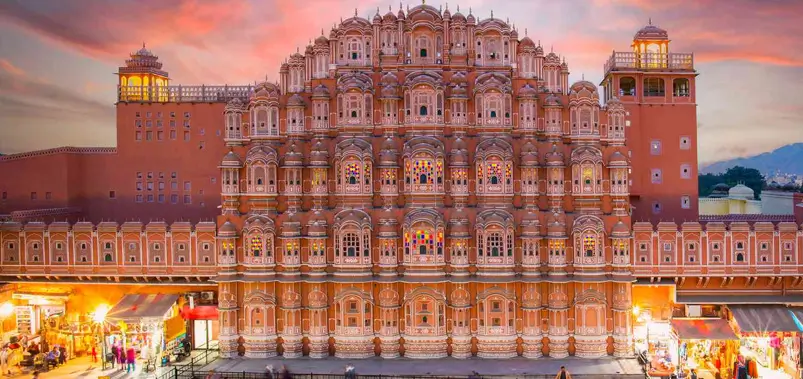
Dal, the everyday lentil dish, is a reliable choice once asafoetida is removed. Yellow lentils tempered with cumin, garlic and chilli appear on every menu from Connaught Place to the lanes near Jaipur's Hawa Mahal. The black lentil dish cooked overnight with butter and cream is also free of wheat, though it is rich in dairy. Chickpea curry, kidney bean curry and many dry vegetable dishes such as spiced potato and cauliflower, okra with onion, or spinach with fresh cheese are cooked with whole spices, onion, tomato and ginger, with no flour at all.
Tandoori dishes deserve a closer look. Chicken, fish, prawns and fresh cheese marinated in yoghurt and spices and roasted on skewers are generally free of wheat in the marinade itself. Some cooks add gram flour to help the marinade cling, which is fine for gluten, but the problem is the oven. Breads are slapped onto the walls of the same clay tandoor, and flour dust floats around the oven and onto skewers. If you are strict, ask for the meat to be grilled on a clean pan instead.
South Indian food is a gift for gluten-free travellers, and good South Indian restaurants exist in all three cities. Dosa is a thin crisp crepe made from fermented rice and lentil batter, and idli is a steamed cake from a similar batter. Both are usually free of wheat, though some quick versions add semolina, so ask whether the batter is made fresh with rice. In Delhi, Saravana Bhavan in Connaught Place is a long running choice, and most five star hotels in Delhi and Jaipur serve dosa at breakfast.
Rajasthan adds its own options. Millet has been grown in the dry state for centuries, and pearl millet flatbread is a traditional winter food in Jaipur. Pure millet bread is free of gluten, but as noted earlier, some cooks mix in wheat flour, so it only works if the kitchen confirms it. The famous Rajasthani lentil and dumpling dish uses wheat dumplings and should be skipped. Fresh fruit, roasted corn on the cob in winter, plain yoghurt, coconut water from a street cart and whole roasted peanuts (for those without nut allergy) are all useful snacks between monuments.
A nut allergy in India needs more care than gluten, simply because the reaction can be faster and more serious. The main issue is that North Indian restaurant cooking, especially the Mughal style food served in Delhi and Agra, relies heavily on nut pastes. Cashews are soaked and ground into a smooth paste to thicken and enrich gravies, and almonds are used the same way in royal style dishes. Korma, the pale creamy curries, the rich tomato and butter gravies used for butter chicken, many fresh cheese dishes and most dishes described as royal or Mughal on a menu may contain cashew paste in curries. Once blended, the nut is invisible, and you cannot rely on taste.
Some kitchens also use melon seeds, poppy seeds or charoli seeds as thickeners, so if you have a seed allergy add those to your list. Pistachios and almonds are scattered over rice dishes and desserts, and almost every Indian sweet carries some nut. Kulfi, the dense frozen dessert, is often flavoured with pistachio. Milk sweets in Jaipur's old city are frequently decorated with silver leaf and chopped nuts, and rice pudding usually has almonds or cashews in it. Even a sweet that looks plain may have been made on a tray that carried a nut sweet an hour earlier.
A peanut allergy in India brings a different set of risks. Peanuts are cheap and appear in street snacks, puffed rice mixes, savoury fried snack mixes sold in packets, some chutneys and many dishes from western India. Groundnut oil is a common cooking oil in parts of the country, and many cooks do not think of oil as an ingredient at all. In a hotel kitchen you can ask for sunflower or rice bran oil, but at a roadside restaurant on the Agra to Jaipur highway you have no control over the oil, so it is wiser to eat at the hotel or a known restaurant.
Cross-contamination in tandoors and fryers affects both allergies and gluten. Tandoori marinades are prepared in large batches, sometimes in the same containers as nut based marinades for richer kebabs. Shared fryers hold oil used for samosas, nut snacks and battered vegetables. Shared serving spoons on buffets carry a little of one curry into another, and a buffet is the single riskiest place to eat with a serious allergy. Ask for your meal to be cooked fresh, in a clean pan, served directly to you rather than from a buffet line.
One practical habit helps a great deal. When a dish arrives, ask the server one more time whether it contains cashew, almond or peanut, and watch the reaction. A confident, immediate "no" from someone who went back to the kitchen is worth more than a quick nod. If the answer takes a long time or the server looks unsure, send it back. Waiters in India are polite and dislike saying no to a guest, so frame questions in a way that makes "yes, it contains nuts" an easy answer to give.
Enjoy your Golden Triangle holiday with better preparation for hotel dining. Discuss gluten-free options, nut allergy precautions and meal preferences in advance to make travel planning easier and more reassuring.
For a traveller with a serious allergy, the hotel kitchen is your safest place to eat on a Golden Triangle tour with food allergies, and the large luxury groups are generally the most experienced. The Taj group (run by IHCL), The Oberoi and ITC Hotels all run big kitchens with trained chefs, many of whom have worked in Europe, the Middle East or on cruise ships and are used to allergy requests. None of the three groups publishes a guest facing allergen programme that we could confirm, so do not expect the same labelling law you might know from the UK or EU. What you can expect, and what guests consistently report, is that a written request sent before arrival is passed to the executive chef, and that a chef will usually come to your table on the first night to talk through your needs.
Guest reports on the allergy review app Spokin give some useful detail. At Varq, inside the Taj Mahal Hotel in New Delhi, reviewers say the menu marks the major allergens, gluten-free naan is offered and staff take cross-contact seriously. At ITC Maratha in Mumbai, nut containing buffet items were labelled and staff brought separately cooked meals to the table. At The Leela Palace New Delhi, reviewers found the food clearly labelled and the staff accommodating. These are personal reports rather than official policy, but they show what good practice looks like and what you can ask for at The Oberoi Amarvilas in Agra, ITC Mughal, the Rambagh Palace or ITC Rajputana in Jaipur.
Luxury hotels and food allergies work best together when you are specific. Email the hotel at least a week before arrival with your name, dates, booking reference and a clear list of what you cannot eat, including hidden forms such as wheat in asafoetida or cashew in gravies. Ask for a reply from the food and beverage team rather than the reservations desk. On arrival, ask the front desk to confirm that the note reached the kitchen, and ask for the name of the chef on duty. At breakfast, skip the buffet and ask for eggs, dosa or grilled items cooked fresh.
Heritage hotels and smaller boutique properties can be wonderful places to stay, but kitchens are smaller and menus are often a fixed set meal cooked by one or two people. That can actually work in your favour, because the cook makes everything from scratch and can easily leave out an ingredient, but you must confirm in advance and again in person. The itineraries on our Golden Triangle luxury tours page use hotels where allergy requests can be passed directly to the kitchen.
Room service is a useful backup. If you arrive late from Agra after a long drive and do not want to explain your allergy to a new restaurant, ordering plain grilled chicken, rice and steamed vegetables to your room from a kitchen that already has your note on file is often the calmest choice.
An allergy card for India is the single most useful thing you can carry. Write it in clear, simple English on a laminated card, and ask your guide or driver to explain it in Hindi to the cook, since kitchen staff may speak little English. Keep it short: "I have a severe allergy to cashew, almond, all tree nuts and peanuts. Even a small amount or oil used for nuts can make me very ill. Please do not add nut paste, nut oil, groundnut oil or nuts on top. Please use a clean pan and clean spoon." For coeliac disease, write: "I cannot eat wheat, semolina, barley or any flour except rice, chickpea or millet. Please do not add asafoetida powder. Please do not cook my food in oil used for bread or samosas, and do not use the tandoor." Carry two or three copies, because a card handed into a kitchen does not always come back.
Vegan food in India is easy to find, since much of the country's cooking already avoids meat and eggs, but dairy is everywhere. Clarified butter is the default cooking fat in many restaurant kitchens, butter is brushed onto breads, cream finishes gravies, and yoghurt goes into marinades and side dishes. Ask for food cooked in vegetable oil. Dairy-free Indian dishes that work well include dal cooked in oil, chickpea curry, potato and cauliflower, okra, dosa with coconut chutney and lentil stew, vegetable biryani made with oil, and most South Indian food, which leans on coconut rather than cream. Tea is always made with milk unless you ask for black tea or lemon tea.
A keto diet in India needs some thought before each meal, because rice, bread, potatoes and lentils form the base of most meals. Tandoori meats and fish, grilled fresh cheese, eggs cooked any style, sautéed spinach and vegetable stir fries cooked in oil are your best options. Avoid the sweet tomato gravies and anything thickened with nut paste if you are also counting carbohydrates, and note that many gravies contain a little sugar.
Low-FODMAP travel in India is the hardest diet on this list, since onion and garlic form the base of nearly every North Indian gravy and lentils and chickpeas are high in FODMAPs. Ask for food cooked without onion and garlic, which many kitchens understand because some religious communities in India avoid them. Rice, eggs, grilled meats, plain yoghurt if lactose is tolerated, and vegetables such as spinach, carrot, potato and eggplant are generally safer. Some Jain style restaurants cook entirely without onion and garlic, and a good guide can point you to one.
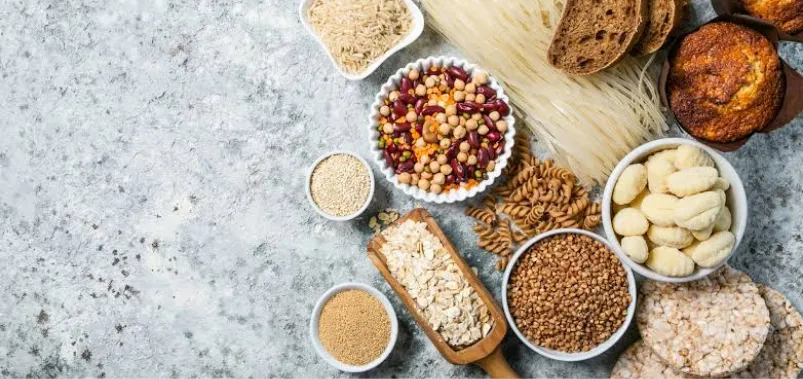
For every diet, travel with a small supply of safe food: gluten-free crackers, nut-free protein bars, rice cakes or ready to eat pouches. Long drives between Delhi, Agra and Jaipur can stretch four or five hours, and highway stops rarely suit a restricted diet.
If you carry adrenaline, bring it from home and bring at least two pens. An EpiPen in India is hard to buy over the counter, as adrenaline auto-injectors are not widely stocked by local pharmacies, so do not count on replacing a lost or expired pen. Pack one set in your hand luggage and keep a doctor's letter that explains the medicine, plus a copy of your prescription. Indian airlines and airport security generally allow auto-injectors in the cabin with documentation, but keep them in their original box. In the car, do not leave pens on the dashboard or in a hot boot, since summer temperatures in Rajasthan pass 40°C and heat can damage the medicine. Antihistamines such as cetirizine are sold in every Indian pharmacy without a prescription.
Know where the hospitals are before you need one. In emergencies dial 112, the national emergency number, and in Rajasthan and Uttar Pradesh 108 brings a government ambulance. For serious allergic reactions, a private hospital with a 24 hour emergency department is usually quicker for foreign visitors.
Hotel doctors on call are available at all luxury hotels, and your driver will know the fastest route to the nearest emergency department. Travel insurance that covers emergency treatment and evacuation is essential, and private hospitals usually ask for a deposit or insurance guarantee before treatment.
Then brief your tour operator properly. A special diet tour of India works only if everyone in the chain knows what you need. Send your operator a written note at booking that lists your condition, how severe it is, whether you carry adrenaline, and every ingredient you must avoid, including hidden ones. Ask the operator to pass that note to each hotel and to confirm the replies in writing. Tell your guide on day one, show them your allergy card, and ask them to choose lunch stops where they know the kitchen. A good guide will speak to the cook in person rather than order from the menu. Golden Triangle Tours can arrange a private driver and guide who are briefed on your diet before you land.
Finally, tell the operator about your daily pattern. If you need to eat at fixed times for blood sugar, or you need a fridge in your room for safe snacks or medicine, say so at booking. These small details, sorted early, make the difference between a tense week and a relaxed one.
We promise you a holiday where everything is taken care of from the moment you land. Trusted drivers waiting for you, handpicked hotels that fit your style, personalized itineraries designed just for your family, and a dedicated team on call 24/7. All you need to do is relax, explore, and create unforgettable memories, while we take care of every detail behind the scenes.
Yes, many coeliac travellers visit Delhi, Agra and Jaipur without problems. Rice, lentils, tandoori meat and South Indian dosa form a good base, but you must avoid all wheat breads, semolina, shared fryers and compounded asafoetida. Brief every kitchen in advance and carry an allergy card.
Many North Indian restaurant gravies, especially korma and royal or Mughal style curries, are thickened with cashew or almond paste. Most Indian sweets contain nuts too. Simpler home style dishes such as dal, dry vegetables and chickpea curry often do not, but you should always ask.
Steamed rice, biryani, dal without asafoetida, chickpea curry, tandoori meats and fish, plain yoghurt and dry vegetable dishes are usually free of wheat. Dosa and idli made from fresh rice and lentil batter are good choices. Check each one for added flour or semolina.
Pure asafoetida resin is very strong, so the powder used in most kitchens is a compounded form that is commonly mixed with wheat flour. It is added in small amounts to lentils and vegetables. Ask the cook to leave it out completely.
Adrenaline auto-injectors are not widely stocked in Indian pharmacies, so replacing one quickly is difficult. Bring at least two pens from home, keep them in hand luggage, and carry a doctor's letter and prescription copy.
Tandoori marinades are usually yoghurt and spice based, but some kebabs use nut paste and breads are cooked in the same clay oven. For strict allergies, ask for the meat to be grilled on a clean pan away from the tandoor and confirm the marinade has no nuts.
Big groups such as Taj, The Oberoi and ITC Hotels generally handle allergy requests well when the chef is told in advance. We could not confirm a published allergen programme for any of them, so email the food and beverage team before arrival and speak to the chef on your first night.
Use short, plain English: name each allergen, list hidden forms such as nut paste, groundnut oil or wheat in asafoetida, and ask for a clean pan and spoon. Laminate several copies and ask your guide to explain the card to the cook in Hindi.
Plant based meals are easy to find, but dairy is common in clarified butter, cream, yoghurt and buttered breads. Ask for food cooked in vegetable oil and choose dal, chickpea curry, vegetable dishes and South Indian food. Order black tea, since tea is normally made with milk.
In Delhi, Indraprastha Apollo, Max Saket and Fortis Vasant Kunj have 24 hour emergency departments. In Agra, Pushpanjali Hospital and Rainbow Hospital are used by visitors, and in Jaipur, Fortis Escorts and Manipal Hospital are good private options. Dial 112 in any emergency.