For many international travelers, shopping in Delhi becomes far more than a simple retail activity. It becomes an opportunity to explore India's craftsmanship, cultural traditions, textile heritage, jewelry making skills, and centuries old trading culture. Unlike modern shopping malls where brands dominate the experience, Delhi's traditional markets offer something much more interesting: products with stories behind them.
From the bustling lanes of Old Delhi to elegant boutiques in South Delhi, the city offers shopping experiences that appeal to every type of traveler. Some visitors search for handcrafted textiles. Others look for gemstones, traditional artwork, spices, leather products, carpets, tea, home décor, silver jewelry, or memorable souvenirs. Delhi provides access to all of these categories, often within a single day.
One of the reasons shopping in Delhi feels unique is the variety. Luxury boutiques, government certified handicraft stores, family run businesses, wholesale markets, artisan workshops, and modern designer studios coexist throughout the city. A traveler can spend the morning browsing centuries old markets and the afternoon exploring contemporary Indian design.
However, first time visitors often make mistakes. Some shop in the wrong areas, pay inflated prices, purchase poor quality souvenirs, or miss some of the city's most interesting markets entirely. Understanding where to go and what each market specializes in can dramatically improve the experience.
Another important consideration is authenticity. Delhi attracts millions of tourists every year, which means some stores focus more on marketing than craftsmanship. Travelers interested in genuine products should know how to distinguish authentic goods from mass produced alternatives.
The good news is that Delhi remains one of the best shopping destinations in India. Whether your budget is ₹500 or ₹50,000, the city offers opportunities to purchase meaningful items that reflect India's artistic and cultural traditions.
For travelers following a Golden Triangle Tour, Delhi is often the best place to begin shopping because it provides access to products from multiple regions of India. Understanding the city's major markets allows visitors to make informed decisions and avoid unnecessary purchases later in the trip.
A successful shopping experience is not about buying the most items. It is about finding products that genuinely represent the places you have visited and the experiences you have enjoyed.
Discover Delhi's Most Iconic Shopping Destinations
Explore Delhi's vibrant bazaars, artisan markets, and hidden shopping gems with the comfort of a private chauffeur-driven car. From traditional handicrafts and textiles to spices, souvenirs, and local treasures, enjoy a hassle-free shopping and sightseeing experience at your own pace.
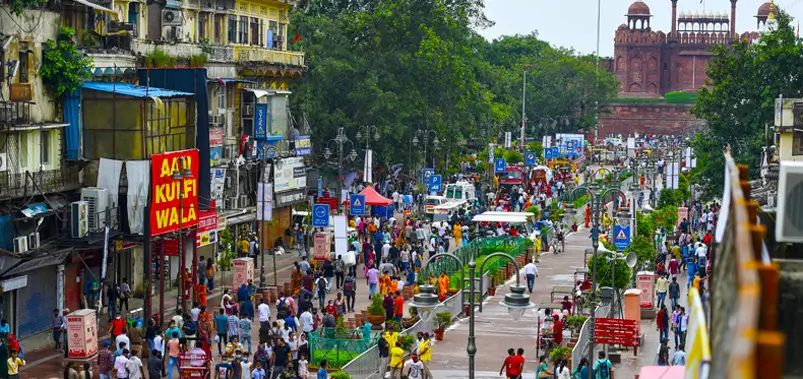
No shopping guide to Delhi can begin anywhere other than Chandni Chowk. Located in the heart of Old Delhi, this historic market has served as a center of trade for centuries. Walking through its crowded streets feels less like visiting a shopping district and more like entering a living museum of commerce.
Chandni Chowk is not a single market but a network of specialized streets and trading areas. Different sections focus on different categories of products. Some areas specialize in textiles, others in spices, jewelry, wedding goods, decorative items, stationery, or traditional Indian clothing.
One of the most interesting sections for international visitors is Khari Baoli, famous as one of Asia's largest spice markets. Travelers can purchase saffron, cardamom, cinnamon, cloves, tea blends, dried fruits, and countless other ingredients. Even visitors who do not plan to buy spices often enjoy exploring the area because of its extraordinary colors and aromas.
Textile lovers frequently spend hours exploring the fabric markets. Silk, cotton, embroidered materials, scarves, and traditional garments are available in remarkable variety. Many visitors purchase fabrics here that would be difficult or expensive to find elsewhere.
Jewelry is another important category. Silver pieces, traditional designs, and handcrafted accessories can be found throughout the district. Visitors interested in purchasing valuable items should always request proper documentation and buy only from reputable businesses.
One of Chandni Chowk's greatest strengths is authenticity. Many businesses have operated for generations and continue serving local customers rather than focusing exclusively on tourists. This creates a shopping environment that feels genuine and culturally rich.
The area can be crowded, particularly during weekends and festivals. Comfortable footwear is essential, and visitors should allow several hours rather than attempting to rush through the experience.
For travelers seeking a traditional Delhi shopping experience, Chandni Chowk remains unmatched. It offers history, culture, food, and commerce in a way that few markets anywhere in the world can replicate.
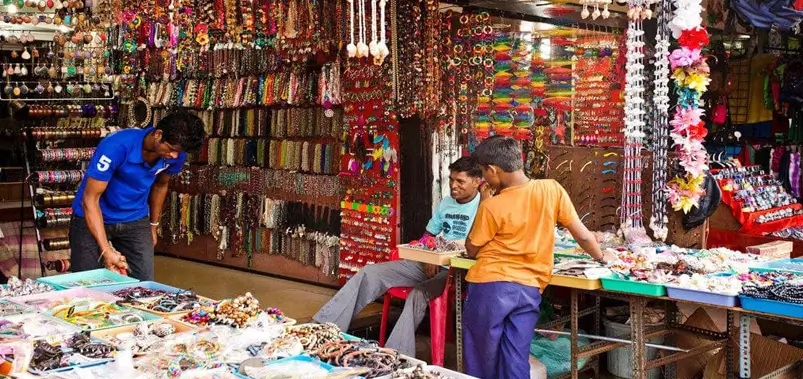
While Chandni Chowk represents traditional commerce, Khan Market showcases a very different side of Delhi. Frequently ranked among the most expensive retail districts in India, it combines boutiques, bookstores, cafés, restaurants, and specialty shops in an environment that feels significantly more relaxed than Old Delhi.
Many diplomats, expatriates, professionals, and international travelers shop here because the atmosphere is comfortable and easy to navigate. The market is particularly popular among visitors seeking high quality products without the intensity of traditional bargaining.
One of Khan Market's strengths is its selection of contemporary Indian design. Clothing boutiques frequently feature modern interpretations of traditional textiles and craftsmanship. Visitors interested in fashion often find unique pieces that combine Indian aesthetics with international styles.
Bookstores are another highlight. Travelers interested in Indian history, culture, politics, cuisine, and literature often discover excellent selections unavailable elsewhere. Many visitors leave with books that deepen their understanding of the country long after returning home.
The market also offers specialty food products, home décor items, wellness products, and premium gifts. While prices are generally higher than in traditional markets, many shoppers appreciate the convenience and curated nature of the selection.
Another advantage is the dining scene. Excellent cafés and restaurants make it easy to combine shopping with meals or coffee breaks. This slower pace appeals to travelers who prefer relaxed exploration over crowded market environments.
Khan Market is particularly suitable for visitors who value quality, convenience, and contemporary design. It provides an alternative shopping experience that complements rather than replaces traditional markets.
For many travelers, spending a few hours here offers insight into modern urban India while still providing opportunities to purchase meaningful and distinctive products.
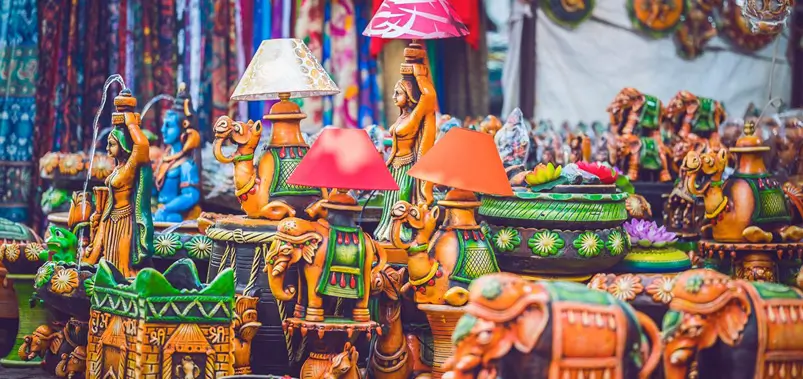
If your goal is to purchase authentic handicrafts from different regions of India in a single location, Dilli Haat is often the best choice.
Unlike conventional markets, Dilli Haat was created specifically to provide artisans with opportunities to sell directly to consumers. Craftspeople from different states rotate through the market, bringing products that reflect regional traditions and techniques.
Visitors can find textiles, pottery, wood carvings, paintings, jewelry, handwoven products, decorative objects, leather goods, and countless other handcrafted items. Because vendors often represent specific artisan communities, shoppers gain insight into the origins of the products they are purchasing.
One of the biggest advantages of Dilli Haat is transparency. While bargaining may still occur, prices are generally more straightforward than in some traditional markets. Travelers who feel uncomfortable negotiating often appreciate this aspect.
The market also serves as a cultural experience. Food stalls representing different regions of India allow visitors to sample diverse cuisines while shopping. Cultural performances are sometimes organized as well, creating an atmosphere that goes beyond retail activity.
Many travelers specifically choose Dilli Haat when purchasing gifts because the products tend to feel more authentic and representative of Indian craftsmanship. Handwoven scarves, traditional jewelry, handcrafted home décor, and regional artwork are particularly popular choices.
The layout is easy to navigate, making it ideal for first time visitors who want exposure to multiple regional traditions without traveling across the country. Rather than visiting several different markets, shoppers can compare products from different states within a single venue.
For travelers interested in supporting artisans directly while purchasing meaningful souvenirs, Dilli Haat remains one of Delhi's most rewarding shopping destinations.
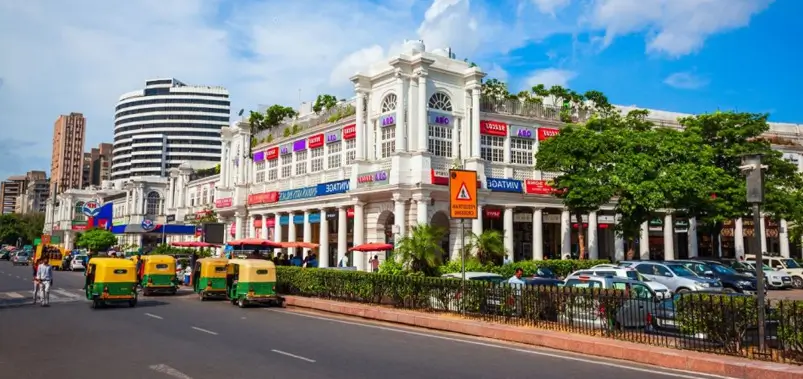
For travelers visiting Delhi for the first time, few shopping areas are as convenient as Connaught Place. Located in the heart of the city, this circular commercial district combines colonial-era architecture, international brands, traditional Indian retailers, cafés, restaurants, bookstores, and local markets within a relatively compact area.
Many visitors choose Connaught Place because it offers a comfortable introduction to shopping in Delhi. Unlike some of the city's more chaotic traditional markets, the area is easy to navigate and well connected by metro. It is also surrounded by hotels, making it convenient for tourists staying in central Delhi.
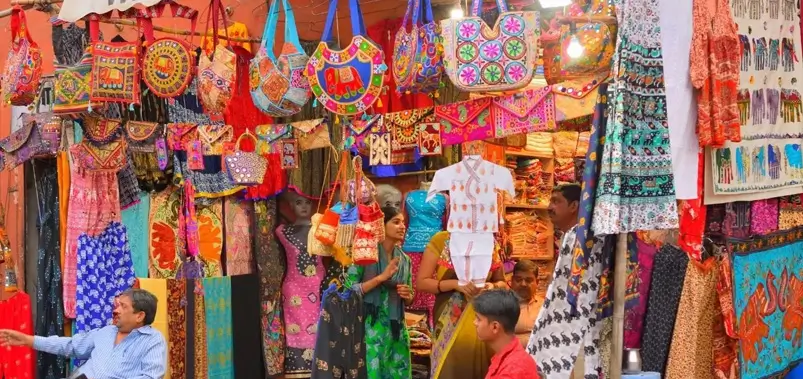
One of the biggest attractions here is Janpath Market, a street market famous for affordable souvenirs, handicrafts, clothing, jewelry, bags, scarves, and decorative items. Travelers looking for gifts often begin their shopping journey here because the variety is impressive and prices can be reasonable.
Janpath is particularly popular for:
Bargaining is common in Janpath. Vendors often quote higher initial prices, and polite negotiation is expected. Travelers who approach the process with patience usually achieve fair deals.
Another advantage of the Connaught Place area is variety. Visitors can purchase souvenirs in Janpath, enjoy lunch in a modern restaurant, browse books, visit art galleries, and explore local boutiques all within walking distance.
For travelers with limited time in Delhi, Connaught Place often provides the most efficient shopping experience because it combines traditional and contemporary retail options in one location.
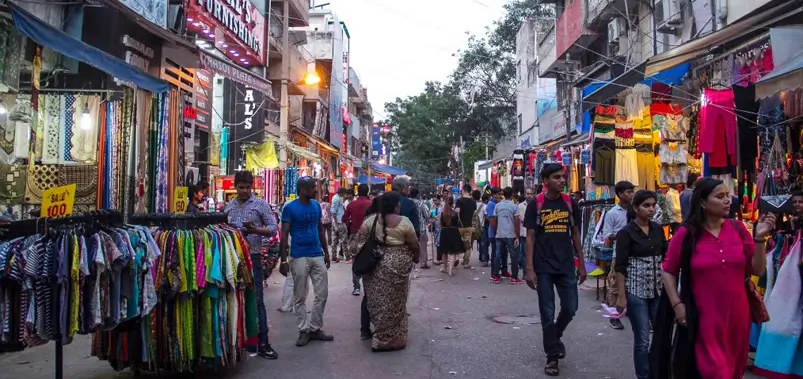
Few markets in India are as famous among bargain hunters as Sarojini Nagar. While many tourists focus on heritage attractions, visitors interested in affordable fashion often consider this market an attraction in its own right.
Sarojini Nagar is best known for clothing. Travelers can find shirts, dresses, jackets, accessories, footwear, and fashion items at prices that are often surprisingly low compared with international standards.
The market attracts students, local residents, fashion enthusiasts, and tourists looking for good deals. Walking through the area reveals hundreds of small shops and stalls selling everything from casual clothing to accessories and household items.
One reason the market is so popular is the constantly changing inventory. Shoppers frequently discover unique items that are unavailable elsewhere. This element of unpredictability adds excitement to the experience.
However, visitors should understand that Sarojini Nagar is not the place for luxury shopping or premium handicrafts. Instead, it is ideal for travelers seeking affordable clothing, casual souvenirs, and an energetic market atmosphere.
Comfortable shoes are essential because exploring the market often involves several hours of walking. Weekends can become extremely crowded, so weekday visits are generally more comfortable.
Even travelers who do not plan to buy much often enjoy visiting simply to experience one of Delhi's most famous shopping environments.
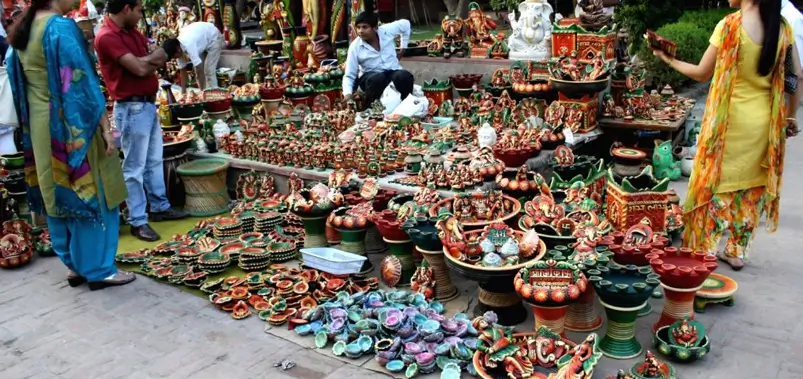
Many travelers struggle to choose between Dilli Haat and traditional markets such as Chandni Chowk or Janpath. The answer depends largely on what type of shopping experience you prefer.
Dilli Haat offers a curated environment focused on handicrafts, artisan products, and regional traditions. The atmosphere is organized, easy to navigate, and specifically designed to showcase Indian craftsmanship. Visitors who want quality handicrafts without aggressive bargaining often prefer Dilli Haat.
Traditional markets provide a more authentic glimpse into everyday commerce. Chandni Chowk, for example, feels like a living trading district where locals and tourists shop side by side. The experience is often more intense but also more immersive.
Dilli Haat tends to be better for:
Traditional markets tend to be better for:
Many experienced travelers actually visit both. Dilli Haat provides an introduction to Indian crafts, while traditional markets reveal how commerce functions within the city's historic neighborhoods.
Together, they offer a more complete understanding of Delhi's shopping culture.
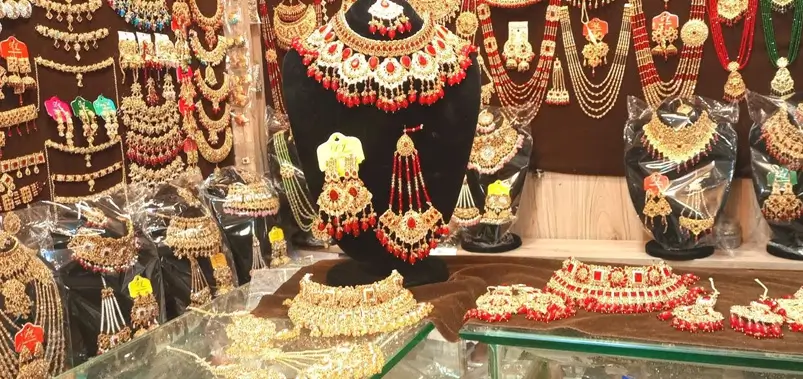
Jewelry remains one of the most popular shopping categories among international visitors. Delhi offers everything from inexpensive fashion accessories to precious gemstones and fine jewelry.
For silver jewelry, travelers often explore markets in Old Delhi and Janpath. Traditional designs, handcrafted pieces, and ethnic styles are widely available. Many visitors appreciate silver jewelry because it combines cultural significance with affordability.
Those interested in fine jewelry generally prefer established retailers in areas such as Connaught Place, South Delhi, and Khan Market. Reputable businesses provide certification, transparent pricing, and quality assurances that are especially important when purchasing valuable items.
Travelers shopping for gemstones should proceed carefully. India has a long history of gemstone trading, but knowledge and verification are essential. Always request certification and avoid making expensive purchases under pressure.
Popular jewelry purchases include:
The best shopping experiences occur when travelers take time to compare options rather than making immediate decisions.
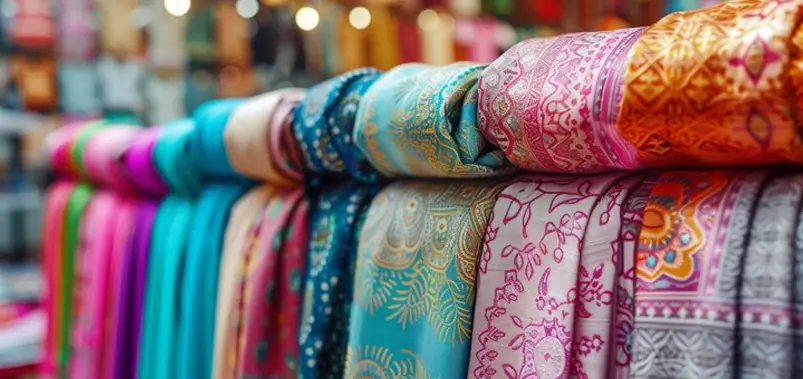
One of the most misunderstood products in Indian markets is pashmina. Many stores advertise pashmina scarves, but not all products sold under that label are genuine.
Authentic pashmina comes from specific Himalayan regions and is prized for its softness, warmth, and craftsmanship. Because genuine pashmina requires skilled production, it is generally more expensive than ordinary wool scarves.
Travelers seeking authentic pashmina should shop at reputable stores capable of explaining product origins and providing documentation where appropriate. Luxury textile retailers and established handicraft stores are usually safer choices than random market stalls.
Delhi is also an excellent destination for:
Visitors interested in textiles often discover that some of their favorite purchases are items they use regularly long after returning home.
The city's textile traditions make it one of the most rewarding shopping categories available.
Shop, Explore & Experience the Best of Delhi
Turn your shopping day into a memorable city adventure. Visit Delhi's famous local markets, heritage neighborhoods, and cultural attractions with a private chauffeur. Enjoy flexible travel, expert local assistance, and plenty of time to discover authentic products and unique souvenirs.
Many tourists arrive determined to buy souvenirs but leave disappointed because they purchased generic items that could have been found almost anywhere.
The best souvenirs are products that genuinely reflect Indian culture, craftsmanship, or regional traditions.
Excellent souvenir options include:
Travelers often find that practical items make better souvenirs than decorative trinkets. A quality scarf, tea blend, or handcrafted notebook may provide more lasting value than something purchased simply because it looked "touristy."
Thoughtful purchases usually become more meaningful over time because they remain connected to specific memories and experiences.
Most shopping experiences in Delhi are enjoyable, but visitors should remain aware of common mistakes.
One frequent error is assuming the first price quoted is final. In many traditional markets, bargaining is expected. Paying the initial price can sometimes result in spending more than necessary.
Another mistake involves purchasing expensive items without researching their value. This is particularly important for gemstones, carpets, antiques, and luxury handicrafts.
Travelers should also avoid making rushed decisions. High pressure sales tactics occasionally appear in tourist oriented areas. Taking time to compare options usually leads to better purchases.
Fake "government approved" claims are another issue. Reputable businesses can usually provide documentation supporting such statements.
Finally, many tourists spend too much on souvenirs early in their trip and later discover better options elsewhere. Waiting a day before making expensive purchases can be surprisingly helpful.
Most problems can be avoided simply by shopping patiently and asking questions.
Shopping budgets vary dramatically depending on interests and travel style.
Budget travelers may spend ₹500–₹2,000 on souvenirs, scarves, spices, and small gifts.
Mid-range shoppers often allocate ₹5,000–₹20,000 for textiles, handicrafts, jewelry, and home décor.
Luxury shoppers purchasing fine jewelry, premium textiles, artwork, or designer products may spend significantly more.
The encouraging reality is that Delhi offers excellent options at every price level. Visitors do not need a large budget to bring home meaningful items.
Many of the city's most memorable purchases are surprisingly affordable.
We promise you a holiday where everything is taken care of from the moment you land. Trusted drivers waiting for you, handpicked hotels that fit your style, personalized itineraries designed just for your family, and a dedicated team on call 24/7. All you need to do is relax, explore, and create unforgettable memories, while we take care of every detail behind the scenes.
Rushing purchases. Comparing products, understanding quality, and taking time to evaluate options usually results in better shopping decisions and more meaningful souvenirs.
Most visitors benefit from at least one dedicated shopping day, although shorter visits can still be rewarding if focused on specific markets.
Sarojini Nagar remains one of Delhi's most famous destinations for budget-friendly clothing and fashion accessories.
Many modern stores accept cards, but carrying some cash is useful for traditional markets and smaller vendors.
Reputable handicraft stores, luxury textile retailers, and established specialty shops are generally safer choices than temporary market stalls.
They offer different experiences. Dilli Haat focuses on handicrafts and artisan products, while Chandni Chowk provides a more immersive historical and commercial atmosphere.
Handwoven textiles, spices, artisan jewelry, tea, block-printed fabrics, and handcrafted decorative items are among the most popular and meaningful choices.
In many traditional markets, yes. Bargaining is common and expected. However, modern stores, malls, and many boutiques generally have fixed prices.
Absolutely. Many visitors consider Chandni Chowk one of Delhi's most fascinating cultural experiences. The history, architecture, food, and atmosphere make it worth visiting regardless of shopping plans.
Connaught Place and Janpath are often the easiest introduction to shopping in Delhi. They combine convenience, accessibility, and variety while remaining less overwhelming than some traditional markets.