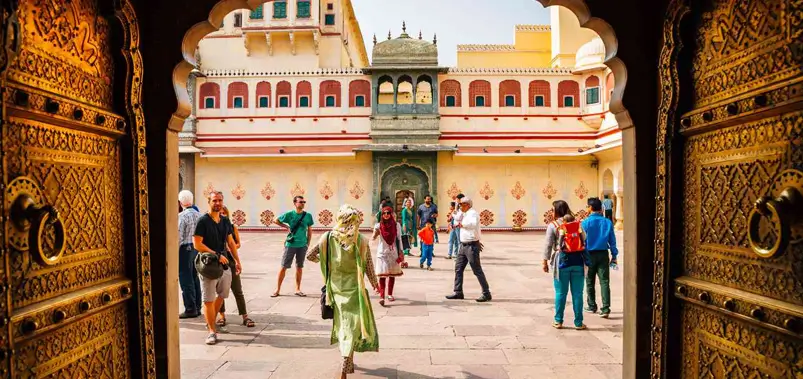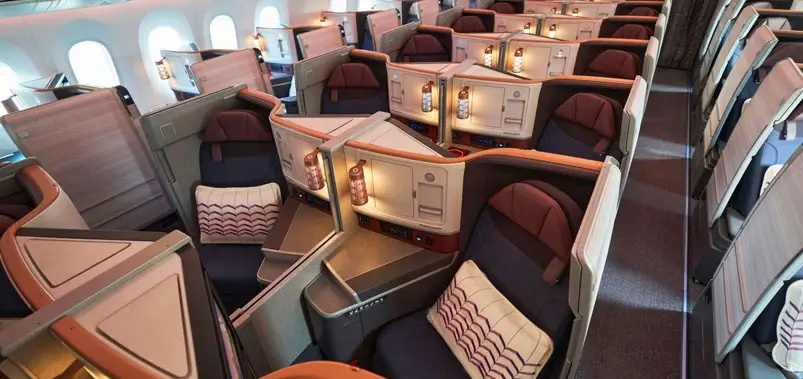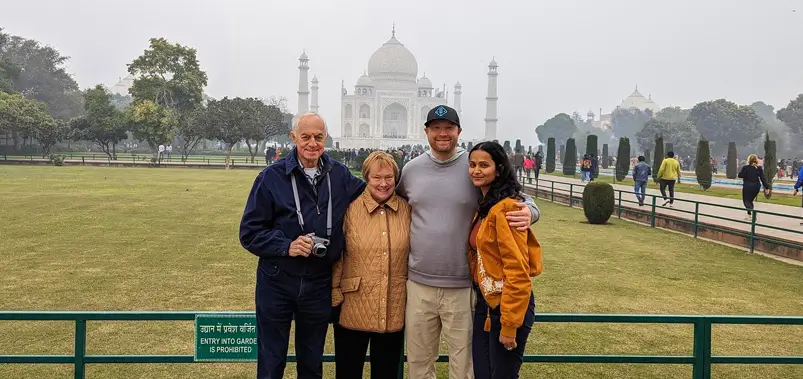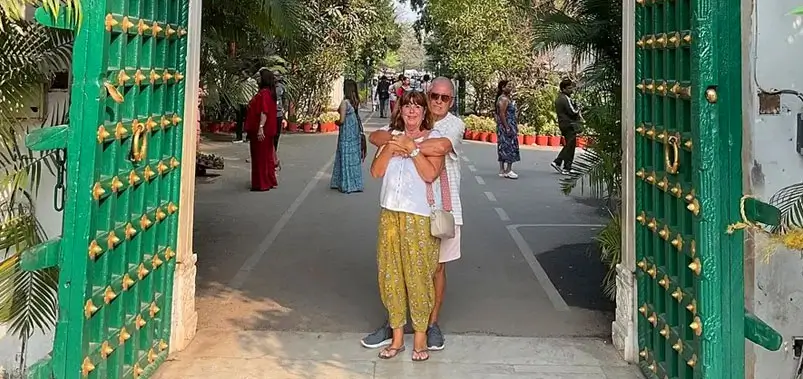
Luxury travel is often judged by what a traveller can see: the hotel suite, the private vehicle, the restaurant, the guide or the view from the room. Yet one of the most valuable parts of a private luxury India tour may be something the guest hardly notices when everything is running correctly: dependable on-tour support.
India is a large and operationally complex destination. A private journey can involve international arrivals, domestic flights, intercity road transfers, several hotels, monument tickets, personal guides, wildlife permits, restaurant reservations and special activities. Every service may have been confirmed correctly months before arrival, but travel remains dynamic. An international flight can land late. Traffic can affect a road journey. A guest may wake up feeling unwell. A hotel request can be misunderstood. A domestic flight time can change. A family may simply decide that the next morning needs to start two hours later.
When these situations occur, travellers should not have to spend their holiday identifying which supplier to call.
Proper 24/7 India travel support creates a single point of coordination. It does not mean that every problem can magically disappear, nor should an operator promise outcomes controlled by airlines, hotels, government authorities or weather. It means that when a genuine operational issue occurs, the traveller knows whom to contact and there is someone able to assess the situation, communicate with relevant suppliers and work on practical alternatives.
For Golden Triangle Tours, this support is especially important on private journeys where guests expect flexibility. The real value becomes visible not when everything goes perfectly, but when the itinerary needs to respond to real life.
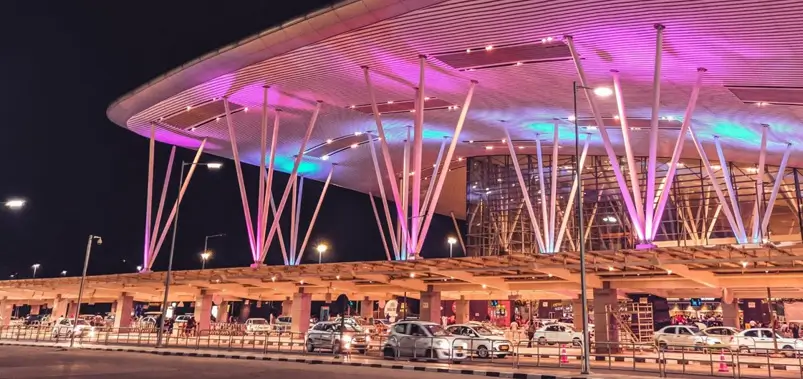
International flight disruption is one of the clearest examples of why coordinated support matters. A traveller flying into Delhi may have an airport transfer, hotel arrival, early check-in request, dinner reservation and sightseeing scheduled for the following morning. If the aircraft lands several hours later than expected, the impact extends beyond the chauffeur waiting at the airport.
A properly coordinated Delhi airport transfer for a private India tour should be linked to the confirmed flight details. When significant delays occur, the operational team can review the transfer arrangements and communicate with the hotel where necessary. If the guest reaches the property after midnight instead of early evening, it may also be sensible to reconsider an early sightseeing departure the following morning.
The traveller should not have to solve each part independently after landing.
The same problem becomes more complicated when a connecting flight is missed. A guest travelling from the United States through a European or Gulf hub may arrive in India many hours later than originally scheduled. In some cases, arrival may move to the following day. Airline rebooking remains subject to the carrier's rules and responsibility, but the India itinerary still needs attention.
The hotel needs to know whether the room should remain held. The airport transfer needs to move. A scheduled guide may need to be informed. Pre-booked sightseeing may need to be adjusted. If the itinerary was extremely tight, later transfers may also be affected.
This is where luxury travel support in India has practical value. The operator is not controlling the airline; it is controlling the response on the ground.
Domestic flights can create similar issues during longer India journeys. A Golden Triangle itinerary extended to Varanasi, Udaipur, Mumbai or Kerala may include one or more internal flights. Schedule changes can affect hotel transfers and activities at both ends of the flight.
Suppose a traveller is scheduled to fly from Jaipur to another Indian destination and the departure is moved substantially. Simply receiving an airline notification does not resolve the rest of the day. The driver timing may need to change, the destination transfer may need to move, and a scheduled evening activity may no longer be practical.
A coordinated local team can address these connected arrangements.
Delayed baggage creates another challenge. If an international suitcase fails to arrive, the airline is responsible for its baggage process, but a local travel contact can still help the guest understand how the rest of the itinerary may be affected. If the family is due to leave Delhi for Agra the following morning, the delayed bag creates a logistical question: should the traveller remain in Delhi, should the journey continue, and how will the bag reach the guest if it arrives later?
There is no universal answer. The point is that the traveller has someone locally who understands the route and can help coordinate the ground arrangements around the airline's baggage process.
For luxury travellers, this assistance protects something more valuable than a reservation: it protects holiday time.
Explore India with tailor-made luxury itineraries and round-the-clock expert assistance. Let our specialists ensure your private journey is completely seamless and stress-free.
Even excellent luxury hotels can experience operational misunderstandings. The issue may be relatively small: the hotel has prepared a king room when twin beds were requested. A family may arrive and find rooms on different floors despite having requested proximity. A guest expecting a particular suite category may believe the assigned accommodation does not match the confirmed reservation.
When a traveller has booked each hotel independently, they must normally resolve the issue directly with the property. That can be perfectly manageable, but it becomes frustrating when the guest is tired after a long transfer or when several suppliers are involved.
With a private luxury India package, the local operator should have access to the reservation details it arranged and can communicate with the hotel about what was actually confirmed.
This distinction is important.
On tour support cannot guarantee an upgrade simply because a guest dislikes the room. It cannot create a connecting room when the hotel is sold out. It cannot insist on a Taj-facing suite if that category was never booked.
What it can do is verify the confirmation and help resolve discrepancies between the booked service and the service being offered.
Early check-in is a common source of confusion. A guest may land in Delhi at 6:00 a.m. and expect to enter the room immediately. Standard hotel check-in may be much later. Unless early access has been guaranteed or the previous night has been reserved, immediate occupancy may depend on availability.
A premium operator should explain this before travel.
If immediate room access after a long haul flight is important, booking the previous night can sometimes be the strongest arrangement. It costs more, but it converts a request into something much closer to certainty, subject to the hotel's confirmed booking.
Late checkout works similarly. A traveller with an evening flight may want to retain the room until departure. The hotel may offer a paid late checkout or it may be necessary to reserve an additional night. Waiting until the final morning can produce disappointment during busy periods.
Meal arrangements can also cause disputes. Guests may believe dinner is included when the confirmed package includes breakfast only. A detailed luxury India tour itinerary should state meal inclusions clearly so the traveller and hotel are working from the same information.
The purpose of support is not to argue with hotels. It is to have accurate booking information available and a professional channel through which genuine issues can be addressed.

Delhi, Agra and Jaipur are connected naturally by road, making the private chauffeur one of the most important components of a Golden Triangle journey. Unlike a simple airport taxi, the chauffeur may be with the guests across several days and hundreds of kilometres.
Road travel is also where flexibility becomes particularly useful.
A private chauffeur Golden Triangle tour should not require the traveller to follow a rigid coach schedule. If guests want to leave Delhi later after breakfast, that may be possible provided the revised timing does not conflict with another fixed reservation. If someone needs a comfort stop, the vehicle can stop. If the group decides to skip an optional attraction and continue directly to the hotel, the day can often be adjusted.
Vehicle issues, although undesirable, also need an operational response. Cars are machines and unexpected mechanical problems can occur even with proper maintenance. The relevant question is what happens next.
A private operator should have a process for coordinating assistance or replacement transportation when necessary. The guest should not be left on the roadside trying to locate another long distance vehicle independently.
Traffic requires more realistic expectations. Support cannot remove congestion from Delhi or guarantee a road will never be delayed. It can, however, help schedule important journeys with sensible buffers.
This becomes particularly important when a road transfer connects with a flight.
Driving from Jaipur towards Delhi and scheduling an international departure with an extremely narrow margin creates avoidable risk. A premium itinerary should protect important connections rather than using optimistic driving estimates simply to fit another sightseeing stop into the day.
Road conditions and driving times can vary, so exact transfer duration should not be treated like a railway timetable.
Stops between cities also affect the day. Travellers going from Agra to Jaipur may consider Fatehpur Sikri or Abhaneri. Both can add interest, but they also add time. If the family is tired after visiting the Taj Mahal, support staff and the chauffeur should be able to coordinate a direct journey instead where the itinerary allows.
This ability to remove activities can be just as valuable as the ability to add them.
For high net worth travellers, the car may also function as a private space between public experiences. Reliable air-conditioning, sufficient luggage capacity, bottled drinking water where provided and a professional driving style matter more during a four or five hour journey than decorative “VIP” additions.
Good on-tour assistance in India recognises that transportation is not merely movement from one attraction to another. It is a major part of the guest's day.
Discover how round-the-clock assistance elevates your private trip. Get expert guidance on booking a luxury tour backed by dedicated 24/7 on-ground support for total peace of mind.
Health-related situations are among the most important reasons to have a reliable local point of contact, but they also require clear boundaries. A tour operator, guide or chauffeur is not a substitute for a doctor, hospital or emergency medical service.
A traveller may experience something relatively minor such as stomach discomfort, dehydration, fatigue or a headache. In other situations, symptoms may require prompt professional medical attention. The response should be proportionate to the situation.
For urgent medical emergencies in India, the national emergency response number is 112. Ambulance services may also be reached through 108 in many parts of India, though availability and local implementation can vary. Travellers facing a serious or potentially life-threatening situation should seek professional emergency assistance rather than waiting for a tourism supplier to diagnose the problem.
On-tour support can still play a useful coordinating role.
The local team may help communicate with the hotel, adjust transport, cancel non-essential sightseeing or assist with logistical arrangements while the traveller obtains professional medical care. If the guest needs to remain in a city longer than expected, later hotel and transport reservations may need to change.
Travel insurance becomes important here.
A luxury India holiday with travel support should not be confused with medical insurance. Travellers should arrange suitable insurance before departure and understand the policy's medical, cancellation and interruption provisions. Older travellers and guests with pre-existing medical conditions should pay particular attention to exclusions and disclosure requirements.
Prescription medication should normally be carried in adequate quantity for the journey, with relevant documentation where appropriate. Essential medication should not be placed only in checked baggage.
Travellers with dietary allergies should communicate them clearly. Luxury hotels are generally accustomed to international dietary requirements, but a severe allergy deserves more than a casual mention during dinner. The requirement should be provided in advance and repeated where appropriate.
Heat can also affect sightseeing. Delhi, Agra and Jaipur can experience periods of high temperatures. A guest who becomes exhausted during a fort visit should not feel obliged to continue simply because the itinerary lists another attraction.
A private tour can return to the hotel.
That ability to respond to the traveller's physical condition is one of the most practical forms of luxury.
Major attractions operate according to their own rules. A tour operator cannot change official opening hours because a guest has booked an expensive holiday.
The Taj Mahal provides the most obvious example. It is normally closed to general visitors on Fridays. An itinerary placing the only Agra sightseeing opportunity on a Friday can therefore create a serious problem if the Taj Mahal is the principal reason for the visit.
A properly arranged private Taj Mahal tour should account for the closure before the hotel and road route are finalised.
Other attractions may occasionally be affected by official events, maintenance, security arrangements or operational changes. Exact circumstances can vary, which is why itineraries need enough flexibility to respond.
Ticket procedures also change over time.
Travellers should be cautious about relying on old blog posts that quote historical monument prices as though they are permanent. Where admission fees are included in the tour package, the written quotation should state that clearly. Where they are excluded, guests should know in advance.
Guides can help manage the practical side of sightseeing. They can advise the group on entry procedures, expected walking and the logical order of a visit. If a guest decides they have had enough after two hours, the programme can be shortened.
Weather may also influence outdoor sightseeing.
Heavy rain, extreme heat or poor visibility can make an activity less attractive. The operator cannot guarantee ideal weather, but a private schedule may allow certain activities to move when tickets, guide availability and opening hours permit.
Ranthambore and other wildlife extensions introduce further restrictions because safari permits, zones and park operations are controlled separately from normal city sightseeing. A safari cannot simply be moved to any preferred time if permits are unavailable.
Good India itinerary support means knowing which parts of the trip are flexible and which are not.
That knowledge prevents unrealistic promises.
Luxury travellers increasingly care about dining, and India offers everything from sophisticated hotel restaurants to specialist regional cuisine. Yet restaurant bookings introduce another fixed element into the itinerary.
A reservation at 7:30 p.m. is not useful if the sightseeing day has run two hours late and the hotel is across the city.
Private support allows the day's schedule to be monitored more realistically. Where possible, the restaurant can be contacted if arrival is likely to be delayed. Whether the reservation can be moved depends entirely on availability.
Special occasions require even more attention.
A birthday dinner, anniversary or proposal may involve flowers, a cake, a particular table or another agreed arrangement. These details should be confirmed in advance rather than relying on vague requests such as “please make it special.”
The guest should also understand exactly what is included.
A hotel may provide a complimentary small amenity, while private dining, premium wine, elaborate decorations or a special menu may carry substantial additional charges.
For a luxury honeymoon or anniversary trip in India, clarity protects the occasion. The traveller knows what has been arranged and the local team knows which details are important.
Last-minute requests can still arise. A couple may decide they want dinner somewhere different after speaking with their guide. A family may prefer to eat at the hotel because everyone is tired.
On-tour support can check alternatives, but luxury travellers should not be told that every restaurant can always produce a table at short notice. Highly sought-after venues can be fully booked.
A credible service says what can be done rather than promising everything.
The phrase 24/7 travel support in India needs to be defined properly because it can otherwise create unrealistic expectations.
It should mean that travellers have a designated contact route for genuine operational matters during the trip. It does not mean that a concierge can change government regulations, make sold-out hotel suites appear, force an airline to operate on time or guarantee access to a fully booked restaurant.
The distinction is important for both the guest and the operator.
If a flight is cancelled, the airline controls its own rebooking procedures. The tour operator can adjust the India arrangements once new flight information is available.
If a guest wants to remain another night at Rambagh Palace but the hotel is sold out, support can check alternatives or other room possibilities, but it cannot manufacture inventory.
If the Taj Mahal is closed on Friday, no level of concierge service makes ordinary tourist admission available simply because the guest paid for a luxury package.
What good support can do is respond quickly, provide accurate information and coordinate the services that are within its control.
For high-net-worth guests, discretion should accompany that response. A traveller should not need to explain the same problem to several unrelated people. Ideally, one operational contact coordinates behind the scenes with the chauffeur, guide, hotel or other supplier.
This is especially useful for families. A parent may become tired while the adult children still want to continue sightseeing. The local team can assess what transport adjustments are practical. Guests may decide to divide their activities for an afternoon. Private arrangements make such flexibility far easier than group travel.
Support should also remain available without becoming intrusive. Luxury guests do not necessarily want daily phone calls asking whether everything is satisfactory. Many prefer services to work quietly, with assistance available when requested.
The best support often goes unnoticed.
A multi-city private holiday contains many individual reservations, but the traveller should not feel as though they are managing a collection of separate bookings.
Golden Triangle Tours can coordinate the core components of a private India journey, including airport transfers, chauffeur-driven transportation, hotel arrangements, personal guides and agreed sightseeing services. When the itinerary extends beyond Delhi, Agra and Jaipur, additional transport and destination arrangements can be incorporated according to the confirmed programme.
The value of having a central local contact becomes particularly clear during changes.
If a guest wants to leave Jaipur later, the effect on the next destination can be considered. If a domestic flight changes, the destination transfer can be reviewed. If a hotel issue concerns a service that was booked through the tour, the confirmation can be checked.
This is different from promising that every situation will be resolved exactly as the guest wants. The value is coordination.
Before booking a private luxury India trip, travellers should therefore ask practical questions about support. They should know who they contact outside normal office hours, whether support covers the full trip, how urgent issues are handled and which services are actually under the operator's control.
These questions can be more important than another complimentary hotel amenity.
Luxury becomes meaningful when it saves the traveller time and stress. A beautiful room is valuable. A premium chauffeur is valuable. An excellent private guide is valuable. But when something changes at 10:30 p.m. before the family is due to leave for another city the following morning, having a reliable person who understands the entire itinerary can become the service the guest appreciates most.
We promise you a holiday where everything is taken care of from the moment you land. Trusted drivers waiting for you, handpicked hotels that fit your style, personalized itineraries designed just for your family, and a dedicated team on call 24/7. All you need to do is relax, explore, and create unforgettable memories, while we take care of every detail behind the scenes.