For high net worth travellers, visiting Delhi, Agra and Jaipur is rarely about finding the most expensive version of a standard tour. The requirements are usually more specific. Privacy may matter more than ceremony. A spacious vehicle may matter more than a luxury badge. A carefully positioned suite may be more useful than the largest room in the hotel. A knowledgeable private guide may add more value than another packaged activity. Most importantly, the journey needs to operate smoothly without requiring the guest to manage individual suppliers throughout the day.
A Golden Triangle tour for high net worth travelers should therefore be built around discretion, time, comfort and control. Delhi, Agra and Jaipur contain some of India's most important cultural landmarks, but they are also busy cities where poor scheduling can result in unnecessary traffic, queues, long days and repeated changes of transport. Private arrangements reduce much of that friction without separating travellers from the destinations they came to see.
High end travel also requires realistic expectations. Paying more does not remove official monument regulations, city traffic, airport procedures or the possibility of operational changes. What premium service can provide is stronger preparation, better accommodation, appropriate transportation, carefully selected guides, flexible daily scheduling and responsive assistance when something changes.
For Golden Triangle Tours, HNW travel is best handled as an individually arranged journey rather than a fixed luxury package. The objective is not to fill the itinerary with expensive extras. It is to make each day feel controlled, private and worth the traveller's time.
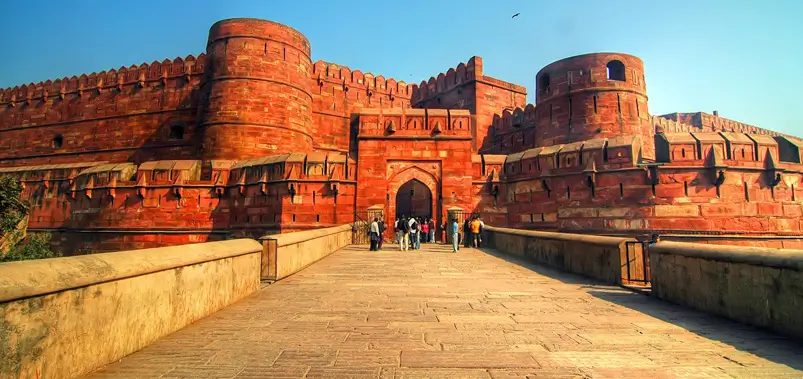
Privacy begins before the first sightseeing day. International arrival in Delhi can involve immigration, baggage collection and a significant journey from the airport to the hotel depending on traffic and hotel location. For an affluent traveller, the ground arrangements should be clear before the aircraft lands. The guest should know how the airport meeting will work, which transfer has been arranged, who the relevant local contact is and where they are going after leaving the terminal. Confusion at the airport undermines the purpose of paying for a premium journey.
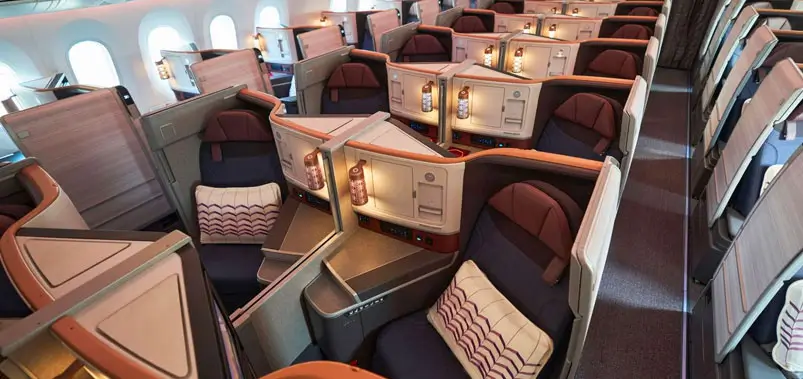
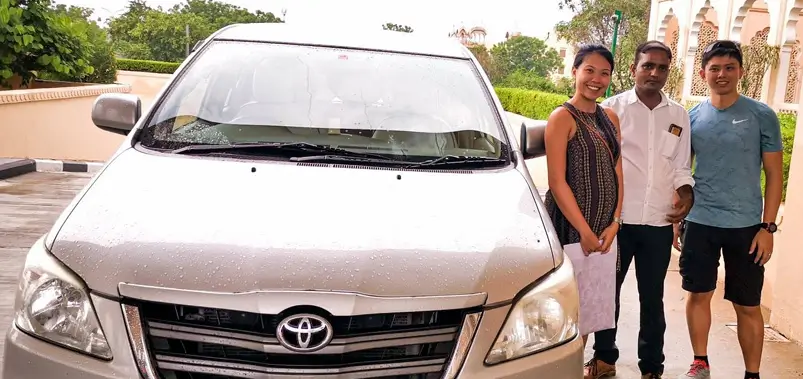
A private Golden Triangle tour should use dedicated transportation rather than shared sightseeing vehicles. This sounds obvious, yet “private” can be interpreted differently by different suppliers. Travellers should confirm that airport transfers, intercity journeys and daily sightseeing transportation are private to their party unless a particular shared activity has been knowingly selected. Families, couples and executive travellers should also know the proposed vehicle category before payment rather than receiving whatever vehicle happens to be available on the day.
Privacy inside the vehicle matters because substantial time can be spent on the road. Business owners and senior executives may need to take calls between destinations. Families may want conversations without a rotating collection of drivers. High profile guests may simply prefer continuity and minimal interaction with unnecessary personnel. Using a dedicated professional chauffeur across Delhi, Agra and Jaipur can create a more consistent environment because the driver becomes familiar with the guests' preferred timings, luggage, hotel routine and comfort requirements.
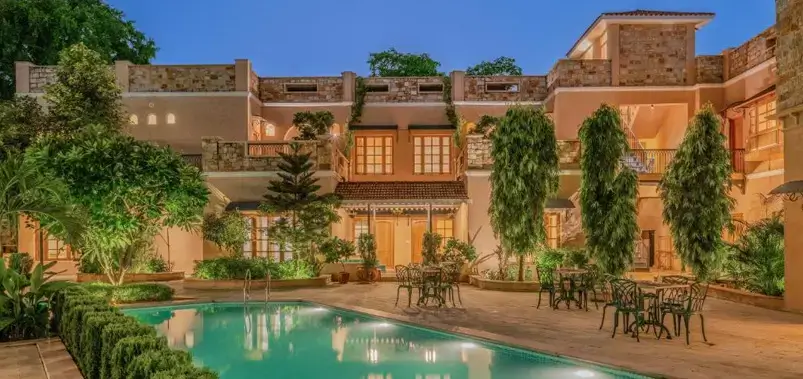
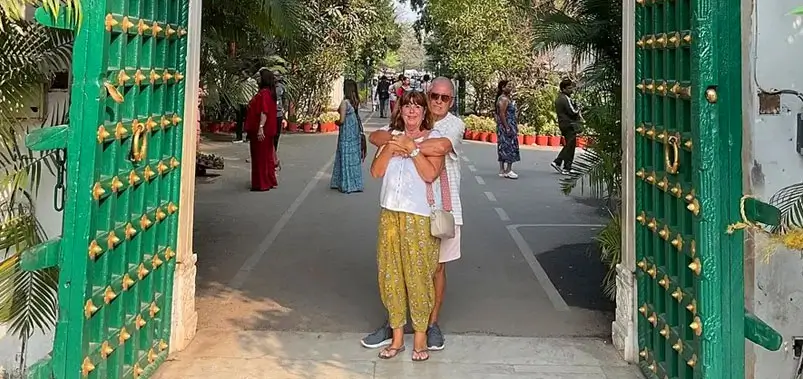
Hotel privacy is more complex than booking a suite. A very large room in a busy location may offer less practical discretion than a carefully positioned room or villa style accommodation in a quieter part of a property. Travellers who value privacy should communicate that preference before rooms are allocated. Depending on the hotel, requests might concern adjacent rooms for family members, distance from lifts and public areas, private outdoor space or simply a quieter location. Such requests remain subject to the property's layout and availability, but they are more likely to be handled appropriately when communicated in advance.
Daily schedules can also protect privacy. Visiting a major attraction during its busiest period may create an entirely different experience from arriving during a comparatively quieter window. No legitimate operator can promise an empty Taj Mahal or unrestricted private access to public monuments, but thoughtful timing can reduce unnecessary crowd exposure. Private guides can also move at the guest's pace rather than requiring the traveller to remain with a larger group.
Dining requires similar thought. Some guests enjoy celebrated hotel restaurants and lively dining rooms, while others prefer private dining or a quieter table. Families may want an intimate dinner after a long day rather than a formal public event. Where a genuinely private dining arrangement is desired, the exact nature of the booking should be confirmed. A reserved restaurant table should not be presented as a private dining experience if the space remains open to other guests.
The strongest luxury Golden Triangle itinerary therefore treats privacy as a continuous service principle. It influences transfers, vehicles, hotels, guiding, dining, timing and communication. It does not require the traveller to be isolated from India; it simply gives them greater control over how and when they engage with it.
Discover Delhi, Agra, and Jaipur with a bespoke itinerary, private transfers, top-tier security, and handpicked luxury palaces. Let our elite team craft your seamless India tour.
Security is an important subject for some HNW travellers, but it needs to be discussed sensibly. There is a major difference between good travel risk management and specialist protective security. A professional chauffeur, reputable hotels, verified guides and reliable local coordination can reduce everyday travel friction, but none of those services should be misrepresented as professional close protection.
For most luxury private tours in India, sensible arrangements begin with reliable suppliers. The vehicle should be professionally operated and properly maintained. Drivers and guides should be coordinated through established channels. Hotel reservations and transfers should be confirmed. Guests should have a reliable local contact rather than relying solely on a series of unrelated bookings made through different platforms.
Personal information should also be handled discreetly. A high net worth guest's room number, itinerary and movements should not be discussed unnecessarily. Travel documents and contact details should be shared only where operationally required. Guests themselves can also reduce unnecessary exposure by avoiding public discussion of detailed movements, accommodation or valuable purchases.
Jewellery and luxury shopping deserve practical attention. Jaipur is internationally known for gemstones and jewellery, and some affluent travellers visit specifically to make significant purchases. High value shopping should be undertaken with care. Guests should understand the seller's reputation, invoices, certification where relevant, payment arrangements, export considerations and the practicalities of transporting valuable items. A premium tour should never turn sightseeing into aggressive shopping or imply that a purchase is guaranteed to appreciate in value.
Cash management can remain simple. International travellers do not need to carry very large amounts of cash merely because they are travelling privately. Hotels and established businesses commonly accept major payment methods, though travellers should always retain access to more than one payment option. Expensive purchases should be considered separately according to the merchant's accepted methods and the traveller's banking arrangements.
Medical contingencies deserve equal seriousness. HNW travel should not be built on the assumption that nothing will go wrong. Guests with significant medical needs should carry necessary medication and relevant documentation and obtain suitable travel insurance. When specialist medical support is required, professional healthcare services should be used rather than expecting a guide or chauffeur to provide medical judgement.
Some clients have genuinely elevated security requirements because of their public profile, occupation, family circumstances or risk assessment. In those situations, ordinary tourism arrangements may not be sufficient. Specialist security services should be discussed separately and delivered by appropriately qualified providers. The required scope may include secure transportation coordination, professional protection personnel or additional operational measures depending on the traveller's circumstances.
The correct approach to private security for luxury travel in India is therefore proportionate. A leisure traveller should not be made anxious by theatrical security that serves no useful purpose. A guest with a legitimate specialist requirement should not be told that a standard private driver is equivalent to trained protection. Premium service means recognising the difference.
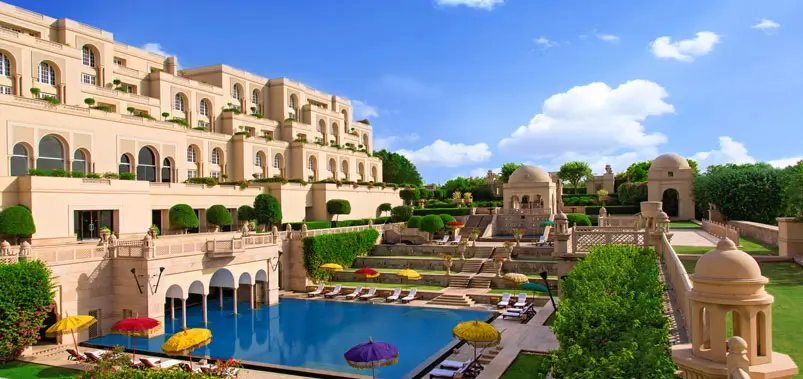
India's most prestigious hotels can be destinations in their own right, particularly on the Golden Triangle. Yet HNW travellers should resist the temptation to select accommodation solely from lists of famous names. The strongest hotel combination depends on what the guest expects from each city.
Delhi is usually the international gateway. Guests arriving from London, New York or another long haul origin may value a highly polished hotel where they can recover from the flight, dine well and receive consistent service. Location matters because Delhi is geographically large. The best hotel for a traveller whose programme centres on New Delhi may not be the best choice for someone with a different schedule.
Agra creates a very different decision. For many travellers, the Taj Mahal is the central reason for visiting the city. Spending more for a property whose setting strengthens that experience can therefore make sense. The Oberoi Amarvilas is frequently considered at the upper end of Agra's market because the Taj Mahal forms such a strong part of the property's appeal. A traveller who has waited decades to see the Taj may reasonably decide that Agra is where a substantial room budget should be concentrated.
Jaipur offers several styles of high luxury. Rambagh Palace provides an unmistakably royal heritage environment, while The Oberoi Rajvilas offers a spacious resort style stay with a different atmosphere. Selecting between them should depend on whether the guest prioritises palace history, resort privacy, location, room style and how much time will actually be spent at the property.
The room category can materially change the experience. Entry level rooms at an exceptional hotel can still provide access to the property's restaurants, grounds and service. Suites may offer separate living areas, better views, terraces, distinctive heritage details or more privacy. For families and longer stays, that extra space can be extremely useful. For a one night stop where the guest arrives late and leaves early, a costly suite may deliver relatively little additional benefit.
A palace hotel Golden Triangle tour should consequently allocate money strategically. There is little value in paying premium suite rates in three cities if the itinerary keeps the guests away from those suites from breakfast until late evening. High end accommodation becomes worthwhile when the daily schedule allows the hotel itself to be enjoyed.
The same principle applies to spa facilities, pools and gardens. A traveller choosing a resort style Jaipur property should have enough free time to use it. An afternoon without sightseeing may be one of the most luxurious parts of the journey, particularly after several days of international travel and city visits.
Families require another layer of consideration. Connecting rooms, adjacent suites, children's rooms and accommodation for accompanying staff should be addressed before confirmation. Historic hotels may have room layouts that make proximity more difficult than in a modern tower property. Assumptions should therefore be replaced with specific requests.
High net worth guests often care less about whether a hotel is technically five star and more about whether it fits the purpose of the stay. That is the standard a genuinely bespoke itinerary should use.
Looking for absolute privacy, private jet charters, and royal palace suites? Get expert guidance from our luxury concierge to design a discreet, world-class Golden Triangle journey.
Private guiding is one of the most underestimated components of high and travel. An excellent guide can make a monument significantly more meaningful, while an unsuitable guide can make even an extraordinary place feel routine. HNW travellers should therefore think about guiding as a specialist service rather than a basic inclusion.
Delhi alone can justify different guiding styles. A guest interested in Mughal history may want detailed context at Humayun's Tomb and Old Delhi. Someone interested in architecture may prefer to spend longer discussing building techniques and urban development. A visitor focused on religious traditions may want more time at places of worship and less time at conventional sightseeing stops.
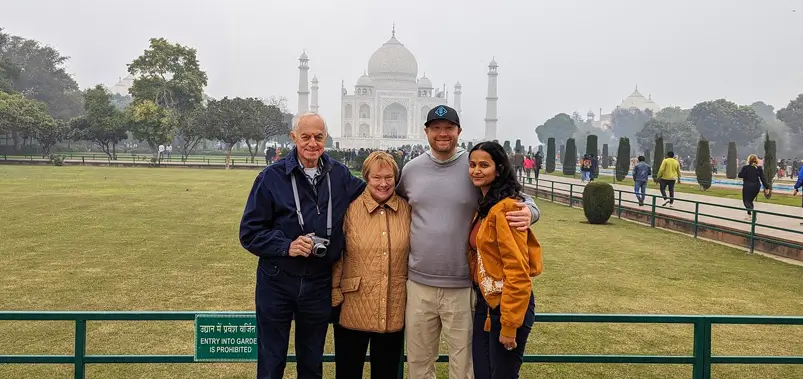
Agra deserves equally strong interpretation. The Taj Mahal is visually powerful without explanation, but its architectural proportions, decorative work, Mughal history and relationship with the surrounding complex add depth to the visit. Agra Fort provides another layer of imperial history that can easily be lost when the visit is rushed.
The Taj Mahal is generally open from sunrise to sunset and is normally closed to general visitors on Fridays. Admission categories, ticket prices, security rules and visitor procedures can change. A professional private Taj Mahal tour should therefore be based on the current official arrangements for the date of travel rather than relying on old information.
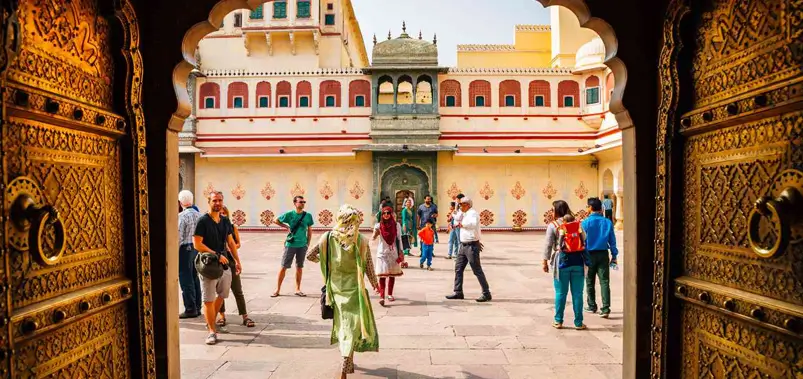
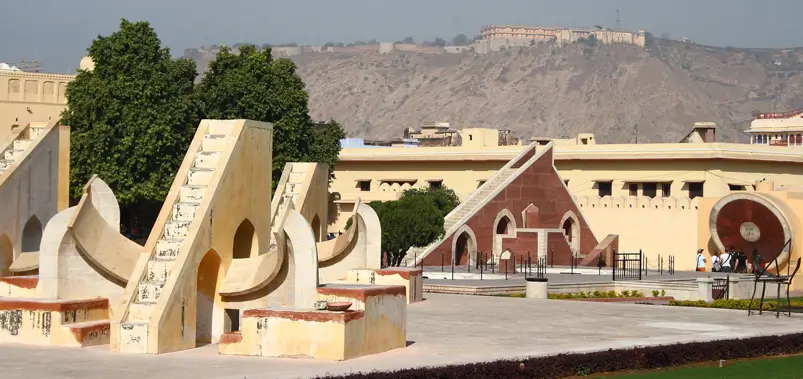
Jaipur requires a different knowledge base. Amber Fort, City Palace and Jantar Mantar represent different aspects of Rajasthan's political, architectural and scientific heritage. Guests interested in jewellery, textiles or crafts may also want their private sightseeing connected to those subjects.
The guide should be able to adjust the amount of information. Some affluent travellers are extremely knowledgeable and want serious historical discussion. Others prefer concise commentary and more independent time. Neither approach is superior. A personal guide earns value by recognising which guest is standing in front of them.
Discretion is equally important. A guide accompanying a high profile traveller should not turn the guest into a curiosity. Photography, personal information and conversations should be treated appropriately. The guest should not feel pressured to visit shops or workshops simply because commercial stops are convenient for the guide.
For families, guides should also be capable of communicating across generations. A two hour lecture that fascinates a historian may be completely unsuitable for children. A bespoke Golden Triangle tour for wealthy families may require a more flexible approach in which adults receive meaningful historical context while younger travellers remain engaged.
Where specialist language guiding is required, it should be requested early. French, Spanish, German or other language guides may be available, but the strongest individuals can be in demand during busy periods. A high end itinerary should not leave important guide requirements until the last moment.
Affluent travellers frequently have the financial ability to add another city, another hotel or another activity. The harder luxury to obtain is time.
A six day Golden Triangle can technically cover Delhi, Agra and Jaipur. A high net worth traveller does not necessarily need to accept that pace merely because it is possible. Eight, nine or ten nights can produce a dramatically more comfortable journey without changing the three core destinations.
Delhi can receive three nights rather than being treated as an airport stop. Agra can have an overnight stay rather than becoming a same day excursion. Jaipur can receive three nights, allowing sightseeing to be divided across separate sessions and leaving time for the hotel.
This slower structure improves more than comfort. It creates resilience.
If an international flight arrives late, the entire itinerary does not collapse. If the guest wants to remain longer at the Taj Mahal, there is less pressure to leave. If a lunch becomes a three hour conversation, the day can absorb it. If a traveller wakes tired, the departure time can move.
For business owners, this extra space also allows work obligations to coexist with the holiday. A morning call does not necessarily require cancelling the day's entire programme. A free afternoon can become a work window if something urgent appears.
A slow luxury Golden Triangle tour can also reduce hotel changes. Packing, checking out, loading luggage, driving, checking in and unpacking consumes more energy than itineraries suggest on paper. Remaining an additional night in an excellent property can provide greater value than adding another destination simply because it is geographically possible.
Longer India journeys should follow the same discipline. Udaipur can be a superb extension after Jaipur, but it deserves enough time. Ranthambore can be rewarding for wildlife enthusiasts, but safari timings and road travel need to fit comfortably. Varanasi can add extraordinary cultural depth, but it introduces flights, transfers and a very different physical environment.
HNW travellers do not need to collect destinations.
They can afford to choose.
That distinction is important because the best high end itineraries often contain fewer hotel changes than mid market sightseeing packages. They compensate with stronger properties, better guiding, more personal activities and enough time for the traveller to actually enjoy where they are.
The word “bespoke” is often attached to luxury travel without changing much beyond the price. Genuine bespoke service should be visible in the decisions made for the guest.
A couple celebrating an anniversary may value an exceptional suite and a carefully arranged dinner. A family travelling with parents may need a larger vehicle, shorter walking periods and adjoining rooms. A CEO may need substantial free time and reliable hotel working facilities. An art collector may want galleries and specialist appointments. A serious photographer may prefer unusual departure times to another formal dining experience.
These differences should change the itinerary.
A bespoke India tour for HNW travelers can also coordinate practical services such as restaurant reservations, spa appointments, domestic flights, airport transfers and carefully selected cultural activities. The value lies in bringing these arrangements into one coherent journey.
Restaurant selection should reflect the guest rather than a list of famous venues. Some travellers want sophisticated Indian fine dining. Others want excellent regional food in less formal surroundings. After several elaborate meals, even wealthy guests may prefer a simple dinner at the hotel.
Shopping should be equally individual. Jaipur can be extremely attractive to guests interested in jewellery, gemstones, textiles and crafts, but high end travellers should not be automatically taken to stores. Specialist shopping should happen because the guest requested it.
Special celebrations can be incorporated, but the service should remain specific. “VIP surprise” means very little. A particular dinner setting, cake, flowers, room amenity or private arrangement is something the traveller can actually evaluate.
Concierge support should operate with the same discipline. It cannot make sold out suites appear or change government monument regulations. It can, however, contact the relevant suppliers, present alternatives and prevent the guest from spending valuable holiday time trying to solve logistics.
Golden Triangle Tours can coordinate these private arrangements across the journey while keeping the itinerary centred on the traveller's actual interests. That is considerably more valuable than filling a proposal with generic luxury language.
Two Golden Triangle proposals can use almost identical words while offering very different journeys. Both may advertise luxury hotels, private transport, personal guides and premium service. The details reveal the difference.
Hotel names and exact room categories should be examined first. “Luxury hotel” is too broad for an HNW proposal. A standard room and a signature suite in the same property can carry dramatically different prices and produce different experiences.
Vehicle category should be equally clear. A generic line saying “private air-conditioned car” does not tell a traveller whether the proposed vehicle matches their expectations or luggage.
Guide services should specify where guiding is included. Monument admission should be identified as included or excluded. Airport arrangements, domestic flights, meals and special activities should also be clear.
For luxury Golden Triangle tour pricing, the difference between a good five star itinerary and a top tier palace journey can be substantial. A private journey for two using premium hotels can cost several thousand dollars on the ground, while a trip centred on signature palace hotels, suites, upgraded vehicles and specialist arrangements can comfortably move above $10,000. Highly customised travel can go significantly higher depending on room rates, season and services.
The number itself does not prove quality.
Travellers should ask what the additional spend changes. Does it buy a significantly better hotel? A superior room? More space in the vehicle? Additional nights? Better routing? Private guiding? A meaningful specialist experience? Stronger support?
Cancellation terms also deserve attention. High end hotels can impose strict policies, especially during popular dates and holiday periods. Deposits for special services may be non-refundable. Domestic flights and wildlife arrangements can have separate conditions.
Everything important should be documented before a substantial payment is made.
For high net worth travellers, the strongest Golden Triangle journey is ultimately one in which money buys control over the aspects that genuinely matter: privacy, comfort, time, hotel quality, expert guiding, flexibility and dependable local support. Delhi, Agra and Jaipur already provide the history and spectacle. The luxury service surrounding them should make those destinations easier to appreciate rather than competing with them for attention.
We promise you a holiday where everything is taken care of from the moment you land. Trusted drivers waiting for you, handpicked hotels that fit your style, personalized itineraries designed just for your family, and a dedicated team on call 24/7. All you need to do is relax, explore, and create unforgettable memories, while we take care of every detail behind the scenes.
A HNW Golden Triangle tour typically places greater emphasis on privacy, carefully selected luxury hotels, suitable private transportation, personal guiding, flexible schedules and responsive local support rather than simply adding more sightseeing.
Yes. Airport transfers, intercity transportation and sightseeing can be arranged privately for the travelling party. Any shared activities should be clearly identified before confirmation.
The choice depends on travel style. High-end travellers commonly consider leading luxury properties in Delhi, The Oberoi Amarvilas in Agra, and Jaipur properties such as Rambagh Palace or The Oberoi Rajvilas. Exact room categories can be as important as the hotel itself.
Specialist security requirements should be discussed separately from standard tourism services. Where genuinely required, appropriately qualified professional providers should be considered rather than treating an ordinary chauffeur or guide as security personnel.
No. Official monument regulations apply to all visitors. Premium arrangements can improve transportation, guiding and timing, but should not be represented as overriding government access rules.
Around eight to ten nights can provide a comfortable pace for travellers who want substantial sightseeing without turning every day into a long programme. Additional destinations should normally come with additional nights.
A premium private trip for two can cost several thousand dollars, while itineraries using prestigious palace hotels, suites, upgraded transport and specialist services can exceed $10,000 and rise considerably higher. Live hotel rates and exact dates determine the final quotation.
Yes. A bespoke private India itinerary can preserve mornings, afternoons or complete periods for calls and work. This requirement is best communicated before sightseeing schedules are finalised.
Specific room categories, adjacent rooms, suites and other preferences can be requested according to hotel availability. Requirements should be identified before confirmation rather than left until check-in.
Yes. Golden Triangle Tours can arrange private airport transfers, chauffeur-driven transportation, carefully selected luxury hotels, personal guides and individually chosen activities across Delhi, Agra and Jaipur, with additional destinations and specialist services incorporated according to the guest's requirements.