India Private Tour Prices: $150 vs $300 vs $500 a Day—What Actually Changes?
22 Sep 2026

When travelers begin comparing India private tour prices, daily rates can appear confusingly far apart. One company may present an India journey at around $150 per person per day, another may quote $300, while a premium private itinerary can easily reach $500 per person per day or considerably more. The cities on all three itineraries may look almost identical. Delhi, Agra, Jaipur, Jodhpur and Udaipur may appear in each quotation, the Taj Mahal may be included in each itinerary, and every company may describe its trip as private. What the traveler receives on the ground, however, can be substantially different.
For international travelers expecting reliable private transportation, established hotels, professional guides, properly timed transfers and responsive local assistance, $150 per person per day should be viewed as the lower edge rather than the target price for a genuinely premium private India journey. A more realistic comfortable private budget for two travelers frequently begins closer to $250 to $350 per person per day. Travelers expecting strong five star accommodation, upgraded private transportation and more inclusions should think closer to $400 to $600 per person per day, while a high end journey using palace hotels, premium room categories, luxury dining and highly personalized services can comfortably reach $700 to $1,000 per person per day or more.
The difference is not simply about luxury for the sake of luxury. Higher private tour pricing can purchase a better hotel location, a larger vehicle, stronger room categories, more experienced guides, entrance fees paid in advance, better airport arrangements, slower itinerary pacing and fewer unexpected expenses during the journey. At the same time, paying more does not automatically guarantee a better trip. An expensive quotation can still be badly structured, while a carefully designed mid premium itinerary can deliver excellent value.
The most useful way to compare private India tour packages is therefore to stop looking only at the total package amount and examine where the money is actually being spent. A traveler should know exactly what changes when the budget moves from approximately $250 to $500 and then toward $800 per person per day.
Golden Triangle Tours can structure private India journeys at different service levels according to hotel expectations, vehicle requirements, trip duration and route. Mr. Nand Singh Rathore and his team can combine Delhi, Agra, Rajasthan and other Indian destinations with private transportation, professional guides and selected accommodation without forcing every traveler into the same fixed package standard.
For two international travelers sharing one room and one private vehicle, approximately $250 to $350 per person per day can provide a comfortable private India journey when the itinerary is structured carefully. This means a couple could spend approximately $5,000 to $7,000 for a ten day land journey, excluding international airfare and expensive optional experiences. This is already a meaningful travel budget in India, and travelers should expect considerably more than basic accommodation and point to point taxis.
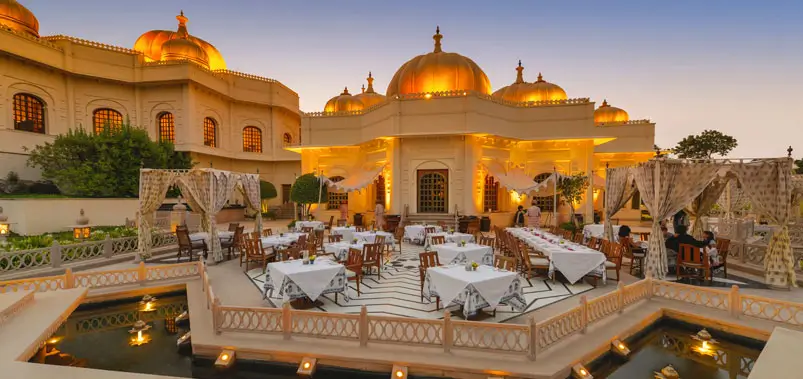
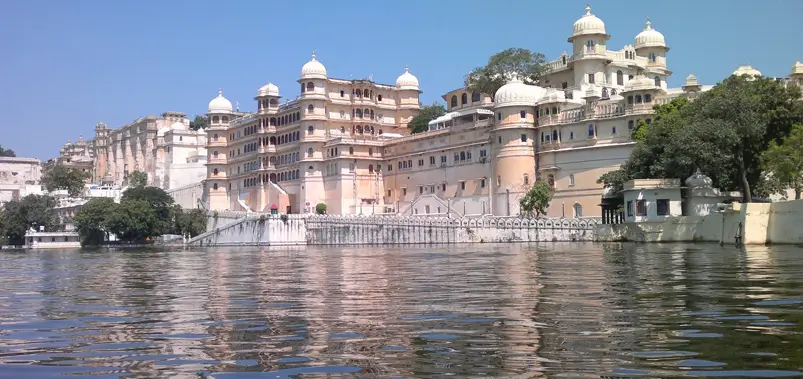
At this level, accommodation will commonly be based around good four star, premium heritage or selected entry level five star hotels rather than iconic palace properties every night. A realistic hotel allocation might fall around $150 to $250 per room per night, although individual properties can move above or below this range. In Delhi or Jaipur, this can secure a strong hotel with proper service and comfortable rooms. In smaller Rajasthan destinations, the same amount may secure a characterful heritage property. In Udaipur, however, travelers should not expect the most famous lake or palace hotels at this budget because a single premium room can consume a large portion of the daily allowance.
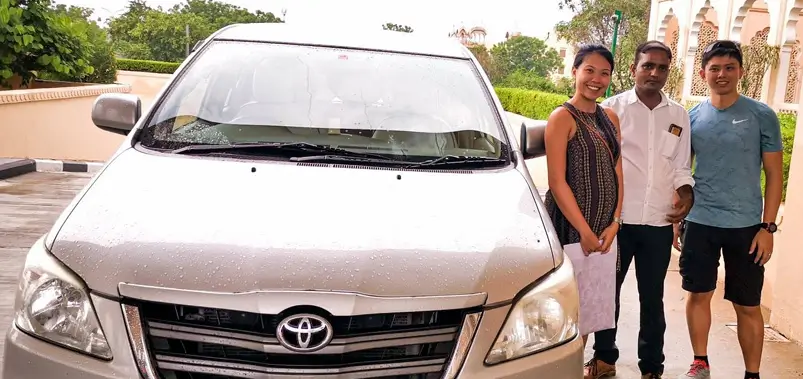
Private transport should still be genuinely private. Two travelers can use an air-conditioned sedan, although an Innova Crysta with private driver is a more comfortable option for longer Golden Triangle and Rajasthan journeys when the package budget permits it. Fuel, chauffeur services and routine intercity travel should be clearly defined. Tolls, parking and driver allowance may be included or excluded depending on the operator, so the written quotation matters.
Professional guides should also be available in major sightseeing cities. Delhi, Agra and Jaipur are destinations where knowledgeable guiding can materially improve the trip. On a Rajasthan extension, guides can be added in Jodhpur, Udaipur and other important heritage cities. At this budget, travelers do not necessarily need a full time escort traveling with them for the complete journey; local professional guides can provide stronger value.
Monument tickets may or may not be included. If they are excluded, travelers should keep a separate sightseeing budget. Meals beyond breakfast are also commonly left flexible. This is not necessarily a weakness because many travelers prefer choosing their own lunch and dinner rather than being tied to predetermined restaurants.
A well arranged India private tour around $300 per person per day should therefore feel comfortable and professionally organized. What it should not promise is unlimited luxury. Travelers expecting palace suites, Mercedes transportation, premium dining every night and highly personalized concierge services need a substantially higher budget.
Moving toward $400 to $600 per person per day changes the quality of an India private journey considerably. For two travelers, a ten day land arrangement at this level represents approximately $8,000 to $12,000 for the couple, which creates enough budget to improve several major components simultaneously rather than making one isolated upgrade.
Hotels are usually the most visible difference. Instead of relying primarily on four star and entry level luxury properties, travelers can use strong five star hotels more consistently. Accommodation budgets can move toward approximately $250 to $450 per room per night, with selected nights costing more. This allows access to better locations, stronger hotel brands, larger rooms and a higher level of service.
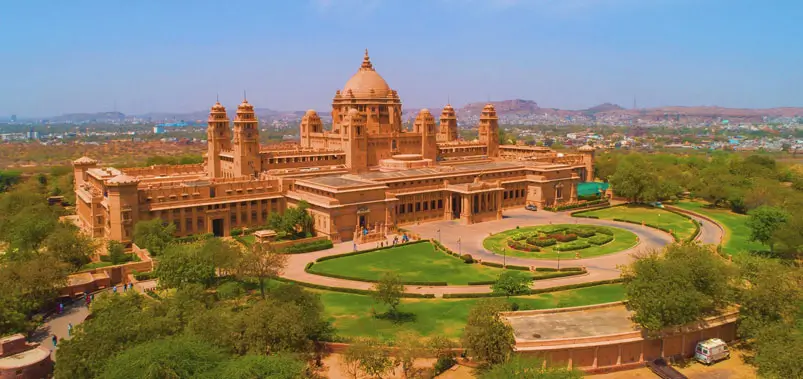
It also creates room for selective palace stays. Rather than paying for a palace property in every Rajasthan city, travelers can use excellent five star hotels during sightseeing heavy portions of the itinerary and spend significantly more on one or two nights where the hotel itself becomes part of the experience. Udaipur and Jodhpur are particularly suitable for this approach because accommodation can contribute substantially to the atmosphere of the destination.
Transportation can also improve. An Innova Crysta private tour in India becomes easier to justify as the standard vehicle rather than an optional upgrade. For couples carrying large international luggage, this can make a major difference during Delhi–Agra–Jaipur or Jaipur–Jodhpur–Udaipur road sectors. The additional interior space is experienced repeatedly throughout the journey rather than for only one night.
Professional local guides can be included more consistently. Monument tickets can be prepaid. Airport pickups and departures can be structured properly around actual flight times. Selected meals or special dining experiences can be incorporated without consuming the entire package margin.
The itinerary itself should also become more comfortable. At this level, travelers should question any quotation that still forces them through an unnecessarily rushed schedule. A premium private India tour should not consist of constant early departures, six hour road transfers and late night hotel arrivals simply because the operator wants to advertise more destinations.
An additional hotel night can sometimes cost less than an expensive room upgrade and improve the trip more. A strong operator should recognize that.
At approximately $500 per person per day, the traveler is therefore paying not only for nicer rooms but for a more complete service environment.
Once a private India journey moves toward $700 to $1,000 per person per day, expectations should rise substantially. A couple spending at this level could be paying $14,000 to $20,000 for ten days of land arrangements, and the package needs to justify that expenditure through more than a generic luxury label.
Accommodation should be one of the strongest components. Travelers can reasonably expect a combination of high end five star hotels, luxury heritage properties and selected palace stays. Individual room nights may cost $400 to $800 or more, and particularly desirable properties or suites can exceed $1,000 per night.
The traveler should still examine exact room categories. An expensive hotel name does not automatically mean the package includes the room shown in promotional photographs. Entry level rooms, premium view rooms and suites can have dramatically different rates.
Transportation should also match the overall service standard. An Innova Crysta remains an excellent practical road vehicle even for wealthy travelers, but guests specifically seeking luxury road transportation may request a premium sedan or SUV. That decision can increase the transport cost substantially because high end vehicles used for multi city touring cost considerably more than standard tourist SUVs.
At this level, private guides in India should not feel like optional extras. High quality professional guides should be available where they genuinely add value, and specialist language requirements can be handled when booked in advance. Travelers who want continuous assistance can also consider a full time tour escort rather than relying exclusively on separate city guides.
Entrance fees, airport transfers and normal road expenses should generally be handled cleanly. Repeatedly asking a traveler spending $800 per person per day to pay small parking or toll charges weakens the premium experience even if the amounts themselves are insignificant.
Selected premium meals, private experiences and stronger arrival services can also be incorporated. More importantly, the itinerary should contain time to use the expensive hotels. Paying $800 for a room and reaching it at 9:00 p.m. before a 6:30 a.m. departure is poor itinerary design.
At this price level, luxury should be visible in space, time, service and reliability, not merely in hotel logos.
Accommodation can explain thousands of dollars of difference between two apparently similar India private tour quotations.
Consider a ten night journey for a couple. If the hotels average $180 per room per night, accommodation contributes approximately $1,800. Raise the average to $350 and the hotel total becomes $3,500. Increase it again to $650 and ten nights cost approximately $6,500.
The difference between the first and third hotel strategies is $4,700 before anything else in the itinerary changes.
This is why travelers should never compare two package totals without comparing hotel names.
A lower priced operator may be offering perfectly good accommodation but using four star properties outside premium areas. A higher priced operator may be using five star hotels in stronger locations. A third quotation may contain several palace hotels where the nightly room cost alone exceeds the complete daily cost of the first package.
Location deserves particular attention. Saving $70 on a hotel is poor value if the property creates an additional hour of driving each morning and evening. In cities with heavy traffic, a stronger location can improve the itinerary more than a larger room.
The best hotels for a private India tour are therefore not automatically the most expensive. They are the properties that fit the route, service expectations and amount of time the traveler will actually spend there.
The original comparison between $150, $300 and $500 per day remains useful because many travelers encounter advertisements around the lower number. The important issue is what $150 actually means.
At approximately $150 per person per day, two travelers create a combined daily budget of $300. From that amount, the operator may need to fund the hotel room, breakfast, vehicle, driver, fuel, road expenses, guides, transfers, administration, taxes and its own operating margin.
A decent trip can certainly be arranged within that amount when the route and accommodation are selected accordingly. What is unrealistic is expecting a high end five star journey with expensive palace hotels and premium inclusions at the same price.
If a hotel alone costs $250 for the room, very little of the couple's $300 combined daily budget remains for transportation, guides and everything else.
This simple calculation helps travelers evaluate extremely aggressive luxury India package prices.
A low rate is not automatically suspicious. It simply needs to be matched with realistic expectations.
For travelers who specifically want a premium private journey, budgeting toward the higher side from the beginning usually produces a more accurate comparison.
The difference between a $250 and $500 daily budget is not always visible in photographs because some of the most important improvements occur during transportation.
A couple may spend four or five hours driving between Delhi and Agra, several hours between Agra and Jaipur, and much longer on certain Rajasthan routes. Over a ten or fourteen day circuit, the vehicle becomes one of the most frequently used services.
A standard sedan can work well for two travelers with light luggage. An Innova Crysta with chauffeur generally provides more space and better luggage flexibility. For four adults with substantial suitcases, a larger vehicle may be required despite the nominal seating capacity of an SUV.
Premium luxury vehicles create another price level. A Mercedes class chauffeur service costs more to operate, particularly across long road sectors where the vehicle remains exclusively reserved for the travelers.
The correct choice depends on what the traveler values. Someone spending heavily on palace hotels but trying to save a small amount by using an uncomfortable vehicle may have allocated the budget poorly.
Guide quality has a major impact on historical sightseeing but represents a relatively small portion of the complete private tour budget.
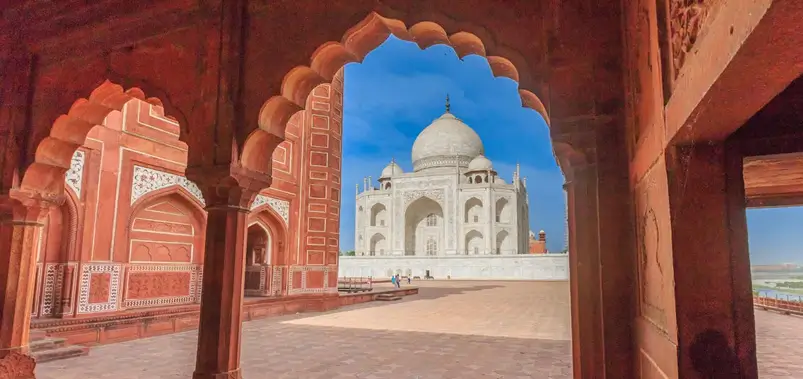
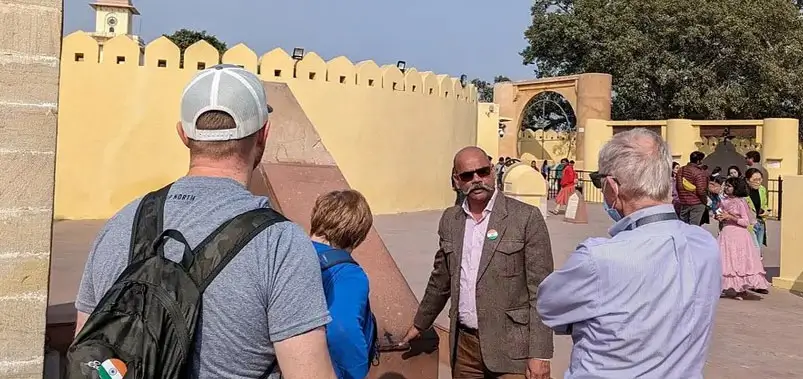
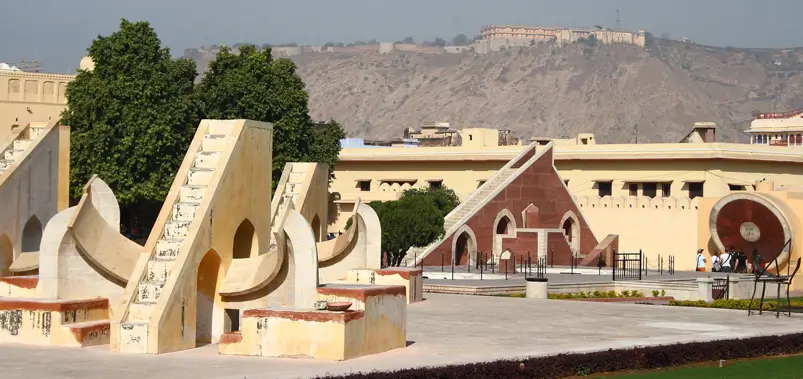
A knowledgeable guide at the Taj Mahal can explain architectural details, historical context and practical movement through the complex. In Jaipur, a professional guide can connect Amber Fort, City Palace and Jantar Mantar into a coherent historical narrative. In Jodhpur, Mehrangarh becomes considerably more meaningful when the traveler understands the people and events connected with its rooms, courtyards and defensive architecture.
A higher India private tour price should therefore provide access to reliable professional guides rather than simply increasing hotel spending.
Travelers requiring Spanish, French or German speaking guides should expect higher costs because specialist language professionals have more limited availability.
A full time escort represents another service category. The escort remains with the travelers between cities, assists with logistics and provides continuity throughout the journey. Accommodation, meals and professional fees for that person become part of the package.
For a couple comfortable with English, local city guides may be sufficient. For a larger group or travelers requiring continuous language support, the escort can be worth the additional cost.
Entrance fees rarely explain a major difference between a $300 and $500 daily tour, but including them can improve the travel experience.
A Golden Triangle and Rajasthan itinerary may contain the Taj Mahal, Agra Fort, Amber Fort, Jantar Mantar, City Palace, Mehrangarh Fort, Udaipur City Palace and several additional paid attractions. The cumulative amount becomes meaningful, particularly for foreign visitors.
A lower priced package may leave all tickets payable directly. This keeps the advertised tour rate down.
A stronger all inclusive private India tour may include the principal admissions, reducing the number of transactions required during sightseeing.
Neither approach is inherently wrong. The traveler simply needs to know which system is being used.
At the premium end, however, repeatedly discovering that important sightseeing admissions were excluded can feel inconsistent with the amount being paid.
Breakfast is normally the easiest meal to include because it is frequently part of the hotel rate.
Lunch and dinner are more complicated.
Two travelers eating at good restaurants can easily spend $60 to $120 per day together, while premium hotel restaurants and special dining can take the couple's daily food spending considerably higher.
Over ten days, $100 per day creates another $1,000 in trip expenditure.
Over fourteen days, the same average becomes $1,400.
Travelers comparing a $300 per day breakfast only package with a $400 per day arrangement containing premium meals should therefore value the meal inclusions rather than assuming the second company simply has a higher markup.
At the same time, full board is not always desirable. Private travelers may prefer choosing restaurants independently.
A well structured luxury India holiday package can include selected meals that matter while leaving ordinary lunches and dinners flexible.
An expensive room cannot compensate for a badly paced itinerary.
Consider a traveler attempting Delhi, Agra, Jaipur, Jodhpur, Udaipur and Jaisalmer in a very short period. The hotel list may look excellent, but the traveler will repeatedly pack luggage, check out, drive for hours and check in again.
A higher budget private journey should use some of its money to buy time.
This can mean adding another night.
It can mean taking a domestic flight instead of a very long road transfer.
It can mean staying two nights at a palace hotel instead of paying for one expensive night that lasts only twelve hours.
It can mean leaving an afternoon free rather than scheduling another monument simply because there is space on the itinerary.
A high end India private tour should feel private in the way time is used, not merely because no strangers are sitting in the vehicle.
Consider two travelers taking a ten day private journey through Delhi, Agra, Jaipur and selected Rajasthan destinations.
At approximately $250 per person per day, the combined land budget is around $5,000. A realistic allocation might use roughly $1,700 to $2,200 for accommodation, $900 to $1,300 for private transportation and transfers, several hundred dollars for guides and sightseeing, with the remaining amount covering operating costs and selected inclusions. The trip can be comfortable, private and well organized, but expensive palace stays will be limited.
At approximately $500 per person per day, the couple has a $10,000 land budget. Accommodation can move toward $3,500 to $4,500, transport can be upgraded, professional guides and entrance fees can be handled more comprehensively, and selected palace or premium hotel nights can be introduced. There is also more room for better paced routing and higher quality dining.
At approximately $800 per person per day, the couple has $16,000 for ten days. The hotel budget can comfortably move above $6,000, several premium properties can be used, transportation can be upgraded and private experiences can be added. Domestic flights, specialist guides and stronger concierge level arrangements become easier to absorb.
The destinations may remain almost identical.
The experience does not.
Travelers paying approximately $500 per person per day should not assume every possible luxury feature is included.
A $500 daily rate can still be insufficient for an itinerary built entirely around ultra premium hotels. If one room costs $1,000 per night, that room alone consumes the couple's entire combined daily budget before the vehicle, driver, guides, tickets, meals and operator services are paid.
This is why even relatively high India luxury tour prices need to be considered against actual hotel choices.
At $500 per person per day, travelers can receive an excellent premium journey.
They should not automatically expect unlimited ultra luxury.
Similarly, $800 per person per day does not create an unlimited budget.
Two travelers generate $1,600 per day. A palace suite costing $1,200 leaves only $400 for transportation, guiding, meals, tickets, transfers and other services.
If the itinerary includes multiple nights in extremely expensive suites, the daily average can exceed $1,000 per person rapidly.
Ultra luxury India travel has a very high ceiling.
The purpose of the $800 level is not to promise every expensive service available. It is to provide enough budget for a carefully selected combination of premium accommodation, private ground services and distinctive experiences.
Private tours become more efficient when several travelers share fixed services.
A couple may pay the complete cost of an Innova Crysta. Four travelers can divide the same vehicle cost across four people. A private guide who charges one professional fee for the group also becomes cheaper per person as group size increases.
Hotels behave differently because more travelers require more rooms.
This means India private tour cost per person generally falls most noticeably through transportation and guiding efficiencies.
A family of four may therefore receive a stronger service level for $400 per person per day than a solo traveler paying the same amount.
Solo travelers usually have the highest per-person cost because one person pays the full room and private vehicle expense.
Distribution structure can also influence the final price.
An international travel agency may design and sell the journey while using an Indian destination management company to operate it. Several businesses can therefore be involved between the traveler and the hotel or driver.
A direct local India tour operator may have fewer commercial layers.
That does not mean the direct operator should work without a margin. A professional local company has staff, administration, supplier relationships, payment costs and on ground responsibilities.
The potential advantage is that a larger percentage of the traveler's budget can sometimes go directly toward hotels, transport and local services.
This is particularly important for travelers spending $500 or $800 per person per day. A relatively small percentage difference on a $15,000 journey represents a substantial amount of money.
Headline price should never be evaluated without the exclusions.
A lower quotation may exclude monument tickets, guides, tolls, parking, driver allowance, hotel taxes, airport transfers and meals.
Another quotation may include most of them.
The first package can appear hundreds or thousands of dollars cheaper before the journey but become much closer in total cost once the traveler begins paying the missing expenses.
A professional private India tour quote should make these items visible before confirmation.
Travelers should particularly check domestic flights and baggage. An airfare may be included while checked luggage above a small allowance remains payable separately.
Safari permits and premium experiences should also be examined carefully.
For most private travelers, the first useful upgrade is accommodation quality and location. A well located, comfortable hotel affects sleep, breakfast and daily transfers.
The second is vehicle comfort, particularly on Rajasthan routes.
The third is guide quality.
The fourth is itinerary pacing.
After these elements are strong, additional money can be directed toward palace hotels, premium dining, suites and private experiences.
This order is important because a traveler can easily spend thousands of dollars on luxury decoration while leaving basic trip mechanics weak.
Golden Triangle Tours can structure the private India tour budget around the components that matter most to the guest. Mr. Nand Singh Rathore and his team can adjust hotel categories between cities, provide appropriate private transportation and arrange professional local guiding without requiring every day to carry the same spending level.
A private India journey should ultimately be evaluated by what the traveler receives for the complete price. Around $250 per person per day can produce a strong comfortable private trip when expectations are realistic. Around $500 can provide a substantially more premium experience with stronger hotels and inclusions. Around $800 can support high end accommodation and more personalized services. Above that level, India offers palace suites and specialized experiences capable of taking the budget considerably higher.
The important commercial question is not whether $250, $500 or $800 sounds expensive. It is whether the hotels, transportation, guiding, route and service provided at that price genuinely justify the amount.
We promise you a holiday where everything is taken care of from the moment you land. Trusted drivers waiting for you, handpicked hotels that fit your style, personalized itineraries designed just for your family, and a dedicated team on call 24/7. All you need to do is relax, explore, and create unforgettable memories, while we take care of every detail behind the scenes.
Compare the exact hotels and room categories, vehicle, guide services, monument admissions, meals, domestic flights, transfers, taxes and exclusions. Then examine the itinerary pace. A fair India private tour price is one where the service level and actual inclusions justify the complete amount rather than merely supporting an attractive luxury label.
They do not have to be, but the quotation should state their status clearly. At higher package levels, including major admissions can make the journey smoother and reduce repeated payments during sightseeing.
Yes. An Innova Crysta with chauffeur is widely suited to premium private road travel because it provides good passenger space and luggage capacity. Travelers seeking a more formal luxury experience can request premium sedans or SUVs at a higher cost.
Yes, particularly when palace hotels are used selectively rather than every night. A strong five-star hotel can be used in sightseeing-heavy cities while the traveler spends more on one or two distinctive palace stays.
Hotel names and room categories usually create the largest difference. Vehicle category, professional guides, meals, entrance tickets, domestic flights, airport services and the number of commercial layers involved in the booking also affect the final price.
Yes. $800 per person per day provides a substantial luxury budget for two travelers and can support premium hotels, selected palace properties, private transport and personalized services. Ultra-premium suites and specialized experiences can still push the daily rate much higher.
At approximately $500 per person per day, travelers can expect stronger five-star accommodation, an upgraded private vehicle, professional guiding, better inclusion of sightseeing expenses and selected premium or palace stays when the budget is allocated carefully.
Approximately $300 per person per day can provide good four-star or selected five-star accommodation, private transportation, professional guides in major cities and a comfortable itinerary for two travelers, depending on the route and inclusions.
It can fund a private trip when hotels and inclusions are selected carefully, but travelers should not expect premium five-star hotels, palace stays and extensive luxury services at that price. For a stronger private experience, budgeting above $250 per person per day provides more flexibility.
For two international travelers, a comfortable private India tour should realistically be budgeted around $250 to $350 per person per day when good accommodation, private transportation and professional services are required. Strong five-star journeys commonly require a higher budget.