Combining North and South India in a single private holiday gives international travellers a much broader view of the country than a Golden Triangle itinerary alone. Delhi, Agra and Jaipur provide Mughal architecture, royal palaces, historic forts, major monuments and the energetic atmosphere of North India. Kerala offers something completely different: tropical landscapes, backwaters, coastal influences, plantation regions, slower days and resort stays that can provide a welcome change of pace after intensive sightseeing.
A Golden Triangle and Kerala private tour works particularly well for travellers who have around two weeks available and do not want their first India holiday to consist entirely of monuments and city sightseeing. The contrast is the attraction. The first part of the journey can be culturally intensive, with private guides in Delhi, Agra and Jaipur. The second part can become noticeably slower, with longer hotel stays, backwater experiences, spa time and fewer scheduled hours each day.
The route does, however, require careful logistics. Delhi, Agra and Jaipur connect naturally by road, whereas Kerala is more than a simple extension from Rajasthan. A domestic flight is normally required to connect the two regions efficiently. The Kerala portion must then be structured around the arrival airport, the places the traveller actually wants to see and the international departure arrangements.
Trying to include Delhi, Agra, Jaipur, Kochi, Munnar, Thekkady, the backwaters and a beach within ten days can create exactly the kind of rushed holiday that luxury travellers are trying to avoid. A stronger itinerary gives each region enough time to feel distinct.
For Golden Triangle Tours, the most practical approach is to treat the journey as two connected chapters: a privately guided North India route followed by a carefully paced Kerala stay. The hotels, transportation and sightseeing style can then change naturally with the destination rather than forcing the same type of holiday across the entire country.
Delhi is the logical starting point for many North and South India luxury tours because it receives a large number of international flights and provides direct access to the Golden Triangle. Yet the first mistake travellers often make is scheduling too much sightseeing immediately after arrival.
Someone landing after a long haul flight needs an itinerary that reflects the actual arrival time. A traveller arriving in the evening may simply require a private airport transfer, hotel check-in and dinner. Someone arriving early in the morning may want immediate room access and several hours of rest before doing anything else. If guaranteed early access is essential, that should be handled through the hotel booking rather than relying entirely on a complimentary early check-in request.
Two or three nights in Delhi provide enough time to experience the capital without beginning the holiday exhausted. The city can be divided into logical sightseeing periods rather than compressed into one marathon day.
Old Delhi provides the historical intensity many travellers expect when they imagine India. Depending on personal interests and current access arrangements, a privately guided programme can focus on the historic city, markets, religious sites and Mughal-era context. The purpose of having a personal guide is not to rush between as many places as possible. It is to make a complex city easier to understand.
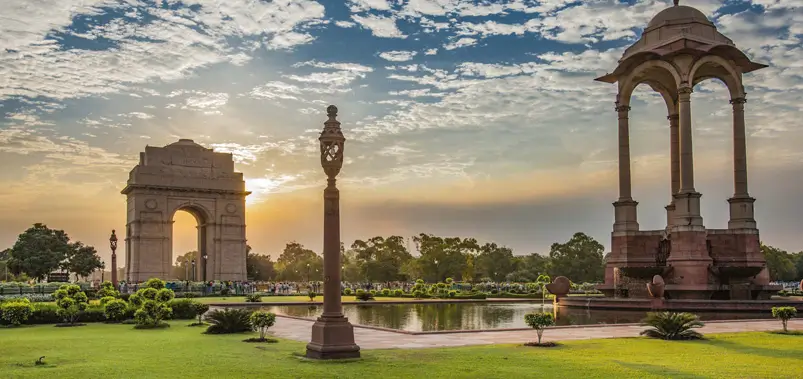
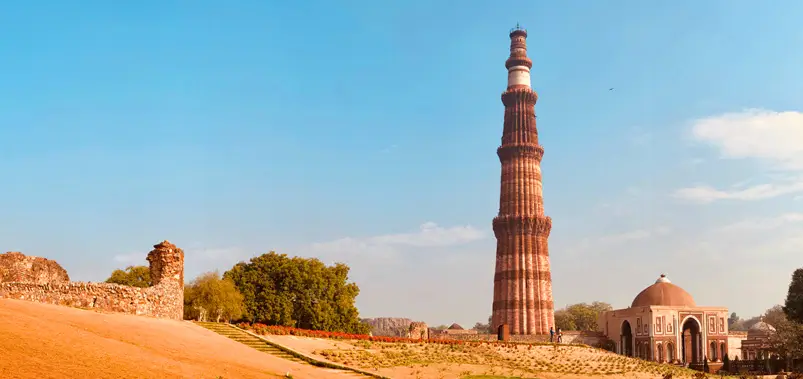
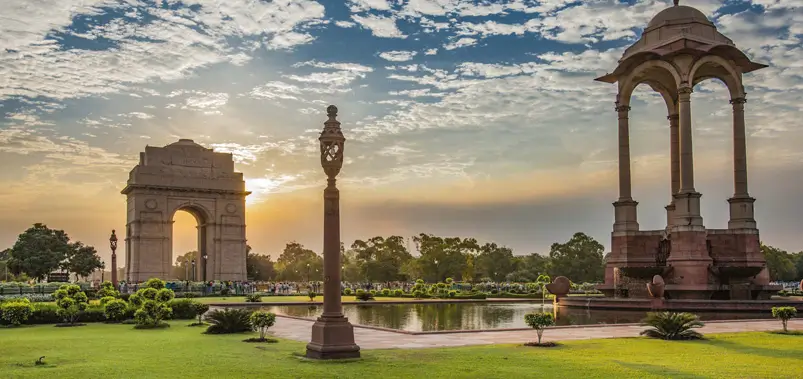
New Delhi presents a very different environment. Humayun's Tomb is especially valuable before travelling to Agra because its Mughal architecture creates a useful historical connection with the Taj Mahal. Qutub Minar can add another period of Delhi's architectural history, while the central government district provides a broader sense of the city's political and colonial-era development.
A private Delhi sightseeing tour should also preserve flexibility. If travellers are tired after the morning programme, lunch can be extended and a less important afternoon stop removed. If they are particularly interested in one monument, more time can be spent there without worrying about a coach group waiting.
Hotel selection in Delhi should prioritise comfort and location. Guests beginning a substantial India journey may appreciate an excellent spa, quiet rooms and reliable dining because they are still recovering from the international flight. Business travellers may want a larger room or suite with suitable working space. Families may require connecting rooms or additional accommodation for children.
The goal is to begin the holiday properly rather than treating Delhi as something that must be completed quickly before reaching the Taj Mahal.
Combine the Golden Triangle with Kerala's serene backwaters in one seamless private tour. Contact our experts for a custom itinerary with 5-star stays and private transfers.
Delhi to Agra is one of the most straightforward road sectors on the Golden Triangle and is well suited to a private chauffeur India tour. Travellers can leave Delhi after breakfast and continue towards Agra in a comfortable private vehicle, allowing suitable time for the journey and comfort stops.
Road times should never be treated as exact guarantees. Traffic leaving Delhi, local conditions and stops can affect the schedule. A luxury itinerary should therefore avoid placing unnecessary fixed commitments immediately after the expected arrival time.
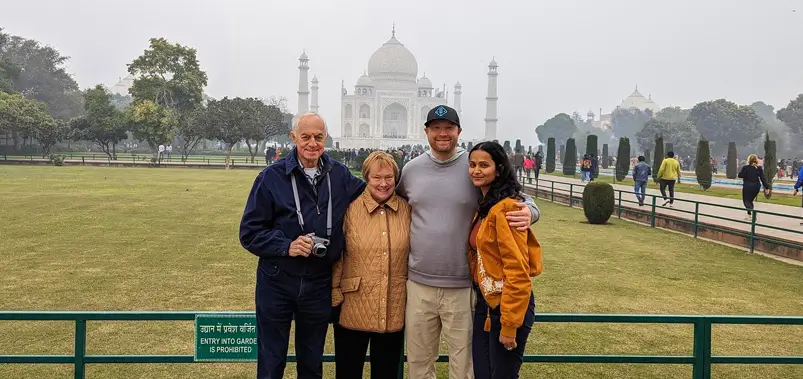
Agra deserves an overnight stay for travellers who want the Taj Mahal to feel like a central part of the holiday rather than a brief stop between long road journeys.
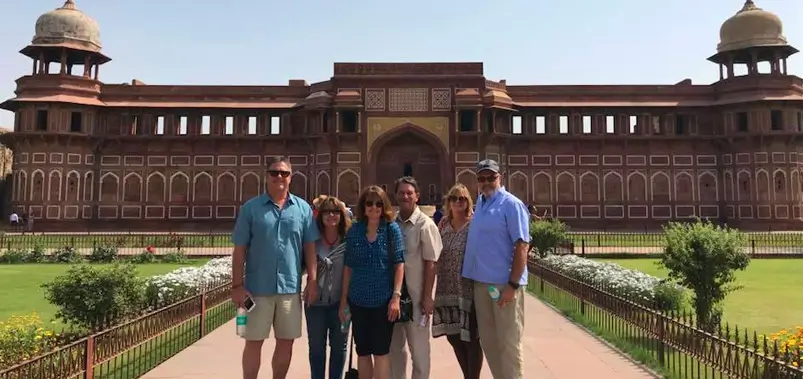
Agra Fort can be visited with a private guide and provides important historical context for the Mughal period. Its palaces, courtyards and defensive architecture help travellers understand that Agra's importance extends beyond a single monument.
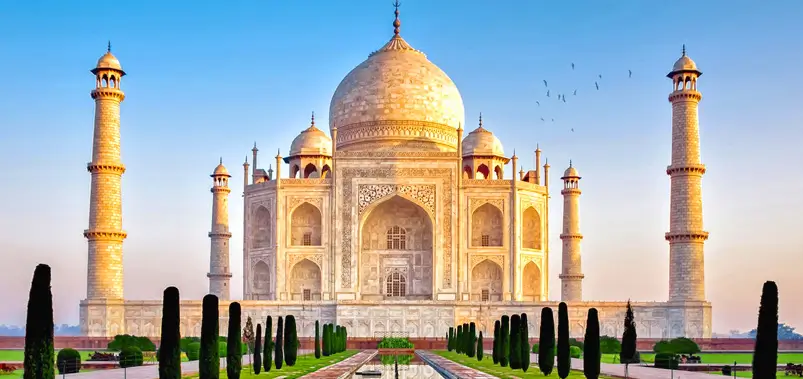
The Taj Mahal can then receive the attention it deserves.
The monument is generally open from sunrise to sunset and is normally closed to general visitors on Fridays. The exact operating arrangements, ticket categories and current visitor rules should be checked for the relevant travel date. A well designed itinerary positions Agra on the correct day rather than attempting to repair a basic scheduling mistake after the hotels have been booked.
For travellers spending significantly on a luxury Taj Mahal tour, hotel selection can enhance the experience. The Oberoi Amarvilas is among the properties frequently considered by premium travellers because of its location and association with Taj Mahal views. Guests should nevertheless check the exact room category because hotel marketing photographs should never be assumed to represent every room.
A one night stay also requires sensible decisions about upgrades. A couple may decide that paying more for a particularly meaningful view is worthwhile. Another traveller may prefer an excellent room and allocate the saved budget to a longer Kerala resort stay.
Neither decision is wrong.
What matters is that the hotel expenditure reflects what the traveller values.
After Agra, the route can continue towards Jaipur by private vehicle. Fatehpur Sikri may be incorporated according to interest and timing, but the transfer should not be overloaded with stops simply because they are geographically possible.
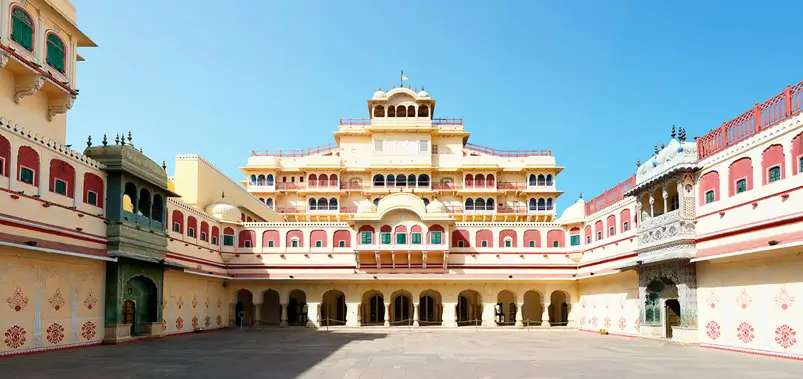
Jaipur should normally receive at least two full sightseeing periods within a Golden Triangle Kerala itinerary, especially for travellers staying at a premium palace or resort property. The city combines major historical attractions with shopping, crafts, food and hotel experiences that can justify a longer stay.
Amber Fort is one of the principal visits and is best approached with enough time to appreciate the architecture rather than treating it as a quick morning photo stop. A knowledgeable local guide can explain the fort's defensive setting, palace areas, courtyards and decorative details while adjusting the depth of information according to the traveller's interests.
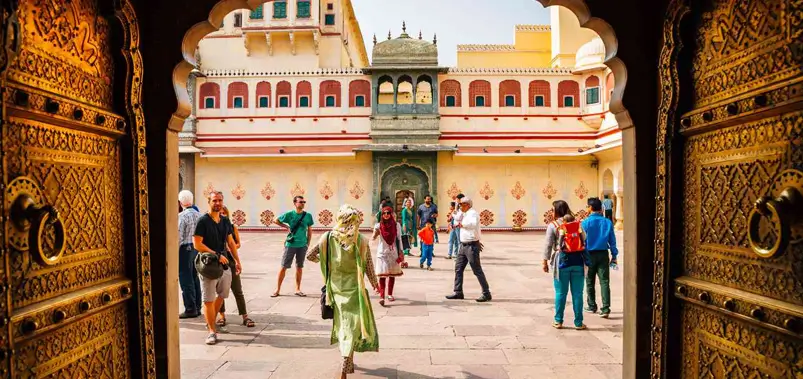
City Palace offers a different perspective on Jaipur's royal history, while Jantar Mantar provides one of the city's most distinctive intellectual experiences through its astronomical instruments. Travellers interested in architecture and history may want more time at these sites than visitors primarily interested in photography.
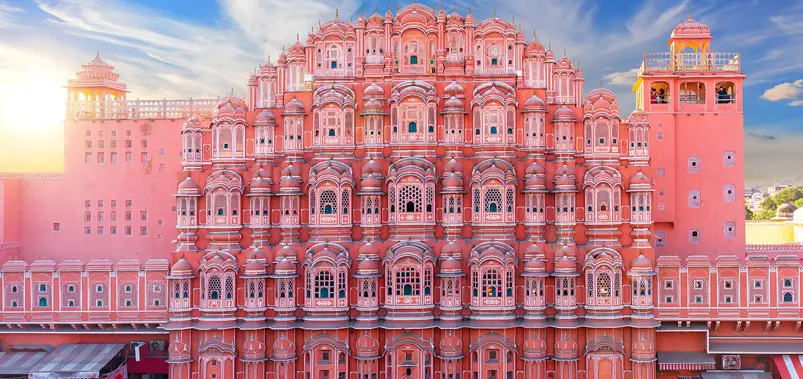
Hawa Mahal is another important visual symbol of Jaipur, but the itinerary should not become a checklist. Private travel gives guests the freedom to decide which sites deserve extended visits and which can remain shorter stops.
Jaipur is also one of the strongest destinations for travellers interested in jewellery, gemstones, textiles and traditional crafts. Specialist visits can be arranged for guests who genuinely want them. They should not be treated as compulsory additions to every private tour. High end travellers generally value control over their time and should not feel that sightseeing is being redirected into unwanted shopping.
Accommodation can become a major component of the Jaipur experience. Rambagh Palace appeals to travellers who want a celebrated palace hotel setting, while The Oberoi Rajvilas offers a more resort oriented environment with extensive grounds and a different sense of privacy.
A luxury Jaipur palace hotel stay is most worthwhile when the schedule allows the guest to use the property. Three nights can provide a sightseeing day, a lighter second programme and meaningful hotel time. That may include a long breakfast, spa appointment, afternoon by the pool or dinner without another scheduled activity immediately afterwards.
This becomes particularly useful before flying south.
Delhi, Agra and Jaipur are relatively intensive destinations. By the time guests finish the Golden Triangle, they may have spent several days visiting monuments, walking through forts, driving between cities and processing a considerable amount of history.
Kerala should not continue at the same speed.
It should change the rhythm of the holiday.
Experience royal palaces and tropical backwaters in a single luxury trip. Get expert guidance from our specialists to design your personalized India itinerary.
The transition between Jaipur and Kerala requires more thought than the road sectors of the Golden Triangle. Kerala is located far to the south, so attempting to connect the regions overland would consume far too much time for most luxury travellers.
Flying is the practical solution.
Depending on airline schedules and the exact itinerary, travellers may connect from Jaipur or route through a major aviation hub. Flight schedules can change, and not every desired city pair necessarily operates conveniently every day, so the domestic flight should be checked for the actual travel dates before the surrounding hotels are finalised.
This is an important point when creating a Golden Triangle with Kerala package.
The itinerary should be built around realistic flight operations rather than writing an attractive sequence of cities first and assuming a convenient flight will appear later.
Baggage allowances require attention as well.
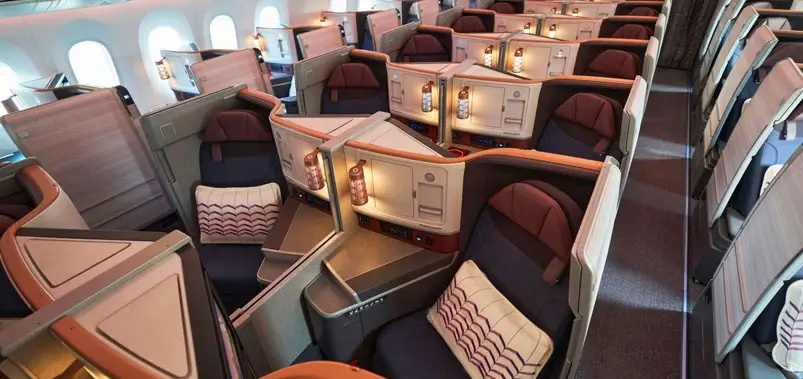
Travellers arriving internationally in business class may be accustomed to generous checked baggage allowances. Their domestic India ticket may provide a different allowance depending on airline and fare type. A couple carrying several large suitcases can therefore face additional baggage costs unless this is considered when the internal flight is booked.
Airport time also needs to be included when evaluating the day.
A flight of two or three hours does not mean the transfer consumes only two or three hours. Guests must leave the hotel, travel to the airport, complete check-in and security, fly, collect baggage and transfer from the arrival airport to the Kerala hotel.
For that reason, the North to South transfer should normally be treated as a travel day rather than trying to attach substantial sightseeing to both ends.
If guests arrive in Kochi during the afternoon or evening, a relaxed hotel check-in and dinner can be more appropriate than immediately beginning a city tour.
Private airport transportation should be waiting according to the confirmed flight. If the flight changes significantly, the Kerala transfer needs to be adjusted.
This is another reason why booking the journey as an integrated private India luxury tour can be useful. The Delhi–Agra–Jaipur road arrangements, domestic flight and Kerala transfers can be considered as connected parts of one itinerary rather than unrelated reservations.
Kochi is a natural entry point for many Kerala itineraries and provides a useful transition between the monument heavy Golden Triangle and the slower landscapes that follow.
Fort Kochi has a distinct historical character shaped by maritime trade and multiple cultural influences. A private guide can help travellers understand the area's history without turning the visit into another long day of compulsory sightseeing.
Depending on interests and operating conditions, the programme can include selected heritage areas, religious buildings, waterfront locations and neighbourhood walks. The exact combination should be based on what the guest finds interesting rather than trying to cover every attraction in a single day.
For travellers interested in food, Kochi can also introduce Kerala's culinary traditions. Seafood, coconut, spices and regional preparations create a clear contrast with many of the North Indian dishes encountered earlier in the holiday.
A private Kochi luxury tour can therefore combine heritage with a slower food focused or neighbourhood experience.
The hotel should also support the transition. After the Golden Triangle and a domestic flight, guests may not want another property where every hour is filled with formal activity. A comfortable heritage or luxury hotel with a strong location can allow the evening to remain flexible.
Two nights can work well for many travellers. One night is possible, but it increases the proportion of the Kerala trip spent checking in and out of hotels.
This is an important principle throughout the South India portion.
The objective is not to collect Kerala destinations. It is to allow the landscape, accommodation and pace to feel materially different from North India.
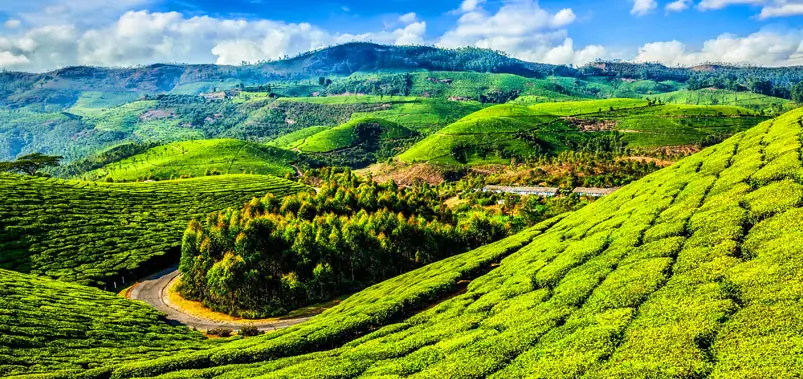
Munnar provides a dramatic visual change from both Rajasthan and coastal Kerala. The region is known for its hill landscapes and tea-growing areas, making it particularly appealing to travellers who want the Kerala portion to include more than backwaters and beaches.
Getting there requires a substantial road transfer from the Kochi region. The drive can be scenic, but it is still a transfer and should be scheduled accordingly. Travellers prone to motion discomfort should also be aware that hill roads can feel very different from the expressways used on the Golden Triangle.
Two nights is a sensible minimum for a luxury Munnar private tour if the destination is included at all. Arriving in the evening and leaving the following morning would provide little value after investing several hours in the road journey.
The strongest Munnar experience is not necessarily created by adding numerous sightseeing points. Travellers may prefer a plantation-focused experience, scenic driving, guided walking where suitable and substantial time at a well-positioned resort.
The climate can also feel cooler than the lowlands, although conditions vary by season and elevation. Travellers should pack accordingly rather than assuming all of Kerala will have identical tropical temperatures.
Hotel selection becomes especially important because the views and setting are central to the reason for visiting. A resort surrounded by the hill landscape can provide more value than a larger room in a less attractive position.
This is another situation where paying for location can matter more than paying purely for suite size.
Guests interested in tea can spend time understanding cultivation and processing through suitable local experiences. As with all specialist activities, the quality and format should be confirmed rather than relying on generic descriptions.
Munnar should not automatically be included in every Golden Triangle and Kerala trip. Travellers with only four or five nights available in Kerala may obtain more value from concentrating on Kochi, the backwaters and one relaxing resort.
With six or seven nights available in Kerala, Munnar becomes much easier to justify.
For many international travellers, the backwaters are one of the principal reasons to add Kerala to a North India holiday. The network of waterways, villages, vegetation and waterside life provides an environment completely different from Delhi, Agra or Jaipur.
Yet the backwater experience needs to be selected carefully.
Houseboats are widely associated with Kerala, but quality can vary significantly. Travellers booking a luxury Kerala backwater tour should look beyond photographs and understand the vessel category, cabin configuration, air-conditioning arrangements, meals, crew and operating schedule.
An overnight private houseboat can appeal to guests who specifically want to sleep on the water. The experience normally includes cruising periods, meals and quieter overnight hours according to local operating practices and conditions.
Other luxury travellers may prefer staying at a high-quality backwater resort and taking a private daytime cruise instead.
That alternative can be particularly attractive for travellers who value a larger hotel room, full resort facilities, a swimming pool, spa services and more dining flexibility. They still experience the waterways without making the boat their overnight accommodation.
Neither approach should automatically be described as superior.
A couple seeking romance and novelty may love a private overnight houseboat. A family or traveller accustomed to very high-end hotels may prefer the resort-and-cruise combination.
The route matters too. Alleppey and Kumarakom are both associated with backwater tourism but provide different accommodation and cruising possibilities. The exact choice should fit the wider Kerala itinerary.
Backwater days should remain relatively light.
After more than a week of forts, palaces and city sightseeing, spending several hours watching the landscape move slowly past the boat can be exactly what the holiday needs. Adding multiple additional activities simply because the schedule looks empty can weaken the purpose of coming to Kerala.
For a luxury Kerala holiday after the Golden Triangle, the backwaters should mark the point where the pace changes decisively.
Kerala has a strong association with Ayurveda, and many luxury travellers want to incorporate wellness into the second half of their India holiday. This can range from a spa treatment inspired by Ayurvedic traditions to a more structured wellness programme.
The distinction matters.
A traveller wanting relaxation may be completely satisfied with high-quality spa treatments, yoga and several quiet days at a resort. Someone seeking a serious therapeutic Ayurvedic programme is considering a different type of experience that may involve professional consultation, dietary restrictions and a more structured daily routine.
A luxury Ayurveda Kerala tour should therefore be described accurately.
Wellness treatments should not be marketed as guaranteed cures for medical conditions. Travellers with health concerns should obtain appropriate professional medical advice rather than relying on tourism marketing.
For many Golden Triangle travellers, the most suitable arrangement is simply to incorporate restorative wellness into the Kerala stay.
After Delhi, Agra and Jaipur, a couple may appreciate a massage, yoga session, long breakfast and free afternoon. This does not need to become a medical programme to have value.
Resort selection should match the intended level of wellness. A property with a serious wellness focus provides a different experience from a general luxury hotel that happens to have a spa.
The amount of time available matters as well.
A single treatment during a two-night stay is easy to incorporate. A structured wellness programme may require several days and should therefore influence the entire Kerala itinerary rather than being added at the last moment.
This is where a bespoke India wellness itinerary becomes useful. Guests can decide how much of Kerala they want to devote to sightseeing and how much they want to reserve for rest.
After a culturally intensive Golden Triangle and a varied Kerala route, many travellers benefit from ending with two or three nights in one place where very little is scheduled.
A coastal resort can provide that ending.
The purpose is not to add another destination simply to increase the number of places visited. It is to create a genuine holiday period before the long international journey home.
Travellers can use the time for swimming where local conditions permit, spa treatments, reading, dining and sleeping without an alarm. A final resort stay also provides an opportunity to repack, organise purchases and recover from the cumulative effects of multiple transfers.
A Kerala luxury beach extension should be chosen according to the quality of the property and the practicality of the departure route. A beautiful resort becomes less attractive if reaching the international airport requires an exhausting transfer immediately before a long-haul flight.
The international departure city should therefore influence the entire Kerala sequence.
If the guest is flying home from Kochi, the final destination should be positioned sensibly in relation to Kochi airport. If the international ticket departs from another Indian gateway, a domestic connection may be necessary.
A same-day connection can sometimes work, but expensive international flights deserve sensible buffers. A missed long-haul departure can cost far more than an additional hotel night.
For travellers who prefer culture to beaches, the final slow stay does not necessarily need to be coastal. A backwater resort or another carefully selected Kerala property can serve the same purpose.
The essential feature is time.
After seeing some of India's greatest monuments, the holiday should not end with another frantic checkout and sightseeing list.
A Golden Triangle and Kerala combination is technically possible in a relatively short period, but luxury travellers should distinguish between possible and enjoyable.
Around twelve nights can provide a workable introduction if the route is selective. Delhi, Agra and Jaipur can occupy approximately six nights, followed by a flight south and five or six nights in Kerala.
Fourteen nights provide considerably more freedom.
A 14-day Golden Triangle and Kerala tour can allocate two or three nights to Delhi, one night to Agra, three nights to Jaipur and approximately six or seven nights to Kerala, depending on flight timings and departure arrangements.
With that amount of time, travellers should still resist including every Kerala destination.
For example, Kochi, Munnar and the backwaters can form a coherent route. Kochi, the backwaters and a resort stay can provide an even slower alternative. Adding Munnar, Thekkady, Alleppey, Kumarakom and a beach within the same limited period creates repeated hotel changes.
Fifteen or sixteen nights provide even more flexibility for travellers who want both hill country and a final coastal stay.
Senior travellers may particularly appreciate the longer format. Families with children can also benefit because transfer days can be followed by lighter programmes.
A high-end itinerary should never be measured by the number of destination names appearing in the proposal.
The better measure is whether each destination has enough time to justify the effort required to reach it.
Combining North and South India creates a higher overall ground cost than a short Golden Triangle package because the trip includes more nights, a domestic flight, additional private transfers and more hotels.
The accommodation level remains the largest variable.
A couple using strong five-star hotels, private chauffeur-driven transportation in the Golden Triangle, personal guides and premium Kerala resorts can reasonably expect a multi-thousand-dollar ground budget.
For a two-week luxury Golden Triangle and Kerala tour for two, a budget above $10,000 can be realistic when high-quality five-star hotels and comprehensive private arrangements are used. Moving into India's leading palace properties, premium room categories, high-end Kerala resorts and private experiences can move the overall ground cost towards approximately $15,000–$25,000 or higher.
Ultra-luxury travel can exceed these figures substantially.
A few nights in premium suites at landmark hotels can add thousands of dollars. High-demand dates can also produce significant rate increases.
The strongest approach is to distribute the budget according to experience.
A traveller might use an excellent luxury room in Delhi, spend more for Agra because the Taj Mahal is a lifelong priority, select a palace stay in Jaipur and then allocate substantial budget to a private backwater or wellness resort in Kerala.
Another couple may prefer excellent rooms throughout and use the savings to add three extra nights.
Domestic flights should be priced according to the actual date and baggage requirement. Premium transfers, special dining, spa treatments and private activities can then be incorporated according to interest.
A detailed quotation should identify what is included rather than relying on a single “luxury package” figure.
The strongest North-and-South itinerary should feel connected even though the destinations are dramatically different.
Delhi introduces India's historical layers. Agra provides the Taj Mahal and Mughal heritage. Jaipur moves the journey towards Rajasthan's royal architecture. Kerala then changes the landscape, cuisine, climate and pace.
The contrast is the reason the combination works.
Golden Triangle Tours can arrange the North India portion with private chauffeur-driven transportation and personal guides, then coordinate the domestic connection and private Kerala arrangements according to the confirmed itinerary.
The exact route should depend on available nights.
Travellers with limited time should not feel pressured to add Munnar simply because it appears on many Kerala itineraries. Travellers uninterested in beaches can devote those nights to the backwaters or a wellness property. Guests who have already visited Delhi can shorten the capital and spend more time in South India.
A tailor-made Golden Triangle and Kerala tour should therefore change according to the traveller rather than forcing every guest through an identical route.
For high-end travellers, the final result should provide two distinct experiences within one holiday: the architectural and historical intensity of North India followed by the tropical, slower character of Kerala.
When enough time is allocated to both, the combination can provide considerably more variety than adding another succession of North Indian cities.
We promise you a holiday where everything is taken care of from the moment you land. Trusted drivers waiting for you, handpicked hotels that fit your style, personalized itineraries designed just for your family, and a dedicated team on call 24/7. All you need to do is relax, explore, and create unforgettable memories, while we take care of every detail behind the scenes.
Around twelve nights can work with a selective route, while approximately fourteen nights provides a much more comfortable balance. Travellers wanting several Kerala regions plus substantial resort time may prefer fifteen or sixteen nights.
A practical route can begin with Delhi, Agra and Jaipur, followed by a domestic flight south and a Kerala itinerary based around Kochi, the backwaters and one or two additional destinations according to the available time.
Yes. These three destinations connect naturally by road and are well suited to a private chauffeur-driven Golden Triangle tour.
Flying is generally the practical way to connect Rajasthan with Kerala, although the best routing depends on airline schedules for the actual travel dates. Direct and connecting options should be checked before hotels are finalised.
Munnar can be worthwhile for travellers interested in tea country, cooler hill landscapes and resort stays. With limited Kerala time, concentrating on Kochi and the backwaters may provide a more relaxed trip.
It can be, provided the vessel and cabin standard meet the traveller's expectations. Some high-end guests prefer a luxury backwater resort combined with a private daytime cruise instead of sleeping on a houseboat.
Yes. Travellers can incorporate spa treatments, yoga or more structured Ayurvedic wellness arrangements. Medical or therapeutic programmes should be distinguished from general resort spa experiences.
Yes. The slower pace of the backwaters, hill resorts and coastal properties can provide a strong contrast after the more sightseeing-intensive Delhi, Agra and Jaipur portion.
A high-quality private two-week journey can exceed $10,000 in ground arrangements for two travellers. Premium palace hotels, suites and high-end Kerala resorts can move the cost towards roughly $15,000–$25,000 or considerably higher depending on dates and accommodation.
Yes. Golden Triangle Tours can arrange the Delhi, Agra and Jaipur portion with private transport and personal guides and coordinate the onward Kerala itinerary with domestic connections, luxury hotels, private transfers and selected experiences according to the traveller's preferred pace.