Travellers searching for an India holiday frequently encounter two very different ways of booking. The first is a ready-made package with predetermined cities, hotel categories, sightseeing and duration. The second is a tailor-made India tour built around the traveller's dates, interests, hotel preferences, pace and budget.
Both can be private. Both can use good hotels. Both can include Delhi, Agra and Jaipur. The difference lies primarily in how much of the itinerary existed before the traveller made the enquiry.
A ready-made Golden Triangle tour package might offer Delhi, Agra and Jaipur over six or seven days with a defined sequence of sightseeing. It can be convenient for a first-time visitor who likes the route and does not need substantial changes. The traveller can understand the basic structure quickly and move towards confirmation without spending days discussing every detail.
A tailor-made journey starts differently. The route is shaped around the guest. Someone arriving from London at night may want three nights in Delhi before travelling to Agra. A couple flying from the United States may want a light arrival day because of the long journey. A family may require connecting rooms and a larger private vehicle. A repeat visitor may want only a short Delhi stay before continuing into Rajasthan.
The distinction becomes particularly important at the luxury end of the market. When accommodation can range from excellent five-star hotels to landmark palace properties and premium suites, simply choosing a package labelled “luxury” does not provide enough information.
For Golden Triangle Tours, both structures can serve different travellers. The important issue is knowing what level of control is required before paying for a journey that may involve several hotels, hundreds of kilometres of road travel and a substantial overall budget.
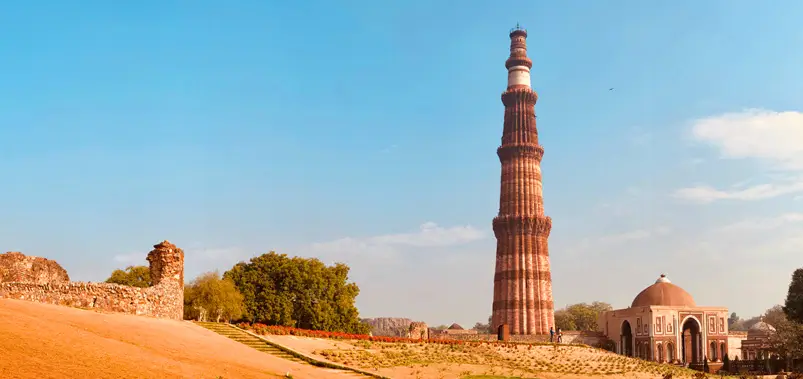
A ready-made tour starts with an itinerary that already exists. The cities, number of nights and principal sightseeing are normally established before the traveller makes contact. A typical private Golden Triangle package might begin with arrival in Delhi, continue to Agra for the Taj Mahal and Agra Fort, travel onwards to Jaipur and eventually finish with a transfer back towards Delhi.
For travellers who already want that exact route, there is nothing inherently inferior about this approach. In fact, it can make the booking process faster because many of the major decisions have already been made. The traveller can examine the proposed number of nights, hotels, sightseeing and price before deciding whether the structure suits them.
Ready-made does not necessarily mean group travel. A pre-designed itinerary can still provide a private chauffeur-driven vehicle and personal guides. The distinction is that the route has been prepared in advance rather than created specifically around one enquiry.
This structure works particularly well when the traveller has a limited amount of time and wants the major Golden Triangle landmarks. Delhi, Agra and Jaipur naturally connect by road, so there is a logical reason that many itineraries follow a similar geographic sequence.
Problems arise when a traveller assumes a fixed package will behave like a completely bespoke one.
A six-day itinerary cannot absorb unlimited additions without changing its pace. Adding another Delhi sightseeing day, a Ranthambore safari and an extra night in Jaipur while keeping the original departure date means something else must be removed or compressed.
The same applies to hotels.
A ready-made package may have been priced using specific hotels or hotel categories. Replacing a standard luxury hotel with a famous palace property is not merely a cosmetic change. The nightly rate may be substantially higher, particularly during busy periods. Changing several hotels can therefore transform both the character and cost of the original package.
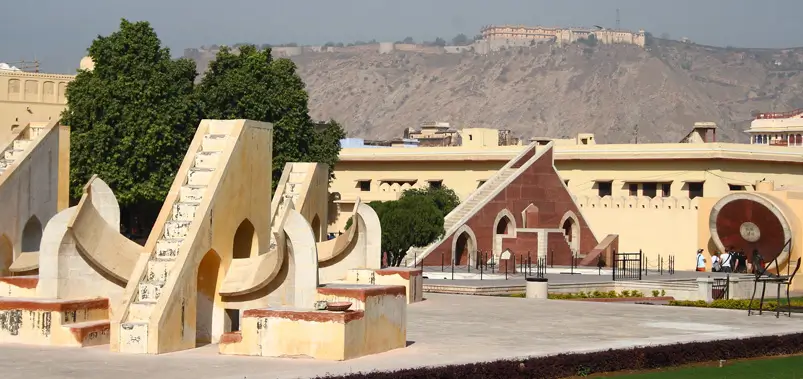
Sightseeing may also have a standard structure. Delhi could include a selection of Old and New Delhi landmarks, Agra could contain the Taj Mahal and Agra Fort, and Jaipur could include Amber Fort, City Palace and Jantar Mantar.
That is a strong first-time route, but it will not suit every traveller equally.
An architecture enthusiast may want much more time at individual monuments. A family with younger children may want fewer sites. A traveller who dislikes shopping may want all commercial stops removed. Someone interested in textiles may want a dedicated Jaipur craft experience.
The more such changes accumulate, the less useful the original ready-made package becomes.
At that stage, moving towards a custom India itinerary usually makes more sense than repeatedly modifying a product designed for a different type of guest.
Skip the rigid, pre-packaged itineraries. Work directly with our travel experts to craft a personalized India journey built entirely around your pace, preferences, and handpicked luxury stays.
The starting point of a bespoke journey is not a hotel list. It is information about the traveller.
Travel dates come first because accommodation availability and pricing depend on them. Passenger numbers follow because a couple, family and larger private group require different vehicles, room arrangements and guiding.
The next question is what the guests actually want from India.
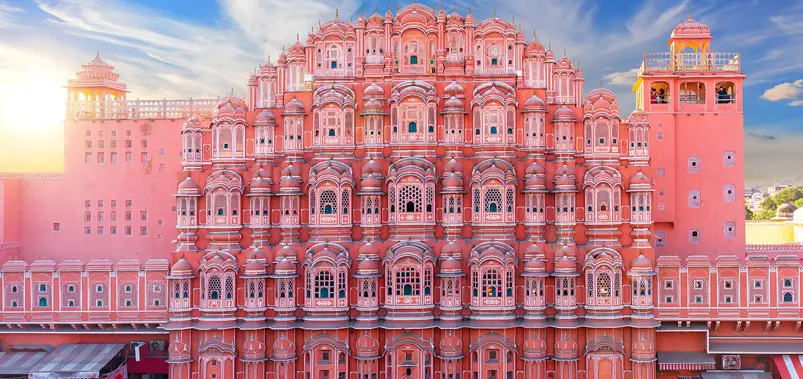
For a first-time couple, the Taj Mahal may be non-negotiable. They may also want Jaipur's royal architecture but have little interest in visiting every major Delhi monument. A bespoke Golden Triangle itinerary can reflect that by giving more time to Agra and Jaipur rather than automatically dividing the trip according to a standard template.
Hotel preferences should then be discussed in meaningful terms.
Saying “luxury” is not enough. Does the traveller prefer contemporary hotels, historic palaces, quiet resorts or smaller boutique properties? Do they want a suite in every destination, or would they rather spend heavily on two exceptional stays and use excellent standard luxury rooms elsewhere?
The answers affect both price and experience.
Pace is equally important. Some guests genuinely enjoy full sightseeing days. Others prefer breakfast at leisure, a substantial morning visit, a long lunch and free time before dinner. Senior travellers may want shorter walking periods. Business owners may require certain afternoons free for calls.
A tailor-made luxury India holiday can reserve that time before the guest arrives instead of forcing it into an itinerary already filled with activities.
International flight timings also influence the structure. A traveller arriving in Delhi at 11:00 p.m. should not receive the same first-day schedule as someone who arrived the previous afternoon. Guests coming from North America may appreciate additional recovery time after a long-haul journey.
The departure city matters too.
If the journey ends in Jaipur but the international flight leaves from Delhi, the route must account for the final transfer. If the traveller continues into Rajasthan and eventually flies internationally from Mumbai, returning to Delhi may be unnecessary.
This is one of the most important differences between a ready-made and bespoke tour. The tailor-made route can be built around the entire trip rather than forcing the international flights around a fixed land itinerary.
Personal interests can also influence guide selection. Travellers interested in Mughal history, architecture, food, photography, jewellery or textiles do not need identical sightseeing.
The itinerary becomes more useful when those preferences alter what happens during the day rather than simply appearing in the enquiry notes.
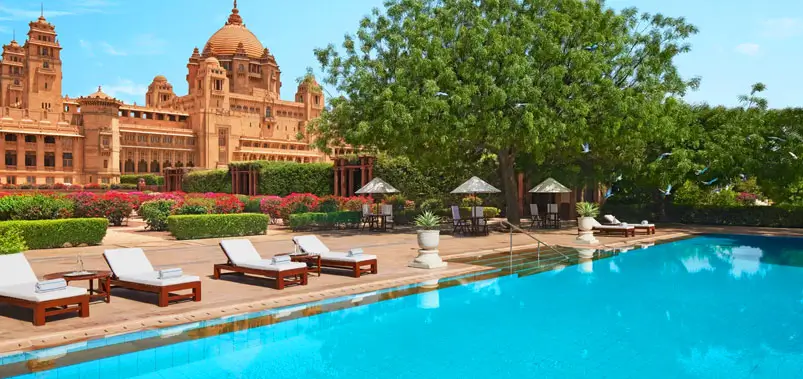
Accommodation can make two apparently similar India tours feel completely different.
A ready-made package often uses a preselected hotel list or category because that allows the operator to price the journey consistently. This can work well when the traveller is satisfied with those properties.
A bespoke trip treats each city independently.
Delhi may need a highly comfortable international-standard hotel because the guest is recovering from a long flight. Agra may justify a significant hotel upgrade because the Taj Mahal is the emotional centre of the trip. Jaipur may deserve a palace or resort where the guest has enough time to enjoy the property.
A luxury hotel Golden Triangle tour should therefore be judged city by city.
Consider a traveller who has a fixed accommodation budget. Putting the same amount into every night may not produce the strongest result. Spending more in Jaipur for a longer palace stay and less on a brief Delhi transit night may be more satisfying.
Room category creates another major difference.
Ready-made packages are commonly priced around specific base or premium room categories. A traveller requesting a suite may need a supplement. With a bespoke journey, suite selection can be considered from the beginning and balanced against the wider budget.
The Oberoi Amarvilas in Agra, Rambagh Palace in Jaipur and The Oberoi Rajvilas in Jaipur represent the kind of properties that can materially alter the price of a premium Golden Triangle trip. The value is not simply in having a prestigious name on the itinerary. The guest should have enough time to benefit from the setting and facilities.
This is especially important in Jaipur.
A traveller paying for an exceptional resort but leaving at 7:00 a.m. and returning after dinner has limited opportunity to enjoy what they purchased. A tailor-made schedule can deliberately preserve an afternoon for the property.
Families have additional accommodation requirements. Connecting rooms, adjacent rooms and larger suites should be considered before booking. Historic properties may have layouts that make room proximity more complicated, so assumptions should be avoided.
Early check-in can also influence hotel selection and cost. A guest arriving in Delhi very early after an overnight international flight may want immediate access to the room. If that access is essential, reserving the previous night may be more dependable than requesting complimentary early check-in subject to availability.
The difference is therefore not simply “standard hotel versus luxury hotel.” It is whether accommodation is being fitted into an existing package or selected according to how the traveller will actually use each destination.
Whether you prefer the convenience of a ready-made package or the total freedom of a tailor-made itinerary, our team is here to help you choose, customize, and plan a seamless travel experience to India.
Private transportation is common in both ready-made and tailor-made Golden Triangle tours, but the details can differ considerably.
A standard package may include a predetermined vehicle category according to the number of passengers. For a couple travelling with normal luggage, that may be completely adequate.
A bespoke itinerary allows the vehicle to be selected according to comfort rather than minimum capacity.
A couple with several large international suitcases may prefer a larger vehicle. A multi-generational family may want easier entry and exit. High-net-worth travellers may prioritise additional space because they expect to spend several hours at a time travelling between cities.
A chauffeur-driven Golden Triangle tour should account for the fact that the vehicle is used repeatedly, not merely for one airport transfer.
The Delhi-to-Agra and Agra-to-Jaipur sectors make this particularly important. Comfort during these journeys can influence the overall impression of the holiday.
Guide arrangements can also be standardised or personalised.
A ready-made private tour may include an English-speaking local guide for the principal sightseeing in Delhi, Agra and Jaipur. For many first-time visitors, this is exactly what is required.
A tailor-made itinerary can go further when the traveller has specific interests or language requirements.
A French-speaking family may want French-speaking guides. An architecture enthusiast may prefer someone capable of providing deeper historical interpretation. A family travelling with children may want a guide comfortable communicating with different age groups.
The number of guided hours can also change.
Some travellers want a guide throughout each sightseeing day. Others prefer guided visits at major monuments and independent time afterwards.
Shopping preferences should be discussed explicitly. Travellers who want jewellery, textiles or crafts can have suitable time reserved. Guests who have no interest in shopping should not feel that showroom visits are compulsory components of sightseeing.
This level of control is one of the strongest reasons some travellers prefer a fully private India tour over a standard package.
A major advantage of ready-made packages is efficiency.
The traveller can select a route, provide dates and passenger numbers, review availability and move towards confirmation relatively quickly. If the existing itinerary already matches the desired holiday, there is little reason to redesign it.
This can be especially useful for travellers booking a straightforward first visit to Delhi, Agra and Jaipur.
Once dates are supplied, the operator can check the proposed hotels, calculate the applicable price and confirm any necessary adjustments.
The traveller should still read the details carefully.
A ready-made package needs clear hotel information, room categories, vehicle arrangements, guide services, meal basis, entrance-fee policy, taxes, exclusions and cancellation conditions.
Pre-designed does not mean these details are unimportant.
A Golden Triangle package booking should also be checked against the international flights. If the package begins with “Day 1: Delhi sightseeing,” but the traveller lands at 3:00 p.m., the first day obviously needs adjustment.
Likewise, a Friday in Agra needs attention because the Taj Mahal is normally closed to general visitors on Fridays.
These are examples of why even a standard itinerary should never be booked without checking it against actual dates and flight times.
Once the traveller accepts the package and the services are available, the deposit and payment process can proceed according to the stated terms.
The main advantage is that relatively few design decisions remain.
For travellers who find endless hotel comparisons tiring, this simplicity can be valuable. Not everyone wants to choose between five Jaipur hotels, three vehicle categories and multiple sightseeing versions.
A well-designed ready-made tour can reduce decision fatigue.
The key is that the traveller should genuinely like the package rather than selecting it merely because it is easier.
A tailor-made booking usually requires several stages because there is more to decide.
The first proposal may establish the broad route. The traveller then comments on the number of nights, hotel style, budget and pace. A second version may change hotels or remove a destination. Room categories may then be adjusted.
This is normal.
The purpose is not to generate endless revisions. It is to reach a version where the route, accommodation and services match the guest's priorities before money is committed.
A serious bespoke India travel itinerary should become more precise with every revision.
If the traveller says privacy is important, later proposals should reflect that in hotel and transport choices. If they say they dislike early mornings, the final itinerary should not suddenly contain four dawn departures.
If the budget is $10,000 for the ground arrangements, hotel recommendations should be realistic within that figure rather than producing an itinerary twice the stated budget.
Availability also needs to be checked before expectations become fixed. Famous palace hotels and particular suite categories can sell out. Wildlife permits can be limited. Specialist guides may be unavailable on specific dates.
Once the traveller accepts the final structure, the booking terms should identify the deposit and balance schedule.
The confirmed itinerary should then show what has actually been reserved rather than continuing to use tentative language.
International flight details should be added accurately once available because they affect airport transfers.
Passport information may be required for certain tickets, flights or reservations. Names should be supplied exactly as requested.
Closer to arrival, final operational details should become clear: airport meeting arrangements, local contacts, chauffeur information where applicable and any important sightseeing instructions.
The traveller has spent more time during the booking stage, but ideally far less time making decisions once the holiday begins.
That is one of the principal advantages of tailor-made luxury travel in India.
Ready-made packages are easier to price because the major components are predetermined.
The operator knows the general hotel level, route, number of nights, vehicle requirement and sightseeing structure. Once dates and passenger numbers are known, the applicable rate can be calculated with relatively limited modification.
A bespoke journey contains more variables.
Changing a Jaipur hotel can alter the cost. Moving from a room to a suite can alter it again. Adding another night changes accommodation, chauffeur and possibly guide requirements. Extending the trip to Udaipur introduces another hotel and transportation. Adding Varanasi may require domestic flights.
This is why tailor-made India tour cost cannot always be reduced to a simple per-day figure.
A luxury private itinerary can range from several hundred dollars per person per day to considerably more when premium suites, palace hotels and specialist services are involved.
For two travellers, a well-appointed private India holiday can easily reach several thousand dollars in ground arrangements. A high-end itinerary using prestigious properties can exceed $10,000, while an extensive trip with signature suites and premium services can move far beyond that level.
The important point is not whether bespoke travel is always more expensive.
It is not.
A tailor-made itinerary can actually remove expenses the guest does not value. Someone uninterested in formal dining can exclude it. A traveller who wants one exceptional palace stay rather than premium suites everywhere can concentrate spending accordingly.
Ready-made packages may also benefit from established operating structures, which can make them efficient for travellers who like the included components.
Price should therefore follow requirements rather than deciding automatically which booking style is superior.
One misunderstanding deserves particular attention. A tailor-made tour is customised before travel, but that does not mean every confirmed service can be changed without cost after arrival.
Hotels have cancellation policies. Domestic flights have fare rules. Wildlife permits can be restrictive. Prepaid activities may be non-refundable.
The word “bespoke” does not eliminate supplier terms.
What a private tailor-made India tour can provide is greater day-to-day flexibility around services that are not fixed.
A guest may decide to return to the hotel after Amber Fort instead of continuing with more Jaipur sightseeing. A couple may prefer a later departure from Delhi. A family may skip a market because the children are tired.
Those changes are often easier on a private tour because there is no unrelated group waiting.
Changing the next hotel from Jaipur to Udaipur on the morning of departure is a different matter. Availability, cancellation fees and transport arrangements all come into play.
Travellers should distinguish between flexible daily pacing and unlimited free changes.
The same principle applies to ready-made private packages. Even though the original itinerary was pre-designed, private transportation may still allow reasonable adjustments during the sightseeing day.
The difference between the two booking styles is therefore strongest before confirmation.
One starts with an existing structure and modifies it where necessary. The other starts with the traveller and constructs the structure around them.
A traveller does not need a bespoke itinerary simply because bespoke sounds more luxurious.
If a carefully designed Golden Triangle private tour already contains the desired cities, hotel standard, duration and sightseeing, choosing it can be efficient and sensible. The traveller can still enjoy private transportation and personal guides without spending unnecessary time redesigning a route that already works.
Tailor-made travel becomes more valuable when requirements become specific.
It suits travellers wanting particular hotels or suites, a slower pace, specialist guiding, unusual extensions, family room configurations, wellness time, business breaks or a route shaped around complex international flights.
Golden Triangle Tours can structure private journeys according to either requirement, with Delhi, Agra and Jaipur forming the core and additional destinations incorporated when they make sense for the guest.
The most important step is to decide how much control is actually wanted.
Some travellers want to approve every hotel and room category. Others want a reliable operator to present a strong itinerary and remove dozens of decisions.
Both can result in an excellent private India holiday.
What matters is that the booking style matches the traveller before the deposit is paid, because the difference between ready-made and tailor-made travel is not simply the name printed on the proposal. It determines how the itinerary is created, how accommodation is selected, how easily personal priorities can shape the route and how the overall budget is distributed.
We promise you a holiday where everything is taken care of from the moment you land. Trusted drivers waiting for you, handpicked hotels that fit your style, personalized itineraries designed just for your family, and a dedicated team on call 24/7. All you need to do is relax, explore, and create unforgettable memories, while we take care of every detail behind the scenes.
A ready-made India tour package is based on an existing itinerary with a predetermined route, duration and principal sightseeing. Hotels and other services may already be selected or offered within defined categories.
A tailor-made tour is built around the traveller's dates, preferred pace, hotels, interests, transportation requirements and other priorities rather than requiring the guest to follow an existing itinerary.
No. A ready-made itinerary can still be completely private, with a dedicated chauffeur and private local guides. Ready-made refers to the itinerary structure, not necessarily the group size.
Not necessarily. Bespoke travel can cost more when premium hotels, suites and specialist services are selected, but it can also remove activities or upgrades the traveller does not value.
Often yes, subject to availability and price differences. Multiple substantial changes may make it more practical to create a bespoke itinerary instead.
Yes. Properties such as Rambagh Palace, The Oberoi Rajvilas and The Oberoi Amarvilas can be considered according to route, dates, availability and budget.
Yes. Both a pre-designed package and a bespoke itinerary can use private chauffeur-driven transportation in India. The vehicle category and service coverage should be confirmed before booking.
Non-fixed sightseeing can often be adjusted according to the traveller's energy and interests. However, prepaid tickets, hotel reservations, flights and other confirmed services remain subject to their applicable conditions.
A first-time visitor who likes a classic Delhi, Agra and Jaipur itinerary may find a ready-made private package straightforward. Travellers with specific hotel, pace, family or interest requirements may prefer a tailor-made structure.
Yes. Golden Triangle Tours can provide private Golden Triangle arrangements based on established routes or create a more individual itinerary around the traveller's dates, hotel preferences, pace and additional destinations.