Two private India tours can follow exactly the same route and still differ by thousands of dollars. A six-night Delhi, Agra and Jaipur itinerary might look almost identical on the first page of two proposals, yet one quotation may include named luxury hotels, a larger private vehicle, professional guides, airport transfers and taxes, while another may leave several of those costs payable separately.
That is why the headline price of a private India tour quote should never be the only figure a traveller compares.
The important question is what that price actually purchases.
A well-written quotation should allow a traveller to identify the hotels, room categories, meals, transportation, guiding, sightseeing, entrance fees, taxes and major exclusions without having to interpret vague wording. It should also explain payment terms and cancellation conditions before a deposit is requested.
This becomes even more important at the luxury end of the market. A statement such as “five-star accommodation included” does not tell a traveller whether they are receiving an entry-level room at a business hotel or a premium room at one of India's leading palace properties. “Private car” does not reveal the vehicle category. “Guided sightseeing” does not establish whether the guide is private, which cities are covered or whether admission charges are included.
For guests comparing a Golden Triangle tour quotation, reading the details correctly is one of the best ways to understand whether two proposals are genuinely comparable.
Accommodation is often one of the largest components of a private India holiday, particularly when the itinerary uses premium five-star or palace hotels. A quotation that simply says “luxury hotels” leaves too much unanswered.
The actual property should ideally be named.
Delhi alone has a wide range of upscale accommodation, from internationally branded city hotels to highly prestigious luxury properties. Jaipur offers contemporary hotels, heritage properties, resorts and famous palace stays. Agra contains everything from good upscale hotels to premium properties selected specifically for their relationship with the Taj Mahal.
Those differences can substantially affect the price.
A luxury Golden Triangle tour package using excellent five-star accommodation is not financially equivalent to an itinerary using The Oberoi Amarvilas in Agra and Rambagh Palace or The Oberoi Rajvilas in Jaipur. Even within the same hotel, room categories can carry very different rates.
Travellers should therefore look for the exact room category wherever possible.
“Deluxe Room” at one hotel does not automatically represent the same level of accommodation as “Deluxe Room” somewhere else. These are property-specific category names. A suite may include substantially more space, a separate living area, a terrace, a superior view or distinctive heritage features.
For a couple booking an expensive India journey, room categories should not be treated as minor technical information.
Consider Agra. A guest may be willing to pay considerably more specifically because they want a Taj Mahal view from their accommodation. If the quotation names a luxury hotel but does not state the room category, the traveller should not assume that the quoted room carries the view shown in the hotel's promotional photographs.
Jaipur presents a similar issue. A traveller may choose a palace property because staying in a historic setting is one of the main reasons for the trip. If another proposal substitutes a conventional five-star hotel, the itinerary may still technically be “luxury,” but it is not the same experience.
The quotation should also state how many nights are included in each city.
It sounds basic, but the total should be checked against the daily itinerary. If the itinerary shows three nights in Delhi, one in Agra and three in Jaipur, the accommodation section should reflect those seven hotel nights.
Meal basis needs the same level of attention.
“Breakfast included” normally means the room has been booked on a breakfast-inclusive basis. It does not mean lunch and dinner are automatically covered. Half-board, full-board and special dinner arrangements should be stated separately.
Luxury travellers may actually prefer breakfast-only arrangements because it gives them freedom to choose restaurants. Others want a more inclusive structure. Neither approach is inherently better, but it changes both the price and the amount payable during the trip.
Taxes should also be addressed. A hotel figure that appears significantly cheaper may be quoted before mandatory taxes, while another proposal may already include them within the package price.
When comparing India luxury tour costs, hotel name, room category, number of nights, meal basis and taxes should therefore be examined together rather than looking only at the words “five-star hotel.”
Don’t get surprised by unexpected fees midway through your trip. Request a fully detailed, itemized India tour proposal from our travel experts with 100% upfront pricing and zero hidden surprises.
Transportation is another area where quotations can look similar while delivering different levels of comfort.
The Golden Triangle involves substantial road travel. Guests move around Delhi for sightseeing, travel from Delhi to Agra, continue from Agra towards Jaipur and use the vehicle for local transfers and sightseeing. Depending on the wider route, they may also travel back towards Delhi or continue deeper into Rajasthan.
A private car with driver in India is therefore not a minor inclusion.
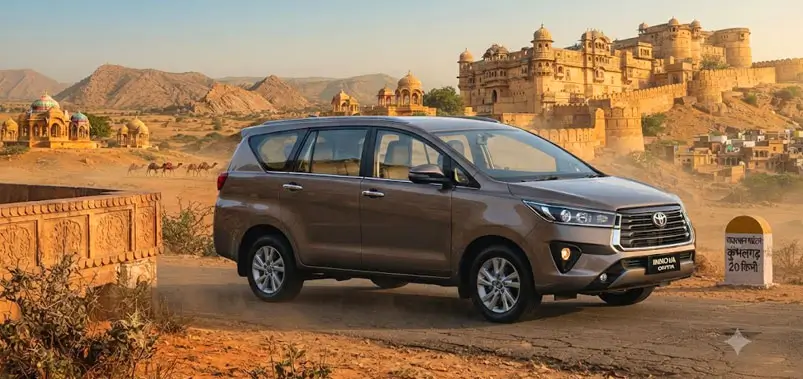
The quotation should indicate the vehicle category being offered. A compact sedan, larger premium sedan and spacious multi-passenger vehicle do not provide the same experience. This becomes particularly important when travellers arrive with large international suitcases.
A vehicle may technically seat four passengers while being completely unsuitable for four adults carrying four large suitcases and cabin bags.
Luxury travellers should consider usable space rather than advertised seating capacity.
For a couple, a comfortable sedan may work extremely well. A family or group may require a larger vehicle even when there are technically enough seats in a smaller car. Senior travellers may value easier entry and exit, while guests travelling with substantial luggage may prioritise cargo space.
The quotation should also clarify where the private vehicle is available.
Does transportation begin with airport arrival? Does the same chauffeur continue through Delhi, Agra and Jaipur? Are local sightseeing transfers included? Does the service finish at Jaipur, or does it include the return to Delhi? Is an airport departure transfer included at the end?
These questions matter because “private transport included” can be interpreted in different ways.
Driving-related costs should also be examined. Fuel, driver allowance, parking, tolls and interstate charges may be included in a comprehensive vehicle rate, or certain items may be excluded. The traveller should know the structure before departure rather than encountering repeated requests for small road payments.
A chauffeur and a guide are also different services.
The chauffeur's principal responsibility is transportation. A professional tourism driver can be extremely helpful with practical travel, but travellers should not assume that the chauffeur automatically provides professional historical guiding inside monuments.
Likewise, a guide should not be treated as the driver.
A detailed private Golden Triangle tour package should make both roles clear.
Airport transfers deserve a separate check, especially when international flights arrive early in the morning or depart late at night. The quotation should show whether airport pickup and departure transfer are included and whether any premium airport assistance is a separate service.
If a domestic flight or train is part of a longer itinerary, transfers to and from the relevant airport or station should also be confirmed.
Transportation is often described in only one or two lines of a proposal, but guests may spend more waking hours using that service than they spend inside any individual hotel room. It deserves closer attention.
“Guided sightseeing included” sounds comprehensive until a traveller asks exactly where the guide will be present.
Many private India journeys use local professional guides in major destinations rather than one guide travelling with the guest from beginning to end. A guide may meet the traveller in Delhi for sightseeing, another may handle Agra and another may provide Jaipur sightseeing.
This can work extremely well because local guides specialise in their own destinations.
The quotation should nevertheless make the structure clear.
A private guided Golden Triangle tour should identify whether professional guiding is included in Delhi, Agra and Jaipur and whether any other destinations receive guide services.
The number of guided days also matters. If the traveller has three nights in Jaipur but guiding is included for only one day, the remaining days may be intentionally at leisure. That is perfectly reasonable, but it should be visible in the itinerary.
Language requirements can affect pricing and availability.
English-speaking guides are commonly requested by international travellers. Guests requiring Spanish-, French-, German- or another language guide should have that requirement stated before confirmation. Specialist-language guides may need earlier reservations and may be priced differently.
Travellers with specialist interests should also ask whether the guiding has been selected accordingly. A serious architecture enthusiast may want more detailed historical interpretation than a guest primarily interested in photography. Families with children may prefer a guide who can keep explanations engaging rather than delivering a long academic lecture.
Sightseeing itself needs to be separated from guide services.
A proposal may include a guide but exclude monument entrance tickets. Another may bundle both. A third may include admission to selected attractions but not optional sites.
These are materially different packages.
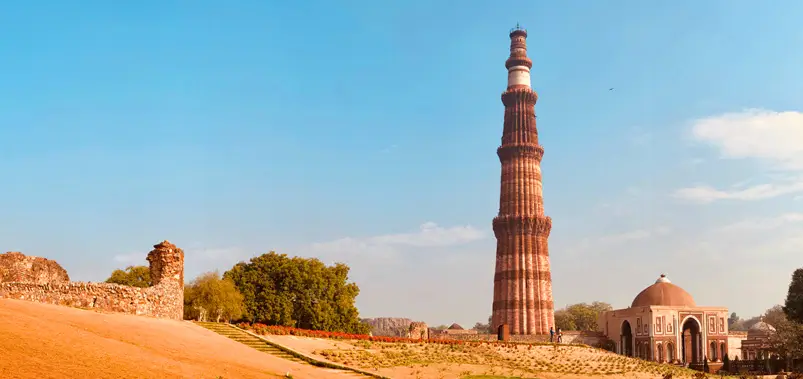
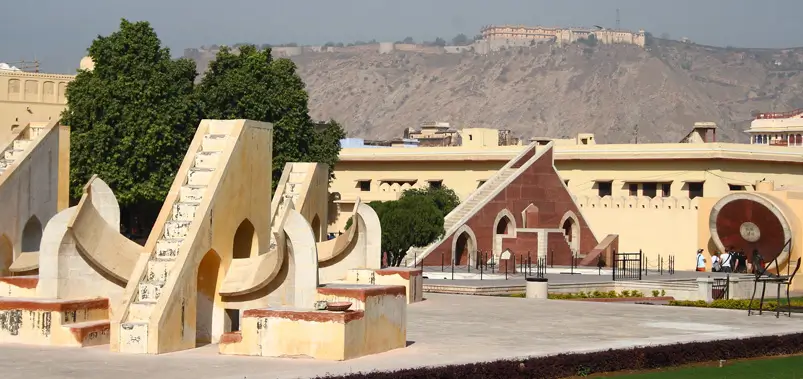
For Delhi, travellers should check which attractions are actually scheduled. Humayun's Tomb, Qutub Minar and other ticketed monuments may have separate admission charges. Jaipur can include Amber Fort, City Palace and Jantar Mantar, each with its own access arrangements. Agra generally centres on the Taj Mahal and may also include Agra Fort.
The Taj Mahal is normally closed to general visitors on Fridays, which is particularly important when checking an itinerary. A proposal that places the only Taj Mahal visit on a Friday requires correction before booking.
The words Taj Mahal tour included also need interpretation. Does that mean transportation and guide only, or does it include the actual monument admission ticket? Travellers should not assume.
Photography charges, special camera rules, optional sections within attractions and separate premium experiences may have their own conditions. Monument regulations can change, so exact current arrangements should be checked close to the travel date where necessary.
A transparent quotation should make the distinction between included sightseeing services and payable entrance fees easy to understand.
Unsure if your current itinerary quote includes airport transfers, monument fees, or driver allowances? Send your quote to our team for a free, expert breakdown before you make any payment.
Entrance fees are often relatively small compared with a luxury hotel's nightly rate, but a multi-city itinerary containing many monuments can still produce a meaningful additional expense.
More importantly, entrance fees are a common source of misunderstanding.
A traveller sees “Delhi sightseeing with private guide and chauffeur” and assumes everything connected with the day has been prepaid. That may not be the case.
Some private tour operators intentionally exclude monument admission so guests pay the official charges directly. This can make the package price appear lower and gives travellers freedom to skip attractions without having prepaid every ticket.
Other packages include major entrance fees for convenience.
Both structures can work.
The important issue is disclosure.
A private India tour with entrance fees included should specify that admission charges are part of the price and ideally indicate which principal attractions are covered. If entrance fees are excluded, the exclusion should be clearly visible rather than hidden deep within the terms.
Travellers should also be careful when comparing an all-inclusive quote with a land-only quote.
Suppose one operator quotes $5,500 and another quotes $6,000. The $500 difference may initially make the first offer look better. If the second includes entrance fees, additional guiding, airport transfers and certain activities that the first excludes, the actual difference may be much smaller.
Conversely, a higher-priced quote should not automatically be assumed to contain more.
Every major inclusion needs to be checked.
Wildlife extensions require particular attention because safari permits and vehicle arrangements are different from ordinary monument admission. A Ranthambore itinerary should explain whether safari costs are included, how many drives are booked and what general vehicle arrangement has been requested, subject to park rules and availability.
Boat rides, cultural performances, cooking activities and other optional experiences should receive similar treatment.
A quotation does not need to include everything.
It needs to tell the traveller what it includes.
Food can become a substantial part of a premium India holiday, particularly for travellers who enjoy fine dining. Yet many private tours include breakfast only, leaving lunch and dinner flexible.
This is often a sensible arrangement.
A guest staying at a leading palace hotel may want to dine at the property one evening and visit a specialist restaurant the next. Prepaying every meal can reduce that flexibility.
However, travellers should know the difference between an itinerary containing restaurant recommendations and a package containing prepaid meals.
If a daily programme says “evening dinner at a luxury restaurant,” the quotation should indicate whether the dinner cost is included or whether only the reservation is being arranged.
The same applies to drinks.
Even when a dinner is included, premium beverages may be excluded. Alcohol, imported wine, cocktails and other drinks can substantially increase a restaurant bill at high-end hotels.
A luxury India tour with meals included should therefore describe the meal basis rather than relying on the word “inclusive.”
Special dinners also need detail. A private dinner, celebration dinner and ordinary restaurant reservation are different services. The venue, included menu and privacy level should be clear where the experience contributes significantly to the tour price.
Dietary requirements should be communicated before travel. Vegetarian, vegan, gluten-sensitive and allergy-related requirements can often be accommodated by leading hotels, but severe allergies require particularly clear communication.
Breakfast arrangements deserve attention on early sightseeing days.
A sunrise visit to the Taj Mahal may begin before normal hotel breakfast hours. Depending on the property, an early breakfast or packed option may be available. This should be discussed if breakfast is an important part of the package.
Food expenditure also illustrates why not every all-inclusive India tour is automatically better value.
A traveller who eats lightly may spend less by paying directly. Another guest who enjoys elaborate hotel dining may prefer having more meals built into the price.
The quotation should provide enough information for the traveller to make that choice consciously.
The classic Golden Triangle can be completed by road, but longer India itineraries often involve flights or trains. This introduces another major area where quotations need close reading.
A proposal may show Jaipur to Varanasi, Delhi to Udaipur or North India to Kerala as part of the daily itinerary without making it immediately obvious whether the flight ticket itself is included in the package price.
Travellers should never assume.
If a private India tour with domestic flights is being quoted, the proposal should state which flight sectors are included. Where already available, the airline and cabin can also be specified, although schedules and fares may change before ticketing.
Baggage allowance matters because domestic allowances may differ from the traveller's international business-class allowance. Someone arriving in India with several heavy suitcases may therefore face additional baggage charges on internal sectors.
Train journeys require similar clarity.
If a train is included, the class of travel should be stated. A generic phrase such as “train from Delhi to Agra” is not enough for a luxury traveller comparing premium itineraries.
Station transfers should also be included in the review. Who takes the guest to the station? Who meets them on arrival? Is porter assistance included where available and arranged? Is the guide travelling with them or meeting them at the destination?
Small logistical gaps become very noticeable when a premium itinerary is actually being travelled.
Special transfers such as boat journeys or resort transfers should be treated the same way.
If a property requires an unusual final transfer, the traveller should know whether it is already part of the package.
Taxes can make an apparently inexpensive proposal much more expensive if they are added only at the final payment stage.
A private India holiday quote should state whether applicable taxes on the quoted tour services are included or additional. Hotel and tourism taxation can vary according to the service and booking structure, so travellers should rely on the written quotation rather than trying to calculate every tax themselves.
Tipping is different.
Tips for chauffeurs, guides, hotel staff and other service personnel are often discretionary and may not be included in the package price. A traveller who prefers a fully managed gratuity arrangement should ask whether that can be structured, while guests who prefer to tip personally should understand that gratuities may remain an additional expense.
Personal expenses are normally excluded.
Laundry, minibar purchases, room service beyond included meals, spa treatments, shopping, telephone charges and personal beverages generally remain payable by the guest unless explicitly included.
Visa costs should also be checked separately. A land tour price does not automatically include the traveller's Indian visa or other entry-related expenses.
International flights are another major exclusion in many quotations. A “ten-day luxury India tour” priced at several thousand dollars may refer only to arrangements after arrival in India.
Travel insurance is also normally separate and should not be assumed to be included.
These exclusions are not signs of a poor quotation when they are stated clearly.
Problems arise when travellers discover them only after committing to the trip.
A beautiful itinerary should not distract travellers from the commercial terms attached to it.
Before paying a deposit for a bespoke India tour, the traveller should know how much is required, when the balance becomes due and which payment methods are accepted.
The business receiving the money should be identifiable.
Travellers should be cautious about sending substantial payments when the quotation does not clearly identify the company, booked services or applicable conditions.
Cancellation rules need careful reading because different services may carry different penalties. A tour operator may have general cancellation terms, while certain palace hotels, domestic flights, wildlife safaris or special activities can have stricter conditions.
During high-demand periods, some premium hotels may require substantial advance payment and impose restrictive cancellation terms.
Travellers should therefore avoid assuming that every component of a luxury itinerary remains freely refundable until shortly before arrival.
Amendment conditions matter too.
Changing dates after confirmation can affect hotel rates, room availability, flights and activities. Moving a journey by only a few days can sometimes change the total price substantially.
Currency should also be clear.
If a quote is presented in US dollars, pounds sterling, euros or Indian rupees, travellers should know which currency will actually be charged. Where conversion is involved, the applicable payment process should be understood before sending money.
Card-processing or bank-transfer charges, if applicable, should also be addressed.
The goal is not to make booking feel complicated. It is to remove uncertainty before a large financial commitment is made.
The most reliable way to compare private tour proposals is to ignore the total for a moment and compare what each one contains.
Start with accommodation. Are the hotels identical? Are the room categories identical? Are taxes and breakfast included in both?
Then examine transport. Are both quotations offering the same general vehicle level? Do both include airport transfers and the full Delhi–Agra–Jaipur route?
Next look at guiding. Are private guides included in all three cities? Are they included for the same number of days?
Then examine monument tickets, meals, domestic travel and activities.
Only after these elements have been compared does the total price become meaningful.
A Golden Triangle tour cost comparison can otherwise be extremely misleading.
For example, one quotation may cost $1,500 less because it uses a different Jaipur hotel, excludes monument tickets, provides a smaller vehicle and leaves several meals payable directly. Another may appear expensive because those services are already built into the total.
There is also the opposite possibility: the expensive quotation may simply be expensive.
Luxury travellers should not assume that higher cost automatically means stronger service.
Ask what the extra money purchases.
If the answer is a significantly better hotel, a superior room category, a more appropriate vehicle, stronger private guiding or additional nights, the price difference can be evaluated rationally.
If the answer consists mainly of vague terms such as “royal experience,” “VIP treatment” or “exclusive luxury” without identifiable services, the traveller should ask for greater detail.
Golden Triangle Tours can provide private India itineraries with the principal arrangements stated according to the agreed proposal. Travellers should review the final inclusions, exclusions, hotel categories, transport arrangements and payment terms before confirmation so that expectations are aligned before arrival.
A strong quotation should reduce questions as the booking progresses, not create new ones.
We promise you a holiday where everything is taken care of from the moment you land. Trusted drivers waiting for you, handpicked hotels that fit your style, personalized itineraries designed just for your family, and a dedicated team on call 24/7. All you need to do is relax, explore, and create unforgettable memories, while we take care of every detail behind the scenes.
A detailed private India tour quotation should identify accommodation, room basis, transportation, guide services, major sightseeing arrangements, applicable meal inclusions, taxes and significant exclusions. Payment and cancellation terms should also be available before booking.
No. Some operators include them while others leave admission charges payable directly by travellers. The quotation should state the policy clearly.
No. Travellers should ideally know the hotel name and room category because pricing and quality can vary substantially between five-star properties and between room types within the same hotel.
Not necessarily. A chauffeur and professional sightseeing guide perform different roles. A well-defined quotation should indicate whether separate guides are included in Delhi, Agra and Jaipur.
They often are, but travellers should verify both arrival and departure transfers. International and domestic airport transfers should be checked separately on longer itineraries.
Many private luxury tours include hotel breakfast while leaving lunch and dinner flexible. Other packages include selected meals. The exact meal basis should appear in the quotation.
Not automatically. Any domestic flight sectors included in the package should be identified. Travellers should also check baggage allowances because they may differ from international flights.
Common exclusions can include international flights, visas, travel insurance, personal shopping, spa treatments, laundry, minibar purchases, certain meals, drinks, gratuities and monument admission when not specifically included.
Differences may come from hotel selection, room categories, vehicle type, number of guided days, included tickets, meals, taxes and additional services. Comparing each component is more reliable than comparing only the final total.
Before confirming with Golden Triangle Tours, review the agreed itinerary, hotel and room details, transportation, guiding, inclusions, exclusions, payment schedule and cancellation terms. Any service that is particularly important to the trip should be clearly agreed before payment