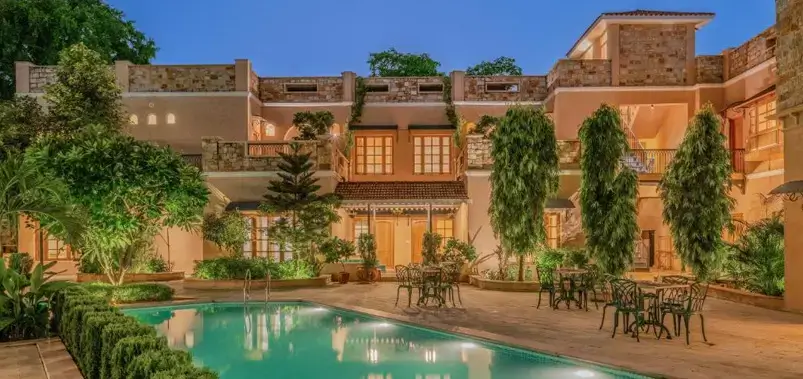
A VIP India tour should deliver something more meaningful than expensive hotels and a premium vehicle. For travellers accustomed to high standards of service, the real difference is how smoothly the journey operates from the moment they land. Airport arrival, luggage handling, hotel check-in, vehicle quality, guide selection, restaurant arrangements, sightseeing pace and support during unexpected changes all contribute to the quality of a high end private journey.
India is particularly suited to private luxury travel because the experience can vary dramatically according to the arrangements behind it. Delhi can be an exhausting succession of traffic and crowded attractions, or it can be handled through a comfortable chauffeur driven vehicle, a knowledgeable personal guide and carefully timed sightseeing. Agra can become a rushed excursion to the Taj Mahal, or guests can stay overnight at a premium property and give the monument the time it deserves. Jaipur can be reduced to a checklist of forts and palaces, or it can become a multi night stay combining royal heritage, fine hotels, private guiding, crafts, dining and leisure.
For guests considering VIP India tour packages, privacy and flexibility are often more important than adding more activities. A couple may want a later morning after a formal dinner. A family may require adjoining suites and a larger luxury vehicle. Senior travellers may want shorter sightseeing sessions. Business owners and executives may need time kept free for calls. High profile guests may prefer discreet movements and fewer unnecessary interactions.
Golden Triangle Tours can structure private journeys around those requirements. Delhi, Agra and Jaipur may form the foundation, but the same approach can extend to Udaipur, Jodhpur, Ranthambore, Varanasi, Amritsar, Kerala and other destinations when the overall route justifies them.
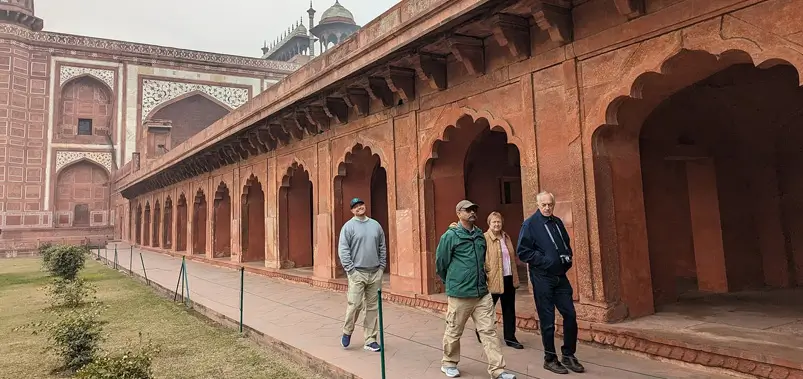
The first few hours in India set the tone for the entire journey. International travellers may arrive after eight, ten or fifteen hours in the air, sometimes after an additional connection. At that point, luxury does not mean adding an activity to the arrival day. It means removing unnecessary friction. Clear airport meeting arrangements, a suitable private vehicle, direct transfer to the confirmed hotel and enough time to recover are far more valuable than trying to begin sightseeing immediately.
For a private luxury India tour, airport arrangements should be linked to the actual international flight rather than a generic pickup time. If a flight arrives early, late or is delayed, the local arrangements need to reflect that. Travellers should know before departure where they are expected to meet the representative or chauffeur and what contact procedure applies if baggage or immigration takes longer than expected. When permitted airport assistance services are separately booked, their exact scope should also be clear rather than described vaguely as “VIP airport service.”
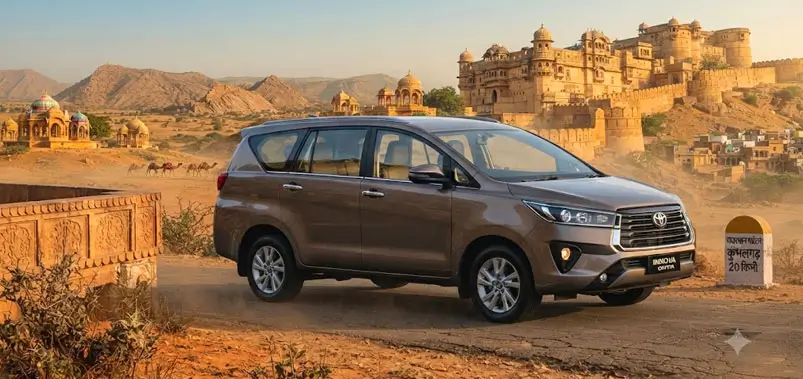
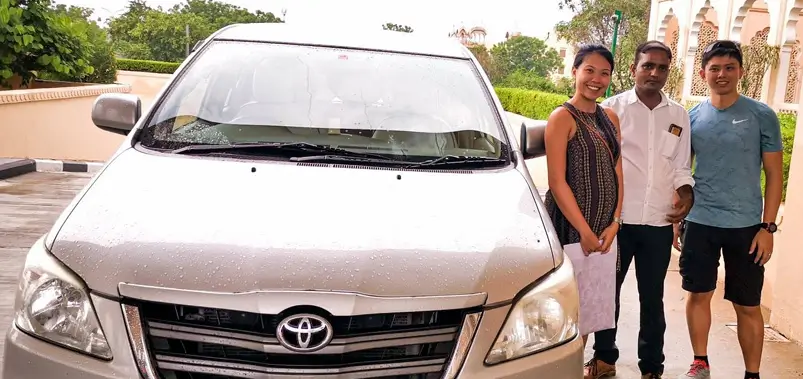
Privacy begins with the vehicle. Guests paying for a premium private journey should not be sharing airport transfers or sightseeing transportation with unrelated passengers. The correct vehicle also depends on luggage and passenger requirements. A luxury sedan can be suitable for two travellers with moderate luggage, while a family carrying several large international suitcases may be far more comfortable in a larger premium vehicle. Choosing a car purely because of its badge can create a poor experience if the luggage has to be squeezed around the passengers.
A dedicated chauffeur becomes especially valuable on the Golden Triangle because road travel is part of the journey. Delhi to Agra and Agra to Jaipur are not five minute transfers. Guests may spend hours in the vehicle, making seat comfort, air-conditioning, cleanliness, driving style and luggage capacity genuinely important. A professional private chauffeur in India should also understand the service expectations of international luxury travellers: punctual arrivals, sensible comfort stops, calm communication and the ability to adjust when the guest decides to return to the hotel earlier than expected.
The schedule should contain breathing space. VIP travel is weakened when every hour is committed months in advance. A guest may wake after a long flight and want to move a morning departure from 8:00 a.m. to 10:00 a.m. A couple may enjoy lunch enough to remain longer. A family may decide that the children have seen enough monuments for one day. A senior guest may prefer to miss one attraction rather than struggle through another hour of walking. Private travel should make those decisions easier.
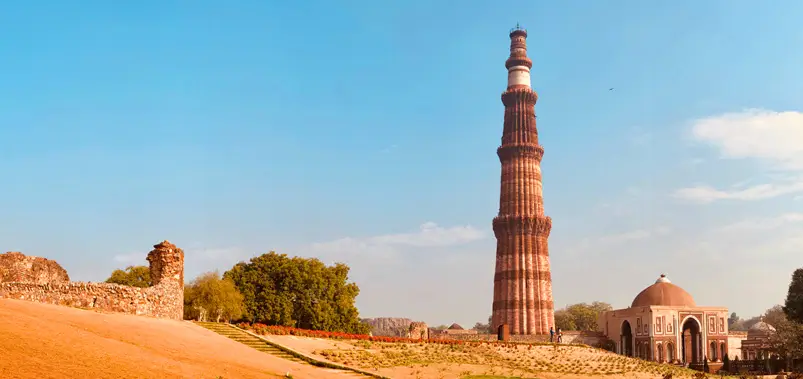
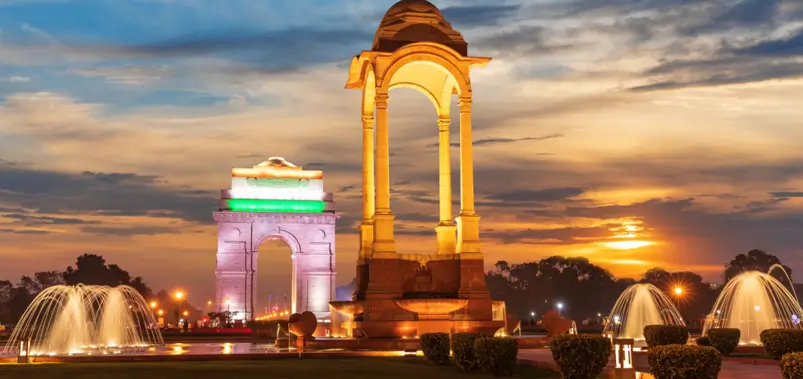
Delhi is an excellent example. Instead of attempting Old Delhi, New Delhi, several monuments, a market and a formal dinner in one exhausting day, the city can be divided into separate experiences. One day can concentrate on Old Delhi and selected historic sites. Another can include Humayun's Tomb, Qutub Minar, India Gate, Gurudwara Bangla Sahib or other places that genuinely interest the guests. The vehicle remains available, while the guide adjusts the duration of each stop according to the group's energy and curiosity.
A genuine VIP Golden Triangle tour therefore does not need to look dramatically different on a map from another private trip. The difference lies in how the journey is delivered. The guest spends less time waiting, has greater control over the day, stays in carefully selected properties and has access to a local team when arrangements need to change.
Explore India's top destinations with private chauffeurs, palace hotels, and personal guides. Let our experts design your tailor-made luxury itinerary.
India's historic palace hotels are one of the strongest reasons to consider a high end private journey. Yet simply placing famous hotel names into an itinerary does not automatically produce a better holiday. The length of stay, room category, location, daily schedule and amount of time available to enjoy the property all determine whether a palace hotel upgrade is worthwhile.
Jaipur provides one of the clearest examples. Rambagh Palace Jaipur carries the character of a former royal residence and can become an important part of the city experience rather than merely accommodation. Travellers staying in a property of this level should not be leaving at sunrise every morning and returning after dinner every evening. Enough time should remain for breakfast, the grounds, the hotel's public spaces, a leisurely meal or simply an afternoon without sightseeing.
The Oberoi Rajvilas Jaipur provides a different style of luxury. Its resort environment can appeal to guests who value privacy, landscaped surroundings and time away from the intensity of the city. The decision between a central palace experience and a more spacious resort setting should therefore depend on how the guest wants to spend the Jaipur stay. There is no universal premium hotel that is ideal for every traveller.
Agra presents another distinctive opportunity. The Oberoi Amarvilas is often considered by luxury travellers because of its proximity to the Taj Mahal and the views associated with the property. For a guest who has travelled to India partly because seeing the Taj is a lifelong ambition, allocating a significant part of the accommodation budget to Agra can make sense. Another traveller may regard Agra primarily as a one night heritage stop and prefer to reserve the largest hotel expenditure for Rajasthan.
Delhi requires yet another decision. International luxury hotels can offer polished service, excellent restaurants, spas and convenient arrival comfort. The right property depends partly on what the guest intends to do in the city. Location matters because Delhi is large, and a prestigious hotel that creates unnecessary driving for the guest's particular programme may not always be the smartest choice.
Room category deserves equal attention. A luxury palace hotel tour in India should not automatically use suites in every city. A suite becomes worthwhile when its extra living space, terrace, view, heritage character or privacy will genuinely improve the stay. During a one night transfer stop, the guest may obtain more value from an excellent standard luxury room. During a three or four night palace stay, upgrading can become much more meaningful because there is enough time to use the additional space.
Families need even more precision. Two suites located on opposite sides of a large resort may be less practical than adjacent premium rooms. Connecting room availability should be requested specifically, while parents travelling with older children may prefer separate but nearby rooms. Guests with mobility limitations should ask about stairs, lifts and distances between rooms, restaurants and hotel entrances, particularly in historic properties where layouts may not resemble modern hotels.
A premium itinerary should also consider check-in and checkout times. Guests arriving in Delhi very early after an international flight may want guaranteed immediate room access. Early check-in is often subject to availability unless it has been formally secured. In situations where rest immediately after arrival is essential, paying for the previous hotel night can sometimes be a more sensible luxury than hoping a room becomes available early.
Palace hotels justify their cost most strongly when the itinerary gives guests enough time to appreciate them. The hotel is not a decorative line in a proposal. On a well built luxury India vacation, it becomes part of the destination itself.
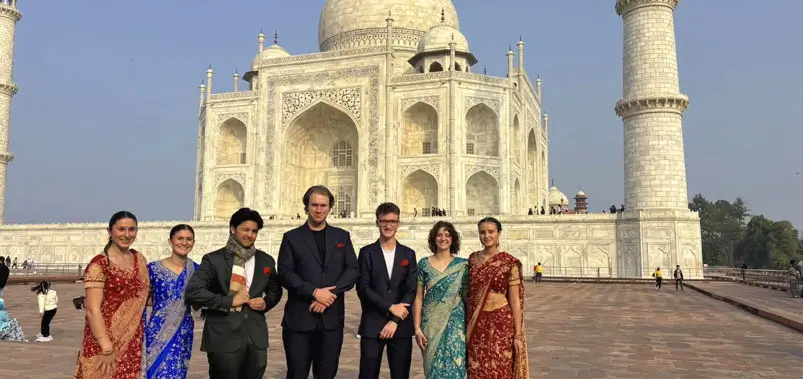
India's most famous attractions can be visited without a guide, but high quality personal guiding changes the experience considerably. A knowledgeable guide does more than repeat historical dates. The guide provides context, handles the practical rhythm of the visit and adapts the depth of information to the interests of the traveller.
At the Taj Mahal, for example, some visitors want to understand Shah Jahan, Mumtaz Mahal, Mughal architecture, calligraphy, marble craftsmanship and the wider historical context of Agra. Others primarily want enough information to appreciate the monument before spending time taking photographs. A good private guide for the Taj Mahal should recognise the difference rather than delivering the same memorised speech to every guest.
The Taj Mahal is generally open from sunrise to sunset and normally closed to general visitors on Fridays. Ticket categories, admission prices, access rules and operational arrangements can change, so current official details should be confirmed for the travel date. A VIP itinerary should not depend on outdated ticket information or claims that ordinary tourism regulations can somehow be ignored because a guest has paid for an expensive package.
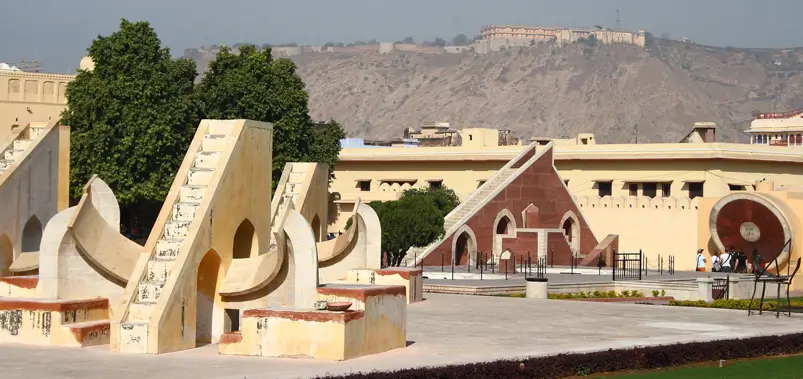
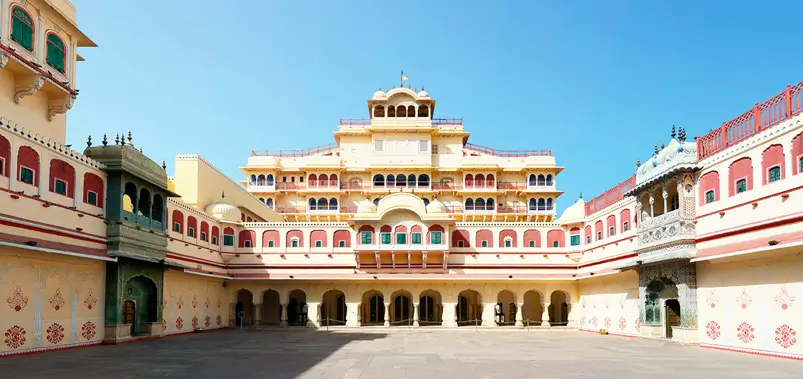
The same principle applies to Jaipur. Amber Fort is architecturally and historically significant, but its scale means the visit can become tiring if every section is covered mechanically. A personal guide can concentrate on the areas most relevant to the guest. At City Palace, travellers interested in royal history may want substantially more time than guests primarily interested in design and photography. Jantar Mantar can become far more interesting when its astronomical instruments are properly explained instead of being treated as a quick photo stop.
Delhi's heritage is even broader. A private guide can connect Humayun's Tomb to the later development of Mughal architecture, explain the contrasting histories of Old and New Delhi, or spend additional time on religious traditions at places such as Gurudwara Bangla Sahib. The itinerary can become thematic instead of simply geographic.
For HNW travellers, specialist interests can make personal guiding especially valuable. An architecture focused journey might spend more time discussing restoration, materials and design. Art collectors may want reputable gallery visits. Textile enthusiasts may prefer time with artisans or specialist stores. Food oriented guests may want a carefully selected culinary session rather than another monument. Photography enthusiasts may want the day's timing adjusted around light.
Personal guiding also protects privacy. Travellers do not have to wait for a coach group, listen through a headset or remain at an attraction after they are ready to leave. Questions can be asked freely, the route can be shortened and an unscheduled coffee or lunch break can be added.
Language should also be considered. International families may include people with different language preferences. Where available and arranged in advance, specialist language guides can make the journey more comfortable for guests who prefer explanations in French, Spanish, German or another language.
A VIP private tour of India should nevertheless avoid pretending that a guide can create special access where none legally exists. Monument regulations, closures, restricted areas and security procedures still apply. Premium service means handling the permitted experience exceptionally well, not promising access that cannot legitimately be delivered.
Looking for exclusive palace stays, private transfers, and curated cultural experiences? Get personalized guidance for a seamless luxury travel experience.
The phrase “exclusive experience” is used loosely in luxury travel. It can mean anything from a private dinner to a standard activity marketed with more expensive language. High end travellers should therefore ask what makes an experience genuinely private or distinctive.
A private dining arrangement can have real value when the setting, menu and service are appropriate. In Jaipur or Udaipur, a carefully arranged dinner in a heritage environment can provide a memorable evening after sightseeing. The exact venue, privacy level and inclusions should be confirmed because a reserved table in a public restaurant is different from a genuinely private dining space.
Craft and artisan experiences can also be valuable. Jaipur has strong traditions associated with jewellery, textiles, block printing and other crafts. A traveller seriously interested in these fields may appreciate a specialist appointment where there is time to understand materials and techniques. Such visits should not become disguised compulsory shopping stops. Guests who do not want to buy anything should be able to enjoy their sightseeing without sales pressure.
Food experiences can be treated similarly. A private cooking session, carefully selected food walk or chef-led meal can provide cultural depth, but hygiene, dietary restrictions and the guest's comfort level need to be considered. A traveller who loves Indian cuisine may want several food focused activities, while another may prefer hotel dining after long sightseeing days.
Photography is another area where private arrangements can improve the trip. The benefit often comes from timing rather than privileged access. Leaving the hotel earlier, allowing more time at a location or arranging the day around better light can be more useful than adding another expensive activity.
Wildlife extensions can introduce a very different kind of premium experience. Ranthambore can be combined with the Golden Triangle for guests interested in tiger habitat and Indian wildlife, but safari arrangements depend on permits, zones, vehicle availability and park rules. No ethical operator can guarantee a tiger sighting. Luxury in a wildlife context comes from strong lodge selection, sensible logistics and appropriate safari arrangements rather than promises about animal behaviour.
Udaipur can provide lake oriented stays, palace heritage and elegant dining. Jodhpur brings Mehrangarh Fort and strong architectural character. Varanasi offers an entirely different cultural and spiritual dimension but requires careful handling because narrow lanes, ghats and crowds cannot simply be removed by paying for a luxury package.
A genuine exclusive India travel experience should preserve the identity of the destination. VIP travel should not turn India into a sealed bubble where guests encounter only hotel lobbies and private cars. The value comes from engaging with the country while controlling unnecessary inconvenience.
Perfect itineraries are easy to sell. The quality of a private travel operation becomes much clearer when the day does not go according to schedule.
International flights can arrive late. Domestic flights can change. Traffic can affect road journeys. A guest can become tired. Weather can alter an outdoor activity. A restaurant reservation may need to move because sightseeing took longer than expected. A family member may become available unexpectedly for dinner.
A VIP India travel service should have a clear support structure for such situations.
If a guest's Delhi arrival is delayed substantially, the airport transfer should be reviewed and the hotel informed when necessary. If the guest arrives exhausted, the next morning's sightseeing may need to start later. If a traveller becomes unwell, non-essential activities may need to be cancelled or moved while appropriate professional medical assistance is sought when required.
The important point is that guests should not have to coordinate every supplier themselves.
Twenty four hour support does not mean every request can be solved instantly. Hotel inventory, airline rules, monument opening hours and restaurant availability remain outside the tour operator's control. It means the traveller has a clear contact who can respond, assess what can realistically be changed and coordinate the relevant services.
This is particularly important for multi generational families and high net worth guests. A family travelling with grandparents and children can have very different energy levels. One afternoon, the grandparents may want to remain at the hotel while younger family members continue sightseeing. Private transport arrangements can sometimes be adjusted so that the family does not have to choose one activity for everyone.
Business travellers may need similar flexibility. An unexpected video call or meeting can require a later departure. A private itinerary can often absorb such changes more easily than a group tour.
Privacy during problem solving is also important. High profile travellers may not want their names, room details or movements discussed unnecessarily. Personal information should be shared only as required to deliver the booked services.
Security requirements should be handled realistically. Standard luxury travel already benefits from professional chauffeurs, reputable hotels, confirmed guides and reliable local coordination. Guests who genuinely require specialist close protection or additional security should discuss that requirement explicitly so appropriate professional services can be considered rather than assuming a normal chauffeur or guide serves as security personnel.
The most effective luxury India concierge service is therefore often invisible. When everything works, the guest simply experiences a smooth day. When something changes, the support structure becomes visible quickly enough to prevent a small disruption from dominating the holiday.
There is no single price for a VIP India tour because the term can cover dramatically different levels of accommodation and service. A private journey using excellent five star hotels, premium transportation and personal guides is not financially comparable with a trip using signature suites in India's most prestigious palace hotels.
The hotel choice is usually one of the largest variables.
Luxury rooms in Delhi, Agra and Jaipur can already command significant nightly rates during popular travel periods. Flagship palace hotels and highly sought after room categories can move into a much higher bracket. Suites, exceptional views and premium accommodation during peak dates can raise the total substantially.
For a couple considering a high end Golden Triangle tour, a ground budget of several thousand dollars is entirely realistic, while a journey using top palace properties, premium suites, specialist arrangements and additional destinations can rise well beyond $10,000. At the highest end, accommodation alone can account for a substantial portion of that figure. Exact pricing should always be based on live availability and confirmed travel dates rather than generic online estimates.
Private transportation affects the budget as well. A standard comfortable vehicle and a premium luxury vehicle are not priced identically. Larger families may require spacious premium transport rather than a sedan. The quotation should state the vehicle category so the guest knows what has actually been priced.
Guide fees, monument admissions, special activities, domestic flights, restaurant arrangements and airport services can add further costs. Some quotations bundle these items, while others leave certain services payable locally. Neither method should surprise the traveller after payment.
A detailed VIP India tour package price should therefore be judged by inclusions rather than headline cost.
Travellers should check the named hotels and room categories, number of nights, vehicle category, airport transfers, guide services, monument fees, included meals, domestic transportation, special activities, taxes and on tour support. Cancellation terms and deposit requirements should also be clear before substantial payments are made.
Paying more should produce an identifiable improvement. That might mean a superior hotel location, a better room, more spacious vehicle, greater privacy, stronger guiding, fewer compromises in the route or more responsive support. An expensive proposal filled with vague phrases such as “VIP treatment” and “exclusive access” but lacking concrete inclusions deserves careful examination.
Luxury is not created by continuously adding expensive components. It comes from selecting the right components and making them work together.
A traveller may obtain more enjoyment from three nights in an exceptional Jaipur property than from changing palace hotels every night. A couple may value a spacious private vehicle more than another formal dinner. A history enthusiast may prefer an outstanding personal guide over a room upgrade. A family may consider flexible support and adjacent rooms more valuable than ceremonial extras.
That is why Golden Triangle Tours can build VIP journeys around the traveller rather than around a fixed collection of luxury labels. Delhi, Agra and Jaipur can be structured with private airport transfers, dedicated chauffeur driven transportation, carefully selected hotels and personal guides, while additional destinations can be incorporated when they strengthen the journey.
The strongest VIP itinerary also knows when to leave time empty. A free afternoon at a palace hotel is not wasted time. Neither is a late breakfast after a long international flight or an early return from sightseeing because the guest wants to use the spa.
For travellers accustomed to premium hotels and business class travel, comfort alone is not enough. They expect consistency. The hotel, chauffeur, guide, transfers and support need to feel like parts of the same journey rather than unrelated reservations assembled under a luxury label.
That consistency is what transforms an expensive India holiday into a genuinely bespoke VIP India tour.
We promise you a holiday where everything is taken care of from the moment you land. Trusted drivers waiting for you, handpicked hotels that fit your style, personalized itineraries designed just for your family, and a dedicated team on call 24/7. All you need to do is relax, explore, and create unforgettable memories, while we take care of every detail behind the scenes.
A VIP package can include private airport transfers, luxury or palace hotels, a dedicated chauffeur-driven vehicle, personal guides and selected private activities. Exact inclusions differ between itineraries, so hotel names, room categories, entrance fees, meals and special services should be confirmed in writing.
Delhi, Agra and Jaipur offer several premium choices. Travellers seeking particularly high-end stays often consider properties such as The Oberoi Amarvilas in Agra, Rambagh Palace in Jaipur and The Oberoi Rajvilas in Jaipur alongside leading luxury hotels in Delhi. The appropriate combination depends on budget and travel style.
A dedicated chauffeur can be arranged for the road-based Golden Triangle itinerary. This provides continuity and allows the driver to become familiar with the guests' preferred departure times, luggage and comfort requirements.
No. A premium tour does not override monument regulations or automatically provide access to restricted areas. The Taj Mahal operates under official rules and is normally closed to general visitors on Fridays. Any special arrangement should be represented accurately and be legally available.
Pricing depends heavily on hotels, room categories, vehicle, travel dates and included services. A premium private journey for two can cost several thousand dollars, while itineraries using top palace hotels, suites and extensive private arrangements can exceed $10,000 and rise considerably higher.
Private guiding can be arranged in Delhi, Agra and Jaipur. Using knowledgeable local guides allows the sightseeing to focus on each destination's history while maintaining a private pace.
Yes. Luxury family tours in India can include larger private vehicles, adjoining or connecting rooms where available, age-appropriate sightseeing and flexible daily schedules. Family requirements should be discussed before hotels are confirmed.
Selected private dining and specialist appointments may be arranged subject to the venue, availability and the guest's interests. Such experiences should be clearly described so travellers know whether an activity is genuinely private.
On-tour support can be incorporated so guests have a point of contact when operational changes occur. The precise support arrangements and contact method should be confirmed as part of the booking documentation.
Yes. Golden Triangle Tours can arrange private itineraries with luxury hotels, chauffeur-driven transportation, personal guides and selected premium experiences across Delhi, Agra and Jaipur, with additional Indian destinations incorporated according to the guest's dates, interests and preferred pace.