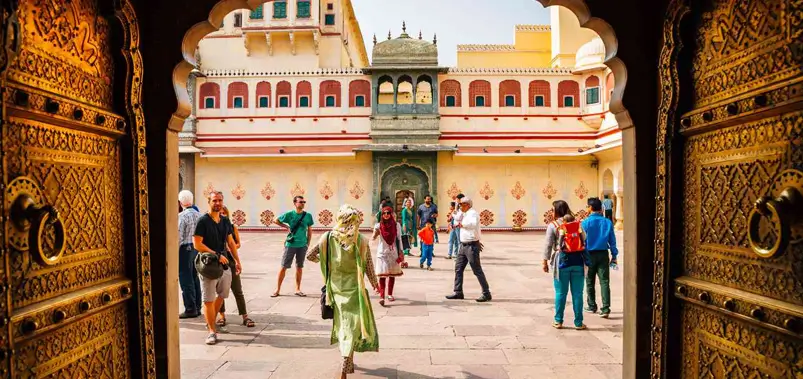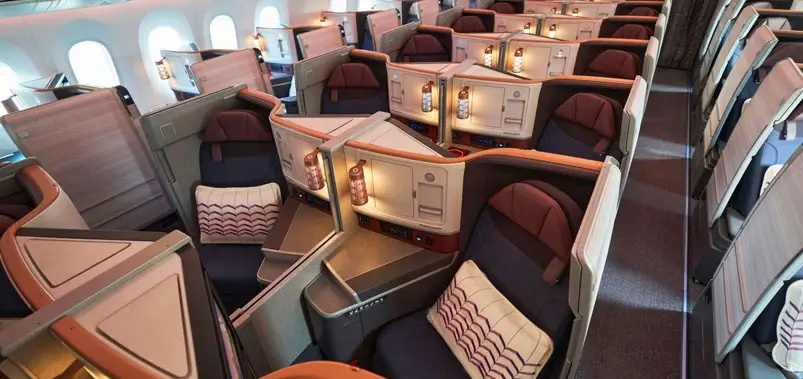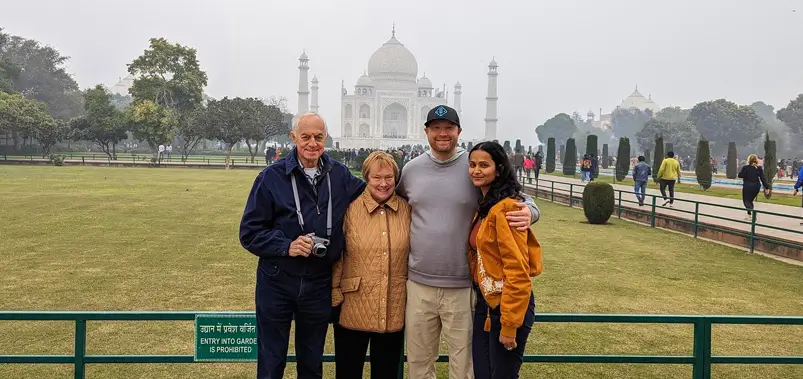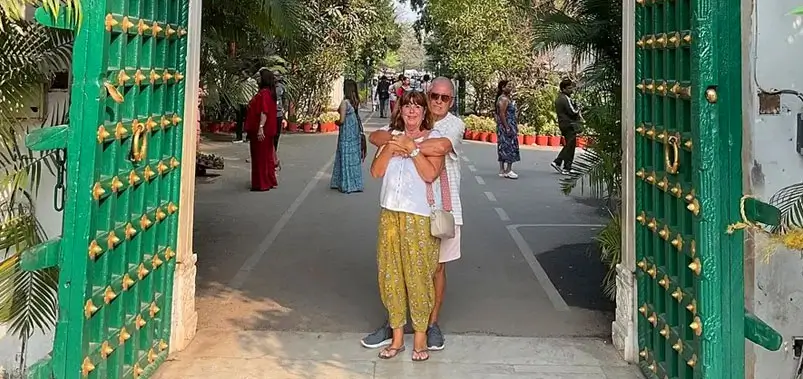
Two weeks in North India gives travellers something that a short Golden Triangle holiday cannot provide: enough time to see Delhi, Agra and Jaipur properly while continuing into destinations that reveal very different sides of the region. Instead of treating India as a rapid sequence of monuments and hotel changes, fourteen days can combine Mughal architecture, Rajasthan's forts and palaces, lakeside luxury, spiritual traditions, local cuisine and carefully selected free time.
For travellers seeking a two week luxury North India tour, the biggest decision is not how many cities can technically fit into fourteen days. It is how many destinations can be visited without making the holiday feel like a transfer schedule. India looks manageable on a map, but road journeys, airport procedures, hotel changes and major sightseeing days all consume time. Adding too many cities can turn an expensive private holiday into a tiring exercise in packing and unpacking.
A well-balanced route can begin in Delhi, continue by private chauffeur to Agra and Jaipur, move deeper into Rajasthan through Jodhpur and Udaipur, and finish with Varanasi before returning to Delhi for the international departure. Depending on flight schedules and individual priorities, the sequence can be adjusted, but the principle should remain the same: fewer rushed stops, better hotels, private guiding and enough time to appreciate each destination.
For guests booking with Golden Triangle Tours, such an itinerary can be arranged with private road transportation where it makes geographical sense, domestic flights for longer sectors, carefully selected luxury hotels and local personal guides in the principal sightseeing cities. The result is a broader North India holiday without sacrificing the privacy and comfort expected from high end private travel.
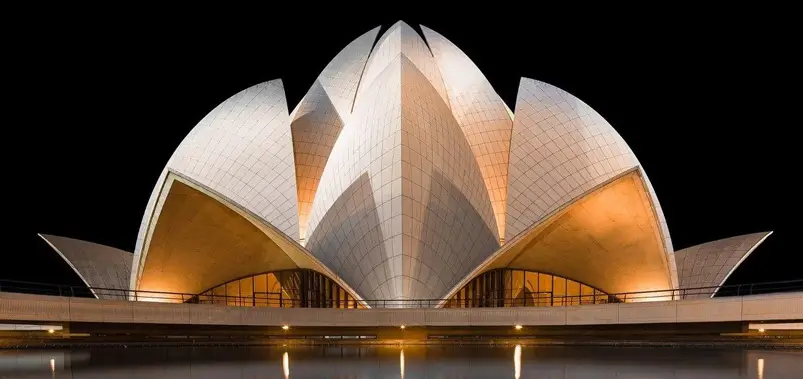
Delhi should be treated as a destination rather than merely the airport through which a North India holiday begins. For international travellers arriving after a long flight, three nights in Delhi can work particularly well because the first day can remain light while the following days provide enough time for both Old Delhi and New Delhi without compressing the city into one exhausting programme.
The first day of a private North India itinerary should normally account for the international arrival time. A morning arrival and a late evening arrival require completely different schedules. Guests landing after an overnight flight may benefit far more from a direct private transfer, hotel check-in, lunch and several hours of rest than from immediately beginning a full sightseeing programme. If the aircraft lands very early and immediate room access is essential, the hotel arrangement should address early check-in properly rather than assuming that a room will automatically be available.
Once rested, Delhi can be approached in separate sections. Old Delhi offers a dense historical environment associated with Mughal Delhi, traditional markets and important religious sites. Depending on the interests of the traveller, a private guide can provide context around the Red Fort area, Jama Masjid surroundings, Chandni Chowk and other parts of historic Delhi. Rather than attempting to cover every possible stop, the programme can concentrate on places that genuinely interest the guest.
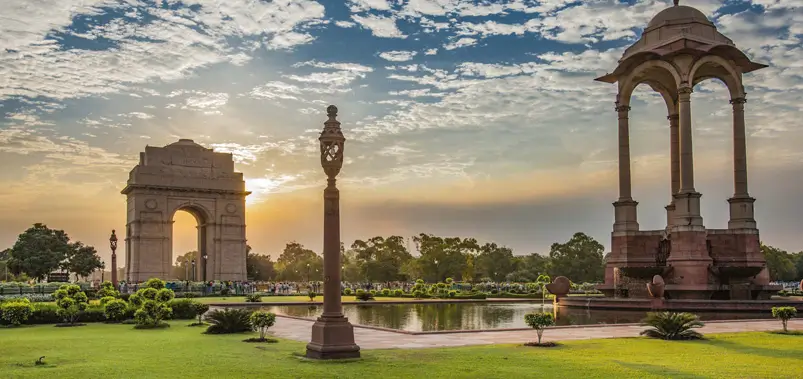
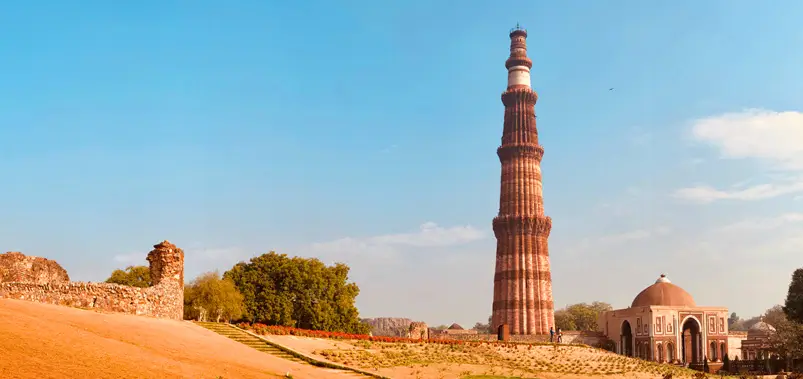
New Delhi provides a different experience. Humayun's Tomb is particularly valuable for travellers continuing to Agra because its Mughal architecture helps establish a historical and architectural context before the Taj Mahal. Qutub Minar adds another major period of Delhi's history, while India Gate and the broader central government district reveal the scale and formality of the imperial era city.
Gurudwara Bangla Sahib can add a different dimension to the Delhi stay. Travellers interested in religious traditions and community life can spend time understanding the site with an appropriate guide rather than treating it as another photography stop.
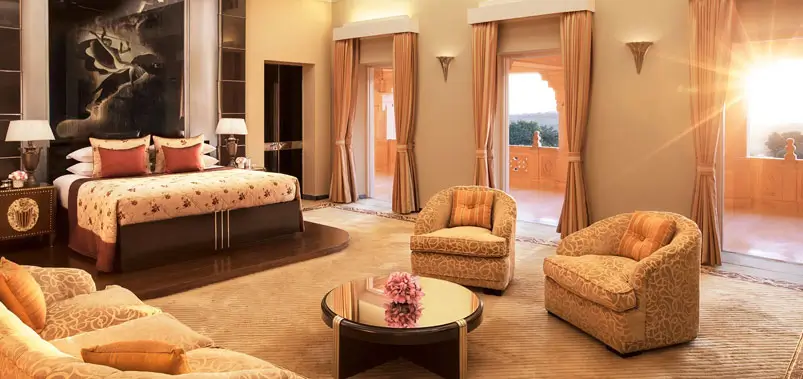
Luxury accommodation in Delhi should be chosen according to both quality and location. A prestigious hotel is useful only if it works for the guest's itinerary. Travellers who want excellent restaurants, spa facilities and substantial downtime may prioritise a property where they can comfortably spend part of the day. Business owners who need to remain available during the holiday may prefer a room or suite with adequate working and living space.
Three nights also provide insurance against travel fatigue. If the international flight arrives late, the entire luxury North India holiday does not immediately fall behind schedule. That breathing room becomes increasingly valuable as the itinerary continues.
Unlock hidden gems with an exclusive 14-day private itinerary, heritage palace stays, and private chauffeurs. Let our experts craft your tailor-made luxury journey.
After Delhi, the route can continue privately by road to Agra. For travellers spending significant money on a two-week journey, reducing Agra to a hurried same-day excursion can be a false economy. Staying overnight allows the Taj Mahal and Agra's wider Mughal history to be experienced without immediately facing another long transfer.
The journey from Delhi to Agra is commonly handled by private chauffeur using the expressway route, although driving times should always be treated as estimates rather than guarantees. Traffic leaving Delhi, comfort stops and local conditions can affect the schedule. A luxury itinerary should therefore avoid placing tightly timed commitments immediately after a road transfer.
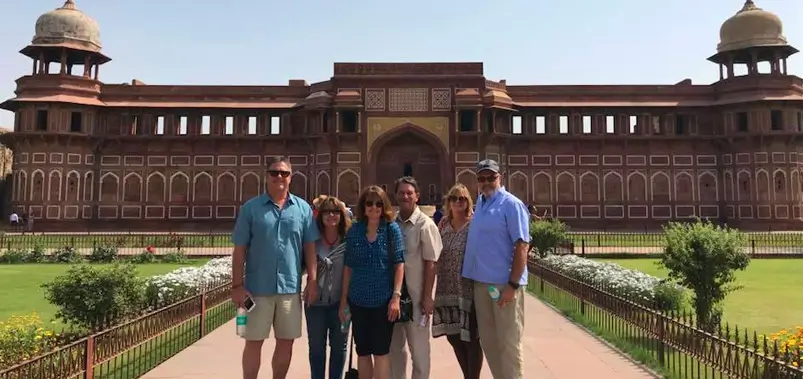
Agra Fort deserves serious attention. It is not simply an optional addition to the Taj Mahal. Its palaces, courtyards, defensive architecture and Mughal history provide important context for understanding Agra's imperial significance. A knowledgeable private guide can connect the fort with the broader history that travellers encountered in Delhi and will continue to encounter elsewhere in North India.
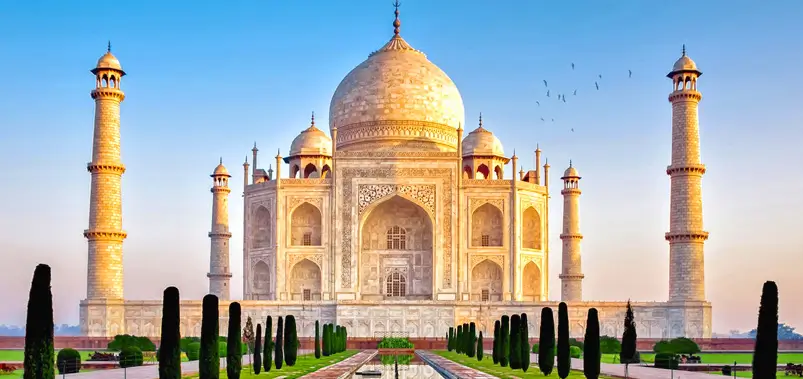
The Taj Mahal should then receive enough time to justify travelling to India to see it. It is normally open from sunrise to sunset and is generally closed to visitors on Fridays, so the Agra stay must be positioned correctly within the itinerary. Operational details and ticket arrangements should always be checked for the actual travel date.
For a luxury Taj Mahal tour, the hotel can substantially influence the stay. The Oberoi Amarvilas is one of the best-known premium choices for travellers who want their accommodation to form part of the Taj Mahal experience. Guests considering such a property should look carefully at the exact room category rather than assuming that every room provides precisely the same outlook or features.
An overnight stay also creates flexibility around the Taj visit. Some guests prefer the atmosphere around sunrise, while others may be more comfortable visiting later. The appropriate timing depends on season, temperature, crowd conditions and the traveller's tolerance for early starts.
The schedule should not force guests to wake extremely early, complete a major monument visit, eat breakfast, check out and immediately begin another demanding day unless that pace genuinely suits them.
For couples on an anniversary or honeymoon, Agra can be one of the destinations where spending more on the hotel makes emotional sense. For other travellers, an excellent luxury hotel without the highest room category may be sufficient because the stay is brief.
The purpose of a private itinerary is to make that decision deliberately.
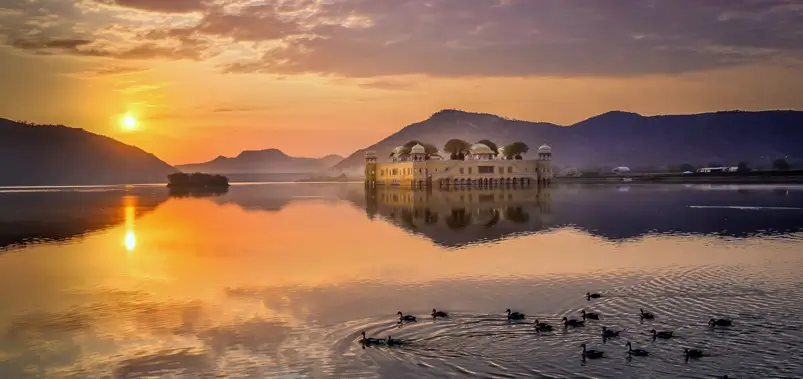
From Agra, a private chauffeur can continue towards Jaipur. Depending on the final programme, the road journey can incorporate a carefully selected stop such as Fatehpur Sikri. Additional stops should be chosen according to interest and energy rather than inserted merely because they appear on standard itineraries.
Jaipur deserves approximately three nights within a two-week Rajasthan and Golden Triangle tour because the city offers substantially more than one full day of sightseeing. Amber Fort alone can occupy a significant part of a morning when visited properly. Its courtyards, defensive position, palace areas and decorative architecture deserve more than a hurried photo stop.
City Palace offers another perspective on Jaipur's royal history, while Jantar Mantar provides an entirely different subject through its monumental astronomical instruments. With a knowledgeable guide, it can become one of the city's most intellectually interesting attractions rather than a quick walk between unfamiliar structures.
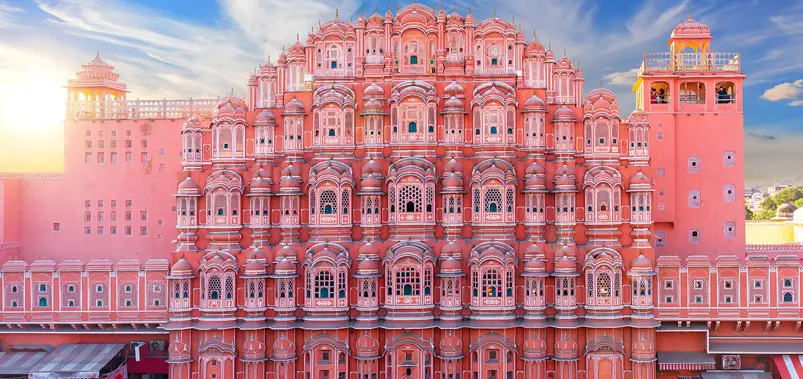
Hawa Mahal is among Jaipur's most recognisable buildings, although travellers should understand that the famous exterior view and the experience of entering the structure are different. The daily programme can be arranged according to the guest's photographic and historical interests rather than following a compulsory checklist.
Jaipur also rewards travellers who want time away from monuments. Jewellery, gemstones, textiles and traditional crafts can be relevant to guests with genuine interest in these subjects. Such visits should be selected carefully and should not become compulsory sales stops. High-end travellers who want serious jewellery or textile appointments should communicate that requirement in advance so appropriate time can be reserved.
Hotel choice can materially alter the Jaipur experience. Rambagh Palace appeals to travellers who want an iconic palace setting, while The Oberoi Rajvilas provides a resort-style environment that can suit guests seeking privacy, space and time away from the city. Other luxury properties may suit different budgets and preferences.
The important point is that an expensive Jaipur hotel should be given time.
A three-night stay can include a major sightseeing day followed by a lighter programme with a free afternoon. That afternoon might be used for the spa, pool, a leisurely lunch or simply several hours without a chauffeur and guide waiting downstairs.
For travellers accustomed to premium holidays, such unscheduled time is not wasted. It can be one of the reasons the private Jaipur luxury tour feels materially different from a standard group itinerary.
Jaipur is also the point where the journey begins to move beyond the conventional Golden Triangle. Instead of returning immediately to Delhi, the route can continue into Rajasthan, giving the remaining days a different visual and cultural character.
Ready to experience North India with VIP access and unmatched comfort? Contact our destination specialists for expert flight guidance, luxury resorts, and custom private tours.
Jodhpur works particularly well after Jaipur because it expands the Rajasthan experience without feeling like a duplicate of the previous cities. The landscape, architecture and character of Mehrangarh Fort give the destination a distinct identity, while the old city's blue painted buildings provide a very different atmosphere from Jaipur's planned avenues and pink facades.
Because Jaipur to Jodhpur is a substantial road journey, the transfer day should be treated realistically. A private chauffeur tour of Rajasthan allows the guests to stop for comfort when required, but a luxury itinerary should not pretend that several hours in a car somehow disappear because the vehicle is premium.
The day can be kept relatively light after arrival.
The following morning can then be devoted to Mehrangarh Fort, one of Rajasthan's most imposing fort complexes. Its elevated position, extensive collections, courtyards and views over Jodhpur justify a properly paced visit with a knowledgeable local guide. Travellers interested in military history, royal life, architecture or photography can easily spend more time here than a standard sightseeing schedule allows.
Jaswant Thada can be incorporated according to the guest's interests, while the old city provides opportunities to see a more intimate side of Jodhpur.
Luxury accommodation in Jodhpur can become one of the strongest hotel experiences of the entire trip. Umaid Bhawan Palace is particularly significant for travellers seeking a major palace hotel stay. Its scale and history make it more than a conventional place to sleep, and guests paying for accommodation at this level should preserve enough time to enjoy the property.
This is another reason not to schedule every available attraction.
If the traveller arrives at a major palace hotel at 5:00 p.m., leaves at 8:00 the following morning and returns after dark, a significant portion of the value has been lost. Two nights allow the hotel and city to coexist more comfortably.
Jodhpur can also provide a useful change in pace after the intensive monument programme of Delhi, Agra and Jaipur. The traveller has already seen several major Mughal and Rajput sites. There is no need to fill every hour with additional sightseeing merely to justify the destination.
A luxury Jodhpur private tour becomes more satisfying when the fort receives proper attention and the remaining time is deliberately lighter.
Udaipur is an excellent counterpoint to the first half of the journey. After major cities, road transfers, forts and intensive sightseeing, its lakeside setting allows the itinerary to become noticeably slower.
The transfer from Jodhpur to Udaipur is a substantial road sector, so the journey should be designed carefully. Depending on the route and interests, Ranakpur can be considered as a stop, but travellers should not feel compelled to add it simply because it lies between the two cities. Adding a meaningful site can enhance the day; adding several minor stops can turn the transfer into another exhausting sightseeing programme.
Once in Udaipur, at least two nights are valuable, while three can be even better when the overall trip length allows.
The City Palace is the principal historical attraction and deserves a private guided visit. Its location above Lake Pichola, successive additions and royal history make it substantially different from the monuments seen earlier in the journey.
Yet Udaipur's appeal extends beyond the palace.
A luxury Udaipur tour should allow time to enjoy the lake setting and the hotel. Boat experiences on Lake Pichola may be considered subject to local operating conditions and availability. Travellers can also reserve time for dining, spa treatments or simply sitting with a view rather than moving immediately to another monument.
Hotel selection matters enormously here.
For travellers seeking a highly recognisable luxury stay, Taj Lake Palace provides a distinctive setting on Lake Pichola, while The Oberoi Udaivilas offers a different resort style experience with substantial grounds and a strong sense of privacy. Other premium properties provide additional options depending on preferred location, style and budget.
The correct choice depends partly on how much time will be spent at the hotel.
A traveller who wants an active programme from morning until night may not need to spend heavily on the highest accommodation category. Someone who wants Udaipur to function as the restorative portion of a two week journey may consider the hotel one of the most important expenditures of the entire trip.
This is also an ideal point for a free afternoon.
After more than a week of travel, even energetic guests can benefit from several hours with no formal programme. Clothes may need to be sent for laundry. Travellers may want a long lunch. Business owners may need to catch up on work. Couples may simply want to enjoy the hotel.
A well designed bespoke North India tour acknowledges these ordinary needs instead of pretending that travellers want continuous sightseeing for fourteen consecutive days.
Finishing a North India itinerary with Varanasi can create a powerful contrast with Rajasthan. The city does not resemble Delhi, Agra, Jaipur, Jodhpur or Udaipur, and that is precisely why it can be valuable.
Varanasi should not be added casually, however. It introduces an additional flight sector and a very different physical environment. The old city contains narrow lanes, crowded areas, steps and ghats where a private car cannot simply deliver travellers to every point of interest.
Luxury in Varanasi therefore operates differently.
The hotel can provide comfort and a private base, while the experience outside requires an acceptance that one of India's oldest and most important cities cannot be transformed into a resort environment.
A private Varanasi luxury tour may include guided time along the ghats, an evening experience associated with the Ganga Aarti and an early morning boat ride when conditions permit. Exact arrangements should reflect local conditions and the traveller's mobility.
The morning river experience can be particularly memorable, but it requires an early start. After nearly two weeks of travel, guests should decide whether that start genuinely appeals to them rather than treating it as compulsory.
Varanasi also requires sensitive guiding. The ghats are living religious and social spaces, not staged tourist attractions. Cremation areas require respectful behaviour and photography restrictions or sensitivities should be followed. A knowledgeable local guide can help travellers understand what they are seeing without turning deeply personal religious practices into spectacle.
Sarnath can be considered for travellers interested in Buddhist history. It provides a quieter contrast to central Varanasi and adds another religious tradition to the journey.
Two nights can provide an introduction to the city, although additional time can be valuable for travellers with a particularly strong interest in its spiritual and historical significance.
A domestic flight can then return the guests towards Delhi for the final international departure. Flight schedules should be checked carefully. For an expensive long haul international ticket, relying on a tight same day domestic connection can create unnecessary risk. Depending on timings, a final Delhi night may be the more comfortable structure.
One of the most important elements of a 14 day private North India itinerary is deciding when to drive and when to fly.
Delhi, Agra and Jaipur connect naturally by road. Keeping a dedicated chauffeur through these sectors provides continuity and avoids repeated airport procedures for relatively short geographical distances.
Moving further through Rajasthan can also work well by road because the journey itself connects the destinations logically. However, once the itinerary reaches a point where a road transfer would consume most of a day without adding meaningful stops, a domestic flight may become more sensible if an appropriate service operates for the required route.
Private transportation should also be chosen according to passengers and luggage.
Two guests carrying modest luggage may be comfortable in a premium sedan. A family arriving with several large suitcases can require substantially more luggage space. The vehicle should be selected for actual comfort, not merely according to the maximum number of advertised seats.
The chauffeur and guides should also be understood as different services. A dedicated driver handles the road journey and local transportation, while knowledgeable local guides can provide detailed interpretation in each principal city.
For a privately guided North India tour, this structure can be more effective than expecting one person to perform every role for two weeks.
Domestic flights require additional attention to baggage allowances. Travellers arriving internationally in business class may have more checked baggage than their internal ticket permits. Excess baggage can therefore become an additional cost unless considered before ticketing.
Transfers at both ends of each flight should also be incorporated into the itinerary. A flight may last only ninety minutes, but the actual travel day includes hotel checkout, driving to the airport, check-in, security, baggage collection and the transfer to the next hotel.
This is why adding flights does not automatically make an itinerary relaxing.
The route should minimise unnecessary transport while preserving the destinations that matter most.
A two week private journey at the luxury end of the market can vary enormously in cost. The difference is usually driven less by sightseeing tickets and more by hotel selection, room category, transportation, domestic flights and the level of private services.
A couple using strong five star hotels, private chauffeur driven transportation and personal guides should expect a substantial ground budget. Moving into India's most prestigious palace hotels and resort properties can increase that figure considerably.
For a two week luxury India tour for two, spending above $10,000 on ground arrangements can be entirely realistic once premium hotels, private transportation, guides and domestic travel are included. A more ambitious itinerary using leading palace hotels and higher room categories can move into the $15,000–$25,000 range or beyond. Travellers choosing signature suites, the most prestigious hotels and extensive private arrangements can spend substantially more.
These figures should be treated as broad indicators rather than fixed package prices because hotel rates change significantly according to dates and availability.
The best budget strategy is not necessarily to use the same hotel level every night.
A couple might select an excellent luxury room in Delhi, spend more for a meaningful Agra category, upgrade heavily in Jaipur or Jodhpur, and reserve another major hotel expenditure for Udaipur.
That produces a more deliberate luxury experience than automatically selecting suites everywhere.
Domestic flights, special dining, spa treatments and premium activities can then be added according to the traveller's interests.
A detailed quotation should state which items are included so the guest can distinguish the tour price from personal spending.
The greatest advantage of having two weeks is the ability to reject the temptation to see everything.
India rewards repeat travel. A first journey does not need to contain Delhi, Agra, Jaipur, Jodhpur, Udaipur, Varanasi, Amritsar, Ranthambore, Khajuraho and every other destination that appears interesting on a map.
Adding cities has a cost beyond money.
Every new destination means packing, checking out, loading luggage, travelling, checking in and becoming familiar with another hotel. Even when every transfer is private, the process consumes energy.
A slow paced luxury India itinerary should therefore include deliberate breathing room. Three nights in an important city can be more rewarding than one night each in three additional places.
The itinerary should also contain evenings where nothing formal is booked.
A guest may want room service after a long day. A couple may discover a restaurant they want to try. A family may decide to use the hotel pool. Those moments are easier when the holiday has not been programmed from breakfast until bedtime.
The route should be even slower for senior travellers or families travelling across generations. Walking at forts and palaces can be substantial, temperatures can be demanding and early starts can accumulate fatigue over two weeks.
Private travel makes it possible to adjust.
If Amber Fort takes longer because the guests are fascinated by it, another Jaipur stop can be moved or removed. If the family is tired after arriving in Jodhpur, the afternoon can remain free. If Udaipur becomes a favourite, the schedule can give the hotel and lake more attention rather than forcing another full sightseeing day.
Golden Triangle Tours can structure a North India journey around this principle, using the Golden Triangle as the foundation while extending into Rajasthan and other selected destinations according to the traveller's available time.
Fourteen days is enough to see a substantial part of North India.
It is not enough to see all of it, and trying to do so would defeat much of the purpose of booking privately.
We promise you a holiday where everything is taken care of from the moment you land. Trusted drivers waiting for you, handpicked hotels that fit your style, personalized itineraries designed just for your family, and a dedicated team on call 24/7. All you need to do is relax, explore, and create unforgettable memories, while we take care of every detail behind the scenes.
Yes. Fourteen days can comfortably combine the Golden Triangle with selected destinations such as Jodhpur and Udaipur, with Varanasi possible when flight timings and the overall route are handled carefully. Trying to add too many further cities can make the trip unnecessarily rushed.
A strong route can include Delhi, Agra, Jaipur, Jodhpur, Udaipur and Varanasi, with private road transportation through the geographically connected sectors and domestic flights where they meaningfully reduce travel time.
Three nights can work well for first-time international visitors because they provide time to recover from the flight and divide Old Delhi and New Delhi sightseeing into more comfortable periods.
One well-positioned overnight stay can work for many travellers, particularly when the itinerary provides enough time for the Taj Mahal and Agra Fort. Guests wanting a slower stay can add another night.
Three nights are particularly useful on a luxury Jaipur itinerary because they allow major sightseeing without sacrificing all of the time available to enjoy a palace or resort hotel.
They provide different experiences and can work well together. Jodhpur is dominated by the powerful presence of Mehrangarh Fort, while Udaipur provides a softer lakeside environment that can help slow the itinerary after several active sightseeing days.
Yes, but luxury in Varanasi does not mean avoiding the character of the city. A premium hotel, private transfers and personal guiding can provide comfort, while visits to the ghats and old city still involve the realities of a historic and active religious destination.
Both can be useful. Delhi, Agra and Jaipur are naturally suited to private road travel. Longer sectors may be better handled by domestic flights when suitable services are available and the flight genuinely saves time.
A premium private journey can exceed $10,000 in ground arrangements for two people. Using prestigious palace hotels, higher room categories and extensive private services can move the budget into roughly $15,000–$25,000 or significantly higher, depending on dates and hotel selection.
Yes. Golden Triangle Tours can arrange a private itinerary beginning with Delhi, Agra and Jaipur and continuing into selected North India and Rajasthan destinations, with luxury hotels, private chauffeurs, personal guides and domestic travel structured around the guest's preferred pace.