How to Choose the Best India Tour Company: 15 Questions to Ask Before You Book
16 Sep 2026

Choosing the best India tour company is one of the most important decisions an international traveler makes before visiting the country. India is not a destination where every tour operator delivers the same type of service. The quality of hotels, private vehicles, local guides, airport handling, route design, support, payment terms and problem solving can vary significantly between companies that appear similar on the surface.
A traveler may receive three quotations for the same Delhi, Agra, Jaipur or Rajasthan itinerary and find a large price difference between them. One company may include only hotels and transportation. Another may include airport transfers, private guides, monument tickets, tolls, parking, driver allowance and stronger hotel categories. A third may quote a very low headline amount and leave several important costs payable after arrival.
That is why comparing only the final price is not enough.
A reliable India private tour operator should make the trip easier before the traveler even arrives. The communication should be clear, the quotation should explain exactly what is included, the vehicle should be appropriate for passengers and luggage, hotel names should be identifiable, guide services should be defined and payment conditions should be written rather than explained vaguely over chat.
The strongest travel company is not automatically the largest company, the cheapest company or the operator with the most attractive website. It is the company that can show a consistent ability to organize the type of trip the traveler actually wants.
Golden Triangle Tours works with international travelers looking for private journeys across Delhi, Agra, Jaipur, Rajasthan and other parts of India. Mr. Nand Singh Rathore and his team handle private ground arrangements with an emphasis on customized transport, hotels, local guides and practical route coordination. Regardless of which operator a traveler considers, the same due diligence questions should be asked before any meaningful deposit is paid.

The first factor is not price. It is relevance.
An operator may be legitimate and experienced but still not be the right company for a particular trip. A business focused on large coach groups may not be ideal for a couple seeking a flexible private India tour. A luxury focused operator may not be the best fit for a budget conscious family. A company that mainly handles pilgrimage traffic may not have the same hotel and guide network needed for a premium Rajasthan itinerary.
Travelers should look at the routes the company actually handles regularly. An operator selling private Golden Triangle, Rajasthan, wildlife, spiritual and wider North India travel is more likely to understand the operational details of those circuits than a company that lists hundreds of unrelated destinations without depth.
The same applies to traveler type. Families, senior travelers, solo women, honeymooners, university groups and luxury couples do not require identical service. A credible India tour company for international travelers should be able to explain how the itinerary changes according to the group profile.
A family with two young children may require shorter sightseeing days, a larger vehicle and hotels with convenient facilities. Senior travelers may need fewer monuments per day and easier hotel access. A luxury couple may prioritize premium rooms, private guides and stronger restaurant recommendations. A large group may need coach access, rooming lists and pre-arranged meals.
If the operator responds to every traveler with the same fixed itinerary, that is a sign that the company may be selling a template rather than managing the trip around the guest.
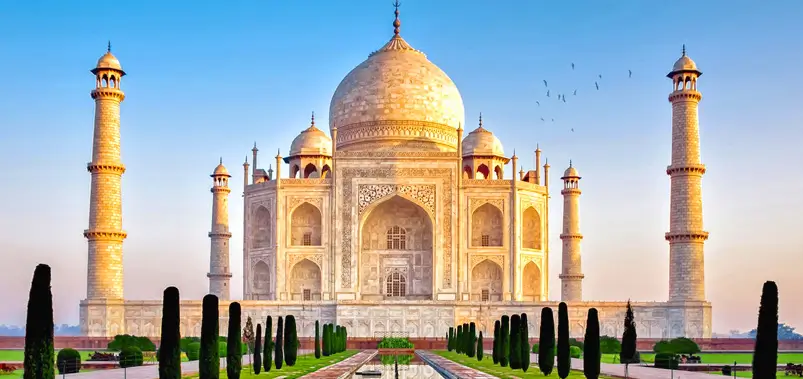
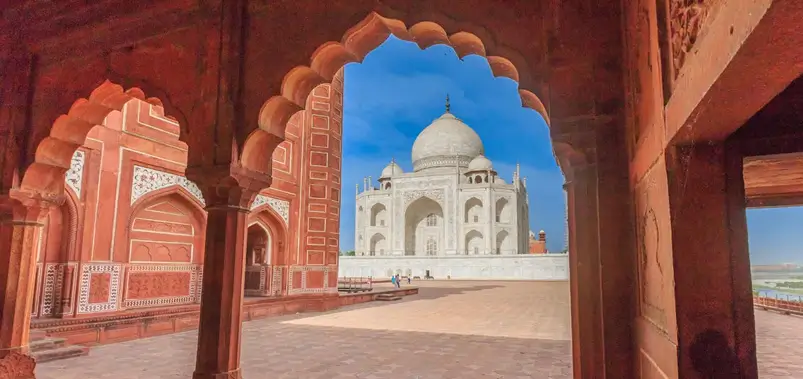
The traveler should also check whether the company can answer practical route questions. How long does Delhi to Agra actually take from a specific hotel? Should the Taj Mahal be scheduled at sunrise? Is the Taj Mahal normally closed on Friday? How much time should be allowed between Jaipur and Delhi Airport before an international departure? Which hotel locations work better for specific sightseeing days?
These operational details reveal far more about real experience than generic marketing language.
A trustworthy company should sound like it manages the route in real life, not like it is reading descriptions from a brochure.
Hotel quality is one of the largest variables in any India tour package cost, and this is where vague quotations often create problems.
The words “four star hotel” or “five star hotel” are not enough.
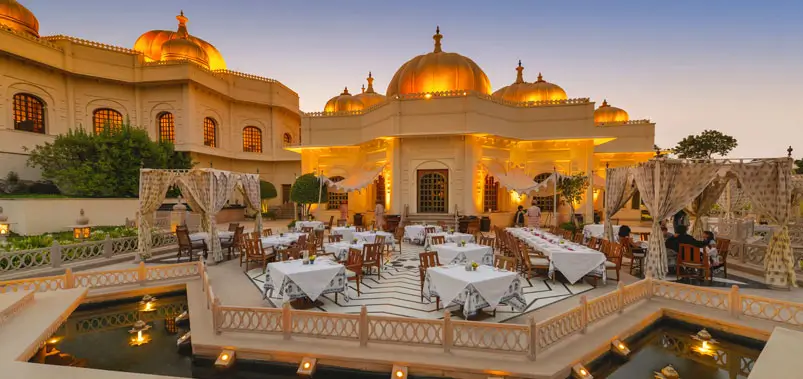
Two hotels with the same star classification can have very different room quality, location, breakfast standards, service and nightly rates. A premium hotel in a convenient part of Delhi may cost considerably more than another property far outside the main sightseeing areas. A Jaipur heritage hotel may provide atmosphere but limited lift access. An Agra hotel may command a higher rate because of its location or Taj Mahal view.
The traveler should therefore request actual hotel names wherever possible.
Room category matters as well. A luxury hotel may have standard rooms, premium rooms, suites and view specific categories at very different prices. A quotation should not create the impression of a high end stay while quietly using the lowest room category if the traveler expects something more premium.
Families need additional clarity. Connecting rooms, twin rooms, extra beds and child policies should be discussed before booking. A family should not arrive and learn that the requested room arrangement was never guaranteed.
A good private India tour package with hotels should also state whether breakfast is included and whether hotel taxes are already built into the price.
Location should be discussed in practical terms. A hotel with an impressive brand name can still create inconvenience if the traveler spends an additional hour in traffic every morning and evening. For a short Golden Triangle trip, central or strategically located hotels may provide more value than a remote resort.
Travelers should also ask what happens if a proposed hotel becomes unavailable before confirmation. Does the operator reserve the right to substitute any property, or will an equivalent hotel be offered and approved before payment?
That distinction matters because some low cost tour quotations use broad categories rather than named hotels. This gives the operator flexibility but gives the traveler less certainty.
A premium quotation should reduce uncertainty, not create it.
Transportation affects the trip every single day, yet travelers often spend more time researching hotel rooms than the vehicle they will use for several hours at a time.
The correct private car for India tour depends on both passenger count and luggage.
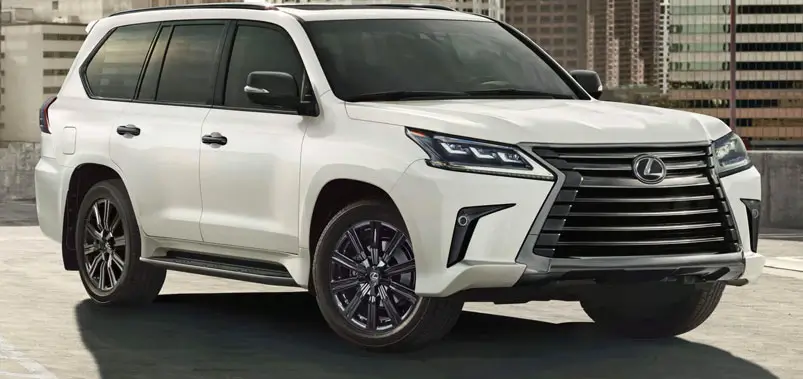
A sedan can work for one or two travelers with moderate baggage. An Innova Crysta or similar SUV is often more comfortable for international couples and small families carrying large suitcases. Larger families may require a Tempo Traveller, while bigger groups need a mini coach or full size coach.
The problem begins when an operator selects a vehicle only according to passenger capacity.
Four passengers may technically fit in an SUV, but the experience can become uncomfortable if the boot is filled with four large checked suitcases and cabin bags. A group of ten may technically fit in a Tempo Traveller, but the cabin can feel cramped if every passenger carries international luggage.
A professional India tour operator with private driver should ask about baggage before recommending the vehicle.
The quotation should also explain whether fuel, tolls, parking, interstate taxes and driver allowance are included. These operating costs are part of a road journey and can create hidden expenses if they are left outside the headline rate.
Travelers should ask whether the vehicle remains private throughout the trip. A private package should not suddenly become shared transportation on selected sectors unless this has been agreed in advance.
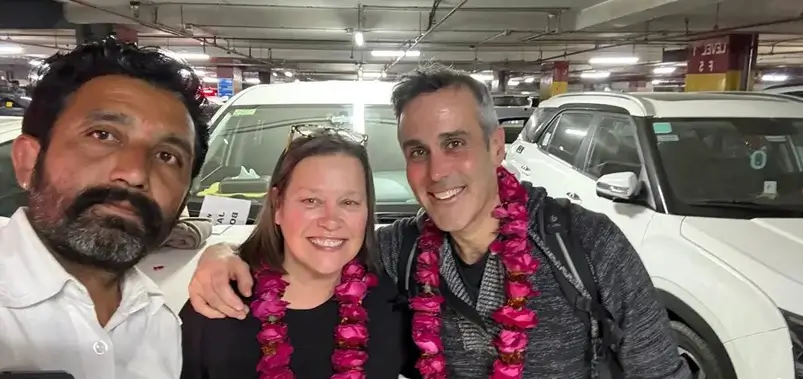
The driver also matters. A tourist driver should be experienced with intercity routes, hotel entrances, airport terminals, parking areas and road conditions. The driver does not need to perform the role of a professional monument guide, but the driver should provide reliable transportation and coordinate daily pickup times properly.
For routes such as Delhi–Agra–Jaipur, continuity can be valuable. Using the same driver throughout the road circuit creates consistency because the driver becomes familiar with the travelers’ pace and luggage.
If the company cannot clearly identify the vehicle category and transport inclusions, the quotation is incomplete.
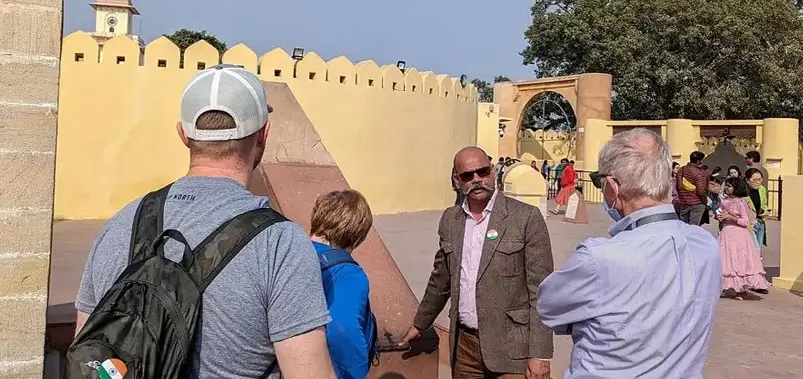
Guide services should never be described vaguely.
A quotation saying “guide included” should explain where the guide is provided and in which language.
A private guide in India can add major value at historical sites such as the Taj Mahal, Agra Fort, Amber Fort, Jantar Mantar, Qutub Minar and Humayun’s Tomb. Professional explanation can turn a sightseeing stop into a much richer experience.
The traveler should ask whether local guides are provided in Delhi, Agra, Jaipur or other relevant cities. It is normal for different cities to use different local specialists.
Foreign language travelers should confirm availability early. Spanish, French and German speaking guides may carry higher charges and can be more difficult to secure during busy travel periods.
The traveler should also understand the difference between a local guide and a full time tour escort. A local guide generally joins for sightseeing in one city. A tour escort may stay with the travelers between destinations and assist throughout the journey.
These are different services with different costs.
A credible India tour company with professional guides should explain which option the traveler is receiving rather than using the words interchangeably.
Guide quality also matters more than the lowest rate. An experienced guide who communicates clearly, handles monument procedures efficiently and adapts explanations to the traveler can contribute significantly to the trip.
This is one of the strongest tests of a reliable operator.
A transparent India tour quotation should have clear inclusion and exclusion sections.
The inclusion section may contain hotels, breakfast, private transportation, airport transfers, driver services, fuel, tolls, parking, local guides, monument admissions and selected meals. The exact list will vary according to the package.
The exclusion section may contain international airfare, travel insurance, personal shopping, alcoholic beverages, laundry, spa services, meals not specifically included, gratuities and optional activities.
The traveler should never have to guess.
Monument tickets deserve particular attention. A package can include guided sightseeing while leaving entrance fees excluded. These are not the same thing.
The same applies to meals. Breakfast may be included while lunch and dinner remain independent.
Taxes should also be addressed. The traveler should know whether the quoted amount is final or whether additional applicable taxes will be added before payment.
A low quotation with several exclusions may ultimately cost more than a higher quotation with stronger inclusions.
This is why the best India tour package price is not necessarily the smallest number.
The traveler should compare services line by line.
Payment terms reveal a great deal about the professionalism of a tour operator.
A traveler should know how much deposit is required, when the remaining balance becomes due, which currencies are accepted and which payment methods are available.
A reputable India travel company payment policy should be written clearly.
Travelers should be cautious when a company requests a large payment but cannot provide a formal invoice, booking confirmation or written cancellation conditions.
Bank transfer, card payment and other recognized payment methods may be available depending on the operator. Each method can have different fees, currency conversion costs and processing times.
The traveler should also ask whether the amount is charged in INR, USD, GBP, EUR or another currency. Exchange rate movements can change the effective price when the final payment is made later.
Payment details should match the company or authorized business account rather than creating unexplained confusion between personal and business recipients.
A traveler should also keep written records of the quotation, invoice and payment confirmation.
The goal is not to treat every operator with suspicion. The goal is to create a clear commercial record before the trip begins.
Travel can change unexpectedly.
Flights can be canceled, health issues can arise, family circumstances can change and visa related delays may occur.
A reliable India tour cancellation policy should explain what happens when a traveler cancels after paying a deposit.
The policy should also explain whether hotel cancellation charges, vehicle commitments or other supplier costs are non-refundable.
Travelers should avoid assuming that a package can be canceled at any time for a full refund. Hotels and ground suppliers often apply stricter conditions as the travel date approaches.
At the same time, cancellation terms should not be hidden until after payment.
The traveler should know the policy before confirming the booking.
Travel insurance is important because some losses caused by cancellation may be recoverable through an appropriate policy rather than through the tour operator.
A professional company should be willing to provide its conditions in writing.
Review scores are useful, but the content of the reviews matters more.
A company with many generic five star ratings may appear strong, but travelers should read what guests actually say.
Useful reviews mention specific details: driver quality, hotel coordination, guide professionalism, airport pickup, response time, flexibility, route management and how the company handled unexpected changes.
These details help a traveler evaluate a trusted India tour operator more effectively than a simple star rating.
Recent reviews are also important because service quality can change over time.
Travelers should look for patterns rather than relying on one extremely positive or negative review.
If many independent guests mention the same driver quality, responsive communication or smooth hotel handling, that consistency is meaningful.
If repeated complaints mention hidden charges, vehicle problems or poor communication, those patterns deserve attention.
Review platforms are one source of evidence, but travelers should combine them with direct communication and the written quotation.
Communication before payment often predicts communication during the trip.
If a company takes days to answer a basic question while actively trying to make a sale, the traveler should consider how responsive that company may be if a problem occurs after arrival.
A good India tour operator customer support process should answer relevant questions clearly rather than responding with generic templates.
The traveler should be able to ask about hotel alternatives, vehicle size, guide language, monument closures, airport pickup and payment terms without receiving evasive answers.
At the same time, not every response needs to be instant. Complex quotations may require hotel checks and operational coordination.
What matters is whether the communication is professional and consistent.
Travelers should also know who they can contact during the trip. Is there one primary coordinator? Is support available if a flight changes or a hotel issue occurs? Does the traveler receive the driver’s contact details before arrival?
A private tour should provide more than a booking confirmation. It should provide a clear support structure.
India travel can involve changes.
Traffic can delay a road sector. A traveler may become tired and want to skip an attraction. Weather can affect an outdoor visit. A hotel room may need attention. A flight may change.
A competent private tour company in India should be able to respond to reasonable operational changes.
This does not mean every change is free.
Adding a new city, changing a hotel or extending the trip can create additional cost. But the operator should be capable of explaining the available options and handling adjustments professionally.
This ability becomes especially important for families and senior travelers.
A rigid itinerary may look efficient on paper but fail in real life when the travelers need a slower pace.
A private operator should be able to distinguish between fixed elements, such as confirmed hotel nights, and flexible daily sightseeing.
This is one of the easiest ways to identify weak route design.
A professional India private tour itinerary should use realistic road times.
Delhi to Agra commonly requires around three to four hours under favorable conditions. Agra to Jaipur may require around four to five hours of driving, while Jaipur to Delhi can take around five to six hours or longer.
Sightseeing stops increase these durations.
A quotation that treats every road sector as a short transfer may create exhausting travel days.
International flight timing is particularly important. A traveler should not be scheduled to leave Jaipur with minimal buffer for a Delhi international departure.
The Taj Mahal’s normal Friday closure should also be incorporated into the route.
Operational details like these show whether the itinerary has been designed by someone familiar with the circuit.
A reliable operator should not always push the cheapest option.
Sometimes a more expensive vehicle is genuinely better because of luggage. A better located hotel may save hours of traffic. A private guide may add real value at a major monument.
The best private tour company in India should be comfortable explaining where extra spending makes sense and where it does not.
For example, a couple with large suitcases may receive more value from upgrading from a sedan to an Innova Crysta than from paying for an expensive room upgrade.
A family may benefit more from two connecting rooms than one luxury suite.
A traveler may prefer strong four star hotels while keeping high quality private guides.
Good advice is not about making every element premium. It is about allocating the budget intelligently.
Verbal promises are difficult to rely on if expectations change later.
A professional India tour booking confirmation should record the major services.
Hotel names, room category, vehicle type, itinerary, guide language, airport transfers, payment terms and key inclusions should appear in written communication.
If a specific premium service has been promised, it should be recorded.
This protects both the traveler and the operator because everyone is working from the same expectations.
A company that resists putting important commercial details in writing creates unnecessary uncertainty.
Extremely high prices should be questioned, but extremely low prices should also be examined carefully.
A cheap India tour package may be legitimate when the hotels are basic and several services are excluded. The issue arises when a very low quote claims to offer the same hotel, vehicle, guides and inclusions as a much stronger premium quotation.
Travelers should ask what has been reduced to create the lower price.
Is the hotel outside the city? Is the vehicle smaller? Are monument tickets excluded? Are guides only included in one city? Are tolls and parking payable separately?
A realistic price should make sense when the service components are examined.
The strongest value often sits between the cheapest and most expensive quote.
A private trip should feel private.
The itinerary should reflect arrival times, interests, age profile, mobility, hotel preference and travel pace.
A good tailor made India tour company should be willing to adjust the number of nights, hotel category, sightseeing sequence and vehicle according to the traveler.
The company should not pressure every guest into the same itinerary simply because it is easier to sell.
Golden Triangle Tours follows this private arrangement model across Golden Triangle, Rajasthan and wider India routes, with Mr. Nand Singh Rathore and his team coordinating services according to traveler requirements.
The strongest booking decision comes from comparing the operator’s communication, quotation detail, service quality and ability to manage the route rather than making a choice based on one headline price.
A traveler who asks the right questions before payment is far more likely to receive the type of India journey they expected after arrival.
Post Date : 📅 16 Sep 2026
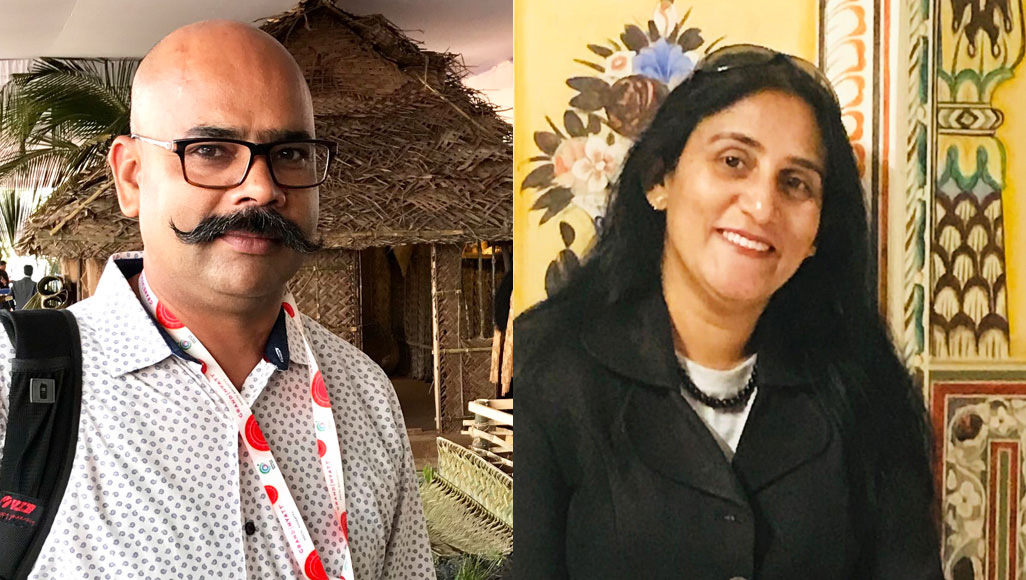
We promise you a holiday where everything is taken care of from the moment you land. Trusted drivers waiting for you, handpicked hotels that fit your style, personalized itineraries designed just for your family, and a dedicated team on call 24/7. All you need to do is relax, explore, and create unforgettable memories, while we take care of every detail behind the scenes.
Clear written communication is one of the strongest signs. A professional operator should be able to explain the itinerary, costs, hotels, vehicle, guides, inclusions, exclusions and support structure before the traveler pays.
Compare the same categories line by line: hotel names, room type, vehicle, guides, monument tickets, meals, airport transfers, taxes, tolls, parking and cancellation terms. The lower total is not necessarily the better deal.
Hotel changes can occasionally occur because of availability or operational issues, but the substitution policy should be clear. Travelers should expect an equivalent or agreed alternative rather than an unexplained downgrade.
Yes. Look beyond the star rating and read detailed comments about drivers, guides, hotels, communication, hidden charges and problem-solving. Patterns across multiple reviews are more useful than one isolated comment.
Deposit requirements vary according to the operator, hotels and travel dates. The amount, balance due date and cancellation conditions should be clearly stated before payment.
A driver handles transportation, while a professional local guide provides historical and sightseeing interpretation. Travelers interested in major monuments usually receive more value when both services are used appropriately.
The quotation should identify hotels, private vehicle, driver, airport transfers, guide services, meals, monument tickets, taxes and major operating costs where applicable. It should also provide a clear exclusion list.
Yes. Hotel names and room categories should ideally be stated before payment, particularly for premium and luxury packages. Generic star ratings do not provide enough information.
Not automatically. A low quotation may exclude entrance fees, guides, airport transfers, transport charges or better hotels. Compare the actual inclusions before judging value.
Check detailed reviews, written quotations, hotel names, vehicle information, payment conditions, cancellation terms and whether the company answers practical route questions clearly. A reliable India tour operator should reduce uncertainty before payment rather than increase it.