India can be intensely rewarding for international travellers, but it can also become tiring when an itinerary is built around the maximum number of cities rather than the quality of each stay. Long international flights, road transfers, early monument visits, large historical sites, hotel changes and full sightseeing days can accumulate quickly. A route that looks impressive on paper can feel completely different after a week of waking early, packing luggage and moving to another destination.
A relaxed luxury India tour does not mean missing the Taj Mahal, Amber Fort, Delhi's historic monuments or Rajasthan's great palaces. It means giving those places enough time. Instead of visiting five attractions in a day simply because they are located in the same city, the itinerary can concentrate on the strongest sights and preserve enough space for long meals, hotel time and changes in energy.
Private travel is particularly well suited to this approach. A dedicated chauffeur means the traveller does not have to follow a coach departure. Personal guides can adjust sightseeing according to interest. Longer hotel stays reduce packing and check-in formalities. Carefully selected flights can eliminate unnecessary full-day road transfers, while road journeys remain useful where the geography naturally supports them.
For Golden Triangle Tours, a relaxed itinerary can still be culturally substantial. Delhi, Agra and Jaipur can form the foundation, while destinations such as Udaipur, Jodhpur, Ranthambore or Varanasi can be added selectively when the number of nights supports them. The objective is not to make India smaller. It is to give travellers enough time to appreciate the parts they have chosen.

The most important decision in creating a slow-paced India itinerary is the number of destinations. Travellers often begin with a list of every place they would like to see and then try to fit all of them into the available dates. That approach frequently creates a schedule in which the guest technically visits many cities but experiences very few of them comfortably.
Consider a ten-night trip. Delhi, Agra and Jaipur can fit naturally within that period and still leave enough room for a measured pace. Once Udaipur, Jodhpur, Ranthambore and Varanasi are added to the same ten nights, the character of the holiday changes. Every additional destination creates another checkout, transfer, check-in and orientation period. Even if domestic flights are available, airport procedures consume time.
The number of nights matters more than the number of destination names.
Three nights in Delhi can allow the international arrival day to remain light, followed by two useful sightseeing periods. One or two nights in Agra can provide enough time for the Taj Mahal and Agra Fort without forcing a same-day return journey. Three nights in Jaipur can cover the major royal sights while preserving part of a day for the hotel, spa or shopping.
With fourteen nights, another region can be introduced more comfortably. Rajasthan can continue through Jodhpur and Udaipur, or Varanasi can be added using a suitable flight connection. The traveller still sees a substantial amount of India, but the itinerary avoids changing hotels every night.
Longer stays also allow the traveller to respond to the destination. If Jaipur becomes a favourite, there is enough time to spend longer at City Palace or arrange a serious jewellery appointment. If Delhi feels tiring after the international flight, the first sightseeing day can be shortened without destroying the entire schedule.
This flexibility is one of the principal benefits of a private luxury tour of India. The itinerary has structure, but it does not need to operate like a timetable where one delay damages every activity that follows.
Discover Delhi, Agra, and Jaipur with tailor-made luxury itineraries, private transfers, and handpicked 5-star hotels. Let our travel experts craft your dream India tour.
One of the easiest ways to make an India holiday unnecessarily exhausting is to treat the arrival date as a normal sightseeing day. International travellers may reach Delhi after eight, ten, fifteen or more hours of flying, sometimes following an additional connection before the long-haul sector.
Immigration, baggage collection and the airport transfer add more time before the guest reaches the hotel. A traveller whose aircraft lands at 9:00 a.m. may therefore arrive at the hotel considerably later.
That is not the ideal moment to begin a full-day private Delhi sightseeing tour.
A relaxed itinerary should treat the arrival day primarily as a recovery period. The private chauffeur can meet the guests according to the confirmed flight and transfer them directly to the hotel. After check-in, the afternoon can remain free. Guests can sleep, use the spa, have a light meal or simply spend time adjusting to the local time zone.
If the flight arrives very early, hotel access deserves particular attention. Standard check-in may be several hours away. Travellers who know they will need immediate rest can consider guaranteeing the room from the previous night rather than relying solely on an early check-in request that remains subject to availability.
A light activity can be kept available for guests who feel energetic, but it should not be something that would be disappointing to miss. A gentle neighbourhood visit, relaxed dinner or short drive can work better than scheduling one of Delhi's major monuments.
This approach protects the following day as well. Guests who spend the arrival day recovering are more likely to enjoy Humayun's Tomb, Old Delhi or Qutub Minar properly the next morning.
Luxury is not demonstrated by how quickly a traveller starts sightseeing after landing. In this situation, the luxury is having enough time that there is no need to start immediately.
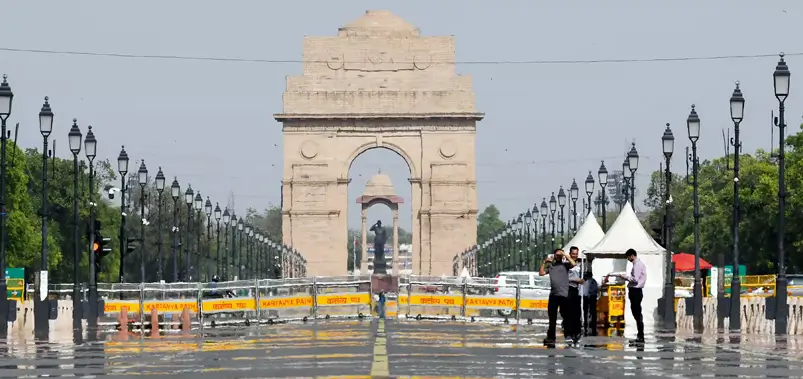
Delhi is often underestimated because travellers think of it as a gateway rather than one of India's most historically layered cities. Attempting to see both Old Delhi and New Delhi in a single intensive day can mean many hours of driving, walking and processing information.
A relaxed Delhi luxury itinerary works better when the city is divided.
One sightseeing period can concentrate on Old Delhi and its historic environment. Depending on interests and current access arrangements, travellers can spend time around major religious and historical areas with a private guide who explains the development of the old city rather than moving rapidly from one photo stop to another.
A separate period can concentrate on New Delhi and selected major monuments. Humayun's Tomb deserves time, particularly for travellers continuing to Agra, because it provides useful context for the development of Mughal architecture. Qutub Minar can be included without requiring the guest to hurry through the complex.
The important word is selected.
Delhi contains enough attractions to fill several days. A first-time visitor does not need to see all of them in forty-eight hours. The programme should reflect what the traveller finds interesting.
Someone fascinated by architecture may spend much longer at Humayun's Tomb. A guest interested in religion and community traditions may want more time at Gurudwara Bangla Sahib. A food-focused traveller may want to devote part of the day to a carefully chosen culinary experience instead of another monument.
A private guide makes these decisions easier because there is no group schedule to protect.
The lunch break should also be genuine. Travellers do not need to eat in thirty minutes simply to reach another attraction. A comfortable lunch followed by one substantial afternoon visit can feel considerably more luxurious than a day containing seven short stops.
For senior travellers, the value is even greater. Walking distances, steps, heat and traffic can make a seemingly ordinary sightseeing day much more demanding than expected.
Delhi becomes more enjoyable when travellers stop trying to complete it.
Get expert guidance on planning a seamless, relaxed Golden Triangle tour with premium comfort, private transfers, and personalized travel experiences.
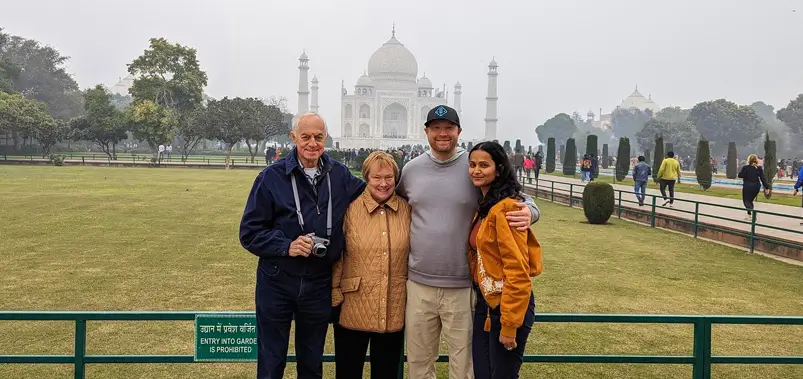
The Taj Mahal is one of the most important reasons many first-time visitors travel to India, yet it is frequently placed inside one of the most exhausting days of the holiday. A traveller may leave Delhi extremely early, drive to Agra, visit multiple monuments and return to Delhi late at night.
That is possible. It is not necessarily the strongest choice for a relaxed Golden Triangle tour.
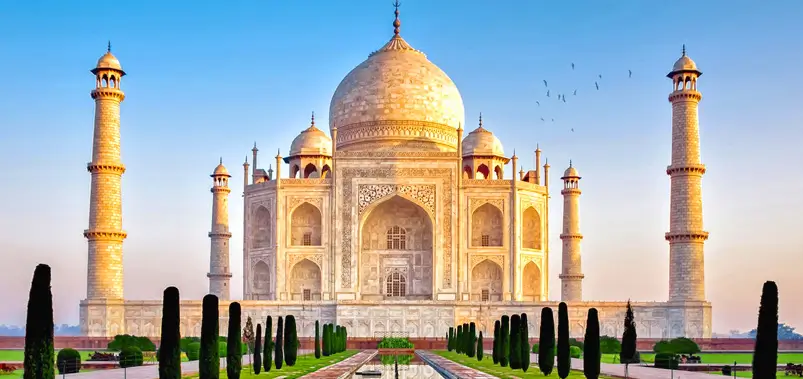
Staying overnight in Agra changes the experience. Guests can travel from Delhi at a comfortable hour, check into their hotel and visit Agra Fort without the pressure of immediately returning to another city.
The Taj Mahal can then be given its own appropriate period.
Some travellers genuinely enjoy an early visit. Others dislike waking before sunrise and would appreciate the monument more after proper sleep. The schedule should be based on the guest rather than treating sunrise as compulsory simply because it appears frequently in India itineraries.
The Taj Mahal is generally open from sunrise to sunset and normally closed to general visitors on Fridays, so the route must be arranged accordingly. Current ticketing and access arrangements should be checked for the actual travel dates.
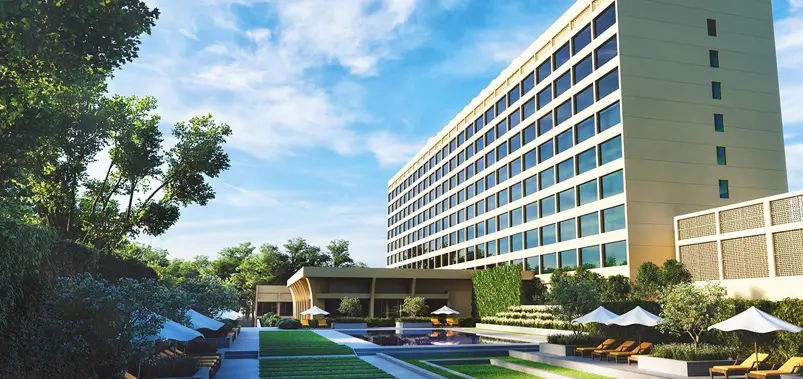
The hotel can also become part of the slower Agra experience. Travellers choosing a premium property such as The Oberoi Amarvilas should preserve enough time to enjoy what they have purchased. Paying a substantial hotel rate and then spending almost every waking hour outside the property defeats much of the reason for choosing it.
A relaxed stay can include time for lunch, rest and an evening without another scheduled excursion.
Agra does not need many nights for most first-time travellers. It simply needs enough time that one of India's most important monuments is not experienced between two exhausting road journeys.
Jaipur is one of the destinations where an extra night can dramatically improve the quality of a Golden Triangle holiday. Two nights can cover the major attractions, but three nights create enough space for sightseeing and hotel time to coexist.
Amber Fort deserves a substantial morning. The complex includes large courtyards, palace spaces, decorative architecture and elevated views that reward a properly guided visit. Rushing through the fort to reach several additional attractions before lunch can reduce one of Jaipur's strongest historical experiences to a checklist.
City Palace and Jantar Mantar can occupy another sightseeing period. Jantar Mantar in particular benefits from good interpretation because its astronomical instruments become considerably more interesting when their purpose is properly explained.
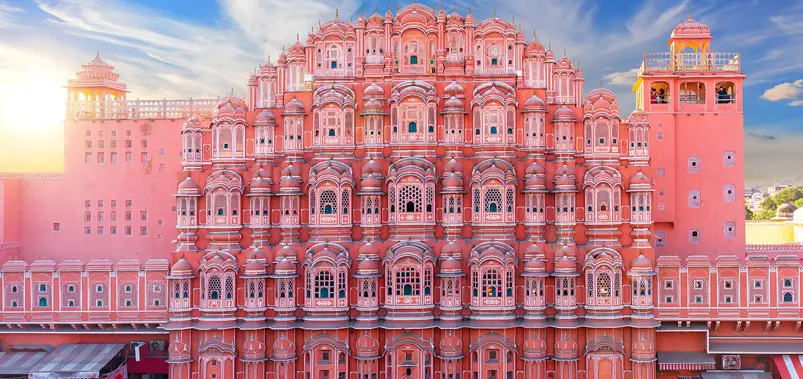
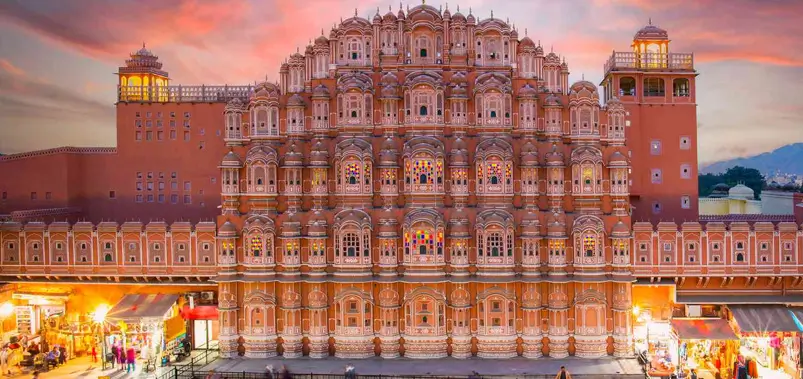
Hawa Mahal can be incorporated according to the guest's interest in architecture and photography, while markets, jewellery and textiles can be included selectively.
A three-night luxury Jaipur itinerary also allows travellers to use the hotel.
This matters when staying at properties such as Rambagh Palace or The Oberoi Rajvilas. These are not hotels where guests should ideally arrive after dark, sleep and leave immediately after breakfast every day.
A free afternoon can be deliberately protected. The traveller might use the spa, swim, have a long lunch or simply spend several hours doing nothing formal.
For some guests, that sounds like time that could have been used to see another monument. In practice, it can improve the following day because the traveller is rested and engaged rather than becoming increasingly tired.
Shopping also deserves proper time if it is genuinely important. Jaipur is well known for jewellery, gemstones, textiles and crafts. A traveller who wants to purchase serious pieces should not have to squeeze appointments between three monuments.
Conversely, someone with no interest in shopping should be able to remove those stops completely.
That ability to use Jaipur differently according to personal interests is exactly what private travel in Rajasthan should provide.
A relaxed itinerary is not created merely by adding nights. The sequence of activities also matters. Three consecutive days containing early departures, major monuments and late returns can still be tiring even when the traveller remains in the same hotel.
A stronger structure alternates intensity.
For example, a full day covering Amber Fort and central Jaipur sightseeing can be followed by a morning activity and a free afternoon. A substantial Delhi day can be followed by a later start. A long road transfer can end with nothing more demanding than hotel check-in and dinner.
This pattern is particularly useful on a two-week luxury India itinerary.
By the second week, cumulative fatigue becomes more important than the difficulty of any individual day. A traveller may feel energetic during the first four days and then suddenly find that another 7:00 a.m. departure is no longer enjoyable.
The itinerary should account for this before it happens.
The same principle applies to older travellers. A person may be perfectly capable of walking through Amber Fort or City Palace, but doing substantial walking every day without recovery time can become uncomfortable.
Families with children face a similar issue. A child who enjoys one fort may not want another three-hour historical visit the following morning. A hotel pool or relaxed afternoon can prevent the holiday from becoming a daily negotiation.
Honeymoon couples may want substantial private time that has nothing to do with sightseeing. Business owners may need several hours for calls during the week.
These requirements are not interruptions to the holiday. They are part of the traveller's reality and should be built into the schedule from the beginning.
India itineraries frequently contain early mornings because certain experiences can benefit from cooler temperatures, softer light or lower visitor numbers. The problem begins when almost every day becomes an early start.
A Taj Mahal morning followed by an early Agra departure, followed by an early Amber Fort visit, followed by another early road transfer can gradually remove the feeling of being on holiday.
A slow luxury Golden Triangle tour should decide which early starts genuinely matter.
If the traveller is passionate about photography, an early Taj Mahal visit may be a priority. If they dislike waking early and are not concerned about sunrise light, another appropriate visiting period may suit them better.
Amber Fort can also benefit from an earlier visit, especially during warmer conditions, but the itinerary can compensate by giving the guest a later morning on the following day.
Breakfast matters as well. Premium travellers should not repeatedly have to rush through hotel breakfast because the guide is waiting outside at 7:00 a.m.
Where an early departure is genuinely necessary, breakfast arrangements can be discussed with the hotel. Where it is not necessary, the schedule can begin later.
There is no prize for leaving the hotel first.
For travellers who have paid heavily for an excellent room, comfortable bed and high-quality breakfast, allowing time to enjoy those things is part of the value of the hotel.
Free time should appear deliberately in a premium itinerary rather than emerging only when the traveller cancels an activity from exhaustion.
A proper free afternoon means no guide waiting, no driver expecting a departure and no “optional” attraction that the guest feels obliged to attend.
The traveller can decide what to do after arriving.
This is particularly useful in Jaipur, Udaipur and resort destinations. It can also work in Delhi when the hotel itself offers enough facilities to make a slower afternoon enjoyable.
A luxury India tour with free time gives guests space to respond to unexpected interests. They may discover a restaurant they want to try, return to a market, arrange a spa treatment or spend additional time at the hotel.
Free time is also useful for practical matters. Laundry needs to be handled on longer journeys. Shopping needs to be packed. Photographs need to be organised. Business travellers may need to answer emails.
A tightly scheduled itinerary leaves these tasks to late evenings, which can make the holiday feel surprisingly demanding.
The number of free periods should increase as the journey becomes longer. On a five-day trip, travellers may accept a more intensive pace. On a fourteen-day journey, repeated free periods become much more valuable.
Travellers paying for palace and resort hotels have an additional reason to preserve downtime. The property itself is one of the products being purchased.
A premium hotel that the guest never has time to experience is an expensive bed.
A relaxed itinerary and hotel strategy should be designed together. Travellers often select hotels first based on reputation and then build an itinerary that keeps them away from those properties almost all day.
This is particularly inefficient at the high end.
A luxury palace hotel in India deserves a different schedule from a practical city hotel selected primarily for location.
If guests are staying at Rambagh Palace for three nights, part of the itinerary can be intentionally lighter. If they choose The Oberoi Rajvilas, enough time can be protected to appreciate the resort environment.
Udaipur makes this principle even more obvious. Properties such as Taj Lake Palace and The Oberoi Udaivilas can form an important part of the destination experience. A guest who spends every daylight hour outside may not obtain the full value of the stay.
Delhi is different. A centrally convenient luxury hotel can be ideal for guests who expect intensive city sightseeing. The hotel provides a comfortable base without requiring the itinerary to revolve around the property.
Agra creates another variation. The hotel may be selected because of its relationship with the Taj Mahal rather than because the guest wants a resort day.
This is why one accommodation rule cannot be applied across India.
A relaxed itinerary selects hotels according to how the guest intends to use them and then protects enough time for the most important properties.
Road travel is unavoidable on many North India itineraries, but it does not need to feel chaotic. Delhi, Agra and Jaipur connect naturally by private vehicle, making a dedicated chauffeur one of the most useful services for travellers who value a slower pace.
A private chauffeur-driven India tour allows guests to leave according to an agreed schedule rather than reaching a railway station or airport for every sector. Luggage remains with the vehicle during appropriate transfer arrangements, comfort stops can be made when required and the overall day can be adjusted more easily.
The vehicle itself should be selected according to comfort.
Two people do not necessarily need an enormous vehicle, but they do need enough room for themselves and their luggage. Families should be particularly careful because a vehicle advertised for several passengers may not have enough luggage capacity for the same number of large international suitcases.
Long transfer days should remain light after arrival.
If the traveller spends several hours driving from Jaipur to another Rajasthan destination, the evening should not automatically contain a guided city tour. Hotel check-in, a shower and a quiet dinner may be the better programme.
The same applies to stops along the route. A private car creates the possibility of visiting many places, but possibility does not create obligation.
One worthwhile stop can improve a road journey. Four stops can turn the transfer into a full sightseeing day.
Professional chauffeur service is therefore valuable not because it enables travellers to do more, but because it gives them control over how much they do.
Flying can be extremely useful in India, particularly when combining distant regions. It can also create unnecessary disruption when used for routes that work naturally by road.
The correct comparison is not driving time versus flight time. It is door-to-door travel time.
A ninety-minute domestic flight may require leaving the hotel well in advance, driving to the airport, completing check-in and security, waiting to board, flying, collecting baggage and transferring to the next hotel.
For a short geographical sector, private road travel may therefore be more comfortable.
For longer distances, the calculation changes. Travelling from Rajasthan towards Kerala, connecting with Varanasi from a distant city or moving between North and South India can make flying highly practical.
A relaxed private India itinerary should use flights strategically.
Flight timings matter too. A departure in the middle of the day can consume almost the entire useful day even if the flight itself is short. An appropriate morning or evening service may preserve more holiday time.
Baggage allowance should be checked before booking. International business-class passengers may arrive with substantially more baggage than their domestic fare permits. Excess baggage is manageable, but it should not become an unexpected airport issue.
Direct flights can justify paying more when they remove a long connection. Saving a relatively small amount on airfare while adding several hours of airport waiting rarely improves an expensive private holiday.
Once travellers have completed Delhi, Agra and Jaipur, Rajasthan offers numerous possibilities. Jodhpur, Udaipur and Jaisalmer are all compelling, but fitting all of them into a limited itinerary can create long road sectors and repeated hotel changes.
A relaxed route should choose according to available nights.
Jodhpur can work well for travellers particularly interested in Mehrangarh Fort and a strong palace-hotel experience. Udaipur suits guests who want a softer lakeside setting and a slower finish to the Rajasthan portion.
Jaisalmer is highly distinctive but geographically more demanding. It should not be added simply because travellers have seen photographs of the fort and desert. The additional travel time needs to make sense within the overall duration.
For a luxury Rajasthan private tour, two nights is often a practical minimum for a city reached after a substantial transfer, while three nights can provide a much better balance when the hotel itself is important.
This is where travellers need to resist fear of missing out.
Seeing Jodhpur properly and skipping Jaisalmer can produce a better holiday than briefly visiting both. Spending three nights in Udaipur can be more memorable than using one of those nights for another transfer.
India will still contain places the traveller has not visited at the end of the holiday.
That is normal.
A strong first trip should create reasons to return rather than attempt to eliminate them.
Ranthambore is frequently added to Golden Triangle itineraries because of its geographical relationship with Rajasthan and its reputation for tiger safaris. Yet wildlife travel operates differently from city sightseeing and needs enough time.
Safari arrangements depend on park operations, permits, zones and availability. Wildlife sightings can never be guaranteed. Travellers should therefore avoid thinking of Ranthambore as a place where one short safari automatically produces a tiger encounter.
A Golden Triangle with Ranthambore private tour becomes more relaxed when the traveller stays long enough to undertake the desired safari programme without immediately continuing to another city.
The hotel also matters. After early or extended wildlife drives, a comfortable lodge or resort provides important recovery time.
Ranthambore can involve early starts, so the itinerary around it should compensate accordingly. Scheduling a demanding road transfer immediately after a full wildlife programme can make the journey tiring.
The decision to include Ranthambore should therefore depend on genuine wildlife interest. Travellers who are only mildly curious may obtain more value from additional time in Jaipur or Udaipur.
For wildlife enthusiasts, however, it can provide exactly the variety a longer North India itinerary needs.
Udaipur is one of the easiest destinations in North India to slow down without feeling that the traveller is missing something. Its lake setting, palace architecture and luxury hotels naturally support a less intensive schedule.
City Palace deserves a substantial guided visit, but the rest of the stay does not need to be filled with continuous sightseeing.
Depending on current conditions and operating arrangements, time on Lake Pichola can provide a different perspective on the city. Travellers may also want to walk selected areas, dine with a view or simply spend time at their hotel.
A luxury Udaipur itinerary becomes particularly attractive when the property itself is part of the reason for visiting. Taj Lake Palace and The Oberoi Udaivilas offer different high-end experiences, and guests selecting this level of accommodation should preserve time to appreciate it.
Three nights can work extremely well for travellers who want Udaipur to become the slower portion of a Rajasthan journey.
The first day may largely be the arrival. The second can contain the principal sightseeing. The third can be deliberately light, perhaps combining one selected activity with an otherwise free afternoon.
This structure gives the traveller something that many fast itineraries never provide: a day where the city can be enjoyed without the pressure of needing to complete it.
Age alone should not determine how much of India someone can see. Many travellers over 60 are active and experienced. The more useful question is how the itinerary is structured.
A luxury India tour for seniors can still include Delhi, the Taj Mahal, Amber Fort, Rajasthan and other major destinations. The difference lies in avoiding unnecessary physical and logistical strain.
Later starts can be used where monument timings and temperatures allow. Walking-heavy attractions can be separated rather than placed back-to-back. Hotel changes can be reduced. Ground-floor or conveniently located rooms can be requested where relevant, although exact availability needs confirmation.
Vehicle comfort becomes especially important. Frequent entry and exit from a difficult vehicle can become more irritating over two weeks than a single long walk.
Lunch breaks should be long enough to rest. Free afternoons should be genuine. A day following an early Taj Mahal visit should not automatically contain another dawn departure.
The same principle applies to travellers with different energy levels. One partner may want to continue sightseeing while another wants to return to the hotel. Private arrangements make this easier to manage than fixed group travel.
A slower schedule does not mean removing India's major experiences.
It means arranging those experiences so the traveller still enjoys them on day twelve.
Multi-generational India travel requires even more careful pacing because one itinerary has to work for people with very different energy levels and interests.
Children may enjoy forts, animals and interactive experiences but lose interest during long historical explanations. Grandparents may enjoy the history but require more breaks during large monument visits. Parents are often trying to balance everyone.
A private family tour of India can solve many of these issues by reducing the number of compulsory activities.
Guides can keep explanations appropriate to the group. The family can return to the hotel after lunch. A pool afternoon can be built into Jaipur. Longer stays can reduce the disruption of packing several rooms every morning.
Connecting rooms or adjacent rooms should be requested early. Families should not assume that a hotel will automatically place separate reservations next to one another.
Vehicle selection also deserves attention because family luggage can be substantial. Enough passenger seats do not automatically mean enough space for several large suitcases.
Meals should remain flexible. Children may not want a formal restaurant every night, and grandparents may prefer an earlier dinner. Private travel should allow those preferences rather than forcing everyone through a rigid programme.
The result can still be culturally rich. The Taj Mahal, Amber Fort and other major sights remain in the itinerary. They are simply surrounded by enough space that the family can enjoy them together.
Travelling slowly does not mean sacrificing the places that make the Golden Triangle famous. Delhi can still include Humayun's Tomb, selected Old Delhi experiences and Qutub Minar. Agra can still include the Taj Mahal and Agra Fort. Jaipur can still include Amber Fort, City Palace and Jantar Mantar.
The difference is what surrounds those visits.
Instead of visiting five additional places on the same day as Amber Fort, the traveller can return to the hotel after a substantial afternoon programme. Instead of driving from Delhi to Agra and back in one day, the traveller can stay overnight. Instead of leaving Jaipur immediately after completing the major sights, another night can create a free afternoon.
A relaxed Golden Triangle itinerary therefore changes the density of the schedule, not necessarily its most important content.
Travellers can also choose which secondary attractions match their interests. Someone passionate about architecture may add more monuments. Someone interested in food may replace one with a culinary experience. A jewellery enthusiast may use an afternoon for serious shopping.
This produces a more personal trip while preserving the destinations most first-time travellers came to see.
The amount of available time should determine the geographic ambition of the trip.
With around ten days, Delhi, Agra and Jaipur can be experienced comfortably, with the possibility of one carefully considered extension depending on transport and traveller priorities. Trying to cover a large section of Rajasthan as well can quickly make the route aggressive.
With approximately two weeks, the Golden Triangle can form the first half of the trip while two or three additional destinations are added. Jodhpur and Udaipur can create a logical Rajasthan extension, while Varanasi can be considered when appropriate flight arrangements support the route.
A two-week private India tour should still contain free time. The additional days should not simply be filled with additional cities.
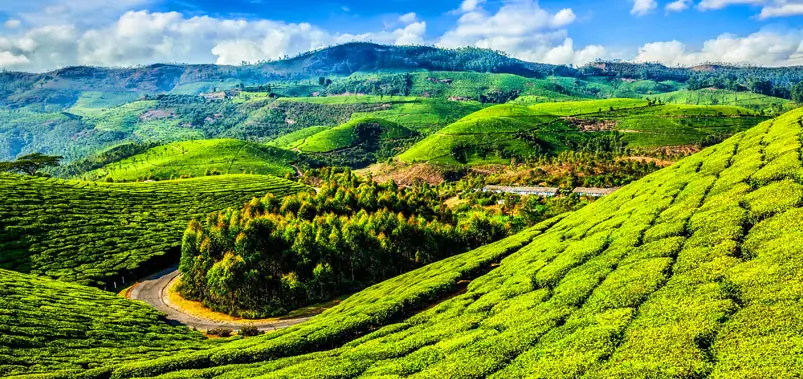
With three weeks, travellers have much greater freedom. Rajasthan can receive more time, or North and South India can be combined. Kerala can provide a particularly useful contrast after the intensive historical sightseeing of the north.
The longer the holiday becomes, the more important recovery periods become. A twenty-day itinerary containing twenty consecutive active days is not genuinely relaxed simply because the total duration is longer.
Long trips need rhythm.
Active days, transfer days, light days and free periods should alternate so that the traveller reaches the final destination with the same curiosity they had at the beginning.
Premium travellers often think first about hotel categories when discussing luxury, but the most important upgrade may be time.
An extra night can be more valuable than a suite. A private chauffeur can be more valuable than another premium dinner. A knowledgeable guide can be more valuable than three additional attractions. A free afternoon can make an expensive resort worth its price.
This is why a bespoke luxury India vacation should not be measured by how many inclusions appear in the quotation.
A package containing twenty experiences is not automatically better than one containing twelve. The question is whether the guest actually wants those experiences and has enough energy to enjoy them.
Privacy also creates relaxation. Private airport transfers eliminate waiting for other passengers. A private car allows departure times to move. Personal guides let the guest control the depth and speed of sightseeing.
Comfort reduces friction. A spacious vehicle, appropriately located hotels and sensible flight schedules prevent small logistical problems from accumulating.
These elements may not look as impressive in a package headline as “twenty-five attractions included,” but they can have a much larger effect on the actual holiday.
A relaxed itinerary begins with an honest discussion about how the guest likes to travel. Some people genuinely enjoy full days and early mornings. Others prefer breakfast at leisure, one important morning visit, lunch and a lighter afternoon.
Neither approach should be imposed on every traveller.
Golden Triangle Tours can structure private Delhi, Agra and Jaipur arrangements around the number of available nights, hotel preferences, mobility, interests and preferred daily pace. Additional destinations can then be considered only when they fit naturally within the time available.
A traveller who has ten nights does not need the same route as someone with sixteen. A couple celebrating an anniversary may want more hotel time than a photography enthusiast. Senior travellers may prefer fewer hotel changes, while a family may need afternoons free for the pool.
The strongest tailor-made India itinerary at a relaxed pace is therefore not simply a standard tour with longer lunch breaks. The entire route needs to be built differently.
Cities receive enough nights. Arrival days remain light. Road transfers are not overloaded with sightseeing. Major hotels are given time. Early mornings are used selectively. Free afternoons are protected before the trip begins.
India still feels rich, varied and substantial.
It simply stops feeling like a race.
We promise you a holiday where everything is taken care of from the moment you land. Trusted drivers waiting for you, handpicked hotels that fit your style, personalized itineraries designed just for your family, and a dedicated team on call 24/7. All you need to do is relax, explore, and create unforgettable memories, while we take care of every detail behind the scenes.
Around eight to ten days can provide a comfortable private Golden Triangle tour for travellers who want Delhi, Agra and Jaipur without rushing. The exact duration should reflect international flight timings and the amount of hotel or free time desired.
Three nights can work particularly well for first-time visitors. It allows the arrival day to remain light and gives travellers enough time to divide major Delhi sightseeing into manageable periods.
For travellers prioritising comfort, an overnight stay can be much more relaxed than travelling from Delhi to Agra and back in one intensive day. It also allows more time for the Taj Mahal, Agra Fort and the hotel.
Three nights is a strong choice for travellers who want major sightseeing and enough time to enjoy a luxury palace or resort. Two nights can work, but the schedule will generally be more concentrated.
Yes. The key is selecting only the destinations that fit the available time. Jodhpur and Udaipur can work well on a longer itinerary, while adding every famous Rajasthan city can create too many transfers.
No. Certain visits may benefit from an early start, but a private itinerary can use early mornings selectively and balance them with later starts or lighter days.
Yes. Longer stays, fewer hotel changes, comfortable private transportation and carefully spaced sightseeing can make major Indian destinations much easier to enjoy without removing the principal attractions.
Yes. Private family itineraries can include shorter sightseeing periods, pool time, flexible meals and longer stays while still covering major destinations such as Delhi, Agra and Jaipur.
When an itinerary is already busy, an additional night can often provide more value than another city. It reduces transfer pressure and creates time to enjoy the hotel and destination properly.
Yes. Golden Triangle Tours can structure private travel around the guest's preferred pace, with suitable hotel stays, private chauffeurs, personal guides, lighter arrival days and selected extensions rather than an unnecessarily crowded schedule.