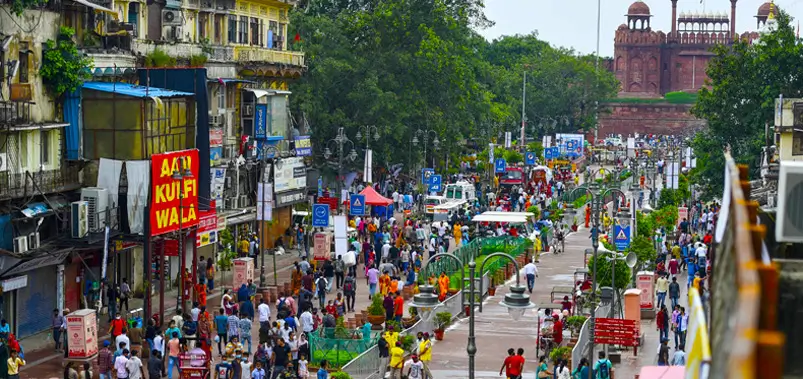
For many international travelers, Chandni Chowk is where Delhi truly comes alive. While New Delhi showcases wide boulevards, government buildings, luxury hotels, and modern shopping centers, Chandni Chowk presents a completely different side of the city. It is noisy, colorful, crowded, historic, fascinating, and unforgettable. For first time visitors, it can feel overwhelming during the first few minutes and absolutely captivating afterward.
Located in the heart of Old Delhi, Chandni Chowk is one of India's oldest and most famous markets. Established during the Mughal era, it has served as a center of trade, culture, food, and daily life for centuries. Unlike modern commercial districts where everything appears carefully planned and organized, Chandni Chowk evolved naturally over generations. Every lane has its own character, every market specializes in something different, and every corner seems to tell a story.
The district attracts travelers for many reasons. Some arrive to experience the famous street food. Others come for photography, heritage walks, shopping, religious landmarks, or simply to witness everyday life in one of the world's most vibrant marketplaces. The beauty of Chandni Chowk is that it offers all of these experiences simultaneously.
For first time visitors, preparation makes a significant difference. Understanding where to go, what to see, how to navigate the area, and how much time to allocate can transform a potentially confusing visit into one of the highlights of a trip to India. The area rewards curiosity, patience, and a willingness to embrace the unexpected.
Many travelers mistakenly treat Chandni Chowk as a quick stop before visiting Red Fort or Jama Masjid. In reality, the district deserves several hours of exploration. Hidden temples, historic mansions, legendary restaurants, centuries old markets, and traditional workshops are scattered throughout its narrow lanes. The more time visitors spend exploring, the more rewarding the experience becomes.
Whether you are planning a self guided walk, a foodfocused tour, a shopping excursion, or a cultural exploration, Chandni Chowk offers a remarkable introduction to Old Delhi's heritage. Understanding how the district works and what makes it special will help ensure that your first visit becomes one of your most memorable travel experiences in India.
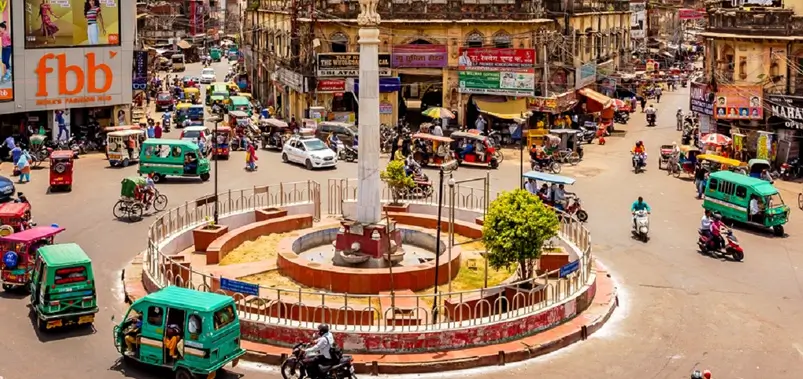
Understanding Chandni Chowk becomes much easier when visitors appreciate its historical significance. The market was established during the Mughal period and quickly became one of the most important commercial centers in the region. Merchants from across Asia brought goods to Delhi, and Chandni Chowk developed into a thriving hub where traders, craftsmen, nobles, and travelers interacted daily.
The name Chandni Chowk is often associated with a historic canal that once reflected moonlight, creating a beautiful visual effect that inspired the market's identity. While the original canal no longer exists, the area continues to retain much of its historical importance.
Over centuries, the district evolved into a collection of specialized markets. Different communities established businesses focused on particular products, creating commercial clusters that still exist today. Some streets became famous for textiles, others for jewelry, spices, books, electronics, wedding clothing, or food. This specialization remains one of the defining characteristics of the area.
The Mughal influence is visible throughout Chandni Chowk. Historical buildings, religious monuments, traditional architecture, and cultural practices continue to shape daily life. Visitors exploring the district often encounter structures that have witnessed generations of change while continuing to serve local communities.
British colonial rule also influenced the area, introducing new commercial practices and architectural elements. As Delhi expanded and modernized, Chandni Chowk adapted without losing its identity. Today, it functions simultaneously as a historic landmark and a living commercial district.
One of the most remarkable aspects of Chandni Chowk is its resilience. Despite technological changes, economic shifts, and urban development, many family owned businesses continue operating in the same locations where they began decades ago. Visitors can still purchase products from shops that have served multiple generations of customers.
For foreign travelers, this historical continuity creates a unique experience. Exploring Chandni Chowk is not simply about visiting a market. It is about witnessing a commercial and cultural ecosystem that has remained active for centuries. Every lane reflects layers of history that continue influencing modern life.
This historical depth is one reason why Chandni Chowk attracts photographers, historians, food enthusiasts, and cultural travelers from around the world. The district provides a rare opportunity to experience living history rather than simply observing it from behind museum displays.
Visitors who enjoy exploring traditional craft communities often find themselves equally fascinated by India's historic marketplaces. Few places capture the energy, colour, and cultural diversity of North India quite like Old Delhi's famous Chandni Chowk, where centuries-old trading traditions continue alongside some of the city's most celebrated food streets and heritage landmarks.
Read More: Best Markets in Delhi for Authentic Shopping: What to Buy
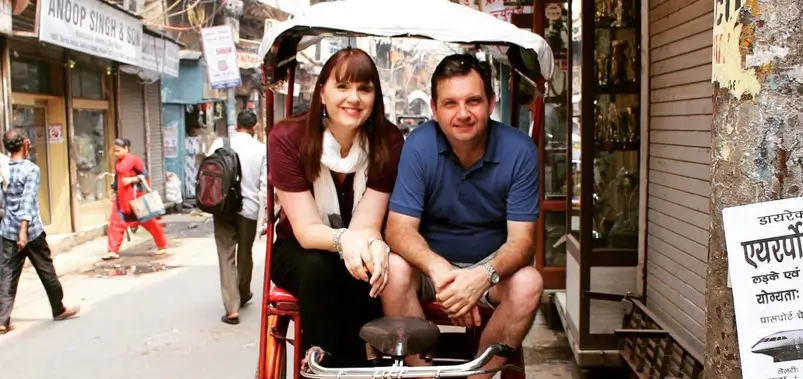
One of the biggest mistakes visitors make is arriving without a plan. Chandni Chowk covers a large area, and trying to see everything in a single visit can quickly become exhausting. Focusing on a selection of key attractions allows travelers to appreciate the district more effectively.
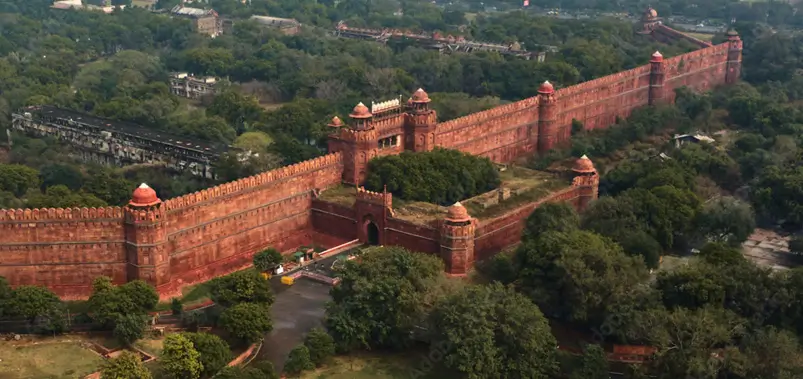
Many visits begin at the iconic Red Fort. Although technically separate from Chandni Chowk, the fort serves as an excellent starting point because it provides historical context for the surrounding area. Built during the Mughal era, the fort remains one of Delhi's most important landmarks and helps visitors understand the origins of Old Delhi.
A short distance away stands Jama Masjid, one of the largest mosques in India. Its impressive architecture, expansive courtyard, and elevated viewpoints make it an essential stop for first time visitors. Climbing one of the minarets provides remarkable views over the surrounding neighborhoods and market streets.
Walking through the main Chandni Chowk market itself is an attraction. The energy of the area, the variety of products, and the constant movement create an atmosphere unlike anywhere else in Delhi. Visitors interested in photography often spend hours documenting everyday scenes.
Another fascinating destination is the spice market known as Khari Baoli. This market is one of Asia's largest wholesale spice markets and offers a sensory experience unlike any other. The sight of colorful spices, dried fruits, herbs, and traditional ingredients creates memorable photographic opportunities.
Religious diversity is another important aspect of Chandni Chowk. Temples, mosques, churches, and Sikh shrines exist within close proximity, reflecting the multicultural character of Old Delhi. Exploring these sites provides insight into the area's social and cultural history.
Visitors interested in architecture should pay attention to the hidden havelis scattered throughout the district. These traditional mansions often reveal beautiful courtyards, intricate woodwork, and design elements that are easy to overlook when rushing through the market.
A successful first visit focuses less on checking attractions off a list and more on absorbing the atmosphere. Chandni Chowk rewards slow exploration, allowing travelers to discover unexpected details that many visitors miss entirely.
Much like Jaipur's artisan workshops reveal the stories behind local crafts, Old Delhi's bustling streets offer visitors an opportunity to experience a different side of India's cultural heritage. From spice markets and historic havelis to hidden temples and local eateries, exploring Old Delhi can be one of the most rewarding experiences for first-time travellers.
Read More: How to Explore Old Delhi Without Getting Overwhelmed
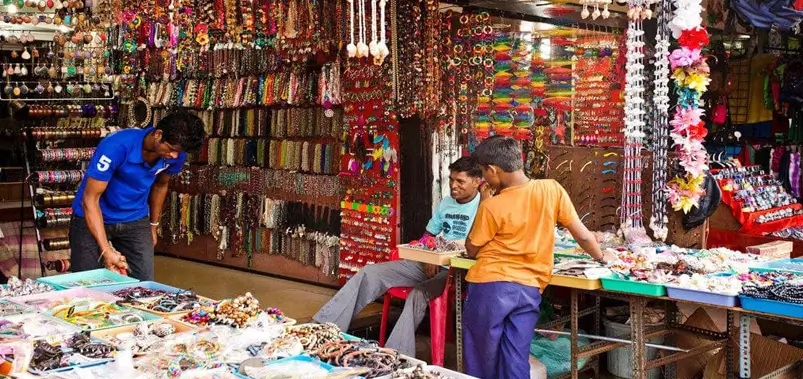
Shopping remains one of the primary reasons people visit Chandni Chowk. Unlike modern malls where products are organized under one roof, the district consists of numerous specialized markets, each dedicated to particular categories of goods.
Textiles represent one of the most popular shopping categories. Visitors looking for traditional fabrics, scarves, ethnic clothing, wedding garments, and handcrafted materials often find exceptional variety. Several streets specialize almost entirely in textile products, offering options ranging from affordable souvenirs to luxury fabrics.
Jewelry shopping is another major attraction. Traditional Indian jewelry, silver pieces, gemstones, and handcrafted accessories can be found throughout the area. Visitors interested in purchasing valuable items should always request proper certification and verify authenticity through reputable sellers.
Spices remain among the most popular purchases for international travelers. Markets such as Khari Baoli offer opportunities to purchase saffron, cardamom, turmeric, chili powder, tea blends, and countless other ingredients. Many visitors enjoy bringing home spices as practical souvenirs that continue reminding them of their journey.
Books, stationery, wedding products, decorative items, household goods, and electronics are also widely available. The diversity of products is one reason why many locals continue shopping in Chandni Chowk despite the growth of modern retail centers.
Bargaining is common in many parts of the market. Foreign visitors sometimes feel uncomfortable negotiating prices, but respectful bargaining is generally accepted. Understanding approximate values before shopping can help travelers avoid overpaying.
Comfortable walking shoes are essential because exploring multiple markets often involves covering significant distances on foot. Carrying cash can also be helpful, although many businesses now accept digital payment methods.
The key to successful shopping is patience. Rushing through purchases often leads to disappointment, while taking time to compare options usually produces better results. Chandni Chowk rewards curious shoppers willing to explore beyond the most obvious storefronts.
For many international visitors, shopping is an important part of understanding a destination's culture. While Jaipur is famous for blue pottery, gemstones, and textiles, Delhi offers an entirely different shopping experience, from traditional handicrafts and handcrafted souvenirs to vibrant local markets filled with unique finds.
Read More: What to Buy in Delhi: Best Souvenirs, Handicrafts, Textiles & Gifts
.webp)
No Chandni Chowk guide would be complete without discussing food. The district's culinary reputation extends across India and increasingly attracts international attention.
Visitors frequently begin with traditional parathas in the famous Paranthe Wali Gali. These stuffed flatbreads remain among the area's most celebrated specialties. Numerous family run establishments continue serving recipes that have existed for generations.
Street food also plays a central role in the Chandni Chowk experience. Chaat, kachori, samosa, jalebi, and various regional specialties can be found throughout the market. Many travelers describe these flavors as entirely different from Indian food commonly available outside the country.
Near Jama Masjid, several legendary restaurants specialize in Mughlai cuisine. Rich curries, grilled meats, traditional breads, and historic recipes continue attracting food lovers from around the world.
Sweet shops deserve special attention as well. Milk based desserts, traditional sweets, and festival specialties remain important parts of the local food culture. Many establishments have built reputations over generations and continue drawing loyal customers.
Food tours are particularly popular among foreign visitors because they combine culinary exploration with historical storytelling. A knowledgeable guide can help travelers understand not only what they are eating but also why particular dishes became important within Delhi's food culture.
For many visitors, food becomes the highlight of their Chandni Chowk experience. The combination of history, tradition, flavor, and atmosphere creates memories that often last far longer than those associated with conventional sightseeing.
Travellers interested in local culture often discover that food tells just as much of a story as traditional crafts. Delhi's historic food scene reflects centuries of Mughal influence, regional traditions, and family recipes that continue to attract visitors from around the world.
Read More: Old Delhi Food Tour: What Foreign Visitors Should Actually Eat
We promise you a holiday where everything is taken care of from the moment you land. Trusted drivers waiting for you, handpicked hotels that fit your style, personalized itineraries designed just for your family, and a dedicated team on call 24/7. All you need to do is relax, explore, and create unforgettable memories, while we take care of every detail behind the scenes.
Yes, many visitors explore all three attractions during the same day.
Morning and late afternoon generally provide the most comfortable experience.
Yes, although visitors should always respect local privacy and religious sites.
Comfortable clothing and walking shoes are strongly recommended.
In many markets, bargaining is common and generally accepted.
Yes, although a guide can provide valuable historical and cultural insights.
It is famous for shopping, street food, historical landmarks, and traditional markets.
The Delhi Metro is usually the easiest and most convenient option.
Yes, but visitors should remain aware of their belongings due to large crowds.
Most first-time visitors benefit from spending at least four to six hours exploring the district.