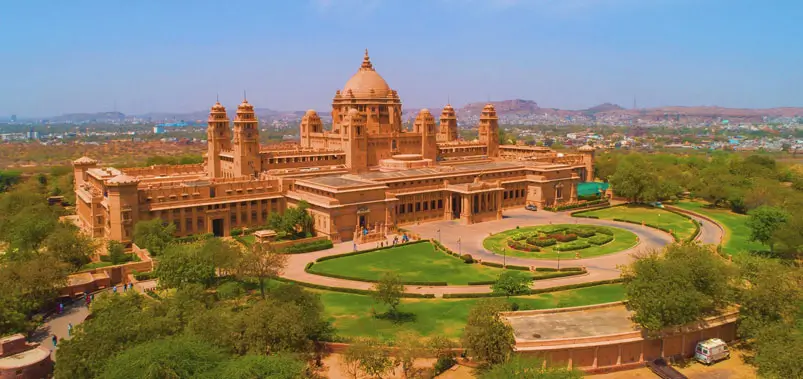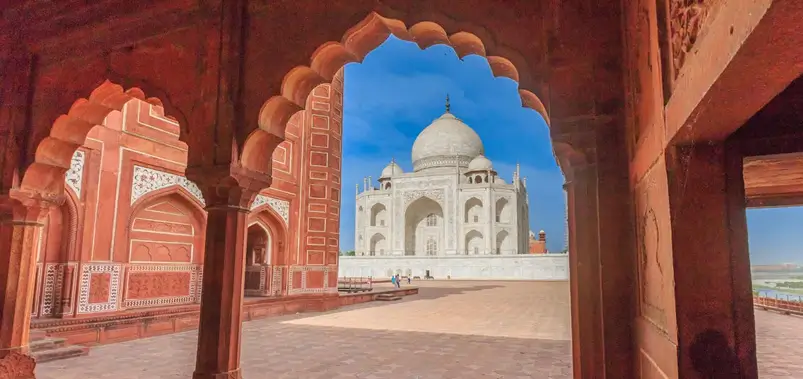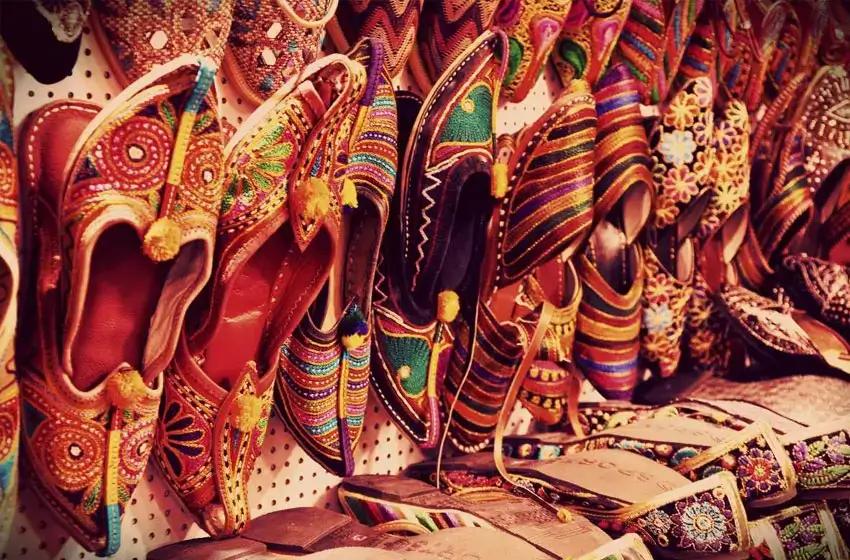
Shopping becomes one of the most exciting parts of a Golden Triangle India Tour. Travelers arrive in India dreaming about handcrafted textiles, marble inlay art, gemstones, carpets, leather goods, block prints, antiques, spices, jewelry, and traditional Rajasthan craftsmanship. Delhi, Agra, and Jaipur each offer completely different shopping experiences, from luxury designer boutiques and palace-inspired artisan stores to chaotic bazaars filled with centuries-old trading traditions.
At the same time, shopping in India can feel confusing for first-time international travelers. Bargaining culture, tourist pricing, commission-based shopping stops, fake “government shops,” aggressive sales tactics, and unclear product quality often leave tourists unsure whether they are getting fair prices or simply overpaying because they are foreigners.
The reality is more balanced than many online travel stories suggest. Shopping in India can be incredibly rewarding, authentic, luxurious, and enjoyable when travelers understand how local pricing culture works. Most shopping issues happen not because India is dishonest, but because tourists arrive without understanding how bargaining, commissions, craftsmanship, and tourism economics function in major tourist cities.
Another important reality is that not every shop in India expects bargaining. Luxury boutiques, certified handicraft stores, designer studios, and premium artisan galleries often maintain fixed pricing systems similar to international luxury retail environments. Traditional markets and tourist bazaars, however, usually operate very differently.
Luxury travelers often enjoy shopping far more comfortably because premium tour operators, luxury hotels, and experienced guides help identify reliable stores with stronger quality control and transparent pricing.
Independent travelers can also shop successfully and confidently once they understand a few practical rules regarding pricing, negotiation, craftsmanship, and tourist behavior.
Another common misconception is that “cheap” always means “smart shopping.” India offers everything from budget souvenirs to extremely high-end handcrafted luxury products. Some handmade carpets, gemstones, embroidery pieces, and antique reproductions genuinely require enormous craftsmanship and time.
The smartest travelers focus less on finding the absolute lowest price and more on finding good value, authentic craftsmanship, fair pricing, and enjoyable experiences.
Shopping in India should feel exciting, cultural, and memorable - not stressful or intimidating.
For anyone planning a Golden Triangle India Tour, understanding how shopping works practically across Delhi, Agra, and Jaipur makes the entire experience much more rewarding and comfortable.
One of the biggest mistakes first-time travelers make is expecting shopping culture in India to function exactly like Europe, North America, or Australia. In many Indian markets, especially traditional bazaars and tourist areas, bargaining is considered a completely normal part of the shopping process.
This does not automatically mean shopkeepers are “scamming” tourists. In many cases, initial prices are intentionally flexible because negotiation itself forms part of the traditional buying culture.
Travelers unfamiliar with bargaining often become uncomfortable immediately when they realize prices are negotiable. Some overpay dramatically because they accept the first quoted amount without discussion, while others become too aggressive trying to bargain every item unrealistically.
The smartest approach lies somewhere in the middle.
In tourist-heavy areas of Delhi, Agra, and Jaipur, shopkeepers often begin with higher opening prices for foreign travelers because they assume negotiation will follow naturally. Experienced travelers understand this dynamic and negotiate calmly without emotional confrontation.
Another important point is that bargaining expectations vary greatly depending on the type of shop.
Usually negotiable:
Usually fixed pricing:
Luxury travelers often prefer premium stores because they avoid negotiation stress entirely while receiving stronger quality assurance and international shipping support.
Another mistake tourists make is bargaining aggressively over very small amounts. Travelers sometimes argue intensely over prices that are economically insignificant to them but meaningful to local artisans or smaller vendors.
Respectful negotiation creates much smoother interactions.
Another important reality is that pricing often reflects more than materials alone. Handmade embroidery, handwoven carpets, marble inlay work, gemstone cutting, and block printing involve significant labor and craftsmanship developed across generations.
The smartest travelers shop thoughtfully rather than emotionally. Calm negotiation, product understanding, and realistic expectations usually lead to fair outcomes naturally.
India’s shopping culture becomes much more enjoyable once travelers stop viewing every negotiation as a battle and instead understand it as part of the broader cultural experience.
Delhi offers one of India’s most diverse shopping environments. Travelers can move from luxury designer boutiques and high-end malls to chaotic spice markets and centuries-old bazaars within the same day.
For first-time visitors, understanding which shopping areas match their comfort level matters enormously.
Connaught Place remains one of the easiest areas for international travelers because it combines branded stores, cafés, handicraft shops, bookstores, and organized retail spaces within a more structured environment.
Luxury travelers often enjoy Khan Market, known for boutique shopping, designer fashion, premium cafés, wellness stores, and upscale lifestyle brands. Prices here are generally more transparent compared with heavy bargaining markets.
Another excellent option is Dilli Haat, an open-air handicraft market featuring artisans from different Indian states. Travelers often appreciate it because the atmosphere feels cultural rather than aggressively commercial, and many products come directly from craftspeople.
For travelers wanting traditional market energy, Chandni Chowk offers unforgettable experiences involving spices, textiles, jewelry, wedding fabrics, and street food. However, first-time visitors often benefit greatly from guides here because the environment feels extremely intense and crowded.
Luxury private tours frequently include curated Old Delhi shopping walks because experienced guides help travelers avoid confusion while identifying authentic specialty shops.
Another smart Delhi shopping option involves government-run handicraft emporiums. These stores usually maintain fixed pricing and certified craftsmanship, making them comfortable for travelers who dislike bargaining.
Travelers interested in luxury Indian fashion increasingly visit Delhi designer studios featuring contemporary Indian couture, handcrafted fabrics, and high-end textile work.
Another important point is transportation. Delhi traffic can feel exhausting, and shopping areas are often spread far apart. Private chauffeurs make shopping days dramatically easier because travelers avoid navigation stress and luggage handling problems.
Travelers should also remain realistic about time. Delhi shopping can easily become overwhelming if combined aggressively with sightseeing, monuments, and heavy traffic on the same day.
The best shopping experiences happen when travelers move slowly, stay hydrated, and enjoy the atmosphere rather than rushing constantly between markets.
Agra shopping revolves heavily around marble inlay work, Mughal-inspired handicrafts, leather goods, carpets, and souvenir shopping connected with the Taj Mahal.
The city’s most famous artisan tradition involves marble craftsmanship inspired by the intricate inlay techniques used during the Taj Mahal’s construction. Skilled artisans continue creating detailed marble tables, boxes, coasters, decorative panels, and artwork using semi-precious stone inlay methods passed down across generations.
Many travelers genuinely enjoy visiting marble workshops because watching the craftsmanship process feels fascinating and culturally enriching.
However, Agra also contains one of the most common tourist shopping issues in India: commission-based shopping stops.
Some drivers or unofficial guides bring tourists into specific marble factories or handicraft stores where prices become heavily inflated because commissions are built into the sales process.
Luxury travelers usually avoid these problems because trusted private tour operators use more transparent artisan experiences without aggressive pressure.
Another important point is quality variation. Some marble products are handcrafted beautifully while others are mass-produced tourist souvenirs with far lower quality standards.
Travelers should compare craftsmanship carefully rather than purchasing emotionally after dramatic demonstrations.
Another common issue involves exaggerated “antique” claims. Tourists should remain cautious about expensive historical claims unless purchasing through highly reputable galleries with proper documentation.
Leather shopping in Agra can also be rewarding, especially for shoes, bags, and jackets. Again, choosing reputable stores matters far more than chasing the absolute lowest prices.
Luxury travelers often prefer curated artisan visits where products are presented calmly without intense pressure or unrealistic storytelling.
Another smart strategy is walking away politely before making major purchases. Travelers who pause, compare, and return later usually make far better decisions than tourists buying impulsively during emotional sales presentations.
Agra shopping works best when travelers treat it as a cultural experience first and a souvenir hunt second.
The city offers beautiful craftsmanship, but patience and awareness help separate authentic artistry from purely tourist-driven sales environments.
Jaipur is often considered one of India’s greatest shopping cities. Rajasthan craftsmanship, royal design traditions, gemstone cutting, block printing, jewelry making, blue pottery, textiles, carpets, and handcrafted decor all combine to create extraordinary shopping opportunities.
At the same time, Jaipur also requires practical awareness because the city’s tourism popularity attracts both exceptional artisans and highly aggressive tourist-focused sales environments.
Gemstone shopping remains one of Jaipur’s most famous experiences. The city is globally respected for gemstone cutting and jewelry craftsmanship. However, travelers should be extremely cautious regarding expensive purchases.
Luxury travelers interested in gemstones or fine jewelry should buy only through highly reputable certified stores rather than random tourist recommendations.
Another important rule is avoiding pressure purchases. Some gemstone stores create highly emotional sales presentations involving “special prices,” “investment opportunities,” or “limited pieces.” Travelers should never rush expensive jewelry decisions while traveling.
Jaipur textiles, however, often provide safer and highly rewarding shopping experiences. Hand block-printed fabrics, embroidered jackets, scarves, quilts, and handcrafted home decor become favorite purchases for many international travelers.
Johari Bazaar, Bapu Bazaar, and heritage artisan areas offer beautiful shopping atmospheres, though bargaining remains common in traditional markets.
Luxury travelers increasingly enjoy Jaipur’s growing boutique shopping scene featuring designer Rajasthan fashion, handcrafted luxury decor, and contemporary artisan studios.
Another excellent Jaipur purchase category involves handcrafted home furnishings:
Shipping support also matters. Reputable luxury stores usually offer international shipping coordination, invoices, export paperwork, and packaging assistance.
Travelers should also understand that Jaipur craftsmanship genuinely deserves respect. Some handmade embroidery, gemstone setting, and textile work involves extraordinary labor and artistry developed over generations.
The smartest shoppers appreciate both value and craftsmanship rather than focusing only on bargaining victories.
Jaipur becomes far more rewarding when travelers approach shopping as cultural appreciation rather than simply chasing discounts.
Luxury travelers often experience shopping in India very differently because premium hospitality and curated support systems remove much of the stress and confusion many tourists encounter.
Professional private India tour operators frequently organize:
This allows travelers to focus on quality and cultural appreciation rather than worrying constantly about scams or overpricing.
Luxury hotels also play a major role. Concierge teams usually recommend more reliable stores aligned with guest preferences and quality expectations.
Another important advantage involves pacing. Luxury travelers rarely attempt rushed shopping between aggressive sightseeing schedules. Instead, they allow relaxed time for browsing, tea breaks, conversations with artisans, and thoughtful purchases.
Private chauffeurs also improve comfort enormously because travelers avoid carrying heavy shopping bags through crowded markets or negotiating transportation repeatedly.
Luxury shopping in India increasingly includes personalized experiences such as:
Travelers also appreciate fixed-price luxury environments where craftsmanship, authenticity, and service quality matter more than negotiation itself.
Another major luxury advantage involves international shipping support. Premium stores usually handle export logistics professionally, reducing traveler stress around fragile or large purchases.
Luxury shopping in India often feels less like “tourist buying” and more like collecting meaningful handcrafted pieces connected with the country’s artistic traditions.
Many travelers later realize their favorite India purchases were not the cheapest items - but the ones carrying authentic craftsmanship, emotional connection, and cultural memory.
The smartest travelers follow a few simple principles that dramatically improve shopping experiences across Delhi, Agra, and Jaipur.
First, travelers should never feel rushed into expensive purchases. Walking away calmly almost always creates better decision-making.
Second, travelers should compare before buying major items such as jewelry, carpets, marble work, or luxury textiles.
Third, trusted operators and luxury hotels usually provide safer recommendations than random street advice.
Fourth, travelers should understand that bargaining is normal in many traditional markets - but aggressive confrontation is unnecessary.
Fifth, quality matters more than simply chasing the absolute cheapest deal.
Another important rule is emotional awareness. Many tourist stores use hospitality, tea service, storytelling, and friendliness to create emotional buying pressure. Travelers should enjoy the hospitality while still making calm decisions.
Credit card usage also matters. Expensive purchases should ideally include invoices, certifications, and documented payment records.
Travelers should also remain cautious about shipping promises from unknown shops.
Another practical tip involves luggage planning. Travelers frequently underestimate how much shopping they eventually do in India.
Most importantly, travelers should remember that shopping in India is supposed to feel enjoyable.
The best experiences usually happen when travelers stay curious, respectful, relaxed, and thoughtful rather than fearful or aggressively suspicious.
India remains one of the world’s most rewarding destinations for handcrafted artistry, textiles, jewelry, and cultural shopping experiences.
We promise you a holiday where everything is taken care of from the moment you land. Trusted drivers waiting for you, handpicked hotels that fit your style, personalized itineraries designed just for your family, and a dedicated team on call 24/7. All you need to do is relax, explore, and create unforgettable memories, while we take care of every detail behind the scenes.
Yes, bargaining is common in traditional markets and tourist bazaars, though luxury boutiques and premium stores usually maintain fixed pricing.
Jaipur is often considered the best shopping city because of its textiles, jewelry, handicrafts, and Rajasthan artisan traditions.
Some are highly reputable, but travelers should buy gemstones only from certified trusted stores and avoid rushed expensive purchases.
Delhi offers everything from budget markets to luxury designer boutiques depending on traveler preferences.
Agra is famous for marble inlay work, leather products, handicrafts, and Mughal-inspired decorative items.
Many luxury travelers shop in premium fixed-price stores, though bargaining still happens in traditional artisan markets.
Yes, government emporiums often provide fixed pricing and more consistent quality standards.
Travelers should remain cautious about aggressive shopping pressure connected with driver or guide commissions.
Yes, especially in reputable luxury stores, hotels, and premium boutiques.
Travelers should compare calmly, avoid emotional pressure purchases, prioritize quality, and enjoy shopping as a cultural experience rather than only focusing on discounts.