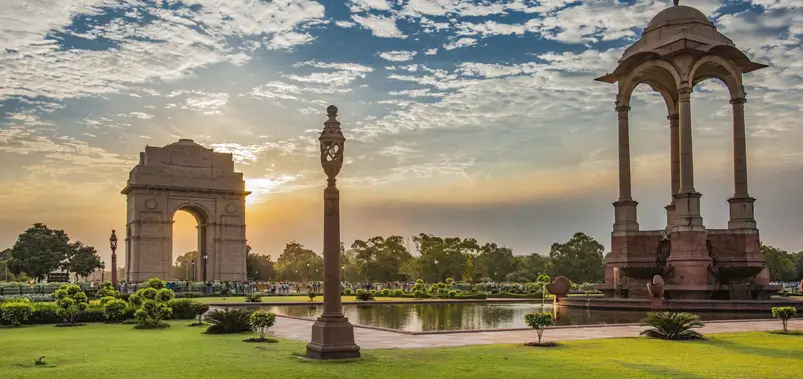
Delhi is often described as the gateway to India, but for most international travelers it is much more than an arrival point. The city is a fascinating blend of ancient history, Mughal architecture, colonial landmarks, vibrant markets, luxury hotels, spiritual sites, and world class dining experiences. Whether visitors are planning a short city break or beginning a Golden Triangle Tour, understanding the best time to visit Delhi can dramatically improve the overall travel experience.
Unlike many destinations that maintain similar weather conditions throughout the year, Delhi experiences significant seasonal changes. Temperature differences between winter and summer can be extreme, festival calendars influence crowd levels, and accommodation prices fluctuate depending on the tourism season. A traveler who arrives in January will experience a completely different city compared to someone visiting in May or August.
Many first time visitors make the mistake of selecting travel dates based solely on airfare prices without considering climate conditions. While cheaper flights may appear attractive, uncomfortable weather can limit sightseeing opportunities and reduce the enjoyment of outdoor attractions. On the other hand, choosing the right season allows travelers to comfortably explore historic monuments, walk through bustling markets, enjoy rooftop dining, participate in cultural celebrations, and spend long days discovering the city's remarkable heritage.
The ideal time to visit Delhi depends on personal travel preferences. Some travelers prioritize pleasant temperatures, while others are interested in cultural festivals, photography opportunities, food experiences, or lower hotel costs. Understanding how each season affects travel conditions makes it easier to create a successful itinerary.
For visitors planning to combine Delhi with Agra and Jaipur, selecting the correct season becomes even more important. Weather conditions across the entire Golden Triangle circuit influence monument visits, road journeys, wildlife excursions, and cultural experiences. A well planned travel schedule ensures that every destination can be enjoyed comfortably without weather related disruptions.
.webp)
Before choosing travel dates, it is important to understand how Delhi's climate differs from many destinations in Europe, North America, Australia, and other parts of the world. Delhi experiences a continental climate characterized by hot summers, a seasonal monsoon period, and relatively cool winters. These seasonal shifts have a direct impact on sightseeing conditions, outdoor activities, transportation comfort, photography quality, and even dining experiences.
The city's climate can generally be divided into winter, spring, summer, monsoon, and autumn. Each season offers unique advantages and challenges. Travelers who understand these differences can better align their expectations with actual conditions.
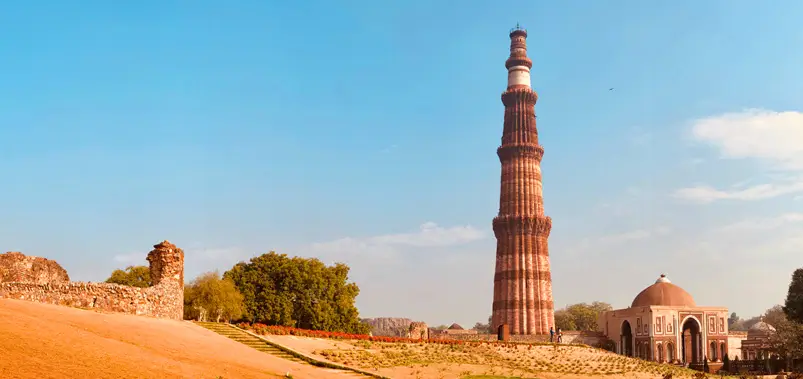
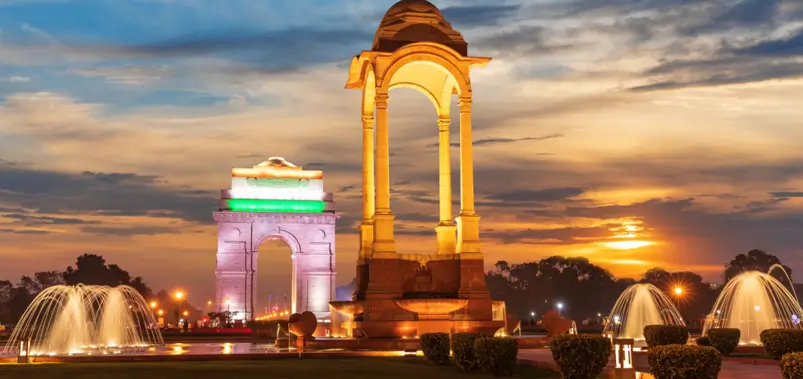
Winter is widely regarded as the most comfortable season for tourism. During this period, daytime temperatures are pleasant, making it possible to spend entire days exploring attractions such as Red Fort, Qutub Minar, Humayun's Tomb, India Gate, and the historic lanes of Old Delhi. Luxury travelers often prefer this season because outdoor experiences become particularly enjoyable.
Spring introduces warmer temperatures while maintaining comfortable sightseeing conditions. Gardens begin to bloom, cultural events increase, and many photographers consider this period one of the most visually appealing times of the year.
Summer transforms Delhi into a much hotter destination. Temperatures can rise significantly, requiring travelers to adjust sightseeing schedules. While this period may not suit everyone, it offers advantages such as lower hotel rates and reduced crowds at major attractions.
The monsoon season introduces periodic rainfall and increased humidity. Although weather conditions become less predictable, the city appears greener and less crowded. Some travelers appreciate the quieter atmosphere and discounted accommodation rates available during this period.
Autumn serves as a transition into Delhi's peak tourism season. Temperatures gradually become more comfortable, cultural celebrations begin to fill the calendar, and international visitor numbers increase substantially.
Understanding these seasonal characteristics helps travelers make informed decisions. A family holiday, luxury tour, photography trip, food focused vacation, or cultural exploration may each benefit from different travel periods. Choosing the correct season ensures a more rewarding experience and allows visitors to enjoy Delhi at its very best.
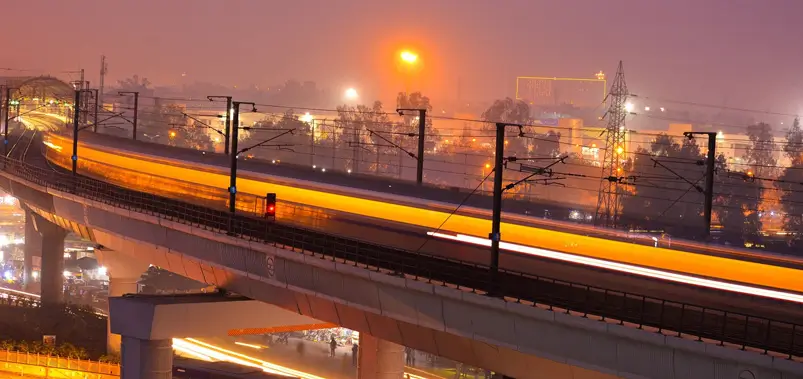
Winter is considered the peak tourism season in Delhi and for good reason. From November through February, the city experiences its most comfortable weather conditions, making it ideal for extensive sightseeing and outdoor exploration. For many travel experts, this period represents the best overall time to visit Delhi.
During winter, daytime temperatures generally range between 15°C and 25°C. These conditions allow travelers to comfortably spend several hours walking through historical monuments, exploring markets, participating in food tours, or enjoying outdoor cultural experiences. Early mornings and evenings can be cooler, particularly in December and January, but most visitors find the weather pleasant rather than restrictive.
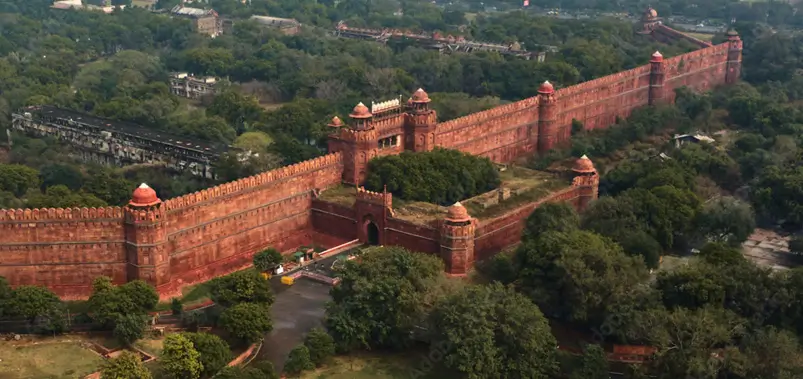
One of the greatest advantages of winter is the ability to fully appreciate Delhi's architectural heritage. Attractions such as Red Fort, Humayun's Tomb, Qutub Minar, Lodhi Garden, Jama Masjid, and India Gate become significantly more enjoyable when temperatures remain moderate. Travelers can comfortably spend entire afternoons exploring these sites without the physical discomfort associated with extreme heat.
Winter is also the preferred season for luxury tourism. Many visitors combine Delhi with Agra and Jaipur as part of a private Golden Triangle Tour, benefiting from favorable weather throughout the journey. Outdoor dining experiences become more appealing, rooftop restaurants attract larger crowds, and luxury hotels offer curated cultural activities designed specifically for international guests.
Photography enthusiasts particularly appreciate winter because of the soft natural light and generally clear atmospheric conditions. Early morning photography sessions at major monuments can produce exceptional results. The pleasant weather also encourages visitors to explore lesser known neighborhoods, heritage districts, and hidden architectural gems scattered throughout the city.
Winter does come with a few considerations. Hotel prices are typically higher due to strong demand, and premium properties often require advance booking. Popular attractions may also experience larger crowds, especially during holiday periods. However, most travelers consider these minor trade offs compared to the benefits of comfortable weather and excellent sightseeing conditions.
For visitors seeking the most balanced travel experience, winter consistently remains the strongest recommendation. The combination of pleasant temperatures, active cultural life, luxury travel opportunities, and excellent sightseeing conditions makes it the preferred season for exploring Delhi.
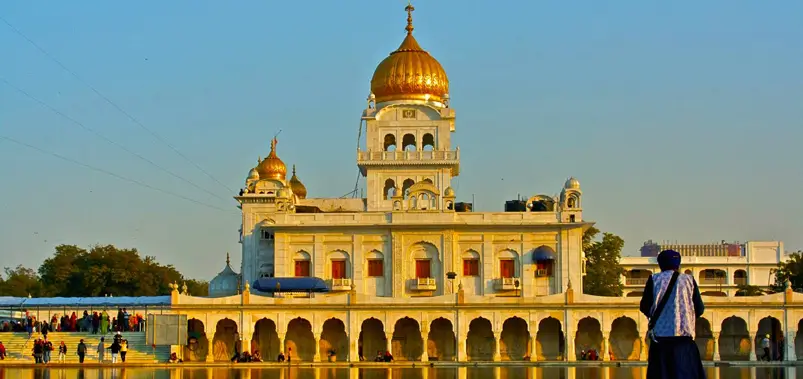
For travelers who want excellent weather but prefer to avoid the busiest tourism period, spring can be one of the most rewarding times to visit Delhi. Generally extending from late February through March and into early April, this season offers a balance between comfortable temperatures, manageable crowd levels, and vibrant city landscapes.
Spring is often overlooked because winter receives most of the attention from travel guides. However, many experienced visitors actually prefer this period because the weather remains pleasant while the city feels slightly less crowded. Daytime temperatures typically range between 20°C and 32°C, allowing tourists to comfortably explore both indoor and outdoor attractions without the intense cold mornings of winter or the extreme heat of summer.
One of the most noticeable changes during spring is the appearance of Delhi's gardens and green spaces. Locations such as Lodhi Garden, Sunder Nursery, Nehru Park, and the landscaped areas surrounding major monuments become especially attractive. Trees begin to flower, colorful plants appear throughout the city, and public spaces become popular gathering points for both locals and visitors.
Spring is also an ideal season for heritage walks. Travelers exploring the narrow streets of Old Delhi, the historic lanes surrounding Jama Masjid, or the colonial architecture of Connaught Place often find the weather perfectly suited for long walking tours. Food tours become more enjoyable because visitors can comfortably move between different restaurants, street food vendors, and local markets without battling extreme temperatures.
Luxury travelers appreciate spring because many of Delhi's finest outdoor dining venues are operating at their best. Rooftop restaurants and garden cafes become especially popular during this period. Visitors staying at premium hotels often enjoy breakfast terraces, outdoor afternoon tea experiences, and evening dining under comfortable weather conditions.
The season is also excellent for travelers planning to combine Delhi with Agra and Jaipur. Monument visits remain comfortable across the entire route, allowing tourists to spend more time outdoors and less time seeking air conditioned spaces. This makes spring particularly attractive for first time visitors exploring India's most famous travel circuit.
Photography enthusiasts frequently regard spring as one of the most visually rewarding times of the year. The combination of pleasant weather, flowering landscapes, and clear visibility creates ideal conditions for capturing monuments, street scenes, gardens, and architectural details.
Another benefit of spring is the opportunity to experience cultural life before the city enters the intense summer season. Markets remain active, festivals continue to take place, and many public events occur in outdoor venues. Travelers who enjoy observing everyday local life often find spring particularly engaging because people spend more time outdoors compared to hotter months.
Although spring hotel prices remain relatively high, they are often slightly lower than peak winter rates. Visitors may find better availability at luxury properties while still enjoying favorable weather conditions. For travelers seeking a balance between comfort, sightseeing opportunities, and moderate crowd levels, spring represents one of Delhi's most attractive travel seasons.
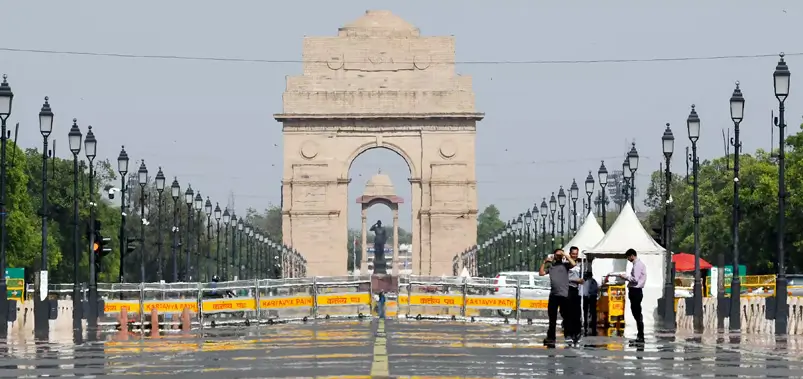
Summer is often the most misunderstood travel season in Delhi. While it is true that temperatures can become extremely high, many travelers immediately dismiss this period without understanding its potential advantages. For certain types of visitors, summer can actually provide unique opportunities that are unavailable during peak tourism months.
The summer season generally begins in April and continues through June. During this period, daytime temperatures frequently rise above 40°C, and heat becomes the defining characteristic of the travel experience. Visitors arriving from cooler climates are often surprised by the intensity of the weather, making preparation especially important.
The most obvious challenge of summer is outdoor sightseeing during midday hours. Attractions such as Red Fort, Qutub Minar, Humayun's Tomb, and India Gate can become uncomfortable when explored during the hottest part of the day. Successful summer travelers typically begin sightseeing early in the morning, return to their hotel during peak afternoon heat, and continue exploring later in the evening.
Despite these challenges, summer offers several important benefits. One of the biggest advantages is reduced crowd levels. Many major attractions become significantly quieter compared to winter, allowing visitors to enjoy monuments, museums, and cultural sites with fewer tourists. Photography enthusiasts sometimes appreciate this period because landmarks can be photographed without large crowds appearing in every frame.
Accommodation prices also become more attractive during summer. Luxury hotels frequently introduce promotional rates, complimentary upgrades, and seasonal packages designed to encourage tourism. Travelers who wish to experience premium hospitality at lower prices often find excellent value during this period.
Hotels such as The Imperial, The Oberoi, Taj Palace, and ITC Maurya may offer significantly better availability compared to peak winter months. For luxury travelers willing to plan activities strategically, summer can provide access to some of Delhi's finest accommodations at more favorable rates.
Indoor attractions become particularly valuable during summer. Museums, art galleries, shopping centers, cultural venues, and fine dining establishments allow visitors to remain comfortable while still experiencing the city's rich cultural offerings. Many travelers use summer as an opportunity to focus on Delhi's culinary scene, shopping districts, and architectural museums rather than spending every hour outdoors.
Hydration becomes extremely important during this season. Travelers should carry water regularly, wear lightweight clothing, use sunscreen, and avoid prolonged exposure to direct sunlight. Air conditioned transportation can dramatically improve comfort levels, particularly for visitors participating in private city tours.
Families traveling with children may need additional planning, but summer does not necessarily prevent an enjoyable visit. Many attractions open early enough to allow sightseeing before temperatures reach their peak. Evening visits to markets, restaurants, and cultural venues can also create memorable experiences.
Although summer is not the most popular tourism season, it offers distinct advantages for budget conscious travelers, photographers seeking fewer crowds, and visitors interested in luxury accommodations at reduced rates. Understanding how to adapt travel schedules allows many tourists to enjoy Delhi successfully even during the hottest months of the year.
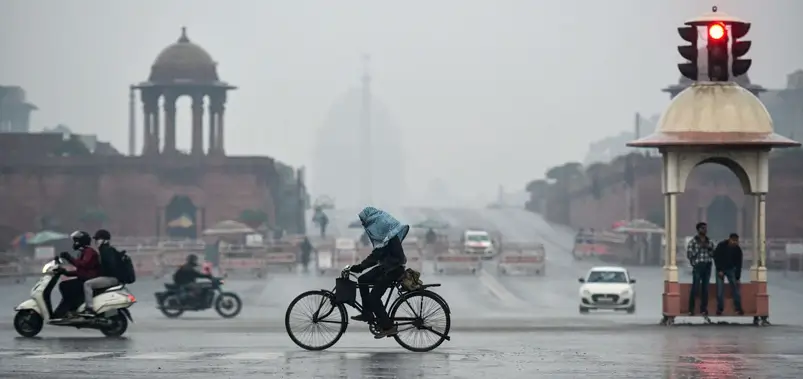
The monsoon season typically arrives between July and September, bringing periodic rainfall, increased humidity, and a noticeable transformation in Delhi's appearance. While some travelers avoid this season due to concerns about rain, others find that it offers a quieter and more authentic travel experience.
One of the most immediate effects of the monsoon is the change in the city's visual character. Parks, gardens, and tree lined avenues become greener, creating a refreshing contrast to the dry conditions that often dominate the summer months. Historical monuments surrounded by landscaped grounds appear particularly attractive during this period.
Rainfall patterns can vary considerably. Some days experience brief afternoon showers, while others may see more prolonged periods of rain. Because weather conditions are less predictable, travelers should maintain flexibility within their itineraries. Carrying an umbrella, waterproof footwear, and weather appropriate clothing can help visitors remain comfortable throughout the season.
The reduction in tourist numbers is one of the monsoon's greatest advantages. Attractions that are often crowded during winter become much quieter, allowing visitors to explore at a more relaxed pace. This can be particularly beneficial for travelers interested in photography, architecture, or cultural exploration.
Accommodation prices frequently remain competitive during the monsoon period. Many luxury hotels continue offering seasonal promotions, making this an appealing time for travelers seeking high quality experiences at more moderate prices. Some visitors intentionally choose monsoon travel because it allows them to enjoy premium properties without peak season costs.
Food enthusiasts often appreciate the monsoon atmosphere. The combination of cooler temperatures, seasonal dishes, and lively local markets creates unique dining experiences. Cafes, tea houses, and traditional restaurants become popular gathering places during rainy afternoons.
The monsoon season also provides opportunities to witness everyday life in Delhi from a different perspective. Markets continue operating, religious sites remain active, and cultural activities proceed despite changing weather conditions. Travelers interested in observing local culture often find this season surprisingly rewarding.
While outdoor sightseeing occasionally requires adjustments due to rain, the monsoon remains a viable option for visitors who prioritize lower crowds, competitive hotel rates, and a more relaxed travel environment. For travelers willing to embrace some weather uncertainty, this season can reveal a side of Delhi that many tourists never experience.
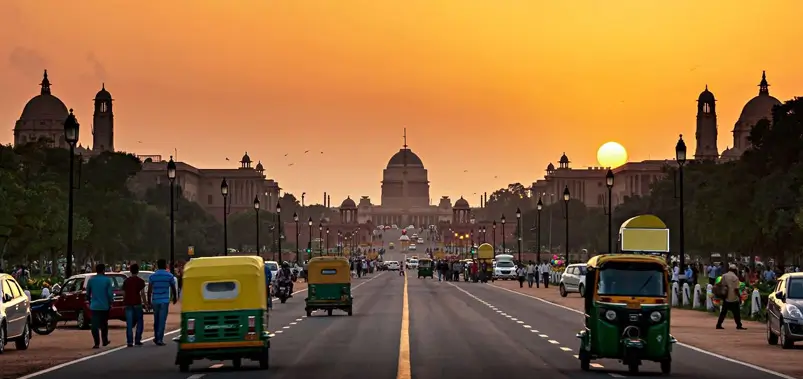
Autumn is the period when Delhi begins its transition from the humid monsoon months into the most desirable tourism season of the year. Generally covering October and early November, autumn is often considered one of the smartest times to visit the city because it combines improving weather conditions with the excitement of major cultural celebrations.
After months of heat and rain, temperatures begin to fall gradually, creating more comfortable sightseeing conditions. Daytime temperatures are usually manageable, evenings become pleasant, and outdoor activities once again become enjoyable. Travelers arriving during autumn often find that the city feels energetic, vibrant, and welcoming.
One of the strongest reasons to visit Delhi during autumn is the festive atmosphere. Markets become decorated, shopping districts grow increasingly active, and cultural celebrations bring additional color to the city's already dynamic character. Streets, monuments, hotels, and restaurants often participate in seasonal festivities, creating memorable experiences for visitors.
Autumn is particularly attractive for travelers who enjoy photography. The weather becomes more stable, visibility improves, and outdoor monuments can be explored comfortably. Early morning and late afternoon light often create ideal conditions for capturing Delhi's historic architecture.
Luxury tourism begins increasing significantly during autumn. Hotels start receiving larger numbers of international visitors, restaurants become busier, and private tour operators experience growing demand. Travelers planning premium experiences should begin booking accommodations and transportation in advance, especially when combining Delhi with Agra and Jaipur.
This season also works exceptionally well for road journeys. Travelers driving between Delhi, Agra, and Jaipur generally experience more comfortable conditions than during summer or monsoon months. Long sightseeing days become easier to manage, allowing visitors to make the most of their itineraries.
For many experienced travelers, autumn represents an ideal compromise. It offers many of the advantages associated with winter while avoiding some of the highest seasonal crowds. Visitors can enjoy pleasant temperatures, cultural activities, active markets, and comfortable sightseeing conditions without necessarily paying peak holiday prices.
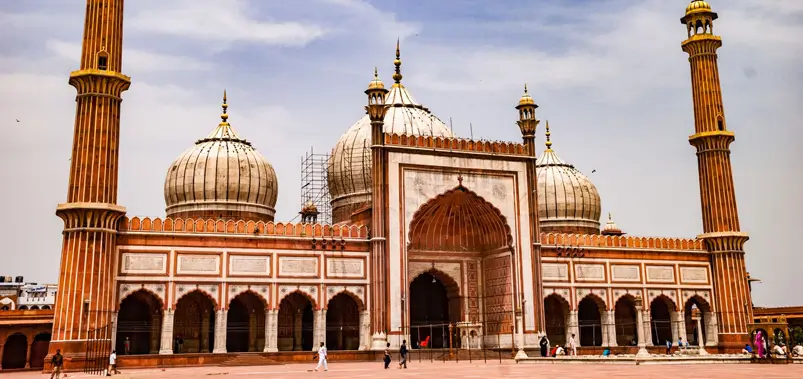
Every month offers a slightly different experience in Delhi, and understanding these differences can help travelers choose dates that align with their interests.
January is one of the coolest months of the year. The weather is comfortable for sightseeing, making it a favorite among international visitors. Popular attractions remain busy, and hotel demand is generally high. Early mornings can occasionally be foggy, but daytime conditions are usually excellent for exploring historical sites and markets.
February is often regarded as one of the most pleasant months to visit Delhi. Temperatures are comfortable, gardens begin showing signs of spring, and sightseeing conditions remain excellent. Many travelers consider this one of the best overall months for a Delhi tour.
March offers warm but manageable temperatures. Outdoor activities remain enjoyable, and travelers can comfortably explore major attractions throughout the day. It is also a popular month for cultural events and food focused travel experiences.
April marks the beginning of warmer conditions. Sightseeing remains possible, but visitors may need to schedule outdoor activities during morning and evening hours. Hotel rates may begin decreasing compared to peak winter months.
May is one of the hottest months of the year. Travelers who visit during this period often focus on museums, shopping, luxury hotels, and carefully planned sightseeing schedules.
June continues the summer pattern, although occasional weather changes may begin appearing toward the end of the month. Accommodation rates can remain attractive for budget conscious travelers.
July introduces monsoon conditions. Rainfall becomes more common, and the city begins turning greener. Tourist numbers generally decrease, creating a quieter atmosphere.
August continues the monsoon season. Travelers willing to adapt to changing weather conditions can benefit from reduced crowds and lower accommodation costs.
September often marks the gradual transition toward improved weather. Rainfall decreases, and sightseeing conditions begin improving.
October is one of the most popular travel months. Comfortable temperatures return, cultural celebrations become more prominent, and tourism activity increases significantly.
November is widely considered one of the best months to visit Delhi. Pleasant weather, active cultural life, and excellent sightseeing conditions attract visitors from around the world.
December combines festive celebrations with comfortable weather. Luxury tourism reaches high levels, hotels experience strong demand, and the city becomes particularly lively.
Understanding these monthly variations allows travelers to select dates that best match their preferred balance of weather, budget, and crowd levels.
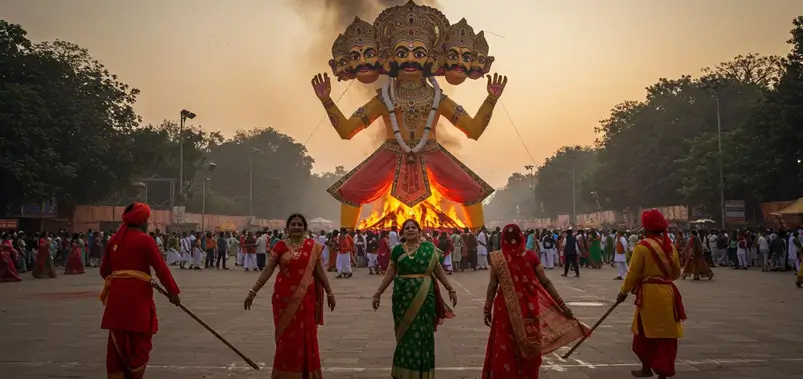
Delhi is not only a city of monuments and history; it is also one of India's most vibrant cultural centers. The timing of major festivals can significantly influence a visitor's experience and often becomes one of the most memorable aspects of a trip.
Among the most famous celebrations is Diwali, often referred to as the Festival of Lights. During this period, homes, markets, hotels, and public spaces are illuminated with decorative lighting. Shopping districts become especially lively, and many luxury hotels organize cultural programs for guests. Visitors traveling during Diwali often describe the city as magical due to the festive atmosphere that extends across nearly every neighborhood.
Holi is another celebration that attracts international attention. Known for its vibrant colors and energetic gatherings, Holi provides travelers with an opportunity to witness one of India's most recognizable cultural events. Organized celebrations at hotels and cultural venues often offer safer and more structured environments for foreign visitors.
Religious festivals also provide meaningful cultural experiences. Visitors to Gurudwara Bangla Sahib, Jama Masjid, Akshardham Temple, and other important spiritual sites can observe traditions that have been practiced for generations. These experiences often provide deeper insight into the city's diverse cultural identity.
Food lovers benefit greatly from festival travel. Seasonal sweets, special dishes, festive markets, and cultural food events become more common during celebration periods. Travelers interested in culinary tourism frequently schedule visits to coincide with major festivals.
Festival periods can increase demand for hotels, transportation, and guides. Travelers intending to visit during major celebrations should consider booking accommodations well in advance. The increased activity, however, often contributes to a richer and more memorable travel experience.
For many visitors, combining favorable weather with important cultural celebrations creates the ideal Delhi itinerary. Festivals provide opportunities to witness traditions, interact with local communities, and experience aspects of the city that remain invisible during ordinary travel periods.
The best time to visit Delhi ultimately depends on the type of traveler and the experiences being sought.
Luxury travelers generally achieve the best results during winter and early spring. Comfortable temperatures allow for private city tours, rooftop dining experiences, heritage walks, and premium cultural activities. Luxury hotels operate at full capacity during these seasons, offering curated experiences designed specifically for international guests.
Families often prefer winter because children can comfortably participate in outdoor activities without extreme heat. Attractions, gardens, and cultural sites become easier to explore over longer periods.
Photography enthusiasts typically favor winter, spring, and autumn. Comfortable weather, improved visibility, and attractive natural lighting conditions contribute to stronger photographic opportunities.
Budget conscious travelers may find summer and monsoon periods more appealing. Lower hotel rates, promotional offers, and reduced crowds can significantly improve value for money.
Food focused travelers can visit throughout the year, although cooler seasons generally make food tours and market exploration more comfortable. Walking through Chandni Chowk, exploring traditional restaurants, and participating in culinary experiences become especially enjoyable when temperatures remain moderate.
Travelers planning a Golden Triangle Tour often benefit most from visiting between October and March. During this period, Delhi, Agra, and Jaipur all offer favorable weather conditions, making sightseeing more comfortable across the entire route.
The ideal season therefore depends not only on weather but also on personal interests, travel style, and budget considerations. Understanding these factors allows visitors to select travel dates that maximize enjoyment while minimizing potential challenges.
We promise you a holiday where everything is taken care of from the moment you land. Trusted drivers waiting for you, handpicked hotels that fit your style, personalized itineraries designed just for your family, and a dedicated team on call 24/7. All you need to do is relax, explore, and create unforgettable memories, while we take care of every detail behind the scenes.
Most visitors find that three to four days provide enough time to explore major attractions, cultural sites, markets, and local experiences.
Diwali and Holi are among the most recognized and widely experienced festivals by foreign visitors.
Yes. Improved weather, clear visibility, and attractive lighting conditions make autumn highly suitable for photography.
Light jackets, sweaters, and layered clothing are generally sufficient for most visitors.
Yes. Winter is the peak tourism season, and premium hotels often charge higher rates due to increased demand.
The period between October and March provides the most comfortable conditions for visiting Delhi, Agra, and Jaipur.
Rain can occasionally require schedule adjustments, but many attractions remain accessible and tourist numbers are generally lower.
Yes. Although temperatures are high, travelers can benefit from lower hotel rates, fewer crowds, and attractive luxury hotel offers.
February and November are frequently regarded as two of the most comfortable months for tourism.
Most travelers consider October through March the best period due to comfortable temperatures and favorable sightseeing conditions.