Nothing deflates a carefully arranged India trip quite like arriving at the Taj Mahal gate on a Friday, or finding the National Museum shuttered on a Monday. It happens to experienced travellers every season, usually because a tour was booked around flight times rather than around weekly closing days and the national calendar. A few minutes of checking can save a whole day.
This guide brings the key dates together for the 2026-27 season: the weekly days off at the major monuments of Delhi, Agra and Jaipur, the three national holidays and how they affect sightseeing, festival dates from the official central government holiday list, alcohol dry days and bank closures, the Taj Mahal full moon nights with prices, the days when entry is free, and the sunrise and sunset rules that decide when gates actually open. Prices and rules can change at short notice, so treat the figures below as a solid starting point and confirm the week before you travel.
The most common mistake is assuming that every monument is open seven days a week. Most are, but a few important ones are not, and they happen to be the sights that people least want to miss. Here are the monument closing days in India that matter on a classic Delhi, Agra and Jaipur route:
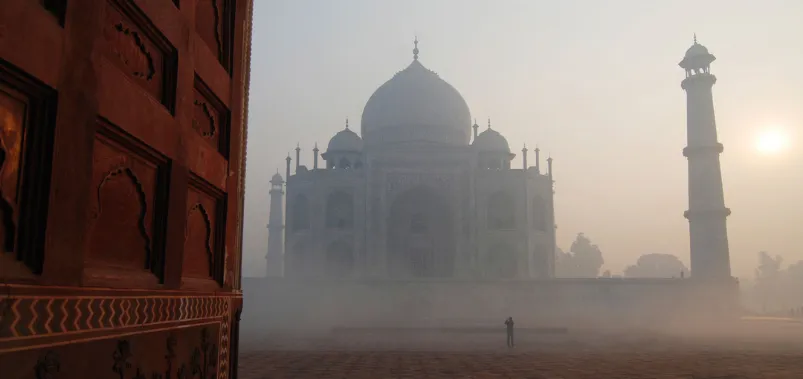
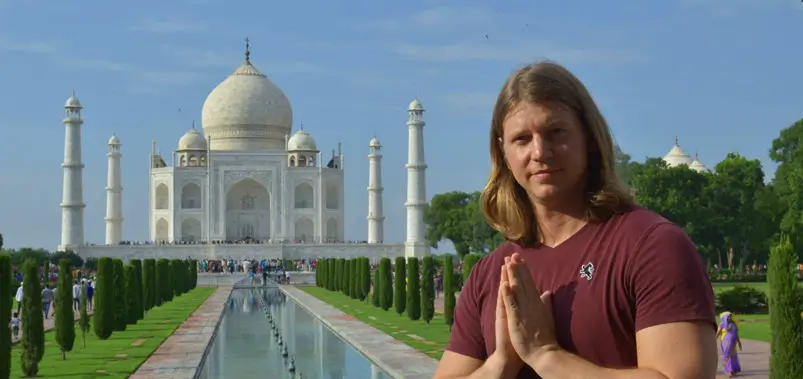
The Taj Mahal Friday closure exists because the mosque inside the complex is used for Friday prayers by local worshippers, and the rule is strict. On a Friday in Agra, swap the order of your day: Agra Fort, the Baby Taj (Itimad-ud-Daulah), and Fatehpur Sikri are all open, and the Archaeological Survey of India even charges foreign visitors slightly less on Fridays, INR 600 rather than INR 650 at Agra Fort. Mehtab Bagh across the river also stays open, giving you a fine view of the Taj at sunset without entering. If your itinerary has just one night in Agra, make sure the morning after you arrive is not a Friday.
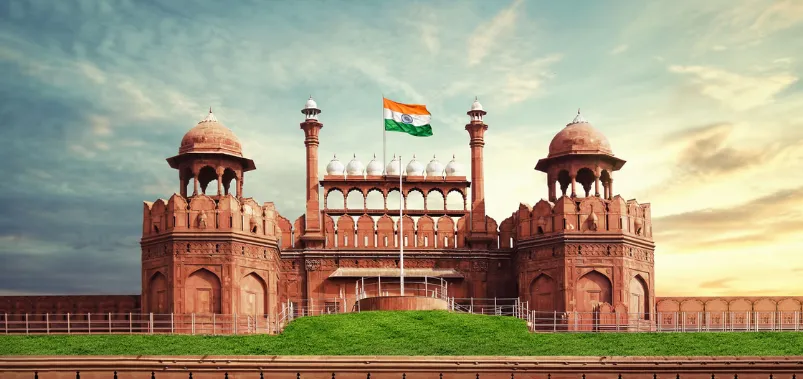
The Red Fort Monday closure is now history. The Archaeological Survey of India issued an order in February opening the fort on all days of the week, and it now stays open from sunrise to 9pm. Foreign visitors pay INR 600 in cash or INR 550 online (about USD 7). Many older guidebooks and websites still say Monday, so do not let that put you off. The one long exception is in summer: the fort closes to the public every year from mid July until Independence Day on 15 August, while the stage is built for the Prime Minister's speech.
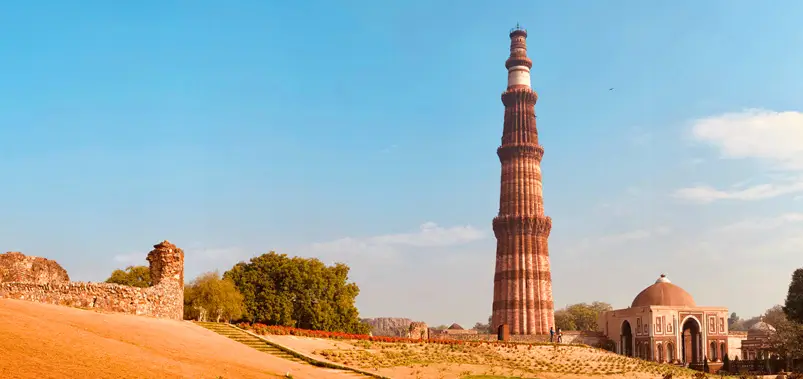
Monday is the day to watch in Delhi. Akshardham is closed, as are the National Museum and Rashtrapati Bhavan, so a Monday is better used for Old Delhi, Humayun's Tomb, Qutub Minar and the Red Fort. Akshardham, when open, runs from 10am with last entry at 6:30pm; entry is free but phones and cameras must be left at the cloakroom, and the exhibitions and the evening water show carry separate tickets.
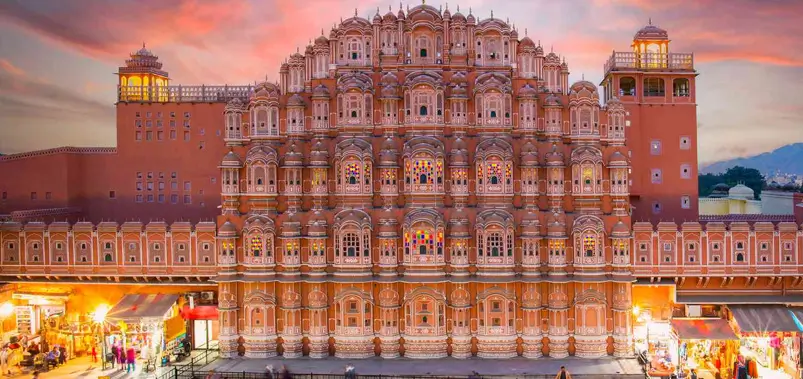
Jaipur is more forgiving. The City Palace, still home to the former royal family, is open daily from about 9:30am, and the state government sites (Amber Fort, Hawa Mahal, Jantar Mantar, Nahargarh and Albert Hall) also open every day. Rajasthan sells a composite ticket that covers most state monuments over two days, which is good value if you are seeing four or more sites; it does not include the City Palace, which sells its own tickets. Holidays rarely close any of these, though crowds swell sharply on long weekends and festival days.
India has three national holidays, and each one changes what you can see and do, especially in Delhi.
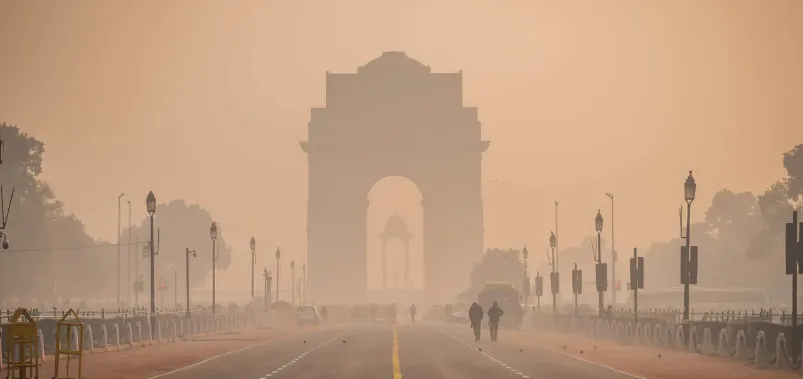
Republic Day on 26 January is the big one for visitors. The Republic Day parade runs along Kartavya Path (formerly Rajpath) from Vijay Chowk towards India Gate on the morning of 26 January, which falls on a Tuesday this season. Tickets cost INR 100 or INR 20 and are sold through the Ministry of Defence's Aamantran website and app, with sales usually opening in early January. Foreign visitors can attend with a passport as photo ID, and you must carry the same ID on the day. The Beating Retreat ceremony, a military band performance at Vijay Chowk at dusk, closes the celebrations on 29 January, with tickets at INR 100 and a full dress rehearsal on 28 January at INR 20.
The parade has a long tail. Full dress rehearsals take place on several mornings in the week before, usually around 23 January, and central Delhi roads around India Gate, Kartavya Path and the ministries close or are heavily restricted from early morning. Some Metro stations near the route close for hours. Rashtrapati Bhavan stopped public visits from 21 to 29 January last season for the parade and Beating Retreat, and you should expect the same window this time. If you are in Delhi that week, keep central Delhi sightseeing to the afternoon and give yourself extra time to reach the airport. Republic Day itself is a dry day nationwide and a bank holiday.
Independence Day on 15 August (a Sunday this season) centres on the Red Fort, where the Prime Minister raises the flag and speaks from the ramparts. The fort closes to visitors from about mid July until 15 August, and security across Old Delhi is very tight on the day. A lovely side of the day is kite flying: the skies over Old Delhi and Jaipur fill with paper kites through the afternoon, and rooftop restaurants in Chandni Chowk are a good place to watch.
Gandhi Jayanti on 2 October marks the birthday of Mahatma Gandhi and falls on a Saturday this season. Prayer meetings are held at Raj Ghat, his memorial by the Yamuna, in the early morning, and the area is busy with officials. Most monuments stay open, but it is a dry day across India and banks and government offices close.
A useful rule for all three: monuments run by the Archaeological Survey of India generally stay open on national holidays, except the specific sites used for ceremonies. What really changes is traffic, security and the availability of a drink with dinner. Crowds of domestic visitors also rise sharply, so arriving at opening time pays off. The national holidays in India affect your day far more through roads and closures around ceremonies than through any blanket shutdown of sights.
The Department of Personnel and Training publishes the official list of central government holidays each year. Combining the remainder of this season with the newly released list for the following year gives the dates below, which form the core of the India public holidays 2026-27 calendar for travellers. Dates for Eid, Bakrid and Muharram depend on the sighting of the moon and can shift by a day.
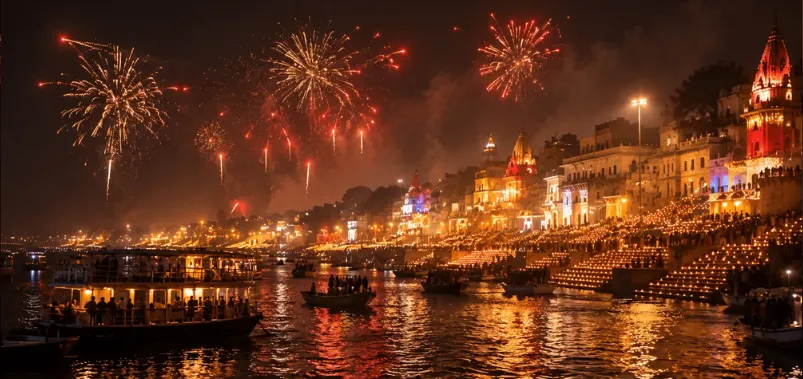
Most of these days do not close monuments, but they do change the rhythm of a city. On Diwali, shops trade busily until the afternoon and then close as families gather; restaurants outside hotels may shut early, and the night is loud with fireworks. Hotels often arrange their own lamp lighting and dinners, which is a lovely way to spend the evening.
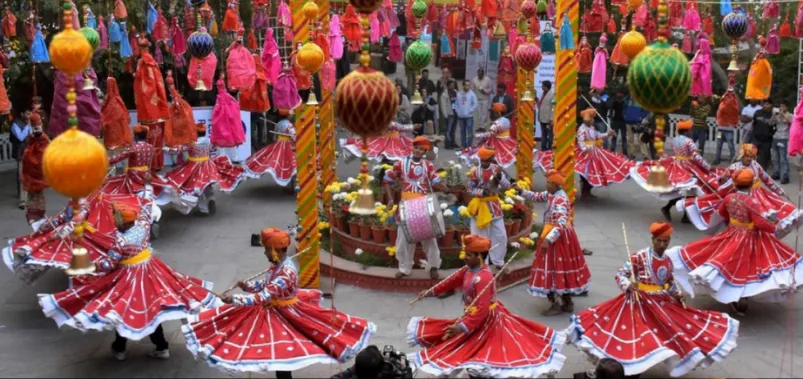
Holi is the date that most affects a trip. On the morning of Holi in India, streets fill with people throwing coloured powder and water, shops stay shut until after lunch, and drivers prefer not to work long hours. Avoid scheduling a long road transfer on the morning of 23 March. Most monuments keep their usual hours, but if you go out, wear old clothes and keep your phone in a sealed bag. The bonfires the night before are calmer and wonderful to watch.
On Eid al-Fitr, the Jama Masjid in Delhi and the mosque at the Taj Mahal hold large morning prayers, so expect crowds and avoid visiting the Jama Masjid until well after prayers have ended. Good Friday and Christmas see hotels at peak prices and occupancy, so book rooms early if your dates touch the week from 20 December to early January. Makar Sankranti in Jaipur is a joyful day of kites on every rooftop and makes a fine reason to be in the city in mid January.
For a well paced route on these dates, our Golden Triangle tours can be timed so that Agra avoids Fridays and Delhi avoids its busiest closure days.
Dry days in India are days when the sale of alcohol is banned by the state excise department. Three are fixed nationwide: Republic Day on 26 January, Independence Day on 15 August and Gandhi Jayanti on 2 October. Each state then adds its own list, usually around religious festivals, and publishes it a few months at a time. Last spring, for example, Delhi's excise department declared dry days on Maha Shivratri, Eid al-Fitr, Ram Navami and Mahavir Jayanti, while removing Holi from the list. Election days, the day before voting and vote counting days are also dry across the area holding the poll, and these are announced at short notice.
For most travellers the practical impact is small but worth knowing. On a Delhi dry day, star category hotels holding an L-15 licence can still serve alcohol to resident guests in their rooms, but hotel bars, restaurants and public areas stop serving. Shops close entirely. Rajasthan and Uttar Pradesh follow their own lists, which broadly overlap with the national days and major festivals. If a special dinner falls on one of these dates, ask your hotel in advance what it can offer; sommelier dinners and bar evenings are often moved a day.
Banks in India close on Sundays, on the second and fourth Saturdays of each month, and on gazetted holidays, which include all the national days above and most of the major festivals. Each state also has its own bank holidays, so a festival such as Makar Sankranti can close banks in one state and not another. ATMs keep working through bank holidays, and card payments work almost everywhere in cities, but cash machines in smaller towns can run empty before a long weekend. Draw what you need a day or two before a cluster of holidays, and keep some cash for tips, small shops and rural stops.
Government offices close on gazetted holidays too. This matters if you need help from a foreign regional registration office, a passport office or a post office for a parcel. Courier services and private offices usually stay open.
Long weekends are worth watching. When a holiday lands on a Friday or Monday, domestic tourism surges, and places within driving distance of Delhi, such as Agra and Jaipur, see much bigger crowds. Two examples this season: Good Friday on 26 March creates a long weekend, and Diwali on Friday 29 October will create another. On such weekends, the Taj Mahal ticket price is the same, but queues at the security gates can stretch past an hour, so arriving at opening time is wise. Hotel rates in Jaipur and Agra also climb on these weekends, and rooms in heritage hotels sell out weeks ahead.
Finally, Christmas and New Year deserve special mention. Although only Christmas Day is a public holiday, the period from about 20 December to 5 January is the busiest of the whole season for foreign and domestic visitors alike. Book hotels and trains early, expect premium room rates, and allow more time at monuments, especially at sunrise in Agra.
Taj Mahal night viewing runs on five nights each month: the full moon night itself, plus the two nights before and the two nights after. Viewing takes place between 8pm and midnight in eight batches of 30 minutes, with a maximum of 50 people per batch, from a viewing platform near the main gate rather than up close. Tickets are booked online through the Archaeological Survey of India portal and cost INR 750 for a foreign adult (about USD 9), INR 510 for Indian adults and INR 500 for children aged 3 to 15. You report to Shilpgram near the East Gate 30 minutes before your batch, with your passport. Night viewing does not run on Fridays or during the month of Ramadan, and it is cancelled in bad weather.
Full moon dates for the season, according to the Indian calendar, are 24 November, 24 December, 22 January, 20 February, 22 March, 20 April, 20 May, 18 June, 18 July, 16 August, 15 September and 15 October. Two warnings: 22 January and 15 October are Fridays, so those nights themselves have no viewing, and the February window falls inside Ramadan, which runs roughly from the second week of February until Eid on 10 March. Batches sell out quickly in winter, so book as early as the portal allows.
Free entry days at Indian monuments are worth knowing, though they bring heavy crowds:
Free days are announced only a day or two in advance, so treat them as a bonus, not something to build a trip around.
For day visits, the Taj Mahal opening hours run from 30 minutes before sunrise until 30 minutes before sunset. In mid December that means gates open at roughly 6:30am to 6:45am and close around 5pm; in June they open closer to 5am. The foreign visitor ticket is INR 1,100, plus INR 200 for entry into the main mausoleum, so INR 1,300 in total (about USD 15). Most other Archaeological Survey of India monuments open at sunrise and close at sunset, with ticket sales stopping a little earlier. Several Delhi sites now stay open later: the Red Fort until 9pm, and Humayun's Tomb has evening hours until about 9pm, which makes a fine after dark visit in the cooler months.
We promise you a holiday where everything is taken care of from the moment you land. Trusted drivers waiting for you, handpicked hotels that fit your style, personalized itineraries designed just for your family, and a dedicated team on call 24/7. All you need to do is relax, explore, and create unforgettable memories, while we take care of every detail behind the scenes.
The Taj Mahal closes every Friday because its mosque is used for Friday prayers. Agra Fort, Itimad-ud-Daulah, Mehtab Bagh and Fatehpur Sikri stay open on Fridays, at slightly lower ticket prices.
No. Since an Archaeological Survey of India order in February, the Red Fort opens every day from sunrise to 9pm. It does close to the public each year from mid July until Independence Day on 15 August.
Swaminarayan Akshardham, the National Museum, Rashtrapati Bhavan and most central government museums close on Mondays. Humayun's Tomb, Qutub Minar, the Red Fort and Old Delhi's markets make better Monday choices.
Yes. Tickets at INR 100 or INR 20 are sold through the Aamantran website and app from early January, and foreigners can use a passport as photo ID. Expect road closures across central Delhi on the morning of 26 January and on rehearsal days.
Holi falls on 23 March, with bonfires the night before. Monuments usually keep normal hours, but streets are chaotic in the morning and shops open after lunch, so avoid long drives that morning.
Foreign adults pay INR 750 (about USD 9), Indian adults INR 510 and children aged 3 to 15 pay INR 500. Viewing runs on the full moon night and two nights either side, except Fridays and during Ramadan.
Shops and bars close, but in Delhi star hotels holding an L-15 licence can serve alcohol to resident guests in their rooms. Nationwide dry days are 26 January, 15 August and 2 October, and states add festival and election days.
No. Banks close on gazetted holidays, Sundays and the second and fourth Saturdays. ATMs keep working, but withdraw cash a day or two before a long holiday weekend.
Yes, on certain days such as World Heritage Day on 18 April, 19 November in World Heritage Week in recent years, and during the three day Urs of Shah Jahan. Children under 15 always enter free.
Gates open 30 minutes before sunrise and close 30 minutes before sunset. In winter that means roughly 6:30am to 6:45am, so leave your hotel by about 6am to join the queue.