Safety is one of the first topics many international travelers research before visiting India. For first time visitors, Delhi often receives special attention because it serves as the arrival point for millions of travelers beginning their journey through the country. News headlines, online forums, travel blogs, and social media discussions frequently create a mixture of useful advice, outdated information, exaggerated stories, and unnecessary anxiety.
The reality is more balanced.
Delhi is one of the largest cities in the world and welcomes millions of domestic and international visitors every year. Most travelers complete their trips without experiencing any significant safety issues. They visit monuments, explore markets, use public transportation, enjoy local food, and move throughout the city while creating positive memories.
At the same time, Delhi is a major metropolitan area, and like any large city, visitors benefit from understanding common scams, knowing where to seek assistance, and taking reasonable precautions.
Tourist safety is not about being fearful.
It is about being informed.
Many of the situations that cause problems for travelers are not serious crimes. More often, they involve confusion, overcharging, misinformation, transportation misunderstandings, or avoidable mistakes that can be prevented through basic awareness.
The good news is that Delhi offers extensive resources for visitors. Tourist police units, emergency services, transportation support, hotel staff, licensed guides, and local authorities are all available to assist travelers when necessary.
Understanding how these systems work before arrival can significantly improve confidence and reduce stress.
Whether you are planning a short city stay, beginning a Golden Triangle Tour, traveling solo, visiting with family, or exploring India for the first time, knowing how to stay safe and where to get help allows you to focus on enjoying the experience rather than worrying about potential problems.
A well-prepared traveler is usually a confident traveler.
And confidence is often one of the best tools for navigating any major city successfully.
One of the most common questions asked online is whether Delhi is safe for tourists.
The answer depends partly on expectations.
Visitors sometimes imagine that safety can be described in simple terms such as "safe" or "unsafe." In reality, large cities are more complex than that.
Delhi contains modern business districts, luxury hotels, residential neighborhoods, historic markets, government areas, tourist attractions, and transportation hubs. Experiences naturally vary depending on where travelers go, how they travel, and the precautions they take.
For most tourists, Delhi is a manageable destination.
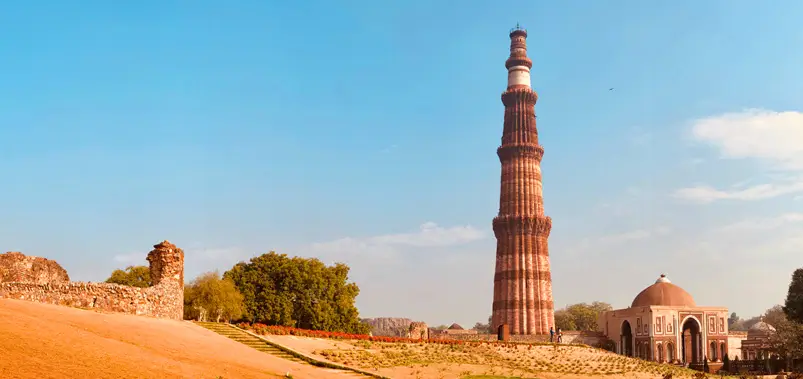
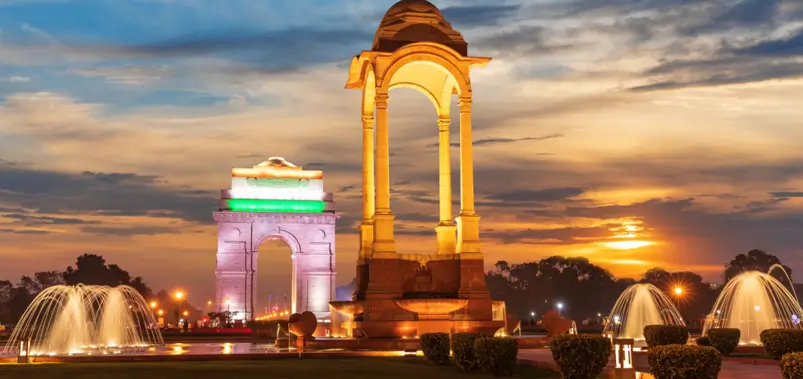
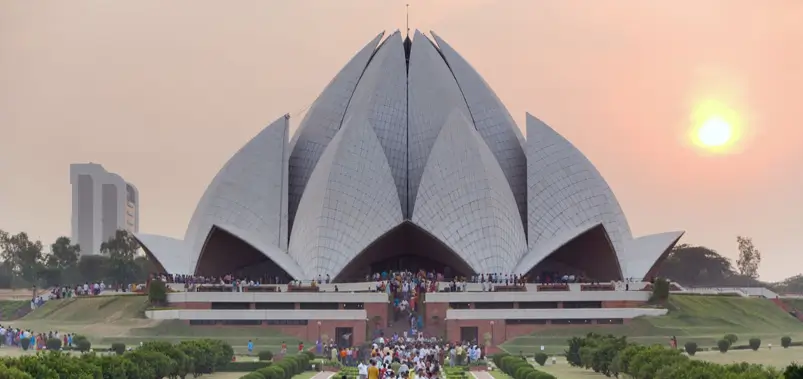
Major attractions such as India Gate, Humayun's Tomb, Qutub Minar, Lotus Temple, Gurudwara Bangla Sahib, and many other sites receive large numbers of visitors every day.
Hotels, transportation providers, tour operators, and tourism services are accustomed to serving international guests.
Problems usually arise not because the city is inherently dangerous but because some visitors arrive unprepared.
For example, travelers who accept transportation from unofficial sources, ignore basic precautions regarding valuables, or rely on information provided by random strangers may encounter avoidable difficulties.
Visitors who use reputable transportation, book accommodation carefully, remain aware of their surroundings, and exercise common sense generally have positive experiences.
The same principles that apply in other major cities around the world apply in Delhi as well.
Awareness is important.
Fear is not necessary.
The majority of travelers spend their time enjoying the city's architecture, food, culture, and history rather than dealing with safety concerns.
Understanding realistic risks helps visitors make informed decisions while maintaining perspective.
The word "scam" often sounds alarming, but most tourist scams in Delhi are relatively simple and easy to avoid once travelers know how they work.
One common example involves misinformation about attractions.
A traveler heading toward a monument may be approached by someone claiming that the site is closed due to a holiday, maintenance work, government event, or religious ceremony. The individual then recommends an alternative attraction, shop, or tour service.
In many cases, the attraction is open exactly as planned.
The safest approach is verifying information independently through official sources, hotel staff, or trusted guides.
Another frequent situation involves transportation.
A driver may insist that a particular hotel has closed, changed ownership, or become inaccessible. Travelers are then encouraged to stay at a different property.
Again, independent verification is important.
Shopping related commissions create another common issue.
Drivers, guides, and intermediaries sometimes receive commissions for bringing tourists to certain stores. This does not automatically mean the store is dishonest, but visitors should recognize the financial incentive behind the recommendation.
Travel agencies and booking offices occasionally present another challenge.
Some unofficial offices market themselves as government tourism centers despite having no official connection to government agencies.
Travelers should always confirm the legitimacy of businesses before making payments.
The good news is that these scams generally rely on misinformation rather than sophisticated criminal activity.
A traveler who remains calm, verifies information, and avoids making rushed decisions is unlikely to encounter significant problems.
Knowledge is usually the most effective defense.
Transportation represents one of the most important aspects of tourist safety.
Fortunately, Delhi offers multiple options that suit different travel styles and budgets.
The Delhi Metro is widely regarded as one of the safest and most reliable transportation systems in the city. It connects many major destinations and provides a practical alternative to road traffic.
For visitors comfortable using public transportation, the metro is often an excellent choice.
Ride hailing services and pre-booked taxis also provide reliable options when used through established platforms.
Travelers should confirm vehicle details before entering and ensure they match booking information.
Rickshaws remain popular for shorter journeys, particularly in Old Delhi and market areas. Agreeing on fares beforehand helps prevent misunderstandings at the end of the trip.
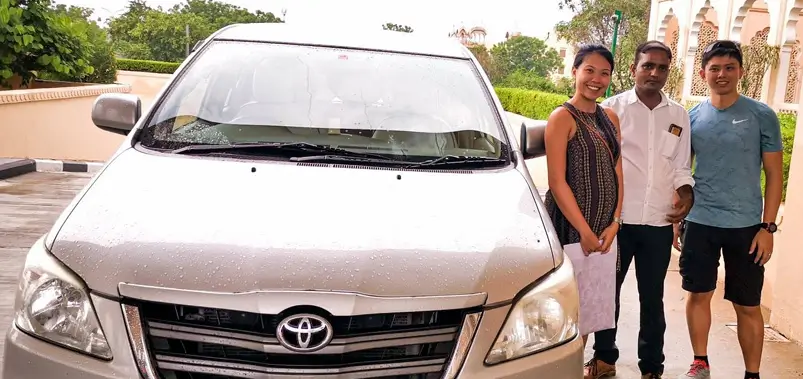
Many international visitors choose private drivers in Delhi, especially when beginning a Golden Triangle itinerary.
Professional drivers working with reputable tourism companies offer consistency, convenience, and familiarity with local routes.
The key principle across all transportation options is verification.
Knowing who you are traveling with, understanding pricing in advance, and using established services greatly reduce potential problems.
Most transportation experiences in Delhi are routine and uneventful.
Preparation simply adds an additional layer of confidence.
Compared to concerns about scams, the most practical safety issue for many travelers involves personal belongings.
Busy markets, transportation hubs, and crowded tourist attractions naturally require greater awareness.
This does not mean visitors should become anxious.
It simply means applying the same precautions they would use in any major international city.
Passports deserve particular attention.
Many travelers carry passports throughout the day even when unnecessary. In many cases, storing passports securely at the hotel and carrying a copy instead provides greater peace of mind.
Money, credit cards, phones, and cameras should remain secure but accessible.
Using bags that close properly and avoiding unnecessary displays of valuables reduces risk significantly.
Crowded areas such as Chandni Chowk, major festivals, transportation terminals, and busy shopping districts require slightly increased awareness because of the large number of people moving through them.
The majority of visitors experience no issues regarding theft.
Nevertheless, maintaining basic awareness is always preferable to dealing with the inconvenience of lost belongings.
Good habits are usually sufficient.
Solo travel in Delhi can be an incredibly rewarding experience. The city offers world class historical attractions, vibrant markets, excellent food, fascinating neighborhoods, and countless opportunities for cultural exploration. Thousands of independent travelers visit Delhi every year and enjoy positive experiences.
However, solo travelers naturally need to be more aware of their surroundings because they do not have companions to assist with navigation, decision making, or unexpected situations.
One of the most useful habits is sharing travel plans with someone you trust. Sending hotel details, transportation information, or daily itineraries to family members or friends provides an additional layer of security.
Accommodation selection also matters.
Choosing reputable hotels with strong reviews, professional staff, and good locations often simplifies many aspects of travel. Hotel reception teams can frequently assist with transportation, local recommendations, and practical advice.
Solo travelers should also trust their instincts.
If a situation feels uncomfortable, there is rarely any obligation to continue. Leaving a conversation, declining an invitation, or changing plans is completely acceptable.
Another useful practice is keeping important contact information easily accessible. Hotel addresses, emergency numbers, transportation details, and passport copies should be available both digitally and physically.
Most solo travelers discover that confidence and preparation significantly enhance their experience.
Delhi can initially feel overwhelming, but familiarity develops quickly. Travelers who remain aware, organized, and flexible often find the city surprisingly accessible and rewarding.
The goal is not to avoid experiences but to approach them thoughtfully.
One of the most frequently discussed topics in travel forums involves solo female travel in Delhi.
The reality is that many women travel independently throughout Delhi and India every year. However, sensible precautions are important.
Accommodation becomes particularly important.
Staying in reputable hotels with professional staff, secure access, and positive reviews provides a strong foundation for the trip.
Transportation choices also matter.
Using trusted ride hailing platforms, hotel arranged transportation, licensed guides, or professional private drivers generally provides greater comfort and predictability.
Many experienced female travelers prefer avoiding isolated areas late at night and instead focus on well-populated neighborhoods, restaurants, shopping districts, and tourist attractions.
Dress expectations vary depending on location. Delhi is a cosmopolitan city with diverse styles, but modest clothing often helps visitors feel more comfortable, especially when visiting religious sites or traditional neighborhoods.
Confidence plays an important role as well.
Travelers who appear comfortable, informed, and purposeful are generally less likely to attract unwanted attention.
Most importantly, solo female travelers should remember that Delhi receives large numbers of international women travelers every year. Awareness and preparation are useful, but fear should not dominate the experience.
The city offers extraordinary cultural, historical, and culinary experiences that are well worth exploring.

Knowing emergency contact numbers before arriving in Delhi provides valuable peace of mind.
The following numbers are among the most useful for visitors:
|
Service |
Number |
|---|---|
|
National Emergency Response |
112 |
|
Police |
100 |
|
Ambulance |
102 |
|
Fire Service |
101 |
|
Women's Helpline |
1091 |
|
Tourist Helpline |
1363 |
|
International Tourist Helpline |
+91-1800-11-1363 |
These services may evolve over time, so travelers should verify current information before departure.
Saving important numbers directly into a mobile phone is highly recommended.
In many situations, hotel staff, tour operators, guides, and transportation providers can also assist with contacting appropriate authorities when necessary.
Fortunately, most visitors never need these services.
However, knowing they are available can reduce anxiety and improve overall confidence.
Preparedness often creates reassurance even when emergencies never occur.
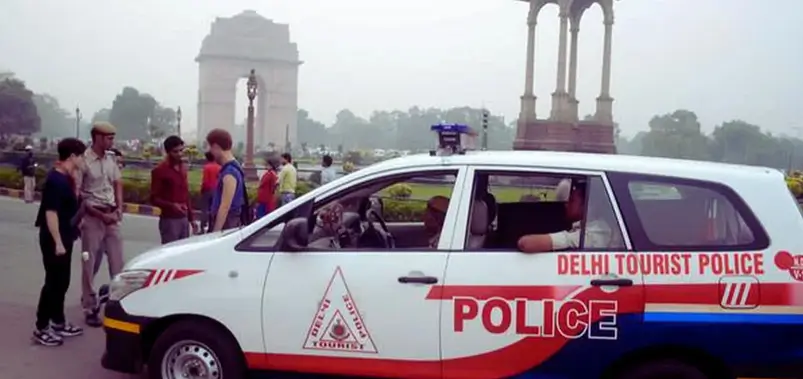
Many international visitors are unaware that Delhi maintains tourism focused support services designed specifically to assist travelers.
Tourist police personnel are generally trained to help visitors navigate challenges such as:
Their presence helps create a more supportive environment for international travelers.
Tourist police are often found near major attractions, transportation hubs, and popular visitor areas.
Travelers experiencing difficulties should not hesitate to seek assistance.
Many problems that seem stressful initially can be resolved quickly with proper guidance.
Another useful resource is the tourism support network provided through hotels, tour companies, and official tourism organizations.
Visitors sometimes forget that help is often much closer than they realize.
Whether dealing with a transportation misunderstanding, lost property, or simple confusion about directions, assistance is generally available.
Knowing where to seek help is often more important than the problem itself.
Medical emergencies are rare, but every traveler should understand basic procedures before arrival.
Delhi contains numerous hospitals, clinics, and medical facilities ranging from local providers to internationally recognized institutions.
If a serious medical emergency occurs, contacting emergency services or requesting assistance from hotel staff is usually the fastest solution.
Hotels frequently maintain relationships with nearby medical providers and can help coordinate transportation or appointments.
Travel insurance becomes particularly important in these situations.
Comprehensive travel insurance often simplifies access to medical care, reimbursement procedures, and emergency support services.
Visitors taking prescription medications should carry them in original packaging and bring sufficient quantities for the duration of the trip.
Keeping copies of prescriptions can also be helpful.
Minor illnesses such as stomach discomfort, dehydration, or fatigue are more common than serious medical issues. Staying hydrated, resting appropriately, and maintaining basic health precautions significantly reduce the likelihood of problems.
Most travelers complete their visit without requiring medical assistance, but preparation provides valuable reassurance.
Few travel situations create more anxiety than losing a passport.
Fortunately, there are clear procedures for handling the situation.
The first step is remaining calm.
Many "lost" passports are simply misplaced in luggage, hotel safes, or travel documents.
If the passport cannot be located, travelers should report the loss and contact their embassy or consulate as soon as possible.
Having digital copies of passport information greatly simplifies the process.
For this reason, experienced travelers often keep:
Hotel staff can frequently assist with locating embassy contact information and arranging transportation if needed.
While losing a passport is inconvenient, embassies and consulates regularly assist travelers facing exactly this situation.
Preparation and documentation make the process significantly easier.
Accommodation plays a major role in overall travel security.
Fortunately, most reputable hotels in Delhi maintain good safety standards.
Travelers can further improve security through a few simple habits.
Using room safes for passports, excess cash, and valuable items reduces risk significantly.
Visitors should also confirm room numbers discreetly and avoid displaying sensitive information unnecessarily in public areas.
When arriving at a hotel, reviewing emergency exits and understanding basic safety procedures is worthwhile.
Most travelers never need this information, but familiarity is useful.
Choosing accommodation based solely on price can sometimes create unnecessary complications.
Location, reviews, reputation, and service quality often influence the travel experience more than minor price differences.
A well-managed hotel frequently becomes one of the most valuable travel resources available.
Staff can assist with transportation, local recommendations, emergency support, and practical questions throughout the trip.
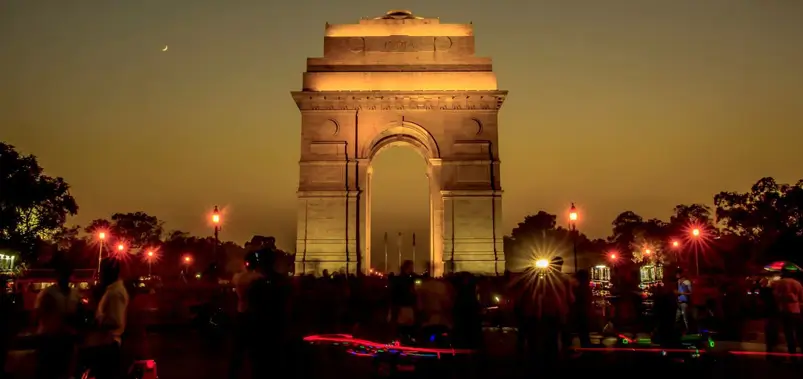
Delhi's nightlife has expanded significantly, particularly in areas popular with residents and international visitors.
Restaurants, cafés, bars, shopping districts, and entertainment venues remain active into the evening.
As with any major city, nighttime exploration benefits from additional awareness.
Well-populated areas with established businesses generally provide the most comfortable environments for visitors.
Using trusted transportation when returning to accommodation late at night is usually advisable.
Travelers unfamiliar with an area should avoid wandering aimlessly after dark and instead focus on destinations they have researched in advance.
Groups naturally enjoy additional flexibility, but solo travelers can also enjoy Delhi's evening atmosphere comfortably with reasonable planning.
The city offers many enjoyable nighttime experiences.
The key is approaching them with the same awareness that would be appropriate in any large international destination.
Technology has made travel significantly easier.
Several applications can improve safety, convenience, and navigation during a Delhi visit.
Mapping applications assist with directions and location verification.
Ride hailing applications provide transparent transportation options.
Translation tools can help bridge occasional language gaps.
Weather and air-quality applications assist with daily planning.
Communication applications help travelers remain connected with family, friends, hotels, guides, and transportation providers.
Digital payment tools can also simplify purchases in many situations.
The most useful travel technology often serves a simple purpose: reducing uncertainty.
The easier it becomes to verify information independently, the more confident travelers generally feel.
Technology should not replace awareness, but it can certainly support informed decision making.
Perhaps the most valuable safety skill is remaining calm.
Travelers occasionally encounter unexpected situations:
Most of these situations are frustrating rather than dangerous.
Panic rarely improves outcomes.
Calm assessment, verification of information, and seeking assistance from reliable sources usually resolve problems effectively.
Hotels, guides, transportation providers, tourism authorities, and local residents often prove remarkably helpful when approached respectfully.
Travelers who remain patient generally discover that solutions are available.
Delhi can feel intense at times, but it is also a city accustomed to welcoming visitors from around the world.
Preparation, awareness, and flexibility usually provide all the tools necessary for a safe and enjoyable experience.
We promise you a holiday where everything is taken care of from the moment you land. Trusted drivers waiting for you, handpicked hotels that fit your style, personalized itineraries designed just for your family, and a dedicated team on call 24/7. All you need to do is relax, explore, and create unforgettable memories, while we take care of every detail behind the scenes.
Stay informed, use reputable services, remain aware of your surroundings, and verify important information independently.
No. Carry only what you need and use secure payment methods whenever possible.
Yes. Old Delhi is one of the city's most popular tourist areas. Awareness of belongings and surroundings is advisable due to crowds.
Professional drivers booked through reputable companies are generally among the safest transportation options available.
Contact your embassy or consulate, report the loss, and use passport copies to assist with replacement procedures.
Yes. Many women travel independently in Delhi. Reasonable precautions and good planning are recommended.
Yes. The Delhi Metro is widely considered one of the safest and most efficient transportation systems in the city.
Some scams exist, but most are easy to avoid through awareness and independent verification of information.
The national emergency response number is 112.
Yes. Millions of tourists visit Delhi every year without significant problems. Basic awareness and common sense are usually sufficient.