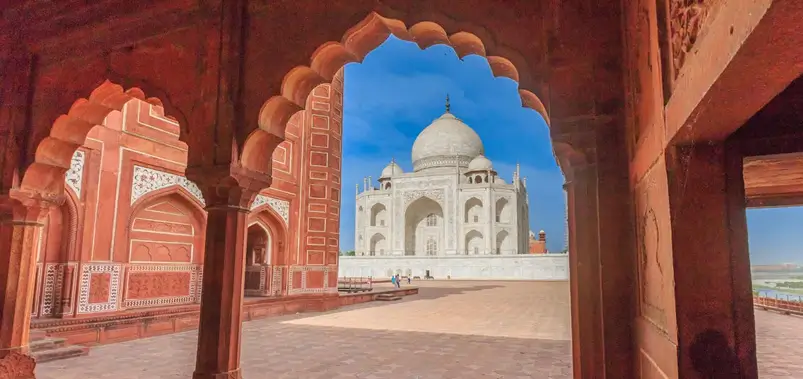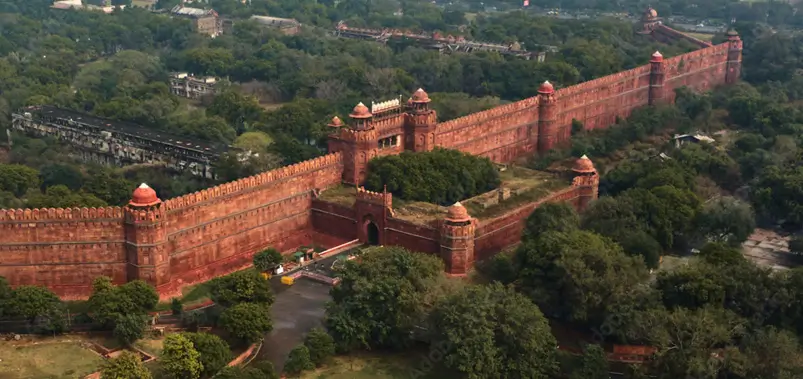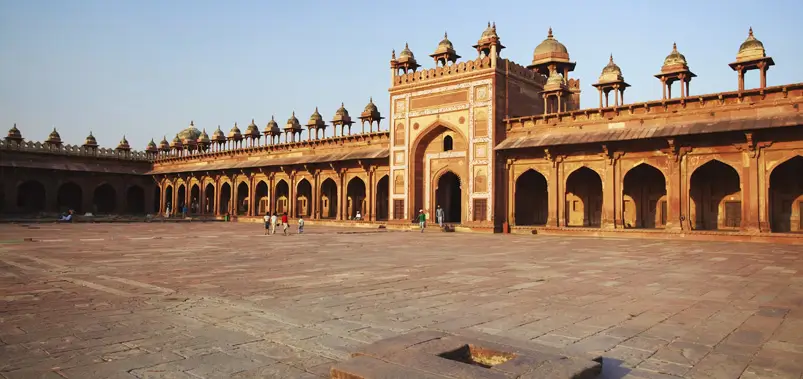
For most travelers following the famous Golden Triangle Tour, the road journey between Agra and Jaipur is often viewed as a transfer day. Visitors leave Agra after seeing the Taj Mahal and head directly toward Jaipur, expecting several hours of highway travel before reaching Rajasthan's Pink City.
That approach works, but it misses some of the most fascinating attractions in North India.
The route between Agra and Jaipur is filled with historical cities, UNESCO World Heritage Sites, abandoned royal capitals, ancient stepwells, traditional villages, temples, and lesser known cultural experiences that many tourists never see. In fact, some travelers find the stops between the two cities almost as memorable as Agra and Jaipur themselves.
Unlike the Delhi–Agra route, which is dominated by modern expressways, the Agra–Jaipur journey feels more connected to India's history. Mughal architecture gradually gives way to Rajput influences. The landscape changes, the culture begins to shift, and travelers get their first taste of Rajasthan before officially arriving in Jaipur.
For photographers, this route offers extraordinary opportunities. Ancient gateways, rural scenes, sandstone architecture, local markets, and dramatic stepwells create images that look entirely different from the Taj Mahal or Jaipur's palaces.
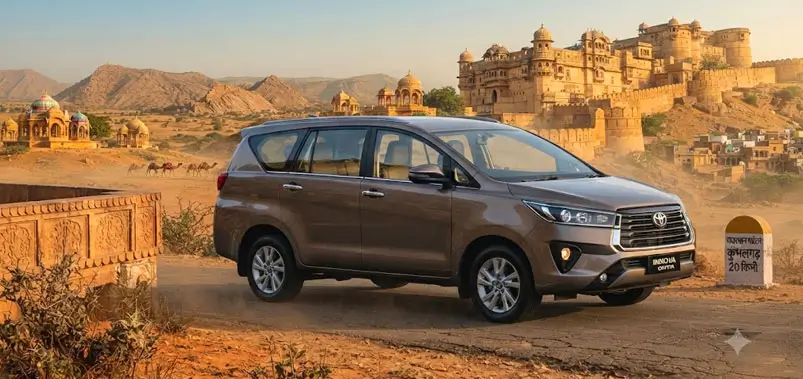
The route also works extremely well for travelers who hire a private car and driver. Instead of spending four or five hours simply sitting in a vehicle, visitors can transform the day into a sightseeing experience filled with meaningful stops.
Most importantly, these attractions are not artificial tourist experiences. They are genuine historical and cultural sites that provide insight into India's past and present.
If you are traveling between Agra and Jaipur, consider dedicating the entire day to exploration. The journey becomes much more rewarding when viewed as part of the adventure rather than merely transportation.
The distance between Agra and Jaipur is approximately 240–250 kilometers (150–155 miles) depending on the exact route used.
Without sightseeing stops, the journey generally takes:
Most tourists traveling as part of a Golden Triangle itinerary choose private transportation because it allows flexibility for sightseeing along the way.
The most commonly used tourist route passes through:
This route combines convenience with access to some of the most important attractions between the two cities.
The ideal departure time from Agra is around 8:00 AM to 9:00 AM. This schedule allows enough time to explore major attractions while still arriving in Jaipur before evening.
Travelers who leave very late often end up rushing through sites or skipping them entirely.
The weather also influences travel comfort. October through March generally provides the most pleasant conditions for exploration, while summer afternoons can become extremely hot, particularly around exposed historical monuments.
For most visitors, planning the route as a full sightseeing day rather than a transfer day produces a significantly richer travel experience.
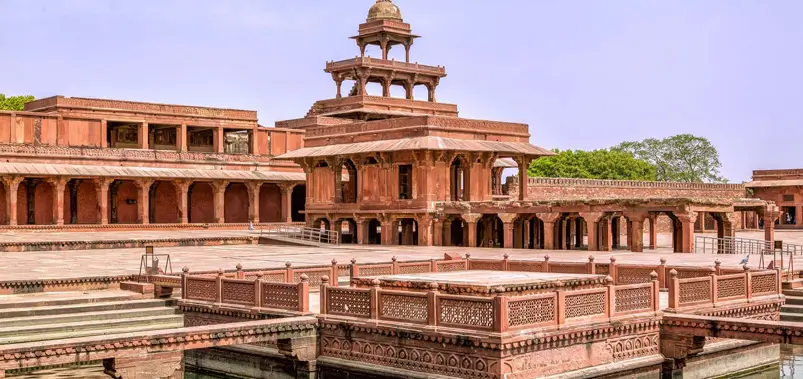
If you visit only one attraction between Agra and Jaipur, it should almost certainly be Fatehpur Sikri.
Located approximately 40 kilometers from Agra, Fatehpur Sikri was built by Emperor Akbar as the capital of the Mughal Empire during the 16th century. Today it is a UNESCO World Heritage Site and one of India's most remarkable historical destinations.
What makes Fatehpur Sikri unique is that it was once a thriving imperial capital but was later abandoned. As a result, visitors can explore an entire historical city rather than a single monument.
The architecture is extraordinary. Red sandstone palaces, courtyards, administrative buildings, royal residences, and ceremonial structures remain remarkably well preserved.
Major attractions include:
Most visitors spend between 1.5 and 3 hours exploring the complex.
Entry fees for foreign tourists are generally around ₹610–₹650 per person (subject to government revisions).
One reason Fatehpur Sikri is so rewarding is the absence of the extreme crowds often associated with the Taj Mahal. Visitors can explore at a slower pace and appreciate architectural details without feeling rushed.
Photographers especially love the location because the red sandstone changes color throughout the day depending on sunlight conditions.
Many experienced travelers consider Fatehpur Sikri one of India's most underrated historical sites.
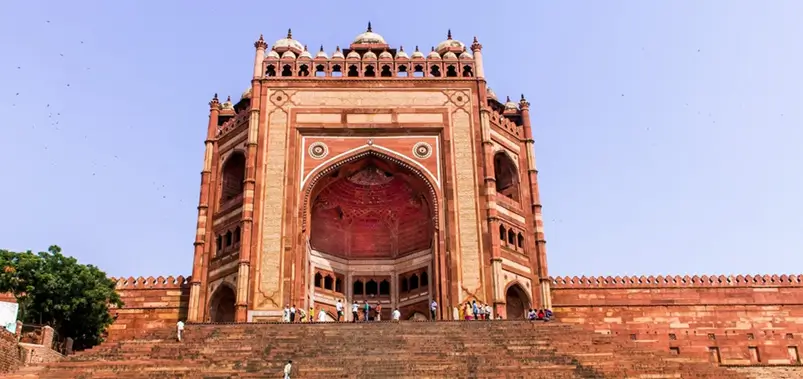
The first sight many visitors notice at Fatehpur Sikri is the extraordinary Buland Darwaza.
Standing approximately 54 meters (177 feet) high, it is considered one of the largest gateways in the world and remains one of the most impressive entrances ever constructed by the Mughal Empire.
Built to commemorate Akbar's victory in Gujarat, the gateway dominates the surrounding landscape and creates an immediate sense of scale and grandeur.
Approaching the structure on foot is part of the experience. The massive staircase leading upward creates dramatic perspectives that photographers particularly appreciate.
Visitors often spend significant time simply observing architectural details. Carvings, inscriptions, decorative elements, and proportions demonstrate the remarkable skill of Mughal craftsmen.
Morning visits generally provide softer lighting and more comfortable temperatures.
The gateway also serves as a reminder of the ambitions of the Mughal Empire. It was designed not merely as an entrance but as a statement of power, authority, and achievement.
For many travelers, standing beneath Buland Darwaza becomes one of the most memorable moments of the entire Golden Triangle journey.
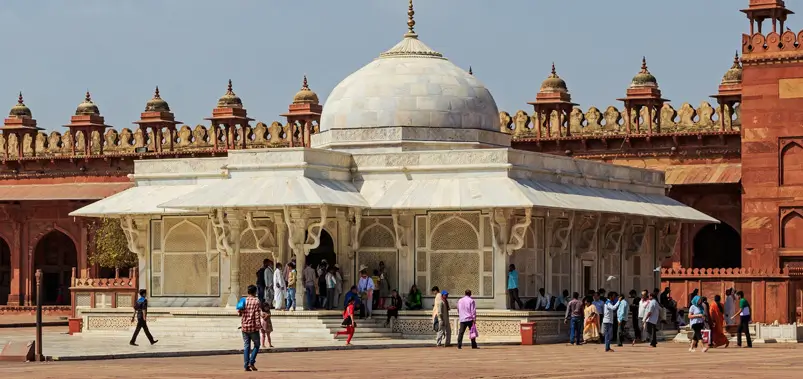
While the grand palaces attract architectural enthusiasts, the Tomb of Salim Chishti often leaves the strongest emotional impression.
Located within the Fatehpur Sikri complex, this white marble mausoleum honors the revered Sufi saint Salim Chishti, whose blessing is believed to have influenced Emperor Akbar's decision to build the city.
Unlike the surrounding red sandstone architecture, the white marble immediately stands out.
The tomb remains an active place of devotion. Visitors often observe worshippers offering prayers and tying threads to decorative screens while making wishes.
Many travelers appreciate the peaceful atmosphere inside the complex. Even visitors with no religious connection often find the site calming and reflective.
The contrast between imperial architecture and spiritual devotion adds depth to the Fatehpur Sikri experience.
It demonstrates that the city was not merely a political capital but also a place influenced by religious and cultural traditions.
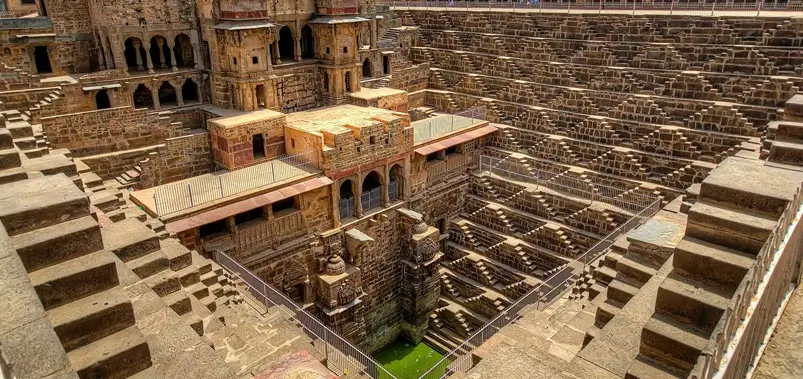
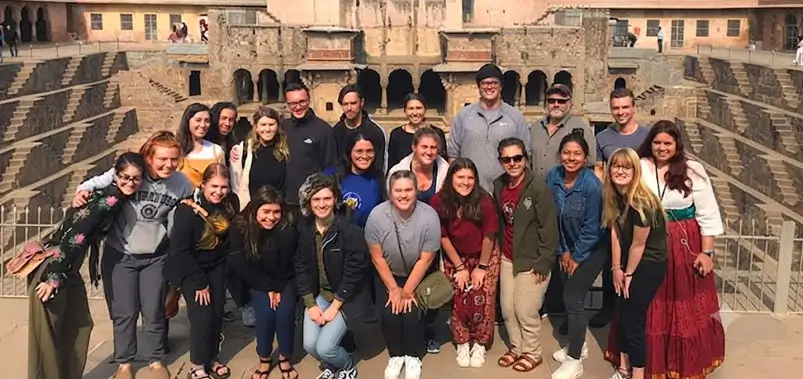
After Fatehpur Sikri, the most impressive stop between Agra and Jaipur is undoubtedly Chand Baori, located in the village of Abhaneri.
Many foreign tourists have never heard of Chand Baori before arriving in India, yet countless visitors leave wondering why it is not as famous as some of the country's better known attractions.
Built more than a thousand years ago, Chand Baori is one of the largest and deepest stepwells in India. The structure descends approximately 13 stories deep and contains around 3,500 perfectly symmetrical steps arranged in a geometric pattern that appears almost surreal when viewed from above.
The first glimpse often surprises travelers. From the entrance, the stepwell suddenly opens into a vast architectural space filled with repeating staircases that create one of the most photogenic scenes in Rajasthan.
The purpose of the stepwell was practical. Before modern water systems existed, communities relied on structures like this to collect and store water throughout the year. Chand Baori transformed that necessity into an extraordinary work of architecture.
Today, photographers, architects, historians, and travelers from around the world visit Abhaneri specifically to see the stepwell.
Timings
Generally open:
8:00 AM to 6:00 PM
Entry Fee
Currently:
Free Entry for most visitors (subject to future government changes).
Time Required
Most travelers spend:
30 to 60 minutes
exploring and photographing the site.
Morning and late afternoon provide the best lighting for photography.
One interesting fact is that several international films and documentaries have featured Chand Baori because of its unique appearance.
For many travelers, Chand Baori becomes the most unexpected highlight of the entire Agra–Jaipur journey.
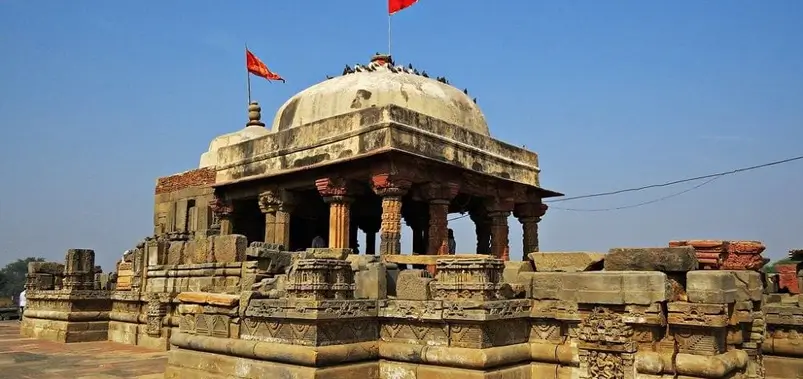
Many tourists focus entirely on the stepwell and accidentally overlook the neighboring Harshat Mata Temple.
Although partially ruined, the temple remains historically significant and adds important context to the area.
Dedicated to the Goddess of Joy and Happiness, the temple once formed part of a larger religious complex connected to Chand Baori.
Visitors interested in architecture often notice the detailed stone carvings that survive despite centuries of weathering and historical changes.
The temple also provides insight into how water systems, religious life, and community activities were interconnected in ancient India.
Unlike major tourist attractions, the site remains relatively quiet. Visitors can often explore without crowds, creating a much more personal experience.
The combination of Chand Baori and Harshat Mata Temple makes Abhaneri one of the most rewarding cultural stops in Rajasthan.
Many experienced guides recommend spending time at both locations rather than rushing through the stepwell alone.
.webp)
Nature lovers may wish to include a stop at Keoladeo National Park, often called Bharatpur Bird Sanctuary.
Located slightly off the main Agra–Jaipur route, the sanctuary is a UNESCO World Heritage Site and one of the world's most important bird habitats.
Unlike tiger reserves or large safari parks, Keoladeo offers a quieter and more intimate wildlife experience.
Depending on the season, visitors may observe:
The best months for birdwatching are generally:
November to February
when migratory species arrive from various parts of the world.
Entry Fee (Approximate)
Foreign visitors:
₹500–₹700 per person
Indian visitors:
₹100–₹150 per person
Additional charges may apply for guides, bicycles, or cycle rickshaw safaris.
Time Required
Allow:
2 to 4 hours
for a rewarding visit.
Bird photographers often spend much longer.
While not every traveler includes Bharatpur in the itinerary, those interested in wildlife frequently consider it one of the best nature experiences in North India.
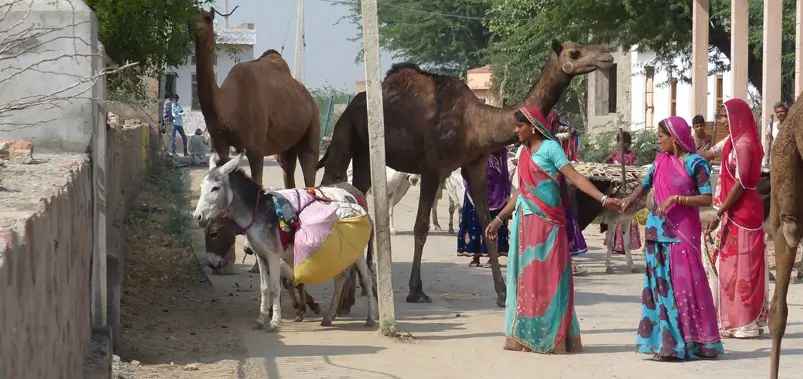
One of the most enjoyable aspects of the Agra–Jaipur drive is watching the landscape gradually change.
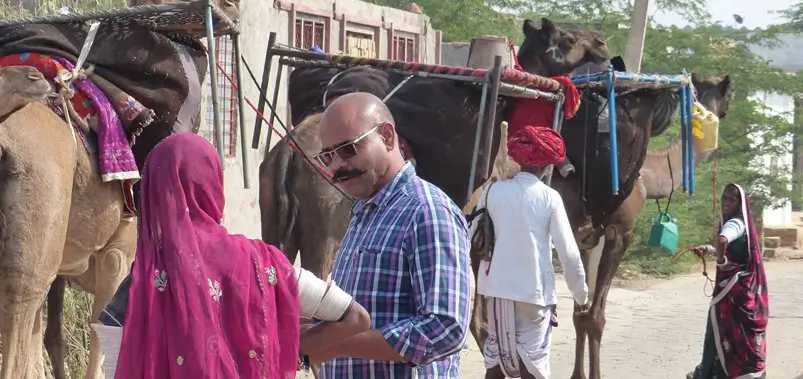
As you move closer to Rajasthan, villages begin to look different. Architecture changes, clothing styles become more colorful, and the environment starts reflecting the state's unique identity.
Many travelers are surprised by how much they enjoy simply observing the countryside.
Scenes commonly include:
These moments often provide some of the most authentic insights into daily life.
Travelers using private drivers can occasionally stop briefly in safe locations for photography or refreshments.
Such experiences are rarely listed in guidebooks, yet they frequently become memorable parts of the journey.
The transition from Uttar Pradesh to Rajasthan feels like entering a new cultural world.
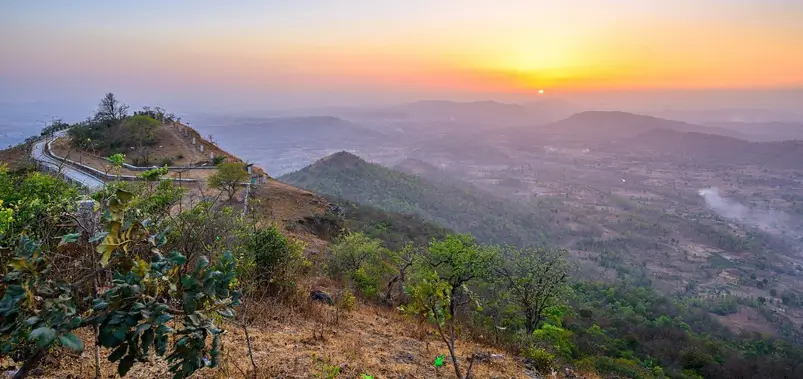
Photographers should strongly consider treating this route as a dedicated photography day.
The best locations include:
Fatehpur Sikri
Perfect for:
Buland Darwaza
Ideal for:
Chand Baori
One of India's most photographed stepwells.
Best for:
Rural Rajasthan
Excellent for:
Sunset Near Jaipur
As travelers approach Jaipur, the changing light often creates beautiful landscapes and atmospheric road scenes.
Photographers frequently find this route more rewarding than expected because of the diversity of subjects available.
A successful road trip also requires good food stops.
Popular options include:
Brij Bhoj Restaurant
Known for:
The Grand Mehfil
Popular with:
Highway Resort Restaurants Near Dausa
Several organized highway properties near Dausa offer:
Travelers generally spend:
₹300–₹1,500 per person
depending on restaurant category and meal selection.
Perfect One Day Agra to Jaipur Sightseeing Itinerary
8:00 AM
Depart Agra.
9:00 AM – 11:00 AM
Explore Fatehpur Sikri.
11:15 AM – 12:00 PM
Visit Buland Darwaza and surrounding areas.
12:00 PM – 1:00 PM
Lunch stop.
2:00 PM – 3:00 PM
Visit Chand Baori and Harshat Mata Temple.
3:15 PM – 4:00 PM
Tea break and photography stop.
5:30 PM – 6:00 PM
Arrive in Jaipur.
This itinerary balances sightseeing with comfortable travel and works particularly well for Golden Triangle visitors.
Approximate Travel Costs
Typical expenses may include:
Private Car and Driver
Guide Services
Meals
Entry Fees
Luxury travelers may spend significantly more, while budget travelers can reduce costs through shared transportation.

We promise you a holiday where everything is taken care of from the moment you land. Trusted drivers waiting for you, handpicked hotels that fit your style, personalized itineraries designed just for your family, and a dedicated team on call 24/7. All you need to do is relax, explore, and create unforgettable memories, while we take care of every detail behind the scenes.
Because attractions such as Fatehpur Sikri and Chand Baori are world-class historical sites. Treating the day as a sightseeing experience rather than a transfer day adds significant value to the overall journey and creates some of the most memorable moments of the Golden Triangle Tour.
Comfortable clothing, walking shoes, sunglasses, sunscreen, and a hat are recommended, particularly during warmer months.
Yes. The Agra–Jaipur route is heavily used by domestic and international travelers and is a standard part of Golden Triangle itineraries.
Yes. Licensed guides are usually available near the entrance.
Around 8:00 AM is ideal because it allows sufficient time for sightseeing before reaching Jaipur.
For birdwatchers, photographers, and nature enthusiasts, definitely. It is one of India's premier bird sanctuaries.
Yes. In fact, this is the most popular sightseeing combination between Agra and Jaipur.
At present, yes. Entry is generally free, although policies can change in the future.
Most visitors spend 30–60 minutes, although photographers often remain longer.
Absolutely. It is one of the most important historical sites in India and is widely considered the best stop on the route.