For millions of travellers, Agra is the city of the Taj Mahal, magnificent Mughal architecture, and centuries of fascinating history. However, beyond its world famous monuments lies another side of the city that deserves equal attention—its vibrant and flavour packed street food culture. Walking through Agra's bustling markets, historic neighbourhoods, and lively bazaars introduces visitors to aromas of freshly baked bread, sizzling snacks, fragrant spices, creamy desserts, and sweet delicacies that have delighted locals for generations.
Street food in Agra reflects the city's rich cultural heritage. During the Mughal era, royal kitchens developed elaborate recipes using aromatic spices, dry fruits, saffron, and slow cooking techniques. Over time, these royal influences blended with traditional North Indian cooking, creating a unique culinary identity that can still be experienced today. While luxurious Mughlai restaurants continue to serve refined royal dishes, Agra's streets offer equally memorable flavours at surprisingly affordable prices.
For first time international visitors, trying street food may feel both exciting and slightly intimidating. Questions about hygiene, spice levels, vegetarian options, payment methods, and food safety are common. Fortunately, Agra has many well established food vendors that have earned loyal customers over decades through consistently fresh ingredients and excellent preparation. Choosing busy stalls with a high customer turnover is often one of the simplest ways to enjoy authentic local food safely.
One of the greatest pleasures of eating in Agra is the variety available within a relatively small area. You can begin the day with freshly prepared Bedai and Aloo Sabzi, enjoy crispy Samosas or spicy Kachori during the afternoon, cool down with creamy Lassi, savour smoky Tandoori snacks in the evening, and finish the night with Agra's famous Petha, a sweet that has become synonymous with the city itself.
Street food is also remarkably affordable. Most popular snacks cost between ₹30 and ₹150, allowing travellers to sample a wide range of local specialities without spending much. Even if you choose several dishes from different vendors throughout the day, the total cost is often less than a single meal at a fine dining restaurant.
Exploring Agra through its food also provides an opportunity to interact with local residents. Vendors are usually happy to explain their dishes, recommend favourites, and even adjust spice levels for international visitors. These conversations often become some of the most memorable moments of a trip, offering genuine insight into the city's everyday life.
This comprehensive guide introduces the best street food in Agra for first time visitors, where to find it, how much it typically costs, practical hygiene advice, and essential tips to help you enjoy one of India's most rewarding culinary destinations with confidence.
Many visitors focus entirely on sightseeing and overlook one of Agra's greatest cultural experiences—its food.
Street food offers far more than a quick snack. It represents generations of culinary tradition, family recipes, and regional flavours that have evolved over centuries.
Reasons to explore Agra's street food include:
Unlike international restaurant chains, these family run stalls preserve recipes that have often remained unchanged for decades.
One of the first questions international travellers ask is whether street food is safe.
The answer is yes—provided you choose wisely.
The safest approach is to eat from vendors who:
Avoid food that has been sitting uncovered for long periods.
Also remember these simple precautions:
Following these basic guidelines allows most travellers to enjoy Agra's street food without problems.
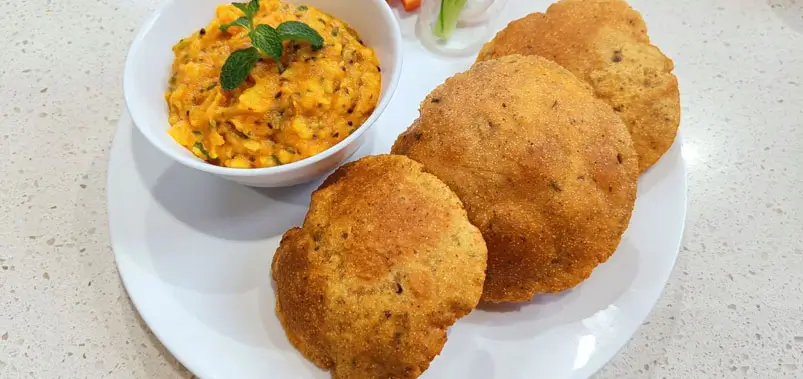
No street food journey in Agra should begin without trying Bedai.
Often considered the city's signature breakfast, Bedai consists of deep fried bread made from wheat flour and lentils, served with a rich, spicy potato curry known as Aloo Sabzi.
The combination is filling, flavourful, and enjoyed by locals every morning.
Typical accompaniments include:
Between:
7:00 AM and 10:00 AM
Many popular stalls sell out before midday.
₹40–₹80 per plate

No visit to Agra is complete without tasting Petha, the city's most iconic sweet.
Made from ash gourd (winter melon), sugar, and natural flavourings, Petha has been associated with Agra for centuries.
Today, visitors can find dozens of varieties.
Popular flavours include:
Many travellers also purchase beautifully packaged boxes to take home as gifts.
₹250–₹600 per kilogram, depending on the variety and quality.
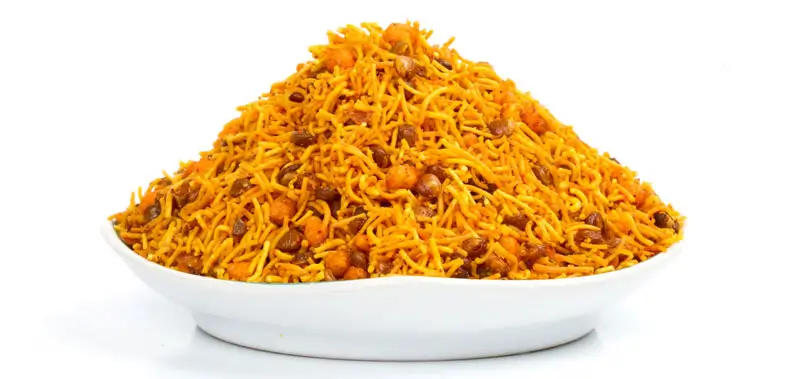
While Petha satisfies a sweet craving, Dalmoth offers the perfect savoury balance.
This crunchy snack is made from fried lentils, nuts, spices, and crispy sev.
Its spicy, salty flavour makes it popular throughout North India.
Many travellers buy sealed packets to enjoy during long road journeys or flights.
₹120–₹350 per kilogram

India's famous Chaat reaches another level in Agra.
The city's vendors combine crispy textures, spicy potatoes, yoghurt, chutneys, herbs, and aromatic spices to create unforgettable snacks.
Popular varieties include:
Every bite combines sweet, spicy, tangy, crunchy, and creamy flavours simultaneously.
₹50–₹120 per plate
.webp)
Few Indian snacks are as universally loved as Samosas and Kachoris.
Freshly fried throughout the day, these crispy pastries are filled with:
Served alongside mint chutney and tamarind sauce, they make an excellent afternoon snack while exploring Agra's markets.
₹20–₹50 each
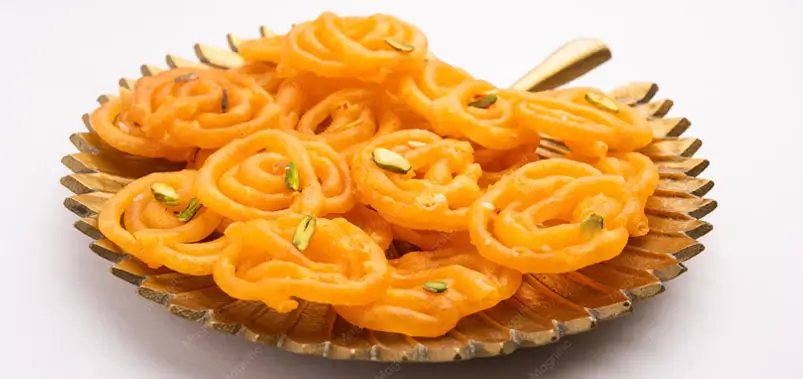
One of the most irresistible sights in Agra's food markets is a large iron pan filled with bubbling syrup, where freshly prepared Jalebis are cooked before your eyes.
Made by piping fermented batter into hot oil and then dipping the crisp spirals into sugar syrup, Jalebi is crunchy on the outside and wonderfully juicy inside.
Although many travellers think of it as a dessert, locals often enjoy Jalebi as part of breakfast alongside Bedai or Kachori.
Fresh Jalebis taste best when served immediately after cooking.
₹40–₹100 per serving

After sampling Agra's spicy snacks, nothing feels more refreshing than a chilled glass of Lassi.
Prepared using thick yoghurt, sugar, and traditional flavourings, Lassi helps balance spicy flavours while keeping travellers cool during warmer months.
Popular varieties include:
Some shops serve Lassi in traditional clay cups, adding a unique local touch while keeping the drink naturally cool.
₹60–₹150 per glass
.webp)
For visitors with a sweet tooth, Rabri is one of Agra's richest and most satisfying desserts.
It is prepared by slowly simmering milk for several hours until it thickens into a creamy consistency, then flavoured with cardamom, saffron, pistachios, and almonds.
The slow cooking process reflects the influence of Mughal cuisine, where patience and careful preparation were central to creating luxurious desserts.
Rabri is commonly served:
₹80–₹200 per serving
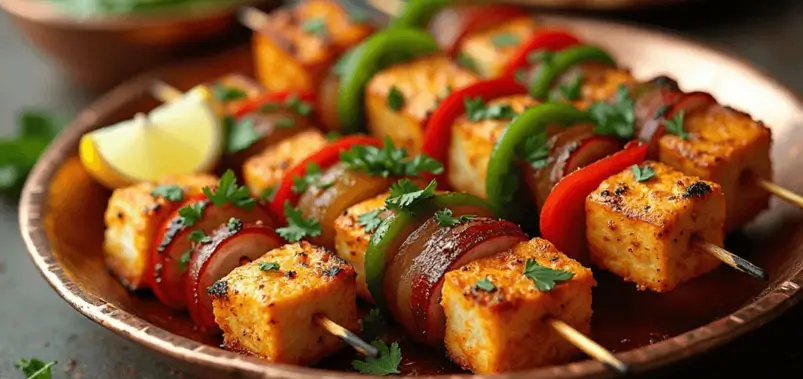
Agra's evenings come alive with the aroma of charcoal grills preparing freshly marinated Paneer Tikka and other tandoori specialities.
Vegetarian travellers, in particular, will appreciate the variety of options available.
Popular grilled dishes include:
Prepared over traditional clay ovens (tandoors), these dishes are smoky, flavourful, and often served with mint chutney and onions.
₹120–₹300 per plate
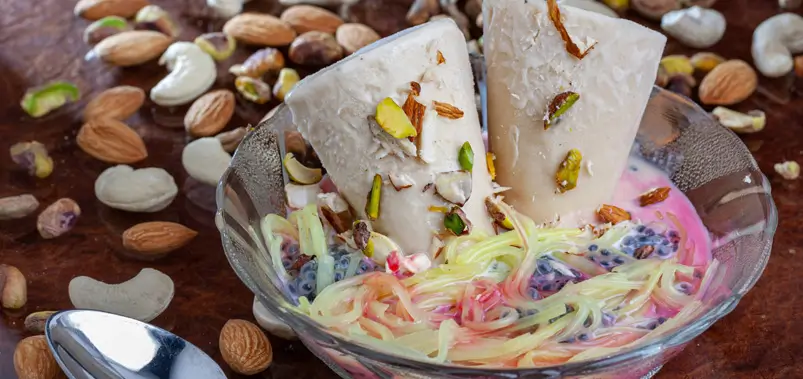
No food walk through Agra is complete without ending with a serving of Kulfi.
Unlike regular ice cream, Kulfi is denser, creamier, and made by slowly reducing milk before freezing it.
Common flavours include:
Kulfi provides a refreshing finish after an evening of exploring Agra's bustling markets.
₹40–₹120
While delicious food is available throughout the city, several markets have earned an excellent reputation among both locals and tourists.
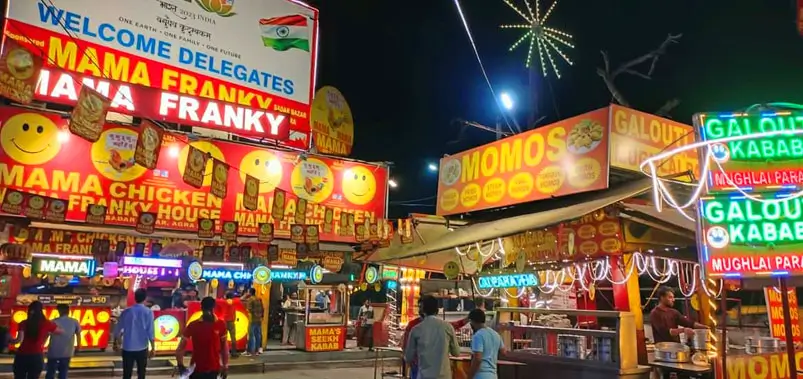
Perhaps the most famous evening food destination in Agra, Sadar Bazaar offers an exciting mix of street food, shopping, cafés, and dessert shops.
Popular foods include:
The lively atmosphere makes it an ideal place to spend an evening after visiting the Taj Mahal or Agra Fort.
A favourite among local residents, Raja Ki Mandi is known for traditional breakfast dishes and authentic North Indian snacks.
Visitors can find:
Prices here remain very reasonable, making it an excellent choice for travellers wanting an authentic local experience.
Located in the historic part of Agra, Kinari Bazaar combines shopping with excellent street food.
While browsing traditional handicrafts and textiles, visitors can also enjoy:
Its narrow lanes provide an authentic glimpse into everyday life in the old city.
|
Dish |
Approximate Price |
|---|---|
|
Bedai & Aloo Sabzi |
₹40–₹80 |
|
Samosa |
₹20–₹50 |
|
Kachori |
₹25–₹50 |
|
Chaat |
₹50–₹120 |
|
Jalebi |
₹40–₹100 |
|
Lassi |
₹60–₹150 |
|
Rabri |
₹80–₹200 |
|
Paneer Tikka |
₹120–₹300 |
|
Kulfi |
₹40–₹120 |
|
Petha |
₹250–₹600/kg |
A full day of tasting multiple dishes can easily cost between ₹500 and ₹1,000 per person, making Agra one of the most affordable culinary destinations in India.
To enjoy Agra's food culture respectfully, keep a few local customs in mind.
Most vendors are friendly and happy to recommend their best dishes, especially when they know you're visiting Agra for the first time.
A busy stall with constant customer turnover usually indicates fresh food and local popularity.
Always choose bottled or purified water while exploring the city.
Agra offers dozens of delicious dishes. Ordering small portions allows you to try a greater variety.
Many visitors head straight to lunch, missing traditional morning favourites such as Bedai, Aloo Sabzi, and freshly made Jalebi.
Purchase Petha from established sweet shops with a good reputation to ensure freshness and quality.

We promise you a holiday where everything is taken care of from the moment you land. Trusted drivers waiting for you, handpicked hotels that fit your style, personalized itineraries designed just for your family, and a dedicated team on call 24/7. All you need to do is relax, explore, and create unforgettable memories, while we take care of every detail behind the scenes.
While Petha is the city's signature sweet, Rabri, Jalebi, and Kulfi are equally popular and well worth trying.
Many larger shops and some vendors accept UPI or digital payments, but carrying some cash is still recommended for smaller stalls.
A generous budget of ₹500–₹1,000 per person is usually enough to sample several dishes throughout the day.
Sadar Bazaar is widely considered the best destination for evening street food and local shopping.
Many dishes are moderately spicy, but vendors can often reduce the chilli level if requested.
Reputable sweet shops across Agra, particularly those specialising in traditional Petha, offer the best quality and a wide variety of flavours.
Absolutely. Most of the city's famous street foods, including Chaat, Kachori, Paneer Tikka, Lassi, and Petha, are vegetarian.
A traditional breakfast of Bedai, Aloo Sabzi, and freshly prepared Jalebi is highly recommended.
Yes, provided you choose clean, busy stalls where food is prepared fresh and served hot.
Petha, Bedai with Aloo Sabzi, Chaat, and Dalmoth are among Agra's most iconic local specialities.