Golden Triangle Tour for Large Groups: Coach, Hotels & Group Package Pricing
14 Sep 2026

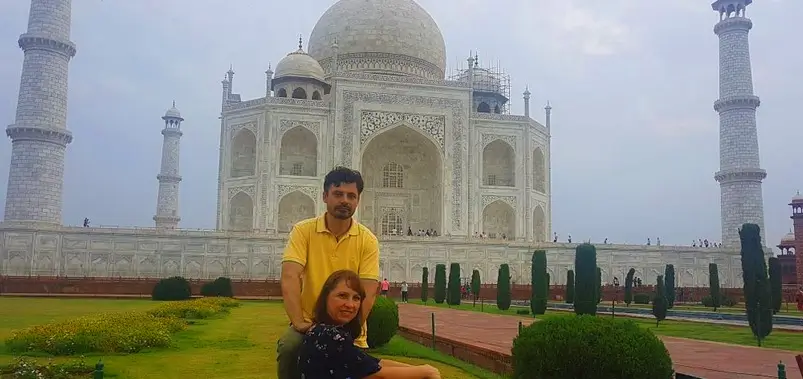
The Taj Mahal is one of the most photographed monuments in the world, yet capturing an image that truly reflects its beauty is far more challenging than many travelers expect. Every day, thousands of visitors stand at the same famous viewpoint, take nearly identical photographs, and leave believing they have seen every angle the monument has to offer. In reality, the Taj Mahal reveals a completely different personality as you move through its gardens, marble platforms, riverside viewpoints, and surrounding landscapes.
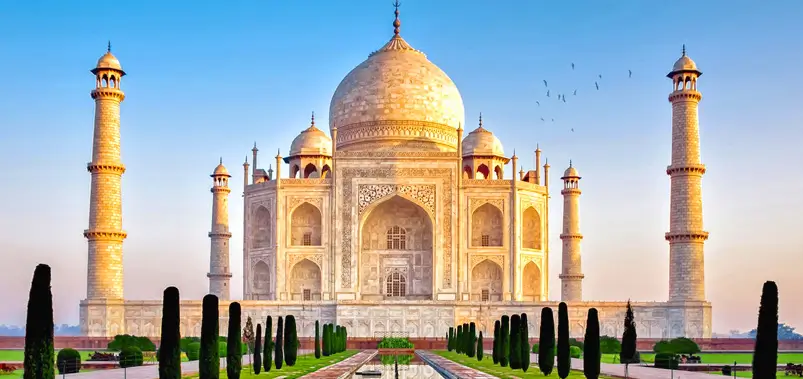
Photography here is not simply about pointing a camera at a famous building. The monument changes continuously with the movement of the sun, the season, weather conditions, and even the number of visitors inside the complex. During sunrise, the marble reflects delicate silver and pale golden tones. By evening, it takes on warmer shades of cream, peach, and soft pink. A slight change in your position can completely transform the composition, replacing crowded pathways with elegant garden framing or dramatic reflections.
Whether you are travelling with a smartphone, DSLR, mirrorless camera, or even a compact travel camera, understanding where to stand and when to photograph makes a remarkable difference. Many of the most memorable images are not taken from the busiest locations but from quieter corners that experienced photographers deliberately seek out.
The good news is that you do not need expensive equipment to create beautiful photographs. Timing, composition, patience, and knowledge of the monument are often far more important than owning the latest camera. Visitors carrying modern smartphones can capture extraordinary images simply by arriving early, choosing the right background, and using natural light effectively.
This guide covers the best photography spots inside the Taj Mahal, lesserknown viewpoints, recommended camera settings, ideal visiting times, photography etiquette, security regulations, and practical advice for photographers of every skill level. Whether your goal is a professional portfolio, honeymoon photographs, travel memories, or social media content, these tips will help you return home with images that truly capture the elegance of one of the world's greatest architectural masterpieces.
Before discussing camera settings or photography locations, it is important to understand one simple truth: light determines almost everything.
The white Makrana marble used to build the Taj Mahal reacts differently throughout the day, constantly changing colour and texture as sunlight moves across its surface. Visiting at the wrong time can produce harsh shadows, bright highlights, and crowded backgrounds. Choosing the right time transforms the same monument into an entirely different photographic subject.
For most professional photographers, sunrise remains the finest time to photograph the Taj Mahal.
Arriving 30–45 minutes before the gates open allows you to enter among the first visitors. During the first hour after sunrise, the monument is illuminated by soft, evenly balanced light that highlights delicate marble carvings without creating harsh contrast.
The central reflection pool remains relatively undisturbed during this period, making it easier to capture symmetrical images with clear reflections.
Morning advantages include:
The marble itself displays gentle shades of silver, ivory, and pale gold before gradually becoming brighter as the sun rises.
By late morning, sunlight becomes much stronger.
Although architectural details remain clearly visible, overhead light creates stronger shadows beneath arches, balconies, and decorative carvings.
Visitor numbers also increase significantly after 8:30 AM, making photography around the central garden considerably more difficult.
If you must photograph during midday:
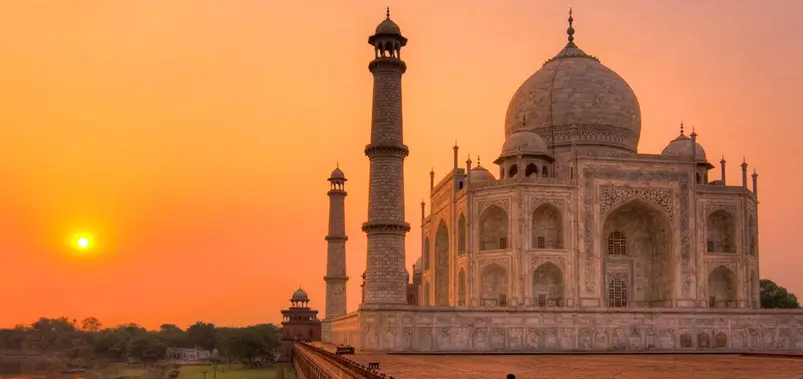
Late afternoon creates an entirely different mood.
Instead of cool morning tones, the marble reflects warm shades of cream, peach, pale orange, and light pink.
Sunset photography works particularly well for:
Crowds remain heavier than sunrise, but patient photographers can still create beautiful compositions by moving away from the busiest viewpoints.
|
Time |
Lighting |
Photography Rating |
|---|---|---|
|
Sunrise – 7:00 AM |
Soft, balanced |
★★★★★ |
|
7:00 – 9:00 AM |
Bright but pleasant |
★★★★☆ |
|
9:00 AM – 3:30 PM |
Strong sunlight |
★★★☆☆ |
|
Last 90 Minutes Before Sunset |
Warm golden light |
★★★★☆ |
For photographers with complete flexibility, sunrise offers the highest percentage of successful images.
No visit to the Taj Mahal feels complete without capturing the famous reflection photograph along the central water channel.
This iconic viewpoint appears in guidebooks, documentaries, travel magazines, and postcards because it perfectly demonstrates the extraordinary symmetry of Mughal architecture.
The reflecting pool extends directly from the main entrance toward the Taj Mahal, dividing the gardens into equal sections while guiding the viewer's eye toward the white marble mausoleum.
Although the composition appears simple, creating a clean photograph requires careful planning.
By far the biggest challenge is crowd management.
After approximately 8:00 AM, dozens of visitors gather along the central pathway, making uninterrupted photographs increasingly difficult.
Photographers entering shortly after sunrise usually have enough time to capture several compositions before larger groups arrive.
Rather than photographing from eye level, lowering the camera slightly allows more of the reflection to appear in the foreground.
This technique strengthens the symmetry that defines the composition.
Instead of taking photographs continuously while people walk through the frame, wait for brief moments when pathways temporarily clear.
Even during busy mornings, small gaps appear every few seconds.
The rows of carefully planted cypress trees create elegant leading lines directing attention toward the central dome.
Including these trees adds depth while reinforcing the monument's symmetrical design.
For DSLR and mirrorless cameras:
For smartphones:
Because the reflecting pool is one of the busiest locations inside the complex, it is often worth returning briefly before leaving the monument. Changing light conditions may produce an entirely different atmosphere compared with your first photographs earlier in the morning.
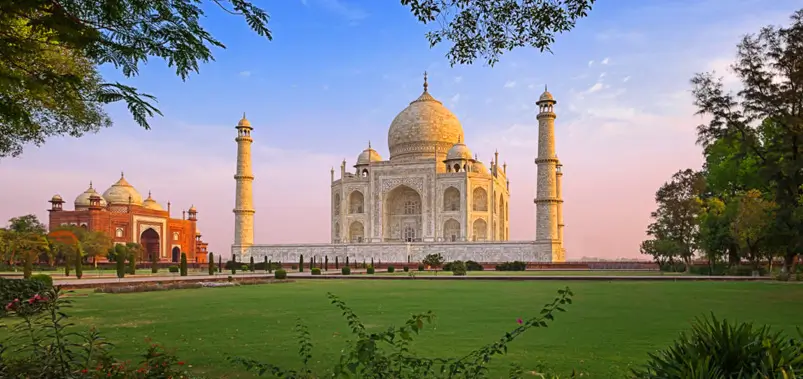
While nearly every visitor concentrates on the central pathway, experienced photographers often spend more time exploring quieter corners of the monument.
These locations provide unique compositions that immediately stand out from standard tourist photographs.
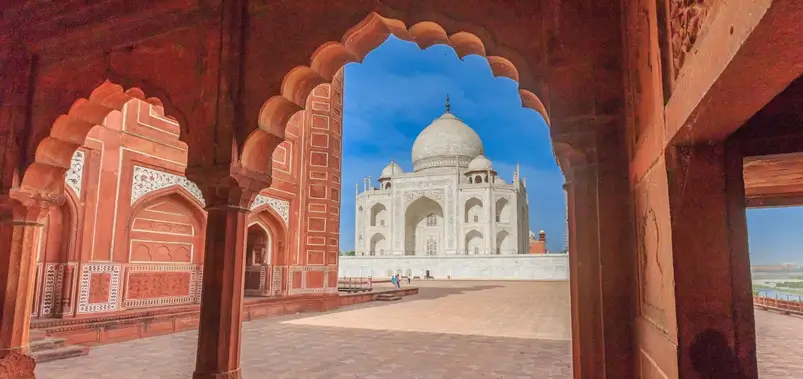
Located on the western side of the Taj Mahal complex, the red sandstone mosque provides a striking contrast against the white marble mausoleum.
Photographing through the mosque's arches naturally frames the Taj Mahal while adding depth and colour to the composition.
Morning light illuminates both structures beautifully, creating one of the most balanced photographs inside the complex.
The eastern guest house mirrors the mosque architecturally but usually attracts fewer visitors.
Its elegant arches create another excellent framing opportunity while avoiding the heavier crowds often found on the western side.
Standing on the marble platform surrounding the mausoleum allows photographers to capture intricate details often missed from the gardens.
Close-up opportunities include:
Using a moderate telephoto lens highlights these architectural features while isolating them from surrounding visitors.
Many visitors never leave the central pathway.
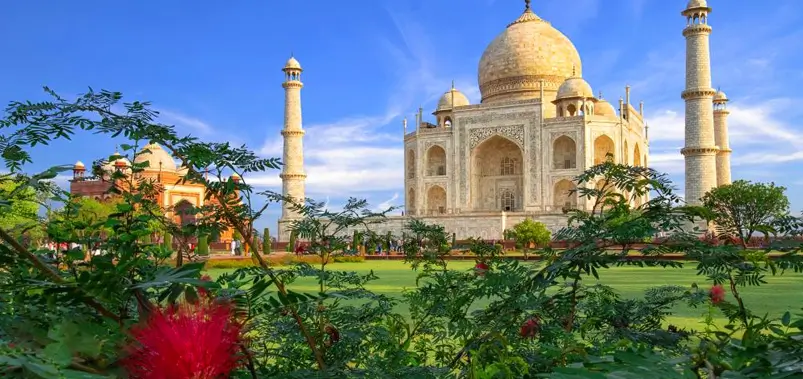
Walking along the quieter garden paths reveals attractive compositions where trees, fountains, and flowering plants naturally frame the monument.
These viewpoints are particularly useful for travel portraits because backgrounds remain less crowded.
Most visitors spend their entire photography session inside the Taj Mahal complex, unaware that some of the most distinctive photographs are actually taken from outside the monument. These locations offer unique perspectives that are impossible to capture from the central gardens and are popular with professional photographers looking for more creative compositions.
The best known alternative viewpoint is Mehtab Bagh, located across the Yamuna River. Unlike the close-up views inside the Taj Mahal complex, Mehtab Bagh allows photographers to capture the entire monument within a single frame.
The best time to photograph from here is approximately 60–90 minutes before sunset. As the evening light softens, the marble gradually changes from bright white to warm ivory and pale peach, creating elegant landscape photographs.
Unlike the crowded pathways inside the Taj Mahal, Mehtab Bagh provides much more space to compose images without visitors constantly walking through the frame.
Best photographs from Mehtab Bagh include:
Another remarkable location is Musamman Burj inside Agra Fort.
This marble pavilion is historically famous because Emperor Shah Jahan is believed to have spent his final years here while imprisoned by his son Aurangzeb.
From the balcony, visitors enjoy one of Agra's most historic viewpoints overlooking the Taj Mahal across the Yamuna River.
Using a moderate telephoto lens (around 70–200 mm) compresses the distance and produces beautiful photographs framed by elegant Mughal arches.
One of Agra's lesser known attractions is the Taj Nature Walk, located near the eastern side of the monument.
The park contains several elevated viewing platforms where photographers can capture the Taj Mahal rising above surrounding greenery. These photographs feel very different from the classic symmetrical compositions taken inside the complex.
Since relatively few tourists visit the park, photographers often enjoy a peaceful atmosphere while experimenting with creative angles.
Many travellers assume they need expensive equipment to photograph the Taj Mahal successfully. In reality, understanding a few basic camera settings often makes a much greater difference than upgrading to a more expensive camera.
For wide architectural photographs:
|
Setting |
Recommendation |
|---|---|
|
Aperture |
f/8 – f/11 |
|
ISO |
100 |
|
Shutter Speed |
Automatic or adjusted for lighting |
|
Lens |
24–70 mm |
These settings provide sharp detail across the entire monument while maintaining excellent image quality.
For portraits:
This creates a softly blurred background while keeping the person sharply in focus.
For architectural details:
A telephoto lens between 70–200 mm works well for capturing:
Modern smartphones are capable of producing outstanding travel photographs.
To improve results:
Cleaning the camera lens before entering the monument is one of the simplest ways to improve image sharpness.
The Taj Mahal is not only an architectural masterpiece—it is also one of the world's most popular portrait locations.
Couples, families, solo travellers, and honeymoon visitors all hope to capture memorable photographs, yet many end up with crowded backgrounds or awkward compositions.
A few simple techniques make a dramatic difference.
Rather than standing with the sun directly behind you, position yourself so soft morning or evening light falls gently across your face.
This produces natural skin tones and avoids deep shadows.
The famous central platform attracts almost every visitor.
Moving just a few metres toward the side gardens often creates cleaner backgrounds while still keeping the Taj Mahal perfectly visible.
Instead of filling the frame entirely with the monument, include fountains, cypress trees, marble pathways, or garden flowers.
These elements provide context and create a stronger sense of place.
The Taj Mahal is famous for its perfect symmetry.
Standing directly along the central axis creates balanced portraits where the monument appears precisely centred behind the subject.
Professional photographers are available near the monument.
Approximate charges:
|
Service |
Approximate Cost |
|---|---|
|
Basic Session |
₹1,500–₹2,500 |
|
Premium Session |
₹3,000–₹6,000+ |
Packages usually include edited digital photographs delivered after the session.
Before arriving, photographers should understand the monument's regulations.
Generally permitted:
Generally restricted or prohibited:
All bags pass through security screening.
Travelling with minimal equipment helps reduce waiting time.
Visitors should also remember that the Taj Mahal is an active heritage site rather than a photography studio.
Good photography etiquette includes:
Even experienced travellers sometimes make avoidable mistakes.
The most common error is reaching the monument after large tour groups have already entered.
Early arrival remains the easiest way to improve photographs.
Many visitors leave without exploring the side gardens, marble platform, mosque, and guest house.
These quieter areas often produce more distinctive compositions.
Clouds, mist, and seasonal light all influence the appearance of the marble.
Checking the weather forecast before your visit helps you prepare appropriate equipment and expectations.
The Taj Mahal is naturally beautiful.
Heavy saturation and unrealistic colour filters often reduce the elegance of the monument.
Subtle editing usually produces more timeless photographs.
Some visitors spend their entire visit looking through a camera viewfinder.
Taking time to simply admire the monument often leads to better creative decisions and a more meaningful experience.
Post Date : 📅 27 Jul 2026
We promise you a holiday where everything is taken care of from the moment you land. Trusted drivers waiting for you, handpicked hotels that fit your style, personalized itineraries designed just for your family, and a dedicated team on call 24/7. All you need to do is relax, explore, and create unforgettable memories, while we take care of every detail behind the scenes.
Arrive before sunrise, travel light, explore beyond the central pathway, and be patient. The most memorable photographs often come from quieter corners rather than the busiest viewpoints.
Yes. Musamman Burj inside Agra Fort provides one of the most historic viewpoints overlooking the Taj Mahal.
Photography enthusiasts should allow 3–4 hours, while casual visitors generally spend 2–3 hours inside the monument.
Yes. Professional photographers are available near the entrance and can also be arranged through hotels or private tour operators.
A 24–70 mm lens is ideal for general photography, while a 70–200 mm lens works well for architectural details.
Tripods are generally not permitted without prior permission.
Yes. Mehtab Bagh offers panoramic sunset views across the Yamuna River and is one of Agra's finest photography locations.
Absolutely. Modern smartphones produce excellent results when used during good lighting conditions.
Yes, but commercial shoots requiring special equipment or permissions should follow Archaeological Survey of India regulations.
Sunrise generally provides the softest light, the fewest crowds, and the best overall photography conditions.