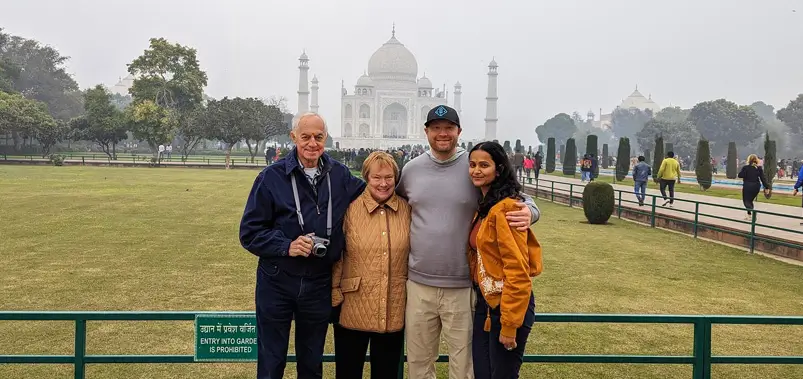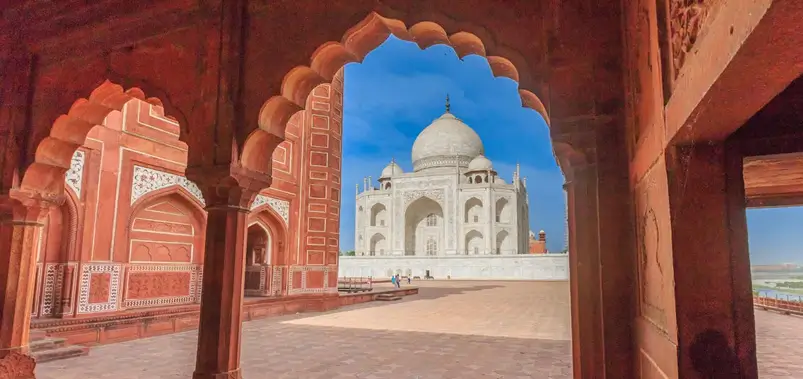
Few travel moments feel more disappointing than arriving in Agra and discovering that the Taj Mahal is temporarily closed. For many international travelers visiting India, seeing the Taj Mahal represents the emotional centerpiece of their entire journey. Travelers flying from the United States, Europe, Australia, and the Middle East often spend months planning their Golden Triangle India Tour, carefully selecting hotels, private drivers, luxury experiences, and photography opportunities around this iconic monument.
Fortunately, a temporary closure does not mean the entire Agra experience is ruined. Smart planning, flexible itineraries, luxury travel support, and local knowledge can still transform the day into a memorable and rewarding part of the journey. Agra offers far more than only the Taj Mahal, and experienced India tour operators regularly handle schedule adjustments professionally when monument closures occur.
The Taj Mahal officially remains closed every Friday for regular tourist visits because the mosque inside the complex remains active for prayers. In addition, occasional closures or partial restrictions may happen because of VIP visits, weather conditions, security situations, pollution control measures, maintenance work, or national events. Travelers who are unaware of these possibilities sometimes panic unnecessarily after hearing rumors from drivers, guides, or social media posts.
Luxury travelers usually experience fewer problems because premium tour operators build flexibility into itineraries and quickly adjust sightseeing schedules when required. Independent travelers can also manage the situation successfully with practical information and calm decision-making.
One of the biggest mistakes tourists make is assuming Agra becomes pointless without direct Taj Mahal entry. In reality, the city still offers extraordinary Mughal architecture, luxury hotels, riverfront views, cultural experiences, artisan workshops, fine dining, and photography opportunities connected closely to the Taj Mahal’s history and atmosphere.
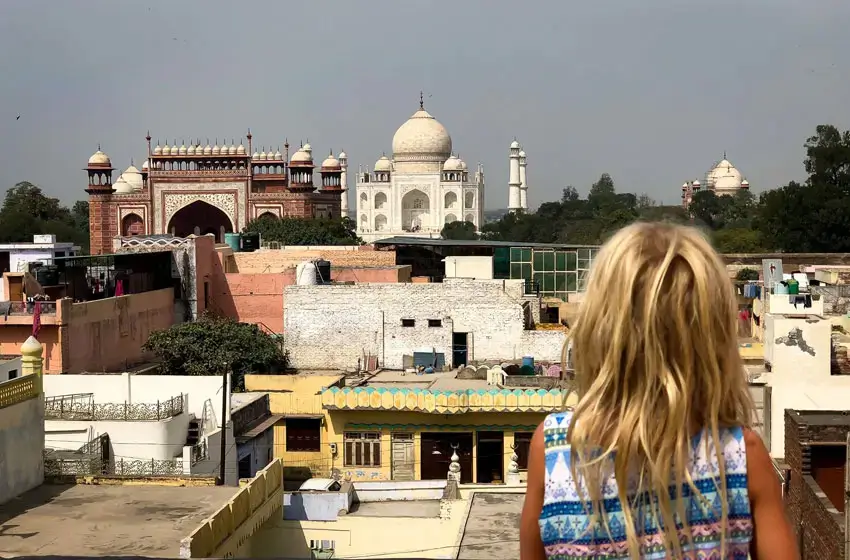
Many travelers also forget that viewing the Taj Mahal from outside the complex can still be highly rewarding. Several locations across Agra offer panoramic monument views without requiring entry inside the main gates.
The key is understanding available alternatives instead of reacting emotionally to unexpected schedule changes. India travel often rewards flexibility, patience, and adaptive planning rather than rigid expectations.
For travelers on a private Golden Triangle tour, temporary Taj Mahal closure situations can usually be handled smoothly through itinerary changes, overnight adjustments, or alternative sightseeing arrangements.
Even if direct entry becomes impossible for a day, Agra still offers enough historical depth and cultural richness to create a meaningful travel experience.
Understanding why the Taj Mahal closes occasionally helps travelers avoid unnecessary panic or confusion. The most important thing visitors should know is that Friday closure is completely normal and officially scheduled every week. Many first-time tourists accidentally book Agra sightseeing on Fridays without realizing the monument does not allow regular tourist entry that day.
The Friday closure exists because the mosque inside the Taj Mahal complex remains active for religious purposes. Local worshippers may enter for prayers, but standard tourism operations remain suspended.
Beyond Fridays, temporary restrictions occasionally occur for additional reasons. Security arrangements involving foreign leaders, political delegations, or government events may create short-term closures or restricted public access. These situations usually happen with little advance notice.
Weather conditions can also affect monument access occasionally. Heavy fog, severe storms, extreme air pollution, or dangerous environmental conditions sometimes lead authorities to limit visitor movement or temporarily suspend entry.
Maintenance and conservation work represent another important factor. The Taj Mahal requires ongoing preservation because of its delicate marble structure and enormous visitor numbers. Certain sections occasionally close for restoration or cleaning work.
Travelers should also understand that social media rumors frequently exaggerate closure situations dramatically. Hearing that “the Taj Mahal is closed” does not always mean the entire monument has become inaccessible for extended periods. Sometimes only specific gates or areas experience temporary restrictions.
Luxury tour operators usually monitor monument status actively and adjust schedules accordingly. Professional guides and drivers often receive updated local information faster than casual tourists relying only on online rumors.
Another important point is that India’s tourism system generally prioritizes reopening major attractions quickly whenever possible because the Taj Mahal represents one of the country’s most important tourism landmarks.
Travelers should avoid making impulsive itinerary changes based solely on random street advice or social media panic. Official hotel staff, verified tour operators, and trusted guides usually provide the most reliable information.
Flexible travel planning also helps significantly. Travelers with overnight Agra stays often have far more adjustment options than rushed same-day visitors traveling directly from Delhi.
Understanding that temporary monument closures are manageable travel situations rather than complete disasters helps tourists remain calm and enjoy alternative experiences available throughout Agra.
Agra contains several extraordinary historical sites beyond the Taj Mahal, and many travelers are surprised by how much the city still offers during temporary monument closures.
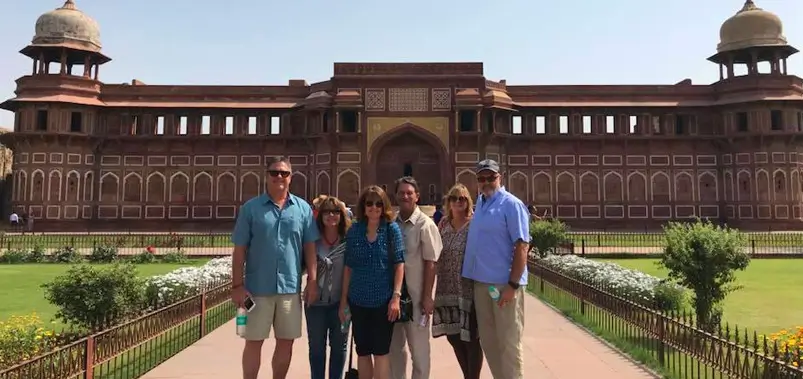
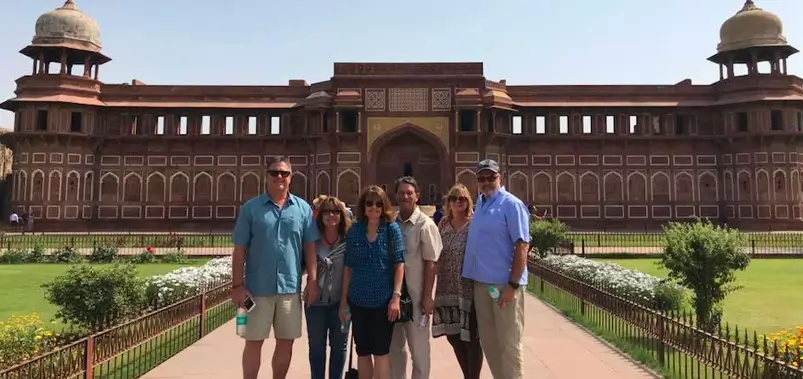
The most important alternative attraction is Agra Fort, a UNESCO World Heritage Site and one of India’s most impressive Mughal forts. Massive red sandstone walls surround royal courtyards, audience halls, mosques, gardens, and marble palaces connected directly to Mughal imperial history.
Travelers often overlook Agra Fort because they focus almost entirely on the Taj Mahal beforehand. However, the fort actually provides some of the most important historical context for understanding the Mughal Empire and Emperor Shah Jahan’s life.
Several sections of Agra Fort also offer distant views of the Taj Mahal across the Yamuna River. Guides frequently explain how Shah Jahan spent his final years imprisoned inside the fort while looking toward the monument built for Mumtaz Mahal.
Another excellent alternative is Mehtab Bagh, a peaceful Mughal garden located across the river from the Taj Mahal. The garden offers some of Agra’s most beautiful panoramic monument views without entering the main Taj Mahal complex itself.
Photographers especially love Mehtab Bagh during sunset because the monument reflects soft evening light beautifully across the river landscape. Luxury travelers often combine the garden visit with rooftop dining experiences nearby.
Itmad-ud-Daulah, often called the “Baby Taj,” represents another remarkable Mughal monument. Many architectural historians consider it an important precursor to the Taj Mahal because of its intricate marble inlay work and elegant Persian-inspired design.
Travelers interested in Mughal craftsmanship also enjoy visiting marble inlay workshops where artisans continue techniques originally developed during the Taj Mahal’s construction period. These workshops reveal extraordinary detail and skill behind the monument’s decorative artistry.
Luxury hotels in Agra also offer highly curated cultural experiences including Mughal dining, spa treatments, rooftop cocktails, photography sessions, and private heritage storytelling evenings.
Travelers extending their journey slightly may also visit Fatehpur Sikri, the abandoned Mughal capital located between Agra and Jaipur. The massive sandstone complex remains one of India’s most visually dramatic historical sites.
Agra becomes much more rewarding when travelers approach it as a broader Mughal heritage destination rather than only a single-monument stop.
Even without entering the Taj Mahal directly, the city still offers powerful historical atmosphere, architectural beauty, and meaningful cultural experiences.
Luxury travelers generally handle unexpected Taj Mahal closures more comfortably because premium travel planning includes flexibility, private transportation, and personalized itinerary management.
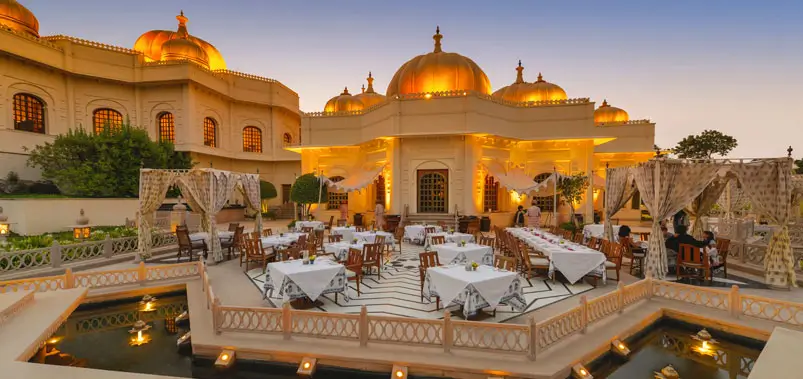
One major luxury advantage involves overnight stays. Travelers staying in luxury properties such as The Oberoi Amarvilas Agra, Taj Hotels, or premium heritage hotels can often shift monument visits to the following morning if schedules allow.
Private chauffeurs and premium tour operators usually adjust sightseeing arrangements quickly without forcing travelers into stressful rushed decisions. This flexibility becomes especially valuable during temporary closures or weather-related disruptions.
Luxury hotels near the Taj Mahal also offer extraordinary monument views even when direct entry becomes unavailable. Guests at certain premium properties can still enjoy sunrise or sunset Taj Mahal panoramas from private balconies, rooftop lounges, restaurants, or garden terraces.
Some travelers actually find these quieter visual experiences emotionally rewarding because they avoid heavy monument crowds entirely while still appreciating the Taj Mahal’s beauty.
Luxury operators may also replace canceled sightseeing hours with curated cultural experiences such as:
Travelers using organized private tours also benefit from local expertise. Experienced guides understand backup timing strategies, alternate photography locations, and nearby attractions capable of balancing itinerary disruptions smoothly.
Another important luxury advantage involves emotional pacing. Travelers on relaxed premium itineraries generally adapt much more easily than tourists attempting rushed one-day visits from Delhi.
Luxury operators also maintain better communication networks with hotels, guides, transportation teams, and monument authorities. This often allows faster updates and smarter logistical decisions.
Some travelers even choose to extend Agra stays by one night if schedules permit. Private India tours usually provide more itinerary flexibility compared with fixed group departures or rigid transportation systems.
Ultimately, luxury travel focuses heavily on comfort, adaptability, and overall emotional experience rather than rigid checklist tourism. Temporary Taj Mahal closures become much easier to manage within that style of travel planning.
Experienced luxury travelers often understand that memorable journeys sometimes emerge from unexpected changes rather than perfectly fixed schedules.
One of the biggest misconceptions travelers have is believing that a closed Taj Mahal means the monument becomes completely invisible or inaccessible visually. In reality, Agra offers several outstanding external viewing locations where travelers can still appreciate the monument’s beauty without entering the main complex itself.
The most famous external viewpoint is Mehtab Bagh, located directly across the Yamuna River. This Mughal garden creates beautiful symmetrical views of the Taj Mahal, especially during sunrise and sunset hours.
Photographers frequently prefer Mehtab Bagh because the monument appears more isolated and peaceful compared with crowded internal visitor areas. The river setting also creates softer atmospheric photography conditions.
Several luxury rooftop restaurants and hotel terraces across Agra also provide partial or panoramic Taj Mahal views. Travelers enjoying fine dining or evening cocktails can still experience the monument’s romantic atmosphere from these elevated perspectives.
Luxury hotels near the monument often become particularly valuable during closure situations. Properties with direct Taj Mahal views allow travelers to continue appreciating the monument privately even without entering the main gates.
Agra Fort also offers distant Taj Mahal views from certain marble pavilions and riverside sections. Guides often explain the emotional connection between Shah Jahan’s imprisonment and his final years overlooking the mausoleum.
Another interesting option involves sunrise or sunset photography drives around Agra’s riverfront areas. Professional local photographers sometimes guide travelers toward lesser-known viewpoints away from major tourist crowds.
Travelers should also remember that the Taj Mahal’s emotional impact comes partly from its atmosphere, history, and symbolism - not only from standing directly inside the marble structure itself.
Many visitors who initially panic about closures later realize they still experienced meaningful Taj Mahal moments through alternate perspectives, quieter photography conditions, and luxury viewing experiences.
Flexible travelers often discover that seeing the monument from multiple viewpoints actually creates a richer understanding of its scale and architectural elegance.
The key is shifting focus from rigid expectations toward broader appreciation of Agra’s Mughal landscape and cultural atmosphere.
Experienced Golden Triangle India Tour planners usually build itineraries carefully to minimize risks involving Taj Mahal closures or timing disruptions.
One of the smartest strategies involves avoiding Friday scheduling entirely unless travelers specifically understand the monument’s weekly closure policy. Professional tour operators almost always structure Agra visits around this known restriction.
Another important strategy involves overnight Agra stays instead of rushed same-day excursions from Delhi. Overnight stays create far greater flexibility for adjusting monument timing according to weather, crowd conditions, or temporary restrictions.
Luxury travelers also benefit from sunrise-focused itineraries because morning visits generally provide better weather, lighter crowds, and smoother monument access.
Private transportation becomes another major advantage. Travelers using private chauffeurs and flexible tours can adjust departure times, monument sequencing, or alternate sightseeing plans much more easily compared with rigid group departures.
Professional tour operators also monitor monument updates actively and communicate quickly with travelers regarding schedule adjustments or entry conditions.
Travel insurance and flexible booking policies further reduce stress during unexpected travel changes. Luxury travelers often prioritize operators capable of handling itinerary modifications professionally rather than forcing rigid schedules.
Travelers should also avoid overloading itineraries unnecessarily. Some tourists attempt Delhi, Agra, and Jaipur in extremely short timeframes, leaving no flexibility for monument timing changes.
Another smart approach involves viewing Agra as more than just the Taj Mahal. Travelers who appreciate Mughal architecture, cuisine, craftsmanship, and cultural experiences usually adapt more positively if temporary changes occur.
Patience also matters enormously in India travel. Traffic conditions, weather shifts, monument lines, and occasional schedule changes form normal parts of the broader travel experience.
Most temporary Taj Mahal closure situations ultimately become manageable inconveniences rather than trip-ending disasters, especially for travelers maintaining flexible expectations and organized support systems.
India rewards travelers who remain adaptable, curious, and open-minded throughout the journey.

We promise you a holiday where everything is taken care of from the moment you land. Trusted drivers waiting for you, handpicked hotels that fit your style, personalized itineraries designed just for your family, and a dedicated team on call 24/7. All you need to do is relax, explore, and create unforgettable memories, while we take care of every detail behind the scenes.
Yes, the Taj Mahal remains closed to regular tourists every Friday because the mosque inside the complex stays active for prayers.
Temporary closures may happen because of VIP visits, maintenance work, weather conditions, pollution control measures, or security situations.
Yes, travelers can still enjoy monument views from locations such as Mehtab Bagh, Agra Fort, rooftop restaurants, and luxury hotels.
Agra Fort is considered the best alternative because of its extraordinary Mughal architecture and historical importance.
Yes, Mehtab Bagh offers some of the best panoramic Taj Mahal photography views, especially during sunrise and sunset.
Yes, overnight stays provide much more flexibility for adjusting Taj Mahal visit timing if closures or weather issues occur.
Yes, several luxury hotels near the monument provide excellent Taj Mahal views from rooms, terraces, restaurants, and gardens.
Professional private tour operators usually adjust sightseeing schedules and provide alternative experiences smoothly during temporary closures.
Yes, Fatehpur Sikri is an outstanding Mughal heritage site located between Agra and Jaipur.
No, temporary closures are usually manageable through flexible planning, alternative sightseeing, and professional travel support.