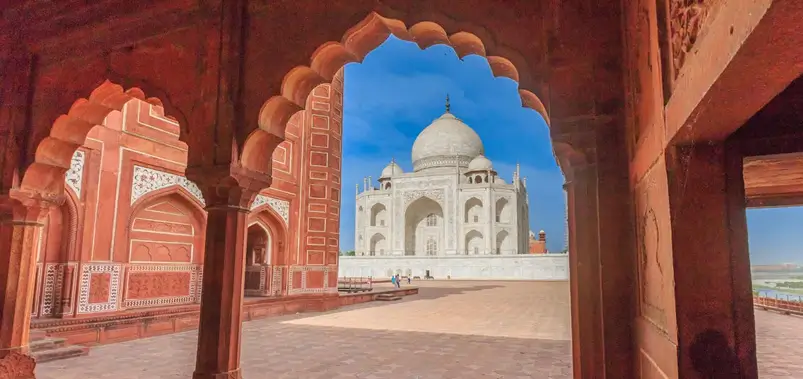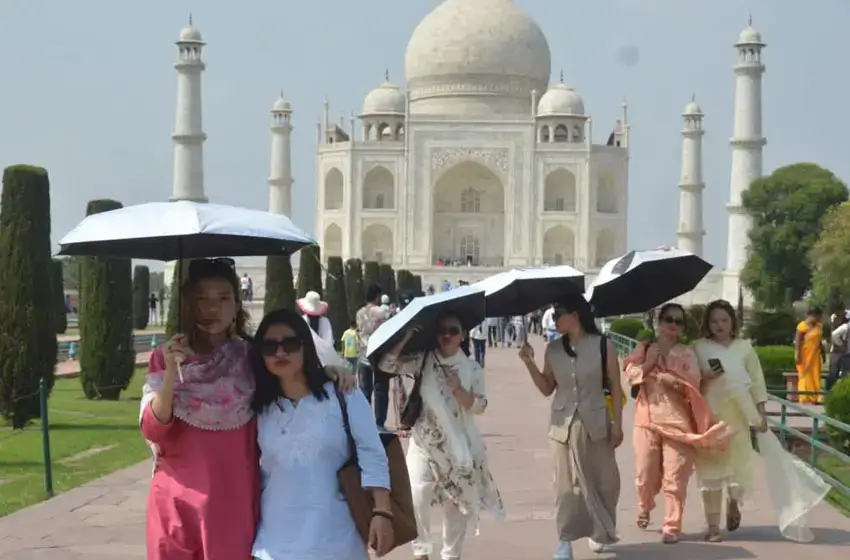
Visiting the Taj Mahal is one of the most unforgettable experiences in India, but many travelers underestimate how intense the crowds, weather, and entry conditions can become during peak tourism periods. Long ticket lines, strong sunlight, humidity, security checks, traffic congestion, and large visitor groups sometimes overwhelm first-time tourists who arrive unprepared. A carefully planned visit makes an enormous difference between a stressful experience and a smooth luxury-style journey.
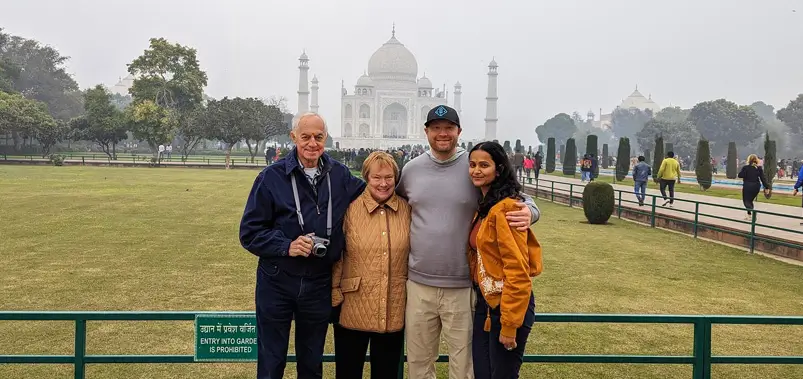
The Taj Mahal attracts millions of visitors from around the world every year and remains the most visited monument in India. Travelers arriving from the United States, Europe, Australia, and the Middle East often include Agra within a Golden Triangle India Tour, making the Taj Mahal the emotional highlight of their trip. Because of its global popularity, crowd management and timing strategies become extremely important.
Heat conditions in Agra can also surprise visitors. Midday temperatures frequently become uncomfortable, especially for travelers not accustomed to India’s climate. Marble surfaces reflect sunlight strongly, open courtyards provide limited shade, and crowded pathways can feel exhausting during busy afternoons.
Luxury travelers and experienced India tour planners usually structure Taj Mahal visits very carefully. Early morning entry, private transportation, premium guides, nearby luxury hotels, strategic photography timing, and proper hydration all contribute to a more comfortable experience.
Many tourists make simple mistakes such as arriving too late, wearing inappropriate clothing, carrying prohibited items, or underestimating walking distances. These small issues can quickly reduce enjoyment during what should be one of the most memorable moments of an India journey.
Fortunately, the Taj Mahal can still be experienced peacefully and comfortably even during busy seasons if travelers plan intelligently. Sunrise visits, luxury hotel stays near the monument, skip-the-line assistance, experienced local guides, and realistic timing expectations help visitors avoid most common problems.
The Taj Mahal deserves more than a rushed photo stop. Taking the time to understand visitor logistics, weather patterns, photography conditions, and practical travel strategies allows travelers to appreciate the monument’s beauty properly without unnecessary stress.
For anyone planning a Taj Mahal tour, understanding how to handle crowds and heat effectively can completely transform the experience
Read More: What to Do If the Taj Mahal Is Closed on Your Visit: Best Alternative Attractions & Travel Tips
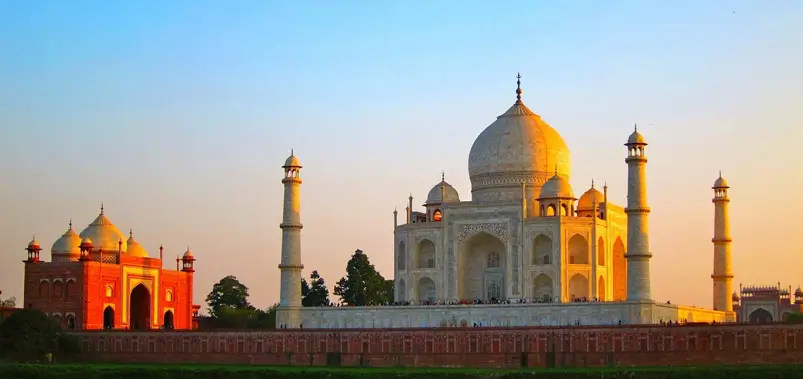
The single most important tip for avoiding both crowds and extreme heat at the Taj Mahal is arriving at sunrise. Professional photographers, luxury tour operators, and experienced India travelers almost always recommend early morning entry because the monument feels dramatically different compared with midday hours.
During sunrise, temperatures remain significantly cooler, especially between October and March. Soft morning light creates beautiful marble reflections while reducing harsh shadows that appear later during the day. Travelers also enjoy quieter surroundings before large tourist groups begin arriving from Delhi and Jaipur.
Luxury travelers staying at premium hotels such as The Oberoi Amarvilas Agra often leave their hotel shortly before sunrise to reach the entrance smoothly without major traffic congestion. This timing allows guests to experience the monument peacefully while avoiding long ticket lines and crowded photography areas.
The atmosphere at sunrise feels more emotional and intimate. As the first sunlight touches the white marble, the monument gradually changes color from pale blue to soft pink and then bright ivory. Many travelers describe these early moments as magical because the monument appears calm and almost dreamlike before the heavy daytime crowds arrive.
Morning visits also provide better walking conditions. Travelers can comfortably explore the gardens, marble platform, mosque area, and river views without feeling physically exhausted from heat exposure.
Another important advantage involves photography. Empty pathways, softer lighting, and cooler conditions allow visitors to spend more time capturing quality photos without rushing. Professional photographers often recommend arriving at least thirty to forty-five minutes before official opening hours to secure better entry positions.
Visitors arriving late morning or afternoon frequently encounter intense crowds, slower security lines, hotter weather, and limited space around popular photography spots. Large tour groups sometimes create congestion inside the central mausoleum area, making the experience feel rushed.
Travelers concerned about heat sensitivity, elderly family members, or children especially benefit from early visits because the environment remains far more manageable during the morning hours.
A sunrise Taj Mahal experience often becomes one of the defining memories of an India trip because the monument’s beauty feels more peaceful, elegant, and emotionally powerful before daytime activity intensifies.
.webp)
Crowds at the Taj Mahal can vary significantly depending on weekends, holidays, weather conditions, domestic tourism periods, and international travel seasons. Understanding crowd patterns helps travelers plan smarter and avoid the most stressful situations.
Weekends usually attract larger domestic tourist numbers, especially Fridays around closure schedules and long holiday weekends. School holidays and festive periods can also increase visitor traffic substantially. Luxury travelers often prefer weekday sunrise visits because they generally provide calmer conditions.
One of the biggest mistakes tourists make is arriving without pre-booked tickets. Online ticket booking helps travelers avoid long queues at physical ticket counters, especially during busy tourism months. Premium tour operators often arrange tickets in advance as part of luxury Golden Triangle itineraries.
Security checkpoints create another common bottleneck. The Taj Mahal maintains strict security regulations, and visitors carrying large bags, food items, drones, tripods, tobacco products, or prohibited electronics may face delays. Carrying only essential belongings speeds up entry significantly.
Hiring a professional local guide also improves crowd management. Experienced guides understand entrance timing, ideal photography routes, quieter pathways, and monument flow patterns. Luxury travelers frequently use private guides because they help avoid unnecessary waiting and confusion.
Another useful strategy involves choosing the correct gate. The East Gate and West Gate typically handle most tourist entries, while certain timings may create uneven crowd distribution. Local guides and drivers usually know which entrance currently offers faster movement.
Travelers should also remain patient inside the central mausoleum chamber because it often becomes crowded and noisy during peak periods. Spending more time in the surrounding gardens and river-view areas usually creates a far more peaceful experience than rushing directly into dense crowd zones.
Luxury tour planning often includes overnight Agra stays instead of same-day return trips from Delhi. This allows travelers to visit the Taj Mahal during optimal early morning hours instead of arriving with large day-tour crowds later in the morning.
Photography management also matters. Popular bench areas become extremely crowded after sunrise. Visitors wanting iconic photographs should capture them early before major congestion develops.
Experienced India travelers understand that crowd management at famous global landmarks always requires timing strategy. The Taj Mahal remains breathtaking even during busy periods, but intelligent planning makes the experience far more enjoyable and relaxed
Read More: Beyond the Taj Mahal: The Ultimate Guide to the Best Things to Do in Agra
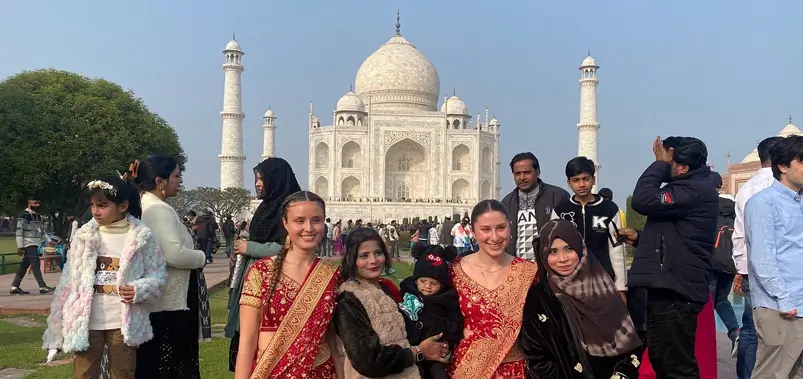
Weather preparation plays a major role in Taj Mahal comfort because Agra temperatures can become surprisingly intense, especially between late morning and afternoon hours. Travelers who dress appropriately and carry practical essentials usually enjoy the monument far more comfortably.
Lightweight breathable clothing works best for Taj Mahal visits. Cotton and linen fabrics help travelers remain cooler while walking through open marble courtyards and garden pathways. Loose-fitting clothing also provides better comfort during warmer conditions.
Many luxury travelers choose elegant but practical travel outfits suitable for photography while still managing heat comfortably. Neutral colors and lighter shades generally feel cooler under direct sunlight compared with dark clothing.
Comfortable walking shoes are extremely important because Taj Mahal visits involve substantial walking across stone pathways and large garden areas. High heels and uncomfortable footwear quickly become problematic during hot weather.
Sunglasses, hats, and sunscreen help significantly during daytime visits. Even during winter months, sunlight reflecting from white marble surfaces can feel strong, especially for visitors unaccustomed to India’s climate.
Hydration remains critical. Travelers should drink water regularly before entering the monument because walking under heat and crowd conditions increases fatigue quickly. Most professional tour operators provide bottled water inside private vehicles before and after monument visits.
Visitors should avoid carrying unnecessary items because security restrictions limit what can enter the monument complex. Large backpacks, food products, cigarettes, chargers, headphones, and excessive electronics may cause delays at security checks.
Luxury travelers often appreciate private vehicles waiting nearby after the visit because air-conditioned transportation provides immediate relief after walking through warm outdoor areas.
Photography enthusiasts should also prepare for sunlight conditions carefully. Morning visits generally reduce harsh lighting problems, while midday conditions may require additional camera adjustments due to strong marble reflections.
Travelers sensitive to heat should consider carrying small cooling towels, portable fans, or electrolyte packets during hotter months. Elderly travelers and children particularly benefit from slower pacing and regular shaded rest breaks.
Many first-time visitors underestimate India’s climate intensity because photographs of the Taj Mahal often appear calm and cool. In reality, proper clothing, hydration, and timing decisions strongly influence overall comfort during the visit.
Preparing intelligently allows travelers to focus more on appreciating the monument itself instead of struggling with avoidable physical discomfort.
.webp)
Luxury travelers approaching the Taj Mahal experience differently often enjoy far greater comfort and flexibility compared with standard mass-tour arrangements. Careful itinerary design, premium accommodations, and personalized logistics significantly reduce stress throughout the Agra visit.
One of the biggest luxury advantages involves staying overnight in Agra rather than rushing from Delhi through same-day trips. Luxury hotels near the Taj Mahal allow travelers to wake early, avoid highway stress, and enter the monument before major crowds arrive.
Properties such as The Oberoi Amarvilas provide exceptional convenience because travelers remain only minutes from the monument entrance. Some rooms even offer direct Taj Mahal views, allowing guests to enjoy the monument peacefully before and after sightseeing hours.
Private chauffeurs also improve the experience substantially. Professional drivers understand monument timing, traffic conditions, parking areas, and optimal drop-off strategies. Travelers avoid negotiating with local taxis or navigating crowded tourist transportation systems.
Luxury-guided tours further enhance comfort through personalized pacing. Instead of following rigid group schedules, private guides adjust timing according to guest interests, photography preferences, and physical comfort levels.
Many premium operators also arrange faster monument entry assistance, curated photography support, luxury dining reservations, and flexible sightseeing planning throughout Agra.
Travelers focusing on wellness and comfort often include spa treatments or relaxed afternoon schedules after Taj Mahal visits because early sunrise departures can involve very early wake-up times.
Luxury itineraries frequently combine the Taj Mahal with curated experiences such as marble inlay workshops, Mughal dining experiences, rooftop sunset views, and heritage hotel dinners. These additions transform Agra from a quick monument stop into a more immersive cultural destination.
Another important luxury strategy involves avoiding overloaded sightseeing schedules. Some travelers attempt to combine multiple cities, monuments, and long-distance drives into exhausting single days. Premium travel planning usually prioritizes comfort and pacing instead.
Couples and honeymoon travelers especially benefit from slower luxury-style Taj Mahal visits because they can enjoy romantic photography, quiet gardens, and elegant dining without constant time pressure.
The Taj Mahal represents one of the world’s most famous landmarks. Experiencing it through thoughtful luxury planning allows travelers to appreciate its beauty calmly and comfortably instead of feeling rushed and overwhelmed.
Read More: Luxury Taj Mahal Experience: Private Tours, Fine Dining & Exclusive Experiences in Agra
Many first-time travelers unintentionally create unnecessary stress during their Taj Mahal visit because they underestimate logistics, climate conditions, or crowd intensity. Avoiding common mistakes dramatically improves the overall experience.
One major mistake involves arriving too late in the day. Travelers who visit after late morning frequently encounter larger crowds, stronger heat, slower movement, and more difficult photography conditions. Sunrise remains the best solution for most visitors.
Another common issue involves unrealistic day planning. Some tourists attempt to travel from Delhi, visit the Taj Mahal, complete Agra sightseeing, and return late at night in a single exhausting schedule. Luxury travelers usually prefer overnight stays to avoid fatigue.
Ignoring hydration is another serious problem. Walking under strong sunlight without enough water quickly causes exhaustion, headaches, or dizziness. Travelers should hydrate consistently throughout the day.
Many tourists also wear inappropriate footwear. The monument complex involves substantial walking distances, and uncomfortable shoes quickly reduce enjoyment.
Visitors sometimes forget that security rules are strict. Carrying prohibited items creates delays and inconvenience during entry procedures. Reading current guidelines before arrival helps avoid unnecessary complications.
Another mistake involves hiring unofficial guides or following aggressive touts outside monument areas. Travelers should book guides through trusted operators or verified hotel recommendations instead of responding to random street offers.
Photography timing mistakes are also common. Travelers arriving after peak crowds form often struggle to capture clean photographs without large background crowds around popular viewpoints.
Heat exposure becomes another underestimated factor. Midday marble surfaces and open courtyards can feel much hotter than expected, especially during warmer seasons.
Travelers also sometimes rush through the monument without understanding its historical and architectural significance. Hiring knowledgeable guides adds meaningful context about Mughal architecture, craftsmanship, symbolism, and royal history.
The Taj Mahal deserves careful planning because it remains one of the world’s most emotionally powerful monuments. Small preparation decisions strongly influence whether the experience feels stressful or unforgettable.
Visitors who approach the Taj Mahal with realistic expectations, proper timing, and thoughtful planning almost always enjoy a far more rewarding and memorable visit.
Planning a trip to India involves much more than choosing destinations. From seasonal travel advice and packing guides to cultural etiquette and itinerary ideas, our collection of travel articles is designed to help first-time visitors explore India with greater confidence and ease.
We promise you a holiday where everything is taken care of from the moment you land. Trusted drivers waiting for you, handpicked hotels that fit your style, personalized itineraries designed just for your family, and a dedicated team on call 24/7. All you need to do is relax, explore, and create unforgettable memories, while we take care of every detail behind the scenes.
Sunrise is widely considered the best time because temperatures are cooler, crowds are smaller, and photography lighting is softer.
Yes, the Taj Mahal attracts large crowds daily, especially during weekends, holidays, and peak tourism periods.
Agra can become extremely hot during daytime hours, particularly from late morning through afternoon, making early visits much more comfortable.
Yes, online booking helps avoid long ticket queues and speeds up the entry process significantly.
Lightweight breathable clothing, comfortable walking shoes, sunglasses, hats, and sunscreen are strongly recommended.
Small essential bags are usually allowed, but security rules restrict many items including large backpacks, food, drones, and excessive electronics.
Yes, professional private guides help with crowd management, monument history, photography timing, and smoother overall experiences.
Luxury travelers often prefer properties near the monument such as The Oberoi Amarvilas Agra for convenience and comfort.
Visitors should expect moderate walking across large garden areas, marble platforms, and monument pathways.
Yes, careful planning, sunrise timing, private transportation, and luxury travel arrangements help travelers enjoy the monument comfortably even during crowded periods.