India remains one of the world’s most rewarding travel destinations, but like many major tourist countries, it also has opportunistic scams targeting foreign visitors unfamiliar with local systems, pricing, transportation, and tourist behavior. Travelers visiting Delhi, Agra, Jaipur, and other popular destinations often hear exaggerated warnings online that create unnecessary fear before arrival. The reality is more balanced. Most travelers complete their Golden Triangle India Tour safely and comfortably without serious problems, especially when using verified operators and applying practical awareness.
The Golden Triangle route connecting Delhi, Agra, and Jaipur attracts millions of international tourists every year because of the Taj Mahal, royal forts, luxury hotels, and rich cultural experiences. Since tourism plays a major role in these cities, there are also individuals trying to take advantage of inexperienced visitors through overpricing, fake guides, commission shopping stops, transportation confusion, and misleading information.
Fortunately, most tourist scams in India are relatively avoidable once travelers understand how they typically operate. The majority involve inconvenience, overcharging, or pressure tactics rather than dangerous criminal situations. Travelers who remain calm, use trusted providers, and avoid impulsive decisions usually face very few issues.
Luxury travelers generally experience fewer problems because premium hotels, professional chauffeurs, verified guides, and organized itineraries provide stronger logistical protection. Independent travelers can also travel safely by learning common scam patterns before arrival.
Many first-time visitors make mistakes because they arrive overly trusting, overly nervous, or unprepared for India’s intense tourism environment. Busy airports, crowded railway stations, aggressive touts near monuments, and persuasive sales tactics can feel overwhelming at first. Understanding these situations in advance allows travelers to respond confidently instead of emotionally.
The goal of this guide is not to create fear about India. The country offers extraordinary hospitality, kindness, culture, and unforgettable experiences. Most Indian people genuinely welcome foreign visitors warmly. However, practical travel awareness remains important in every major tourism destination worldwide.
From fake tour offices and inflated taxi pricing to shopping pressure and unofficial guides, understanding how scams work helps travelers avoid unnecessary stress while focusing on enjoying their India journey properly.
For anyone planning a Golden Triangle India Tour, practical awareness and smart planning create a much smoother, safer, and more enjoyable travel experience.
First-time international visitors often become easy targets for tourist scams because India feels very different from most Western travel destinations. The energy, traffic, crowd density, communication styles, and street activity can initially overwhelm travelers unfamiliar with South Asian tourism environments.
Scammers usually look for visitors who appear confused, rushed, jet-lagged, overly trusting, or uncertain about local pricing. Airports, railway stations, monument entrances, and crowded market areas become common targeting zones because tourists are distracted and unfamiliar with surroundings.
One major issue involves information imbalance. Foreign travelers often do not know realistic local prices for taxis, souvenirs, guides, SIM cards, or transportation services. Scammers exploit this uncertainty by quoting inflated prices confidently, assuming visitors will pay rather than negotiate.
Many tourists also arrive emotionally excited about India and lower their normal caution levels. Travelers sometimes trust strangers too quickly, especially when someone appears friendly, speaks good English, or offers “special help” unexpectedly.
Another common factor involves travel fatigue. Long international flights combined with heat, traffic, and sensory overload reduce traveler awareness during the first days of arrival. Scammers understand that tired tourists make impulsive decisions more easily.
Luxury travelers generally avoid many of these issues because airport pickups, verified chauffeurs, luxury hotels, and organized itineraries reduce direct exposure to random street interactions. Independent travelers can still travel comfortably, but preparation becomes more important.
Tourist psychology also plays a role. Some visitors become overly polite and struggle saying no firmly when approached by persistent sellers, fake guides, or commission-based drivers. Confident but respectful refusal is an important travel skill in busy tourism areas.
Social media and online videos sometimes exaggerate India scam stories dramatically, creating unnecessary paranoia. While scams do exist, most are manageable and avoidable through basic awareness and common sense.
Understanding that tourist scams are usually based on confusion, pressure, misinformation, or overcharging helps travelers stay mentally prepared without becoming fearful of local people.
The majority of India travel experiences remain positive, especially when visitors stay calm, use verified services, and avoid making rushed decisions under pressure.
Transportation-related scams remain among the most common issues affecting foreign travelers during a Golden Triangle India Tour. Airports, railway stations, and monument areas often attract unauthorized drivers and middlemen attempting to redirect tourists toward overpriced or low-quality services.
One classic airport scam involves fake taxi representatives claiming that a traveler’s hotel is closed, unsafe, overbooked, or inaccessible. The goal is usually to redirect tourists toward hotels paying commission fees. Travelers should never change hotels based solely on random airport advice from unknown drivers.
Another common issue involves inflated taxi pricing. Drivers may quote unrealistic fixed prices to tourists unfamiliar with local rates, especially late at night or during airport arrivals. Using pre-arranged transfers or app-based transportation significantly reduces this problem.
Some unofficial drivers also attempt commission-based shopping stops during road journeys between Delhi, Agra, and Jaipur. They may pressure travelers into visiting gemstone stores, carpet shops, marble factories, or handicraft showrooms where drivers receive commissions from tourist purchases.
Professional tour operators and luxury chauffeurs generally avoid such practices because they prioritize long-term reputation over short-term commissions. Travelers should clarify before booking that unnecessary shopping stops are not part of the itinerary.
Fake train assistance scams also occur at railway stations. Individuals pretending to help tourists may redirect them toward private taxis, fake offices, or unofficial ticket services claiming trains are canceled or fully booked.
Another transportation issue involves extremely cheap online tour offers. Some low-budget operators advertise unrealistically low private tour prices and later substitute poor-quality vehicles, inexperienced drivers, hidden charges, or unsafe conditions.
Luxury travelers usually choose professional companies providing newer vehicles, insured transportation, licensed drivers, and transparent pricing structures. Spending slightly more often creates far smoother experiences and reduces risk significantly.
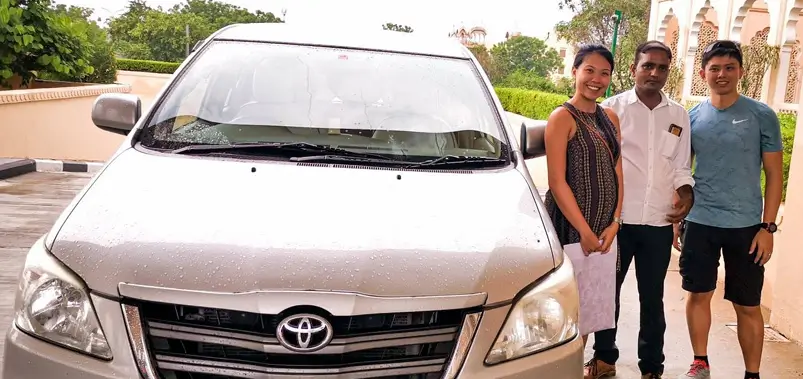
Travelers should always verify vehicle details before entering cars. Confirming driver names, company branding, and booking references helps avoid confusion at airports and hotels.
Private Golden Triangle drivers should also maintain professional appearance, respectful communication, clean vehicles, and safe driving behavior. Reckless driving, aggressive pressure tactics, or unclear pricing discussions represent warning signs.
Transportation forms the foundation of most India tours. Choosing verified operators and remaining cautious around random unsolicited offers helps travelers avoid the majority of common tourism problems.
Major tourist attractions such as the Taj Mahal, Amber Fort, Jama Masjid, and City Palace often attract unofficial guides and aggressive touts targeting foreign visitors. Many operate through persuasive conversation rather than direct intimidation, making awareness especially important.
One common tactic involves fake “official” guides approaching tourists outside monuments while wearing imitation badges or speaking confidently about government authorization. Some provide poor-quality tours before demanding excessive payment afterward.
Travelers should hire guides only through verified tour operators, luxury hotels, or official monument counters. Professional guides usually provide better historical information, smoother crowd navigation, and clearer pricing structures.
Another common monument-area scam involves photographers aggressively offering “professional” services and later demanding inflated prices. While legitimate photographers do exist, travelers should confirm pricing clearly before agreeing to any service.
Ticket misinformation also occurs occasionally. Individuals outside monuments may falsely claim official ticket counters are closed or that foreigners require special expensive tickets. Travelers should always use official ticket windows or trusted online booking systems.
At crowded attractions like the Taj Mahal, some scammers attempt distraction techniques involving friendship bracelets, free gifts, or “special blessings” before requesting money aggressively afterward. Politely refusing unsolicited items usually prevents such situations.
Luxury travelers generally avoid most monument-area problems because private guides and chauffeurs manage logistics professionally and reduce direct interaction with random touts.
Some scammers also target tourists emotionally by creating fake emergencies or dramatic personal stories requesting money. Travelers should remain compassionate but cautious about giving cash directly to strangers in busy tourism zones.
Another issue involves fake tourism offices in areas such as Delhi’s Paharganj or Connaught Place. These offices sometimes claim official government status while selling overpriced or misleading travel packages.
Tourists should verify business websites, Google reviews, company registration details, and physical office legitimacy before making bookings or payments.
Most monument-area scams depend on confusion, urgency, or emotional pressure. Travelers who remain calm, verify information independently, and avoid rushed decisions usually navigate tourist zones safely and comfortably.
The key is awareness without paranoia. India’s famous attractions remain extraordinary experiences, and most visits occur without serious issues when travelers use practical caution.
Shopping forms an exciting part of most Golden Triangle India Tours, especially in Jaipur’s bazaars, Delhi’s artisan markets, and Agra’s marble workshops. However, inexperienced tourists sometimes overpay significantly because they misunderstand pricing structures or fall into commission-based shopping traps.
One important reality travelers should understand is that bargaining remains common in many Indian markets. Initial quoted prices for tourists may be intentionally inflated with the expectation of negotiation. Calm negotiation is normal and culturally accepted in many non-fixed-price shops.
Luxury stores, government emporiums, and branded boutiques usually maintain fixed pricing, while traditional bazaars often involve negotiation flexibility. Travelers uncomfortable bargaining may prefer premium shopping environments with transparent pricing.
Gemstone and jewelry scams remain among the most serious shopping risks. Jaipur is famous globally for gemstones, but tourists should avoid purchasing expensive stones from random stores recommended aggressively by drivers or street promoters.
Travelers interested in luxury jewelry, carpets, antiques, or textiles should shop through highly reputable businesses with certifications, detailed invoices, and international shipping credibility.
Commission shopping stops remain another issue during private tours. Some drivers receive payments for bringing tourists into specific stores where prices are heavily inflated. Luxury tour operators generally avoid such behavior because it damages traveler trust.
Marble factories in Agra often present convincing demonstrations about Taj Mahal marble craftsmanship. While many workshops are legitimate, tourists should compare prices carefully before making expensive purchases.
Another common issue involves emotional sales pressure. Some sellers become extremely persuasive and friendly, encouraging tourists to buy quickly “before leaving India.” Travelers should never feel obligated to purchase under pressure.
Luxury travelers often prefer curated shopping experiences organized through trusted hotels or premium tour operators because product quality and pricing tend to be more reliable.
Cash transactions without receipts should also be avoided for expensive purchases. Travelers should request invoices, shipping details, and payment documentation for higher-value items.
Shopping in India can actually become one of the most rewarding parts of the trip when approached carefully. Rajasthan textiles, handcrafted decor, block prints, carpets, jewelry, leather goods, and artwork offer excellent craftsmanship and cultural value.
The smartest travelers enjoy shopping as a cultural experience while remaining financially cautious and avoiding impulsive luxury purchases under pressure.
Luxury travelers often experience India more smoothly because organized logistics reduce direct exposure to random tourism risks. Verified hotels, private transportation, curated guides, and structured itineraries eliminate many situations where scams commonly occur.
One major advantage involves airport handling. Luxury travelers typically use pre-arranged chauffeur services instead of negotiating transportation upon arrival. This removes one of the highest-risk confusion points for first-time tourists.
Premium hotels also provide safer environments for currency exchange, transportation booking, restaurant recommendations, and local assistance. Hotel concierge teams often help guests avoid unreliable operators and tourist traps.
Private chauffeurs significantly improve travel comfort and safety during Golden Triangle routes. Professional drivers understand tourist expectations, maintain cleaner vehicles, and avoid problematic areas or unauthorized stops.
Luxury tour companies also monitor guest experiences actively. Travelers usually receive emergency support contacts, itinerary management assistance, and local guidance throughout the journey.
Another important safety strategy involves maintaining moderate public visibility regarding money and valuables. Tourists displaying excessive cash, luxury watches, or expensive electronics openly sometimes attract unnecessary attention in crowded areas.
Travelers should also remain cautious with random overly friendly strangers offering unsolicited assistance. Genuine kindness absolutely exists throughout India, but excessive urgency or pressure often indicates commission motives.
Digital payment apps and credit cards now work widely in urban India, reducing the need to carry large amounts of cash. Luxury travelers especially benefit from premium cards accepted at hotels, restaurants, and higher-end stores.
Travel insurance also becomes important for international visitors. Medical emergencies, flight disruptions, or luggage issues become easier to manage with proper coverage.
Experienced India travelers usually develop a simple mindset: remain polite, stay calm, verify information independently, and avoid rushed decisions. Emotional reactions often create more problems than the scams themselves.
India rewards travelers who approach the country with curiosity, patience, awareness, and flexibility. Most journeys become deeply positive experiences filled with hospitality, culture, architecture, and unforgettable memories.
The smartest tourists understand that caution and enjoyment can exist together. Practical awareness simply allows travelers to focus more confidently on the incredible experiences India offers.
We promise you a holiday where everything is taken care of from the moment you land. Trusted drivers waiting for you, handpicked hotels that fit your style, personalized itineraries designed just for your family, and a dedicated team on call 24/7. All you need to do is relax, explore, and create unforgettable memories, while we take care of every detail behind the scenes.
Yes, millions of tourists visit India safely every year, especially when using verified hotels, trusted transportation, and organized travel services.
Transportation overcharging, fake guides, commission shopping stops, and misleading travel information are among the most common issues tourists face.
Yes, booking verified private drivers through trusted tour operators is generally much safer and more reliable than negotiating random taxis.
Travelers should check Google reviews, TripAdvisor ratings, company websites, social media presence, and payment transparency before booking.
Yes, bargaining is common in many traditional markets, though luxury boutiques and branded stores usually maintain fixed prices.
Yes, unofficial guides sometimes approach tourists near monument entrances. Travelers should use verified guides only.
Moderate amounts of cash are generally fine, but travelers should avoid carrying excessive visible cash in crowded tourist areas.
Usually yes, because luxury hotels, verified chauffeurs, and organized tours reduce direct exposure to common tourist problems.
Travelers should remain calm, say no firmly, avoid arguments, and walk away confidently from uncomfortable situations.
Yes, but travelers should purchase only from highly reputable stores with certifications and avoid impulsive expensive purchases from unknown sellers.