Managing money correctly during a Golden Triangle India Tour can make travel significantly smoother and less stressful for international visitors. One of the most common questions foreign travelers ask before arriving in India involves how much cash they should carry, whether cards work reliably, where to exchange currency, and how safe ATMs are across Delhi, Agra, and Jaipur.
India has changed rapidly in recent years regarding digital payments, luxury travel infrastructure, and banking convenience. Most premium hotels, luxury restaurants, shopping malls, and established tourism businesses now accept international credit cards and digital payments comfortably. However, cash still remains important for smaller purchases, tipping, local markets, monument parking areas, street shopping, and certain smaller restaurants or cafés.
Many first-time visitors either carry far too much cash because they fear payment problems or arrive with too little local currency and struggle during the first days of travel. The ideal approach is balanced planning that combines cards, ATM withdrawals, emergency backup funds, and moderate daily cash amounts.
The Golden Triangle route covering Delhi, Agra, and Jaipur is one of India’s most developed tourist circuits. Travelers staying in luxury hotels and using organized tours generally face very few payment difficulties because tourism infrastructure in these cities is highly accustomed to international visitors.
Currency exchange, ATM usage, card safety, tipping culture, and shopping habits also differ slightly from Western countries. Understanding these practical realities before arrival helps travelers avoid confusion, unnecessary stress, or expensive currency exchange mistakes.
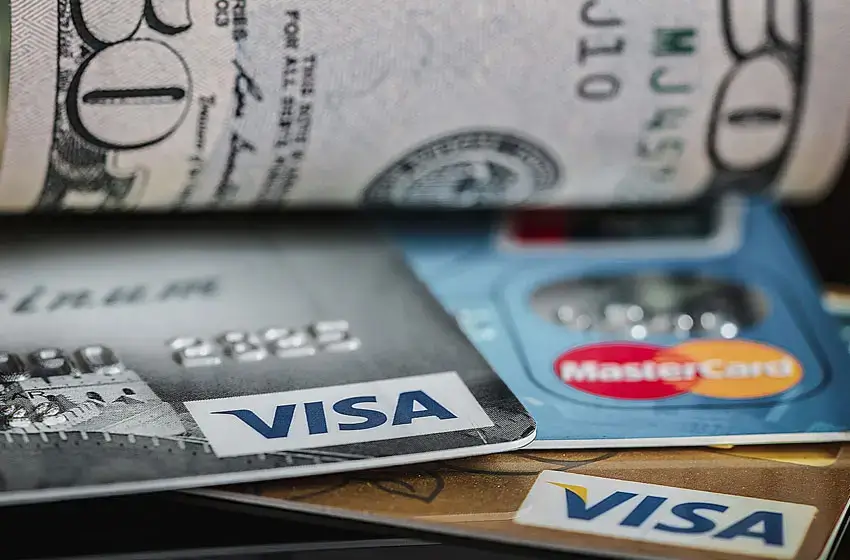
Luxury travelers often prefer carrying smaller amounts of physical cash because premium hotels, fine dining venues, and established boutiques usually accept international Visa and Mastercard payments easily. Independent travelers visiting local bazaars and smaller shops may need slightly higher cash flexibility.
Airport arrivals create another important consideration. Travelers often need immediate access to cash for SIM cards, snacks, local purchases, or small gratuities shortly after landing. Having some Indian Rupees available early helps simplify the arrival experience.
Safety is also important. Carrying excessive cash openly in crowded markets or tourist areas is unnecessary and generally not recommended. Smart money management involves spreading payment methods across cards, ATM withdrawals, and emergency reserves.
For anyone planning a Golden Triangle India Tour, understanding how money works practically inside India helps create a safer, smoother, and more comfortable travel experience.
The amount of cash travelers need during a Golden Triangle India Trip depends heavily on travel style, hotel category, shopping habits, transportation arrangements, and dining preferences. Luxury travelers usually require less physical cash because premium tourism services accept international cards widely.
For most international tourists staying in luxury or upper-mid-range hotels, daily cash usage often ranges approximately between USD 30 to USD 120 worth of Indian Rupees depending on personal spending patterns. This generally covers tipping, café purchases, local snacks, small shopping, monument parking tips, and occasional cash-only transactions.
Travelers using fully organized private tours often need even less daily cash because transportation, guides, tolls, hotels, and many meals are prepaid in advance. In these situations, cash mainly supports personal shopping and gratuities.
Budget travelers and independent backpackers may rely more heavily on cash for local transportation, market purchases, smaller hotels, and casual dining. They often carry slightly higher day-to-day cash reserves.
Luxury restaurants, major hotels, airport lounges, and premium shopping stores usually accept international cards comfortably. However, smaller souvenir stalls, bazaars, street food vendors, and local artisan markets may operate primarily through cash or Indian digital payment apps unavailable to foreign tourists.
Travelers should also remember that bargaining remains common in many traditional markets. Cash transactions often help simplify negotiations during shopping experiences in places like Jaipur’s bazaars or Delhi’s local handicraft markets.
For practical comfort, many experienced travelers prefer carrying enough local currency for one full day of flexible expenses while keeping additional funds accessible through ATMs or cards.
A realistic luxury-oriented daily cash estimate for most foreign tourists may include:
Travelers should avoid carrying their full vacation budget in physical cash. India’s banking network is large, and ATMs remain widely available across Delhi, Agra, and Jaipur.
Smart travelers focus more on flexible payment access rather than carrying large amounts of currency from the beginning of the trip.
ATMs are widely available throughout the Golden Triangle India route and generally provide one of the easiest ways for foreign travelers to access Indian Rupees safely. Major cities such as Delhi, Agra, and Jaipur have extensive banking infrastructure with ATM access inside airports, shopping areas, hotels, and commercial districts.
International debit cards connected to Visa, Mastercard, Cirrus, or Maestro networks usually function successfully at most major Indian bank ATMs. Banks such as HDFC, ICICI, SBI, Axis Bank, and Kotak Mahindra are commonly used by international travelers.
Luxury travelers often prefer withdrawing cash from ATMs located inside premium hotels, shopping malls, airports, or bank branches because these environments feel safer and more reliable compared with isolated street machines.
Airport ATM usage is especially common after arrival in Delhi. Travelers often withdraw moderate amounts immediately for SIM cards, snacks, small purchases, or emergency flexibility before reaching hotels.
ATM withdrawal limits vary depending on both the Indian bank and the traveler’s home bank restrictions. Many Indian ATMs limit withdrawals per transaction, so travelers may need multiple transactions for larger amounts.
Currency conversion charges and foreign transaction fees also vary significantly between banks. Premium travel cards sometimes offer better exchange rates and lower international withdrawal fees.
Travelers should notify their home banks before departure to avoid fraud-related card blocks after international ATM usage. Unexpected international withdrawals sometimes trigger automated security systems if travel notifications are missing.
Safety awareness remains important when using ATMs. Tourists should avoid accepting help from strangers during transactions and should remain discreet when handling cash afterward.
Another useful strategy involves carrying at least two working bank cards stored separately. If one card becomes blocked, lost, or damaged, backup access prevents major travel disruptions.
ATMs occasionally run out of cash during holidays or busy weekends, especially in smaller locations. Luxury travelers generally avoid problems because hotels and premium businesses often assist guests with nearby banking guidance.
Most experienced India travelers agree that moderate ATM withdrawals throughout the trip work better than carrying excessive cash from home.
India’s major tourist cities are highly accustomed to international visitors using global banking systems, making ATM access relatively straightforward for most travelers.
International credit cards are accepted widely across luxury tourism infrastructure in India, especially throughout Delhi, Agra, and Jaipur. However, travelers still need to understand where cards work reliably and where cash remains preferable.
Premium hotels, fine dining restaurants, luxury boutiques, shopping malls, and established tourism businesses usually accept Visa and Mastercard payments comfortably. American Express acceptance exists at some luxury properties but remains less universal compared with Visa and Mastercard.
Travelers should still carry some Indian Rupees because many local businesses, bazaars, cafés, and smaller tourism services either prefer cash or apply minimum card spending rules.
Currency exchange decisions also matter significantly. Airport exchange counters offer convenience but often provide weaker exchange rates compared with city-based banking services. Travelers needing immediate arrival cash may exchange small amounts at airports while handling larger exchanges later through banks or trusted exchange providers.
Luxury hotels sometimes provide currency exchange services, though rates may vary. Travelers should compare rates briefly rather than exchanging large amounts impulsively.
One important mistake tourists make involves exchanging money through random street agents or unofficial counters promising unrealistic rates. These situations create risks involving counterfeit currency, hidden fees, or unfavorable calculations.
Travelers should also understand India’s currency handling culture. High-value notes sometimes create change problems at smaller shops, taxis, or local markets. Carrying moderate smaller denominations helps simplify everyday transactions.
Card fraud awareness is also important. Travelers should keep cards visible during restaurant payments and monitor banking apps periodically for unusual transactions. Luxury hotels and premium restaurants generally maintain secure payment systems, but caution remains wise everywhere globally.
Dynamic currency conversion should usually be declined when offered at card terminals. Paying directly in Indian Rupees often produces better exchange rates through the traveler’s own bank.
Foreign travelers also sometimes forget that smaller rural areas outside the Golden Triangle may rely more heavily on cash compared with large tourist cities. Travelers extending their itinerary toward villages, safari areas, or desert camps should carry slightly more local currency flexibility.
For most tourists, combining moderate cash reserves with reliable international cards creates the safest and most convenient payment strategy during a Golden Triangle tour.
Many foreign travelers underestimate how frequently small cash expenses appear during a Golden Triangle India Tour. While major travel components may already be prepaid, daily travel still involves small tipping situations, local purchases, and flexible spending opportunities.
Tipping remains common across India’s tourism industry, especially within luxury hospitality. Drivers, guides, hotel porters, housekeeping staff, restaurant servers, and airport assistants often receive gratuities from international guests.
Luxury travelers usually budget approximately:
Travelers should carry smaller cash denominations specifically for tipping convenience because large notes may create awkward situations during quick service interactions.
Shopping also becomes one of the biggest variable expenses during India trips. Jaipur markets, Delhi handicraft stores, Agra marble workshops, and textile boutiques attract many tourists interested in souvenirs, jewelry, fabrics, carpets, artwork, and handcrafted decor.
Luxury travelers frequently purchase premium textiles, gemstones, handcrafted furniture, leather goods, and artisanal products. Budgeting flexibility becomes important because high-quality craftsmanship often tempts travelers into unexpected purchases.
Street food, café stops, bottled water, snacks, local desserts, and casual refreshments also create regular smaller cash expenses throughout sightseeing days.
Travelers joining photography tours, village visits, or local cultural experiences sometimes also provide small appreciation tips to performers, artisans, or local assistants.
Another practical reality involves public restroom attendants, parking helpers, and monument-related minor service staff. Small tips or change occasionally become useful in these situations.
Many experienced travelers organize cash practically by separating larger reserve money from daily-use cash wallets. This reduces stress while shopping or moving through crowded tourist areas.
Luxury travelers usually prefer maintaining smooth service interactions without constantly searching for change during every small payment moment. Carrying organized smaller notes improves convenience significantly.
Understanding India’s everyday spending culture helps travelers feel far more relaxed during the trip because they can handle small expenses confidently without constantly visiting ATMs or overpaying with large notes.
India is generally manageable financially for tourists, but smart money safety habits remain important just as they would in any major global destination. Travelers carrying excessive visible cash, using unofficial exchange services, or handling money carelessly in crowded areas create unnecessary risks.
One of the safest strategies involves splitting funds across multiple sources. Experienced travelers usually carry one primary card, one backup card stored separately, moderate daily cash, and emergency reserve money hidden securely.
Luxury travelers often use hotel safes for passports, extra cash, and backup payment cards instead of carrying everything throughout daily sightseeing.
Crowded markets such as Chandni Chowk in Delhi or Jaipur bazaars require slightly higher awareness because dense crowds naturally create more distraction opportunities. Travelers should avoid openly displaying large amounts of cash while shopping or bargaining.
Crossbody bags, anti-theft backpacks, and zippered pockets help improve security comfort during busy sightseeing days. Travelers should also avoid carrying passports unnecessarily unless specifically required.
Digital banking apps and transaction alerts provide additional reassurance because travelers can monitor card activity in real time during international travel.
Tourists should remain cautious when strangers offer “special exchange rates,” unsolicited assistance at ATMs, or unexpected financial help. Verified banks, hotels, and established businesses remain the safest environments for money-related transactions.
Another practical tip involves carrying emergency USD or EUR reserves separately from daily cash. In rare situations involving lost cards or ATM issues, emergency backup currency can become extremely valuable.
Luxury travelers often also photograph important financial documents and store secure digital copies in case of wallet loss or emergency replacement needs.
Airport arrivals deserve special attention because travelers are often tired, distracted, and unfamiliar with surroundings. Pre-arranged transfers and moderate arrival cash help simplify the first hours safely.
India’s major tourism cities are highly accustomed to international visitors, and most travelers manage finances comfortably throughout their journey without serious problems.
The key is balance. Travelers should remain practical and aware without becoming overly fearful about money matters during the trip.
Smart planning simply allows tourists to focus more confidently on India’s incredible cultural, historical, and luxury experiences instead of worrying constantly about payments or cash handling.
We promise you a holiday where everything is taken care of from the moment you land. Trusted drivers waiting for you, handpicked hotels that fit your style, personalized itineraries designed just for your family, and a dedicated team on call 24/7. All you need to do is relax, explore, and create unforgettable memories, while we take care of every detail behind the scenes.
Most luxury travelers comfortably manage with approximately USD 30 to USD 120 worth of Indian Rupees daily depending on shopping and tipping habits.
Yes, Visa and Mastercard are widely accepted in luxury hotels, restaurants, shopping malls, and established tourism businesses.
Yes, ATMs are widely available throughout all major Golden Triangle cities including airports, hotels, malls, and commercial areas.
Yes, especially when using ATMs inside banks, airports, luxury hotels, or major shopping centers.
Exchanging a small amount at the airport is practical for immediate needs, but larger exchanges may offer better rates in city banking areas.
Yes, cash remains useful for tipping, shopping in local markets, smaller cafés, monument-related expenses, and smaller vendors.
Some luxury hotels and premium businesses accept American Express, but Visa and Mastercard are generally more widely accepted.
Tipping varies, but private drivers often receive USD 5 to USD 15 daily while guides may receive USD 10 to USD 25 daily depending on service quality.
No, experienced travelers usually separate cards, reserve funds, and daily cash for better safety and flexibility.
India uses the Indian Rupee, commonly abbreviated as INR.