For many travelers visiting India for the first time, few experiences feel as uniquely memorable as taking a Delhi rickshaw ride. Long before ride hailing apps, modern metro systems, and luxury vehicles became common, rickshaws were already an essential part of daily transportation across Indian cities. Today, they remain one of the most recognizable symbols of urban India and continue to provide practical transportation for millions of people every day.
For visitors exploring Delhi, a rickshaw ride is often more than simply getting from one location to another. It is an opportunity to experience the city's energy from a completely different perspective. Unlike traveling inside a private car, a rickshaw places travelers directly within the rhythm of local life. The sounds of street vendors, the aroma of freshly prepared food, the movement of market crowds, and the architectural details of historic neighborhoods become far more visible and immediate.
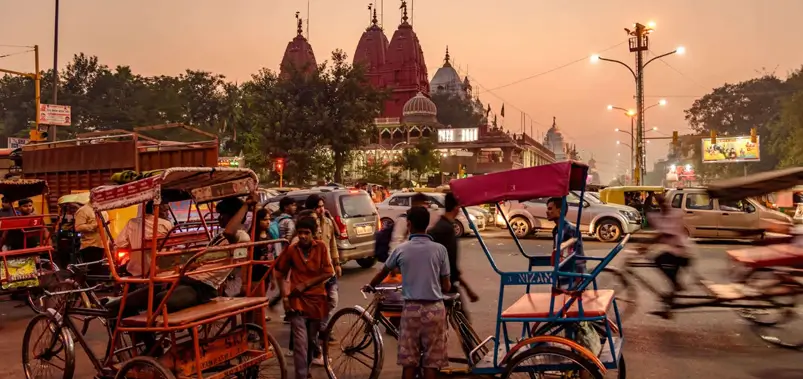
Many tourists first encounter rickshaws while visiting Old Delhi, particularly around Chandni Chowk, Jama Masjid, Red Fort, and nearby market districts. The narrow lanes in these areas are often too crowded for larger vehicles, making rickshaws one of the most practical transportation options available.
Despite their popularity, many first time visitors remain uncertain about how rickshaws work. Questions frequently arise regarding pricing, bargaining, safety, tipping, and the difference between various types of rickshaws operating throughout the city.
Some travelers worry about overpaying. Others wonder whether rickshaws are safe. Many simply want to know what the experience will actually feel like before stepping aboard for the first time.
The reality is that a properly approached rickshaw ride in Delhi can become one of the most enjoyable memories of an India trip. Understanding how the system works, what realistic prices look like, and how local transportation customs operate can help travelers enjoy the experience with confidence.
Whether you plan to explore Old Delhi's historic markets, navigate crowded shopping districts, or simply enjoy a short ride through one of the city's most fascinating neighborhoods, knowing what to expect will make the journey smoother and more rewarding.
One of the first things travelers notice is that not all rickshaws in Delhi are the same.
In fact, several different types operate throughout the city, each serving different purposes and areas.
The most famous among tourists is the cycle rickshaw. These human powered vehicles are commonly found in Old Delhi and other densely populated market districts. A driver pedals the vehicle while passengers sit in the rear compartment. Although simple in design, cycle rickshaws remain highly effective in areas where traffic congestion and narrow streets make larger vehicles impractical.
For visitors exploring Chandni Chowk, Khari Baoli Spice Market, Jama Masjid, or nearby heritage areas, cycle rickshaws often provide the most efficient means of transportation. They can navigate tight lanes and crowded spaces that would be inaccessible to cars.
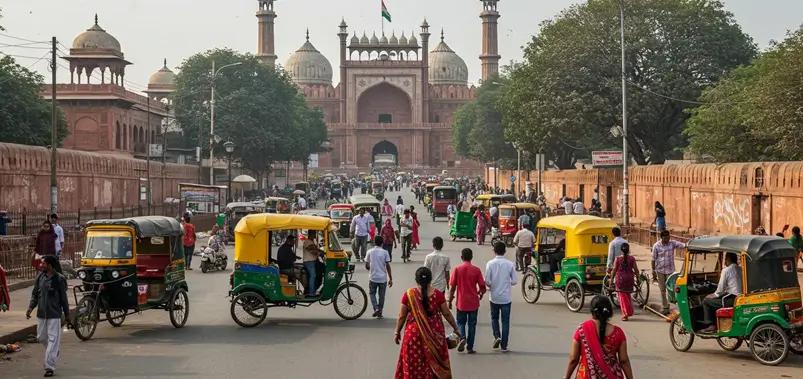
Another common option is the auto rickshaw, often referred to simply as an auto. These three wheeled motorized vehicles operate throughout Delhi and function similarly to small taxis. They are significantly faster than cycle rickshaws and are suitable for longer distances.
Auto rickshaws are particularly useful for short urban journeys where travelers want a quicker and more affordable alternative to taxis. They are commonly used by local residents as well as visitors.
Electric rickshaws have also become increasingly common in recent years. These battery powered vehicles operate quietly and produce lower emissions compared to traditional motorized options. They are especially popular in certain residential and market areas.
Understanding the difference between these vehicles helps travelers choose the most appropriate option depending on destination, distance, comfort expectations, and budget.
For most tourists visiting Delhi's historic districts, the classic cycle rickshaw remains the most memorable and authentic experience.
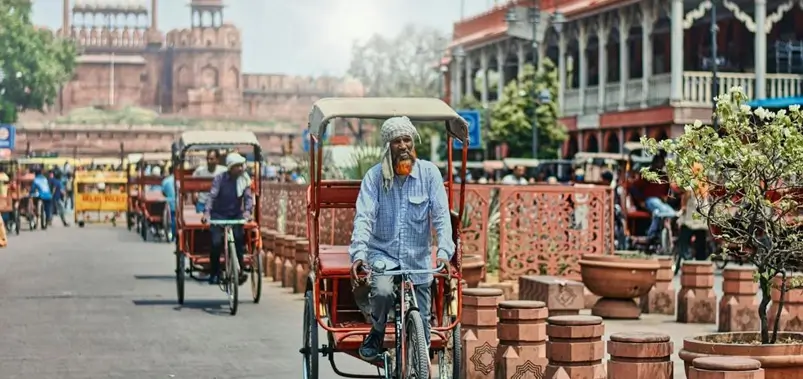
For travelers who have never visited India, it can be difficult to imagine what riding through Old Delhi on a cycle rickshaw feels like.
The experience begins the moment the driver starts moving through streets that appear almost impossibly busy. Motorcycles weave through traffic, vendors push carts loaded with goods, shoppers fill sidewalks, and centuries old buildings line the roads.
At first, many visitors feel overwhelmed by the activity surrounding them. Every direction seems filled with movement. Yet after a few minutes, the apparent chaos begins to reveal its own rhythm.
A rickshaw ride through Chandni Chowk offers a front row seat to daily life in one of India's most historic commercial districts. The market dates back centuries and remains one of the busiest shopping areas in the country.
As the rickshaw moves through narrow lanes, travelers pass spice merchants, jewelry stores, textile shops, street food vendors, and traditional businesses that have operated for generations.
The experience differs dramatically from viewing these areas through the window of a car. The slower pace allows visitors to notice details that might otherwise be missed. Ornate balconies, hidden courtyards, colorful storefronts, religious shrines, and local interactions become part of the journey itself.
Photography enthusiasts often find rickshaw rides particularly rewarding. The elevated seating position provides excellent opportunities for capturing street scenes and architectural details.
Many travelers describe the ride as one of the most immersive experiences available in Delhi. Rather than observing local life from a distance, passengers become temporary participants in the flow of the city.
This direct connection to the environment is one reason why Old Delhi rickshaw tours remain among the most popular cultural experiences in the capital.
One of the biggest concerns for first time visitors involves pricing.
Travelers naturally want to avoid paying significantly more than necessary, but they also want to ensure drivers receive fair compensation.
The challenge is that rickshaw pricing varies based on distance, location, time of day, and negotiation.
Cycle rickshaw rides within Old Delhi are generally inexpensive. Short rides between nearby attractions often cost only a modest amount, while longer routes through market districts naturally command higher fares.
Auto rickshaws operate differently. Some use meters, while others negotiate fares before departure. In tourist heavy areas, negotiating beforehand is usually the safest approach.
|
Ride Type |
Distance |
Approx Cost (USD) |
Approx Cost (INR) |
|---|---|---|---|
|
Short Cycle Rickshaw Ride |
5-10 Minutes |
$1-$3 |
₹80-₹250 |
|
Medium Cycle Rickshaw Ride |
15-20 Minutes |
$2-$5 |
₹150-₹400 |
|
Extended Old Delhi Ride |
30-45 Minutes |
$5-$10 |
₹400-₹850 |
|
Short Auto Rickshaw Ride |
2-4 km |
$1.50-$4 |
₹120-₹350 |
|
Medium Auto Rickshaw Ride |
5-8 km |
$3-$7 |
₹250-₹600 |
|
Longer Auto Rickshaw Ride |
10-15 km |
$6-$12 |
₹500-₹1,000 |
These figures represent typical tourist area pricing and can vary depending on circumstances.
Travelers should remember that small differences in price may feel significant when converted into local currency, but often represent only a few dollars. Excessive bargaining over minimal amounts rarely improves the experience for either party.
The key objective is paying a fair price rather than necessarily securing the absolute lowest fare possible.
Many visitors from North America and Europe are unfamiliar with bargaining because transportation prices in their home countries are usually fixed.
Delhi operates differently.
In many situations, especially within traditional market districts, fare negotiation is considered a normal part of the process. Drivers expect some discussion regarding pricing before the ride begins.
This does not mean travelers should approach bargaining aggressively.
The most successful negotiations are friendly and respectful. A simple conversation about destination and fare usually resolves the matter quickly.
Experienced travelers often ask hotel staff, guides, or local contacts about approximate rates before visiting popular tourist areas. Having a basic understanding of expected pricing makes negotiations easier and helps avoid misunderstandings.
One common mistake is agreeing to a ride without discussing price first. Establishing expectations before departure prevents confusion when the journey ends.
Another mistake involves assuming every quoted fare is an attempt to overcharge. Drivers work in challenging conditions and often spend long hours earning modest incomes. Reasonable negotiation should recognize this reality.
A balanced approach typically produces the best outcome.
Travelers who remain polite, patient, and informed generally enjoy smooth interactions with rickshaw drivers throughout Delhi.
Safety is naturally an important consideration for any visitor.
The good news is that rickshaws in Delhi are generally considered safe for tourists, particularly during daylight hours and in busy areas frequented by visitors.
Cycle rickshaws operate at relatively slow speeds, which reduces many transportation risks associated with faster vehicles.
The primary safety consideration involves personal belongings. Like any crowded urban environment, travelers should keep bags, cameras, phones, and wallets secure during the ride.
Traffic conditions can sometimes appear intimidating to first time visitors. Delhi's roads often seem chaotic compared to Western cities. However, professional rickshaw drivers navigate these conditions daily and possess extensive local experience.
Travelers should also be mindful of weather conditions. Summer temperatures can become extremely hot, making shaded routes and hydration particularly important.
For solo travelers, families, and couples, rickshaws remain one of the safest and most enjoyable ways to explore Old Delhi's historic neighborhoods.
Most visitors complete their rides without any problems and often describe them as highlights of their trip.
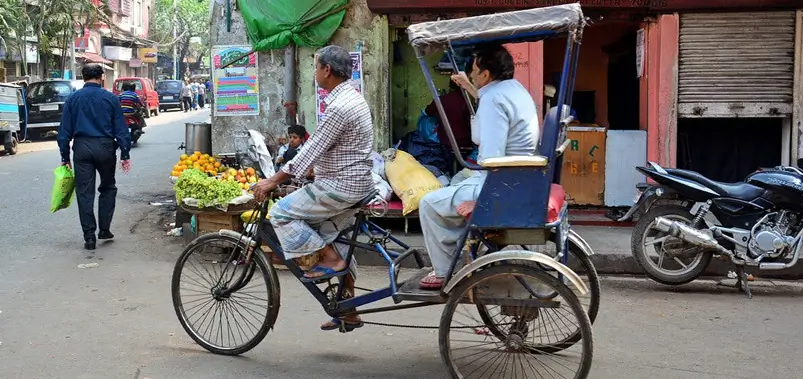
Not all rickshaw rides in Delhi deliver the same experience. While a short transfer between two locations may be practical, certain routes have become famous because they allow travelers to experience the city's history, architecture, markets, and local culture in a particularly memorable way.
The most popular route is undoubtedly the stretch connecting Jama Masjid, Chandni Chowk, and the surrounding market districts. This area represents the heart of Old Delhi and provides an extraordinary introduction to the city's historic atmosphere.
A ride beginning near Jama Masjid often passes through streets lined with traditional restaurants, old merchant houses, spice traders, fabric stores, and workshops that have been operating for generations. The density of activity is remarkable. Every few meters reveals something new, whether it is a craftsman at work, a family owned shop, or a street vendor preparing food using recipes passed down through multiple generations.
Another fascinating route passes through Khari Baoli, widely regarded as one of Asia's largest spice markets. Here, the air itself seems filled with the aroma of cardamom, cinnamon, turmeric, red chili, and countless other spices. For photographers and food enthusiasts, this area offers a unique sensory experience that cannot easily be replicated elsewhere.
Travelers interested in architecture often enjoy routes around Chawri Bazaar, where historic buildings, traditional facades, and hidden alleyways reveal another side of Old Delhi's heritage. A slow moving cycle rickshaw allows visitors to notice details that would be impossible to appreciate from a moving car.
Many guided Old Delhi rickshaw tours intentionally combine several of these routes, creating a deeper cultural experience than simple transportation from one attraction to another.
For visitors with limited time, even a thirty minute ride through these districts can provide a vivid understanding of Delhi's character and history.
Many travelers arrive expecting a rickshaw to function merely as transportation. However, a large number eventually discover that the ride itself becomes one of the highlights of their visit.
The reason is simple: Old Delhi is best experienced slowly.
Unlike modern districts where attractions are often separated by large roads and modern buildings, Old Delhi is a place where daily life unfolds directly on the streets. Walking is one option, but a cycle rickshaw offers a broader perspective while reducing physical fatigue, especially during warmer months.
Professional tour operators frequently include rickshaw tours in Delhi because they provide efficient access to locations that are difficult to reach by larger vehicles. Narrow market lanes, crowded commercial districts, and pedestrian heavy areas become much easier to explore.
Travelers often report that a rickshaw ride helps them understand the city better than visiting monuments alone. The journey reveals how residents shop, work, socialize, transport goods, and interact within these historic neighborhoods.
The experience also creates countless opportunities for photography. Street scenes change constantly. Colorful market displays, architectural details, religious landmarks, and everyday moments combine to create a visual environment unlike any other major city.
For many visitors, the ride becomes a memorable story rather than simply a transportation method.
Years later, travelers may forget specific ticket prices or hotel details, but they often remember the sensation of weaving through the bustling streets of Old Delhi while absorbing the sights, sounds, and energy surrounding them.
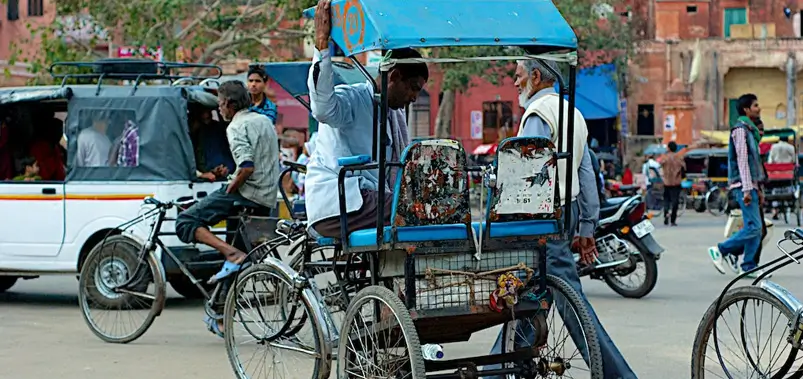
Although riding a rickshaw is relatively straightforward, certain mistakes repeatedly cause unnecessary frustration for visitors.
One of the most common errors is failing to agree on the fare before beginning the journey.
While many drivers are honest and professional, establishing the price in advance eliminates uncertainty and prevents misunderstandings at the destination. A brief conversation before departure often avoids awkward situations later.
Another mistake involves assuming every driver speaks fluent English. Some drivers communicate very effectively, while others have more limited language skills. Keeping destination names written on a phone or map can help clarify routes.
Many tourists also underestimate the physical environment of Old Delhi. The area is lively, crowded, and busy. Wearing comfortable footwear, carrying water, and securing personal belongings can make the experience more enjoyable.
Another frequent mistake is focusing entirely on photographs and missing the actual experience. While the streets provide incredible photographic opportunities, spending the entire ride looking through a camera lens can reduce awareness of the atmosphere surrounding you.
Some visitors also attempt to bargain aggressively over very small amounts of money. While negotiating fares is common, extreme bargaining over minor differences rarely enhances the experience and may create unnecessary tension.
Finally, many travelers fail to allow sufficient time. A rushed ten-minute ride cannot deliver the same experience as a more relaxed exploration of Old Delhi's markets and historic streets.
Approaching the experience with curiosity, patience, and realistic expectations usually leads to far more rewarding results.
Photography enthusiasts often consider Old Delhi one of the most rewarding urban environments in India.
A rickshaw ride provides unique photographic opportunities because the elevated seating position offers perspectives that are difficult to achieve while walking through crowded streets.
One useful technique is to focus not only on major landmarks but also on everyday moments. Vendors arranging merchandise, customers negotiating prices, workers transporting goods, and families moving through markets often create the most compelling images.
Morning rides generally provide softer lighting conditions and less crowded streets. Photographers who start early frequently capture cleaner compositions and more natural interactions.
Wide angle lenses can be particularly useful because they allow photographers to include both the subject and surrounding environment. This helps convey the density and atmosphere that make Old Delhi so distinctive.
Travelers should also remember that respect matters. While many people are comfortable being photographed, asking permission when appropriate is always a good practice.
Another effective approach involves putting the camera away occasionally and simply observing. Some of the most memorable moments occur unexpectedly and cannot always be captured perfectly.
The best photographs often emerge from genuine engagement with the environment rather than attempting to document every detail mechanically.
For visitors interested in Delhi street photography, a rickshaw ride remains one of the most productive and enjoyable ways to explore the city.
Many visitors wonder whether they should use rickshaws or simply rely on Delhi's modern metro system.
The answer depends entirely on the purpose of the journey.
The Delhi Metro is excellent for covering long distances quickly and affordably. It is modern, efficient, air-conditioned, and connects many important parts of the city. Travelers moving between major districts often find it extremely useful.
However, the metro cannot replace a rickshaw in certain situations.
Old Delhi's most interesting areas often lie beyond the reach of direct metro access. Even when stations are nearby, travelers frequently need additional transportation to navigate the dense network of streets and markets.
A cycle rickshaw provides access to areas where the metro simply cannot go.
The experience itself is also completely different.
Metro travel emphasizes efficiency. Rickshaw travel emphasizes immersion.
Travelers using the metro move quickly between destinations. Travelers using rickshaws become part of the environment they are exploring.
Most experienced visitors eventually use both systems. The metro handles longer journeys across the city, while rickshaws provide local exploration within historic districts.
Rather than viewing them as competitors, it is more useful to see them as complementary transportation options that serve different purposes.
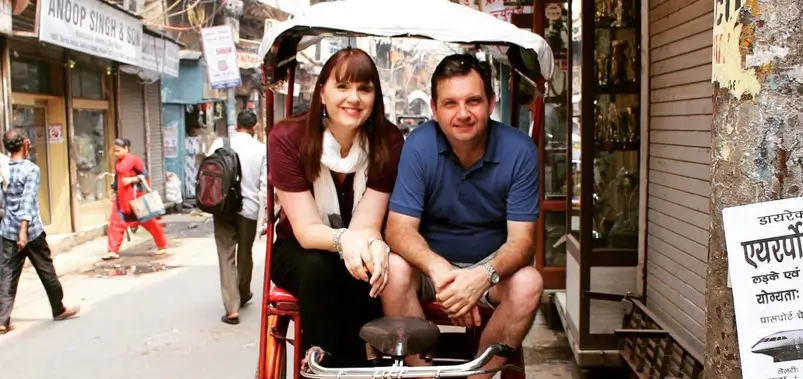
Like many major tourist destinations around the world, Delhi has occasional tourist scams. Fortunately, most are easy to avoid with basic awareness.
One common issue involves drivers quoting extremely low fares initially and then requesting significantly higher payments upon arrival. Confirming the fare before departure usually eliminates this problem.
Another situation involves unsolicited shopping stops. Some drivers receive commissions from certain stores and may encourage visitors to enter these establishments. Travelers should remember that they are under no obligation to visit any shop that does not interest them.
Occasionally, drivers may claim that an attraction is closed and suggest an alternative destination. Unless such information can be independently verified, travelers should remain cautious.
Professional drivers generally focus on transportation rather than attempting to alter sightseeing plans.
Visitors should also be wary of individuals approaching them aggressively while they are looking for transportation. Choosing drivers calmly rather than responding to pressure often leads to better experiences.
The vast majority of rickshaw drivers are hardworking individuals simply earning a living. Awareness of common tactics helps travelers distinguish between normal business practices and situations that warrant caution.
Confidence and preparation are often the best defenses against unnecessary problems.
Understanding local customs can enhance interactions with drivers and create more positive experiences.
Politeness is highly valued. Simple greetings, patience, and respectful communication often lead to warmer interactions.
Tipping is not mandatory, but it is appreciated when service has been particularly good. Drivers who are helpful, courteous, punctual, and professional often receive small gratuities from satisfied travelers.
There is no fixed amount required. Travelers typically decide based on ride length, service quality, and personal preference.
Another aspect of etiquette involves time. Drivers work hard throughout the day, often in challenging weather conditions. Respecting agreed schedules and communicating clearly regarding destinations benefits both parties.
Many travelers discover that friendly conversations with drivers become unexpectedly rewarding. Discussions about daily life, local customs, food, and family often provide insights that cannot be found in guidebooks.
Approaching the experience with respect rather than treating the driver merely as transportation frequently creates more meaningful interactions.
The human connection often becomes as memorable as the ride itself.
We promise you a holiday where everything is taken care of from the moment you land. Trusted drivers waiting for you, handpicked hotels that fit your style, personalized itineraries designed just for your family, and a dedicated team on call 24/7. All you need to do is relax, explore, and create unforgettable memories, while we take care of every detail behind the scenes.
For local exploration and cultural immersion, choose a rickshaw. For long-distance travel across the city, the metro is usually more efficient.
Absolutely. Rickshaw rides provide excellent opportunities for street and cultural photography.
Chandni Chowk, Jama Masjid, Khari Baoli, and surrounding Old Delhi markets are among the most popular areas.
Yes. Families frequently use rickshaws while exploring historic districts.
Tipping is appreciated but not mandatory.
Yes. Rickshaws are one of the best ways to explore Old Delhi's narrow streets and crowded markets.
A cycle rickshaw is human-powered, while an auto rickshaw is motorized and suitable for longer distances.
In many areas, discussing and agreeing on the fare before the ride is normal practice.
Short rides typically cost between ₹80 and ₹250, while longer sightseeing rides may cost more depending on duration and route.
Yes. Rickshaws are generally safe, particularly in busy tourist areas and during daylight hours.