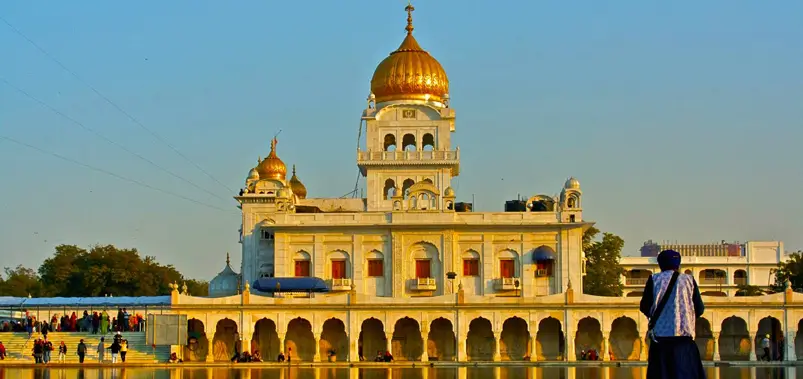
Among Delhi's many historical landmarks, few places leave as deep and lasting an impression on visitors as Gurudwara Bangla Sahib. Unlike monuments that are admired primarily for their architecture or historical significance, Bangla Sahib offers something different. It is a living spiritual center where faith, community service, equality, and hospitality come together every day.
Many travelers arrive expecting to spend thirty minutes exploring the complex before moving on to their next attraction. Instead, they often find themselves staying much longer. Some sit quietly beside the sacred water tank, observing reflections of the golden dome. Others listen to devotional music echoing through the prayer hall. Many visitors participate in the community kitchen and witness one of the world's most remarkable examples of voluntary service in action.
Located in the heart of New Delhi, Gurudwara Bangla Sahib is among the most important Sikh places of worship in India. It welcomes people of every nationality, religion, culture, and background. No entrance fee is charged, no special invitation is required, and visitors are treated with the same warmth regardless of who they are or where they come from.
For first time visitors to India, Bangla Sahib often becomes one of the most memorable experiences of the entire trip. In a city known for its energy, traffic, and constant movement, the Gurudwara offers an atmosphere of peace and reflection that feels remarkably different from the busy streets outside.
Yet despite its welcoming nature, many international travelers are unsure about appropriate behavior. Questions commonly arise regarding dress code, photography, footwear, head coverings, prayer hall etiquette, and participation in the famous community meal known as langar.
Understanding these customs before visiting allows travelers to feel comfortable and respectful while gaining a deeper appreciation of the values that define Sikhism and the remarkable spirit of service that has made Bangla Sahib one of Delhi's most beloved landmarks.
To truly appreciate the significance of Gurudwara Bangla Sahib, it helps to understand the history that transformed this site into one of the most important Sikh landmarks in India.
The location was originally a bungalow belonging to Raja Jai Singh, a prominent ruler during the seventeenth century. At that time, the property was known simply as Jai Singh's bungalow, which later evolved into the name "Bangla Sahib."
The site's spiritual significance emerged during the visit of Guru Har Krishan, the eighth Sikh Guru. Despite his young age, Guru Har Krishan became widely respected for his compassion, humility, and dedication to helping those in need.
During his stay in Delhi, the city was suffering from outbreaks of disease, including smallpox and cholera. According to Sikh tradition, Guru Har Krishan devoted himself to caring for the sick and suffering. He provided comfort, assistance, and spiritual guidance to people regardless of social status or religious background.
His willingness to serve others during a time of crisis left a profound impact on the community. Eventually, the location where he stayed became a place of remembrance and devotion.
Over time, the original bungalow was transformed into the magnificent Gurudwara seen today. The white marble structure, golden dome, and expansive prayer complex attract thousands of visitors daily, including both worshippers and tourists.
The story of Guru Har Krishan remains central to the identity of Bangla Sahib. His example of selfless service continues to inspire the values practiced within the Gurudwara today.
For visitors, understanding this history provides important context. Bangla Sahib is not simply a historical monument. It is a place where the principles of compassion, equality, and service remain active parts of daily life.
These values can be observed everywhere within the complex, from the prayer halls to the community kitchen and volunteer activities that take place throughout the day.
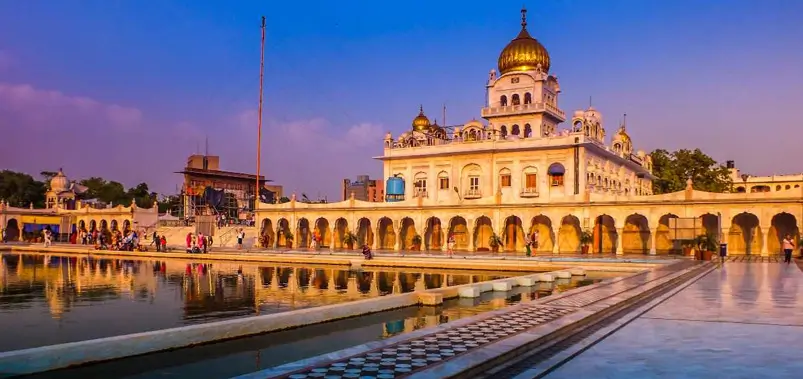
Many visitors approach Bangla Sahib after spending time exploring Delhi's busy streets, government districts, and commercial areas. The transition can be striking.
The moment travelers enter the complex, the atmosphere changes noticeably. Traffic noise begins to fade. The pace of movement slows. The environment feels calmer and more contemplative.
One of the first features visitors notice is the stunning golden dome that rises above the white marble structure. Reflections shimmer across the sacred water tank, creating one of the most recognizable scenes in Delhi.
The architecture itself is impressive, but what often surprises visitors is the sense of openness. Unlike many religious sites around the world, Bangla Sahib does not create barriers between worshippers and visitors. People from diverse backgrounds move through the complex together, sharing the same spaces with mutual respect.
The large courtyard provides room for reflection and observation. Families, pilgrims, international tourists, local residents, and volunteers all contribute to the atmosphere.
Another memorable aspect is the sound.
Throughout the day, devotional Sikh hymns known as kirtan are performed inside the prayer hall. The music flows through the complex and creates a peaceful backdrop for visitors exploring the grounds.
Many travelers who arrive with no particular religious interest find themselves unexpectedly moved by the environment. The combination of architecture, music, hospitality, and spiritual energy creates an experience that feels authentic rather than staged for tourism.
Unlike attractions designed primarily for sightseeing, Bangla Sahib remains a functioning place of worship. Visitors are witnessing real religious life rather than a historical recreation.
This authenticity is one reason why so many travelers consider it one of Delhi's most meaningful experiences.
One of the reasons Bangla Sahib feels so welcoming is that its expectations are simple and based on respect rather than strict formality.
The most important requirement is covering the head.
Every visitor, regardless of gender or religious background, must cover their head before entering the main areas of the Gurudwara. Scarves are commonly used for this purpose, and head coverings are available near the entrance for those who arrive without one.
Shoes must also be removed.
Visitors leave footwear in designated storage areas before entering the complex. Facilities are organized efficiently, and attendants help manage the process smoothly.
Cleanliness plays an important role in Sikh tradition. Before entering certain areas, visitors walk through shallow water channels designed to help clean their feet.
Dress should be modest and respectful. While there is no requirement for traditional clothing, excessively revealing outfits are discouraged. Comfortable clothing that covers shoulders and knees is generally appropriate.
Inside the prayer hall, visitors should remain quiet and avoid disruptive behavior. Photography policies may vary in different sections of the complex, so observing signs and respecting instructions from staff is important.
Many visitors choose to sit on the floor inside the prayer hall for a period of reflection. There is no expectation that non-Sikhs participate in prayers, but respectful observation is encouraged.
The guiding principle is simple: behave with the same courtesy you would show when entering any sacred place.
Travelers who follow these basic customs typically find the experience comfortable, welcoming, and deeply rewarding.
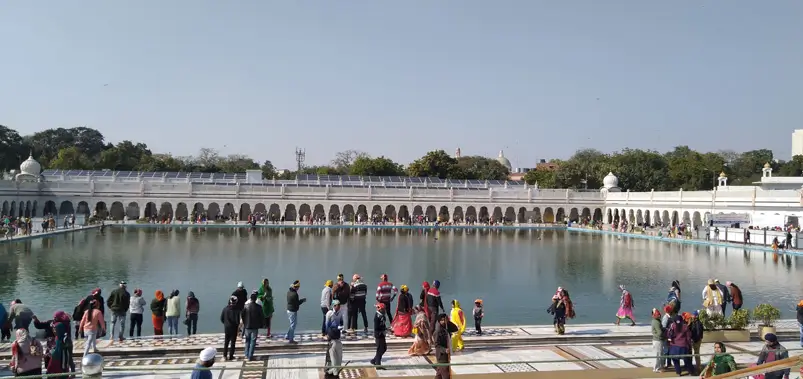
One of the defining features of Gurudwara Bangla Sahib is the large sacred water tank known as the Sarovar.
The shimmering water surrounding the central complex is more than an architectural feature. It holds deep spiritual significance for worshippers and plays an important role in the history and identity of the Gurudwara.
According to Sikh tradition, the water is associated with the healing legacy of Guru Har Krishan. Many devotees believe the Sarovar symbolizes compassion, service, and spiritual purification.
Throughout the day, visitors can be seen sitting quietly along its edges. Some pray, others reflect, and many simply enjoy the peaceful atmosphere created by the combination of water, architecture, and devotional music.
For photographers, the Sarovar provides some of the most beautiful views within the complex. The reflection of the golden dome against the water creates particularly striking images during sunrise and sunset.
Yet despite its visual appeal, the Sarovar is not merely a photographic attraction.
The atmosphere surrounding it encourages contemplation. Even travelers with no religious affiliation often find themselves spending time here, away from the noise and activity of the city.
In a destination famous for monuments and historical sites, the Sarovar offers something different: a space dedicated to stillness and reflection.
Many visitors later describe these quiet moments beside the water as among the most memorable parts of their time in Delhi.
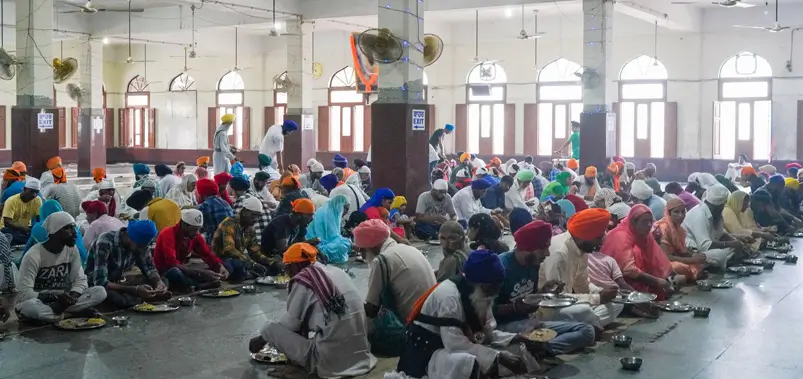
If there is one experience that truly defines the spirit of Gurudwara Bangla Sahib, it is the tradition of Langar.
For many first time visitors, the concept seems almost unbelievable. Every day, thousands of people are served freshly prepared meals completely free of charge. There are no tickets, no reservations, no membership requirements, and no distinction based on religion, nationality, social status, wealth, or background.
Everyone sits together.
This principle lies at the heart of Sikh philosophy. The practice of Langar was established to promote equality and eliminate social divisions. Whether someone is a business executive, a laborer, a student, a tourist, or a religious leader, everyone receives the same meal while sitting side by side.
Visitors entering the dining area immediately notice the scale of the operation. Volunteers move efficiently through large halls carrying fresh food. Rows of people sit on the floor waiting for meals to be served. The atmosphere is organized, respectful, and remarkably welcoming.
Typical meals often include lentils, vegetables, rice, chapati bread, and simple desserts depending on the day's menu. The food is vegetarian, allowing people from various cultural and religious backgrounds to participate comfortably.
For many international travelers, eating in the Langar hall becomes one of the most meaningful moments of their India trip. It provides a direct experience of Sikh values rather than simply learning about them through books or guided tours.
The meal itself is important, but the message behind it is even more powerful.
In a world often divided by economic differences, social status, and cultural boundaries, Langar demonstrates a practical model of equality in action.
Many visitors leave with a deeper understanding of why community service occupies such a central place within Sikh tradition.
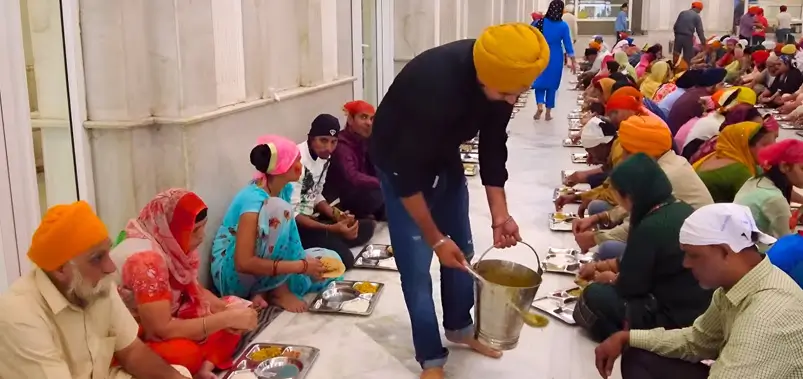
Another remarkable aspect of Bangla Sahib is the practice of Seva, which refers to selfless service performed without expectation of reward.
Throughout the complex, volunteers contribute their time and energy to support the daily operation of the Gurudwara. Some help prepare food in the kitchens. Others wash dishes, clean floors, organize footwear areas, distribute drinking water, or assist visitors.
What makes Seva particularly inspiring is that participants come from all walks of life. Professionals, students, retirees, business owners, and community members often volunteer side by side.
Many visitors are surprised by the scale of volunteer participation required to support the thousands of people who visit Bangla Sahib every day.
The kitchens alone require enormous coordination. Ingredients must be prepared, meals cooked, serving areas maintained, and dishes cleaned continuously. Yet much of this work is performed by volunteers motivated by a desire to contribute to the community.
International visitors are often welcome to observe these activities and, in some cases, participate in simple volunteer tasks if appropriate arrangements are available.
Watching Seva in action provides valuable insight into Sikh values.
Rather than focusing solely on worship, the tradition emphasizes practical acts of kindness and service. Helping others is viewed not as an occasional activity but as a fundamental part of spiritual life.
For travelers accustomed to viewing religious institutions primarily as places of prayer, this emphasis on active service can be particularly eye opening.
The spirit of Seva transforms Bangla Sahib from a place people simply visit into a community that continuously serves others.
One of the reasons Gurudwara Bangla Sahib has become so popular among international travelers is its openness toward visitors from all backgrounds.
People sometimes hesitate before visiting because they worry about doing something incorrectly or appearing disrespectful. Fortunately, the Gurudwara is accustomed to welcoming guests from around the world.
Visitors are not expected to know Sikh prayers, rituals, or religious practices.
What matters most is respect.
Covering the head, removing shoes, dressing modestly, and maintaining appropriate behavior are generally sufficient. Staff members and volunteers understand that many visitors are experiencing Sikh traditions for the first time.
Inside the prayer hall, travelers may choose to sit quietly and observe. Some listen to devotional music. Others spend time reflecting or simply appreciating the atmosphere.
There is no pressure to participate in religious activities.
The experience is designed to be inclusive.
Many visitors find this openness refreshing. Rather than feeling like outsiders, they are treated as welcome guests.
Questions are often welcomed when asked respectfully. Learning about Sikh history, philosophy, and traditions can greatly enrich the visit.
Travelers should remember that Bangla Sahib is first and foremost a place of worship. Approaching the experience with humility and curiosity usually leads to meaningful interactions and a deeper appreciation of the culture.
For many people, this welcoming spirit becomes one of the most memorable aspects of their visit.
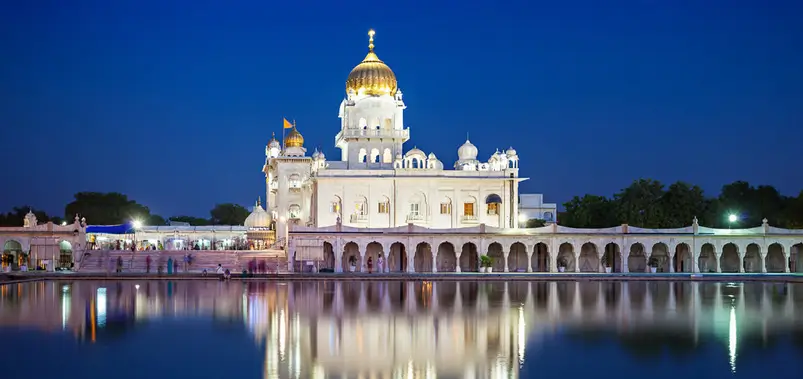
Bangla Sahib is among the most photogenic locations in Delhi.
The combination of white marble architecture, golden domes, reflective water, and devotional activity creates exceptional opportunities for photography.
However, visitors should always remember that they are in a sacred environment.
Photography is generally permitted in many outdoor areas of the complex, but specific rules may apply in certain sections. Signs and instructions from staff should always be respected.
Inside prayer halls, photography restrictions may be more stringent. Visitors should avoid disrupting worshippers or treating religious spaces as purely photographic subjects.
The best time for photography is often early morning.
Morning light creates beautiful reflections across the Sarovar and provides softer illumination for architectural photography. The atmosphere is also typically quieter, allowing visitors to appreciate the peaceful environment.
Late afternoon and sunset are equally impressive. The changing light creates dramatic reflections and enhances the visual contrast between the white marble and golden dome.
Nighttime visits offer another perspective. The illuminated complex reflected in the water creates some of the most striking images in Delhi.
Beyond photography, timing influences the overall visitor experience.
Early mornings often feel more contemplative. Midday tends to be busier. Evenings combine active worship with beautiful lighting conditions.
Regardless of when you visit, allowing sufficient time is important. Many travelers initially plan a short stop but end up staying much longer than expected.
Bangla Sahib rewards patience and encourages visitors to slow down.
One reason Bangla Sahib is easy to include in a Delhi itinerary is its central location and excellent accessibility.
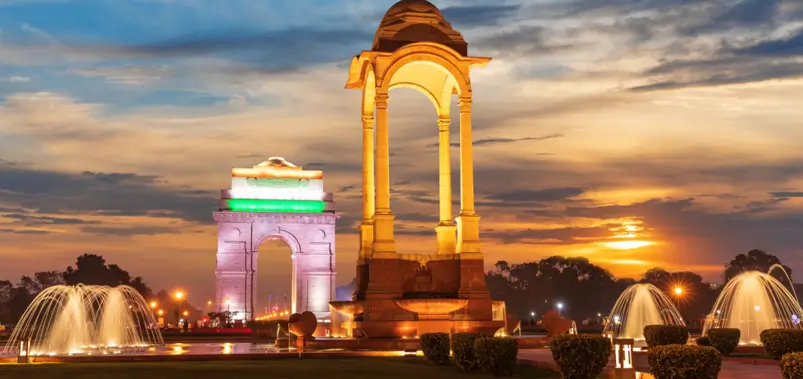
The Gurudwara is situated near Connaught Place and is reachable by taxi, private vehicle, metro, and other forms of transportation. Many visitors combine a visit with nearby attractions such as India Gate, Connaught Place, or the government district.
The complex generally remains accessible for extended hours, allowing travelers flexibility when planning their visit. However, checking current timings before arrival is always advisable.
Facilities for visitors are well organized.
Footwear storage areas operate efficiently. Drinking water is readily available. Cleanliness standards throughout the complex are impressive, especially considering the large number of visitors.
Security measures are present but generally unobtrusive.
The atmosphere remains welcoming while ensuring the safety and comfort of worshippers and guests.
Families with children, senior travelers, solo visitors, and international tourists typically find the environment easy to navigate.
Many travelers are surprised by the level of organization and hospitality available throughout the complex.
The practical infrastructure supports the larger goal of making everyone feel welcome regardless of their background.
Although visiting Bangla Sahib is straightforward, a few common mistakes can reduce the quality of the experience.
One of the biggest is treating the Gurudwara like a conventional tourist attraction.
While the architecture is impressive, focusing only on photographs often means missing the deeper aspects of the visit. Spending time listening to the music, observing community service, and reflecting quietly can be far more rewarding.
Another mistake is rushing.
Many visitors allocate only twenty or thirty minutes. In reality, Bangla Sahib is best appreciated slowly. Sitting beside the Sarovar, participating in Langar, or spending time in the prayer hall can easily require several hours.
Some travelers also forget to dress appropriately. Modest clothing and head coverings help ensure a respectful visit.
Others become overly concerned about making mistakes. The Gurudwara is extremely welcoming, and visitors who approach the experience respectfully rarely encounter problems.
Perhaps the most significant mistake is skipping Langar entirely.
Many people arrive curious about the architecture but leave most impressed by the sense of community and equality demonstrated through the shared meal.
Taking time to experience this tradition often transforms a simple sightseeing stop into a meaningful cultural encounter.
Delhi contains countless attractions. Visitors can explore forts, tombs, markets, museums, temples, and monuments throughout the city.
Yet Bangla Sahib occupies a unique place among them.
Unlike historical sites preserved primarily for their past significance, Bangla Sahib remains deeply connected to everyday life. Worship continues. Community meals continue. Volunteers continue serving others. The values that inspired the Gurudwara centuries ago remain visible today.
Many travelers arrive expecting to admire a beautiful building.
They leave talking about kindness.
They remember volunteers preparing meals, strangers sharing food together, devotional music filling the prayer hall, and the peaceful atmosphere surrounding the Sarovar.
These experiences create emotional connections that extend beyond architecture or history.
Bangla Sahib demonstrates that spiritual sites can remain relevant in modern life by actively serving their communities and welcoming people from every background.
For countless visitors, it becomes one of the most meaningful places they encounter in India.
Not because it is the largest monument or the oldest building, but because it offers a powerful reminder of values that resonate across cultures: compassion, humility, equality, and service.
We promise you a holiday where everything is taken care of from the moment you land. Trusted drivers waiting for you, handpicked hotels that fit your style, personalized itineraries designed just for your family, and a dedicated team on call 24/7. All you need to do is relax, explore, and create unforgettable memories, while we take care of every detail behind the scenes.
The Gurudwara commemorates Guru Har Krishan and represents Sikh values of equality, compassion, hospitality, and selfless service.
Opportunities may be available depending on the circumstances, though visitors should inquire respectfully with staff or volunteers.
The Sarovar is the sacred water tank surrounding the central Gurudwara complex.
Most visitors benefit from spending at least one to two hours exploring the complex and experiencing Langar.
Photography is generally allowed in outdoor areas, but visitors should respect posted rules and restrictions.
Yes. All visitors are welcome to participate in the community meal.
Yes. Head coverings are generally available near the entrance for visitors who need them.
Visitors should dress modestly and cover their heads before entering.
No. Visitors of all religions and nationalities are welcome.
Yes. There is no entrance fee for visiting the Gurudwara.