One of the first decisions travelers face when planning a trip to Delhi is choosing where to stay. Unlike many cities that have a single central district, Delhi offers two dramatically different worlds that exist side by side. On one hand, there is Old Delhi, a historic maze of bustling markets, Mughal architecture, street food stalls, and centuries old neighborhoods. On the other hand, there is New Delhi, a spacious, organized, and modern district known for wide boulevards, luxury hotels, diplomatic enclaves, shopping districts, and major government buildings.
For first time visitors, the choice can feel confusing. Travel photos often showcase the chaos and charm of Old Delhi while luxury travel guides frequently recommend hotels in New Delhi. Some travelers want to immerse themselves in local culture and history, while others prioritize comfort, convenience, and easy access to transportation.
The truth is that neither side is objectively better. The ideal choice depends entirely on your travel style, expectations, budget, interests, and comfort level. A photographer searching for authentic street scenes may have completely different priorities than a luxury traveler seeking five star accommodations. Similarly, a family traveling with young children may value convenience and quiet surroundings more than proximity to crowded markets.
Understanding the differences between these two parts of Delhi can help travelers avoid disappointment and choose accommodations that align with their travel goals. The contrast between Old Delhi and New Delhi is one of the most fascinating aspects of India's capital, and each side offers a completely different perspective on the city.
Before booking a hotel, it is worth understanding what daily life feels like in each area, what attractions are nearby, how transportation works, and what type of atmosphere you can expect throughout your stay.
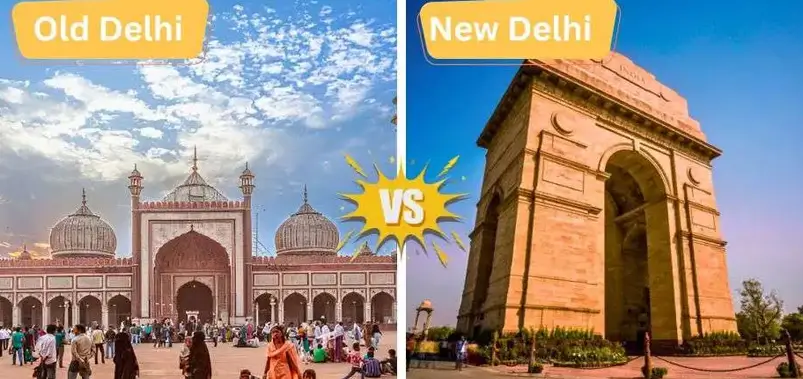
To understand where you should stay, it helps to first understand why these two areas feel so different.
Old Delhi was established in the seventeenth century by Mughal Emperor Shah Jahan, who also commissioned the construction of the Taj Mahal. The city was originally known as Shahjahanabad and served as the capital of the Mughal Empire. Many of its most famous landmarks, including Jama Masjid, Red Fort, and the markets of Chandni Chowk, date back to this period.
Walking through Old Delhi feels like stepping into a living historical document. Narrow lanes twist through densely populated neighborhoods. Traditional shops sell spices, textiles, jewelry, books, and sweets. Street vendors compete for attention while rickshaws weave through crowds. Layers of history are visible everywhere.
New Delhi tells a very different story. During British colonial rule, planners designed a new capital south of Old Delhi. Completed during the early twentieth century, New Delhi was built with grand avenues, spacious government districts, and European inspired architecture.
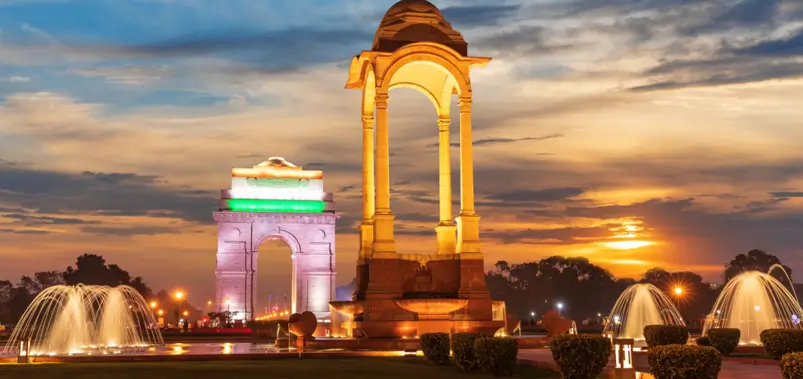
Today, New Delhi contains landmarks such as India Gate, Rashtrapati Bhavan, Humayun's Tomb, and many diplomatic missions. It is generally cleaner, more organized, and easier to navigate than Old Delhi.
For visitors, these historical differences influence everything from hotel locations to dining options, transportation, and the overall travel experience. Staying in Old Delhi means waking up in the middle of a vibrant historic district. Staying in New Delhi often means easier access to modern amenities and a more relaxed environment.
The historical contrast is not merely academic. It shapes every aspect of a visitor's stay and helps explain why travelers often have strong preferences for one area over the other.
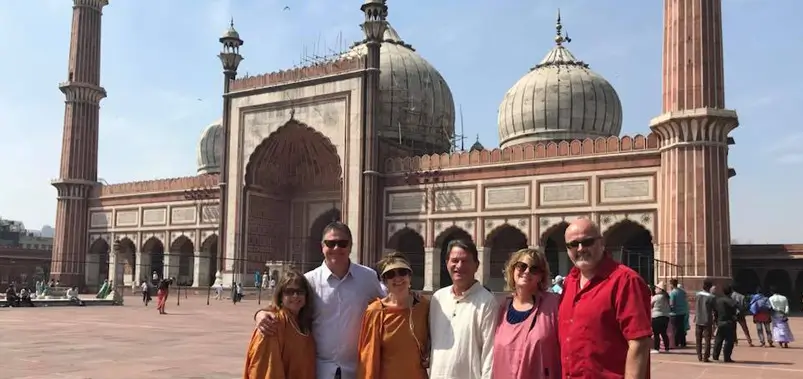
Old Delhi is one of the most energetic urban environments in India. It is loud, colorful, crowded, fascinating, and completely unforgettable.
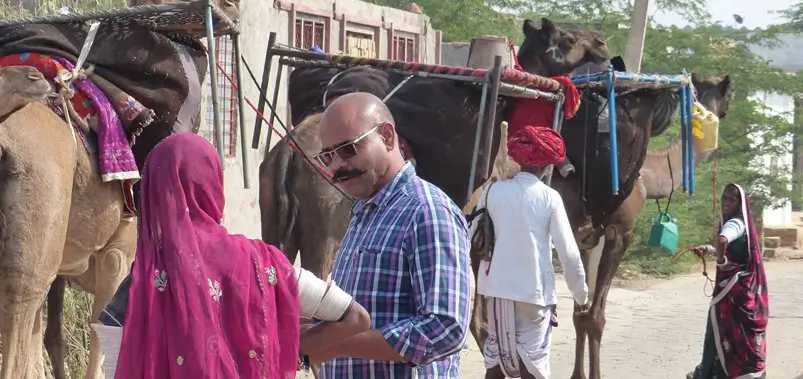
Travelers staying here often describe the experience as immersive. The streets begin to come alive early in the morning. Markets open, food vendors prepare breakfast, and thousands of residents go about their daily routines. Every walk becomes an opportunity to observe local life, traditional commerce, and cultural practices that have existed for generations.
One of the biggest advantages of staying in Old Delhi is proximity to some of the city's most important historical attractions. Visitors can easily access Red Fort, Jama Masjid, Chandni Chowk, Raj Ghat, and numerous heritage sites without spending significant time in traffic.
Food enthusiasts often love Old Delhi because some of the city's most famous culinary destinations are located here. Traditional Mughlai cuisine, historic sweet shops, street snacks, and family run restaurants provide memorable dining experiences that many travelers consider highlights of their trip.
However, Old Delhi is not for everyone. The area can feel overwhelming, particularly for first time visitors to India. Streets are often crowded, traffic can be chaotic, and noise levels remain high throughout much of the day.
Luxury accommodation options are also limited compared to New Delhi. While several heritage properties and boutique hotels offer comfortable stays, travelers seeking large international hotel brands typically find more choices elsewhere.
Transportation can require additional planning. Although the Delhi Metro connects many parts of the city efficiently, navigating Old Delhi's narrow streets sometimes requires walking or using cycle rickshaws.
Travelers who enjoy cultural immersion, street photography, history, architecture, and authentic local experiences often find Old Delhi deeply rewarding. Those expecting quiet surroundings and modern urban planning may prefer a different area.
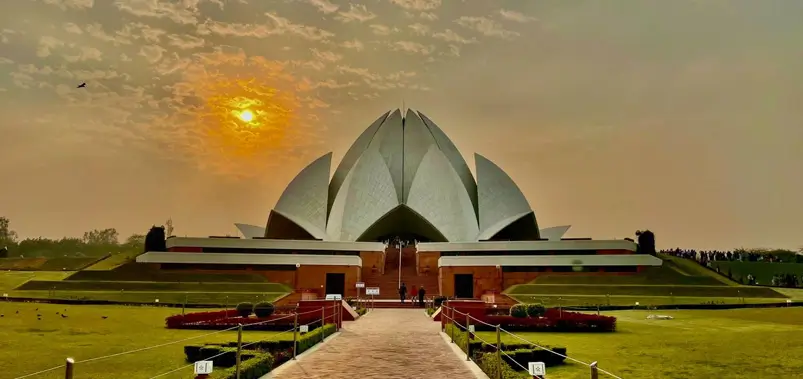
While Old Delhi attracts adventurous travelers, New Delhi remains the preferred base for most international visitors.
One reason is convenience. New Delhi offers a wider selection of hotels across every budget category. Luxury travelers can choose properties such as The Oberoi New Delhi, Taj Palace, and The Imperial. Mid-range travelers and families also benefit from numerous international and domestic hotel options.
Another advantage is accessibility. Major roads are wider, navigation is easier, and transportation infrastructure is generally more efficient. Visitors can reach many attractions without dealing with the intense congestion that characterizes parts of Old Delhi.
Areas such as Connaught Place, Aerocity, Chanakyapuri, and central New Delhi offer excellent dining options, modern shopping facilities, cafés, bars, and cultural venues. Travelers often appreciate having familiar conveniences available after a busy day of sightseeing.
Safety perception also influences accommodation choices. While both Old Delhi and New Delhi receive millions of visitors annually, many first time international travelers feel more comfortable staying in New Delhi because of its organized layout and stronger tourism infrastructure.
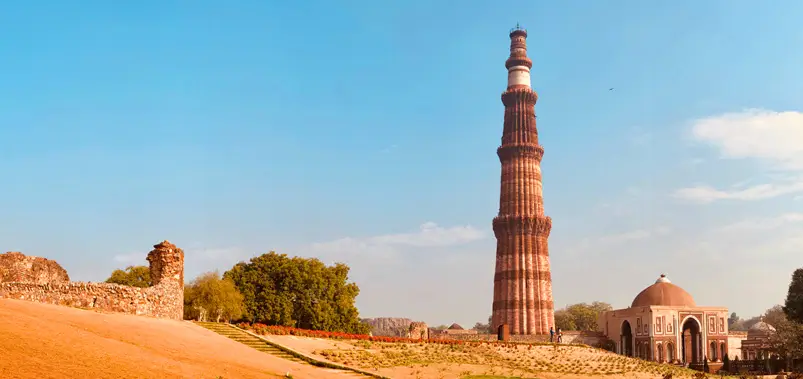
New Delhi also serves as a practical base for exploring the rest of the city. Attractions such as Humayun's Tomb, Qutub Minar, India Gate, Lotus Temple, and several museums are located nearby. Efficient road connections and metro access make it easy to visit Old Delhi during the day and return to a quieter hotel environment in the evening.
For travelers arriving on long international flights, New Delhi's comfort and convenience often create a smoother introduction to India. The area provides an easier transition before venturing into the more intense environments found elsewhere in the city.

The choice between Old Delhi and New Delhi becomes clearer when comparing everyday travel experiences.
Hotel quality differs significantly. New Delhi offers the widest range of luxury hotels, international brands, business hotels, and upscale boutique properties. Old Delhi focuses more on heritage stays, guesthouses, and smaller accommodations.
Dining experiences also vary. Old Delhi excels in traditional cuisine, historic eateries, and street food culture. New Delhi offers a broader mix of fine dining restaurants, international cuisine, modern cafés, and upscale dining experiences.
Transportation favors New Delhi in terms of convenience. Roads are wider, navigation is easier, and ride hailing services operate more smoothly. Old Delhi often requires patience due to congestion and pedestrian traffic.
Atmosphere represents the most important difference. Old Delhi feels intensely local, historic, and energetic. New Delhi feels modern, spacious, and internationally oriented.
Travelers interested in architecture may enjoy both areas equally, but for different reasons. Old Delhi showcases Mughal heritage, while New Delhi highlights colonial planning and modern development.
Families frequently prefer New Delhi because of larger hotel rooms, cleaner surroundings, and easier transportation. Solo travelers interested in cultural immersion may find Old Delhi more rewarding.
Budget travelers can find accommodation in both areas, though value depends heavily on individual priorities. A lower priced room in Old Delhi may provide greater cultural access, while a slightly more expensive room in New Delhi may offer additional comfort.
Ultimately, neither area replaces the other. They complement each other, presenting two distinct perspectives of Delhi's identity.
.webp)
Different travelers naturally gravitate toward different parts of Delhi.
Luxury travelers typically choose New Delhi. Premium hotels, private transfers, fine dining, spa facilities, and personalized services are more widely available. Business travelers also benefit from proximity to diplomatic districts and commercial centers.
Families usually prefer New Delhi because it offers predictable infrastructure, quieter neighborhoods, larger accommodations, and easier logistics. Parents often appreciate the ability to return to a calm hotel environment after sightseeing.
History enthusiasts frequently enjoy staying near Old Delhi because major historical attractions are within easy reach. Waking up near centuries old monuments creates a unique sense of connection to the city's past.
Photographers often choose accommodations that allow frequent access to Old Delhi's markets, mosques, and street scenes. Early morning photography opportunities are particularly valuable.
Food focused travelers sometimes stay in New Delhi while making dedicated visits to Old Delhi's culinary districts. This approach combines comfort with access to famous dining experiences.
First time visitors generally have the smoothest experience staying in New Delhi and exploring Old Delhi during guided day trips or independent excursions. This strategy balances convenience with cultural immersion.
Repeat visitors often experiment with different neighborhoods after becoming familiar with the city. Many discover that staying in both areas during separate visits provides the most complete understanding of Delhi.
The best choice depends less on what guidebooks recommend and more on the type of experience you want each day when stepping outside your hotel.
Regardless of where you stay, Delhi rewards curiosity and flexibility. Modern transportation options make it possible to explore both sides of the city efficiently. Staying in New Delhi does not prevent you from spending time in Old Delhi, and staying in Old Delhi does not limit access to attractions elsewhere.
Many experienced travelers spend mornings exploring one area and afternoons discovering another. A day might begin with breakfast in New Delhi, continue with sightseeing in Old Delhi, and end with dinner at a contemporary restaurant back in the modern part of the city.
What matters most is understanding your personal travel priorities before booking accommodation. Travelers seeking comfort, convenience, and premium services often feel happiest in New Delhi. Those looking for atmosphere, heritage, and cultural immersion may find Old Delhi more memorable.
The contrast between these two districts is one of Delhi's greatest strengths. Together, they tell the story of a city that has evolved through centuries while preserving connections to its remarkable past.

We promise you a holiday where everything is taken care of from the moment you land. Trusted drivers waiting for you, handpicked hotels that fit your style, personalized itineraries designed just for your family, and a dedicated team on call 24/7. All you need to do is relax, explore, and create unforgettable memories, while we take care of every detail behind the scenes.
For travelers spending several days in the city, splitting time between both areas can provide a more complete Delhi experience.
Both have important attractions nearby, but New Delhi offers easier access to a wider range of sites across the city.
Most luxury travelers choose New Delhi because of its premium hotels and upscale dining scene.
Both are excellent. Old Delhi is famous for traditional markets, while New Delhi offers modern shopping districts and luxury retail options.
Some parts of Old Delhi remain active well into the evening and can be noisier than most New Delhi neighborhoods.
New Delhi offers a much larger selection of luxury, mid-range, and international hotel brands.
Absolutely. Travelers interested in history, culture, food, and photography often consider it one of the most memorable parts of Delhi.
Yes. Many travelers stay in New Delhi and take day trips to Old Delhi using the metro, taxis, or guided tours.
Most first-time international travelers prefer New Delhi because of its convenience, transportation options, and hotel selection.
Both areas receive large numbers of visitors. New Delhi generally feels more organized, while Old Delhi requires greater awareness due to crowds and busy markets.