For many international travelers arriving in India, Delhi is more than just an entry point. It is often the first introduction to the country’s history, culture, architecture, food, traditions, and everyday life. Yet one of the most common questions travelers ask while planning a Delhi itinerary is surprisingly simple: how many days should you actually spend in Delhi?
The answer depends on your travel style, interests, and the overall length of your India journey. Some visitors see Delhi as a quick stop before heading to Agra and Jaipur on a Golden Triangle Tour, while others stay longer to explore centuries of history, world famous monuments, vibrant markets, spiritual sites, and culinary experiences.
Delhi is not a city that reveals itself immediately. At first glance, it may seem busy, crowded, and overwhelming. However, after spending time exploring its historic neighborhoods, grand Mughal monuments, elegant colonial districts, bustling bazaars, and peaceful gardens, travelers often realize there is far more to Delhi than expected.
The city is essentially a collection of several historical capitals built over centuries by different rulers. From the narrow lanes of Old Delhi to the wide avenues of New Delhi, every part of the city tells a different story. Understanding how much time to allocate can significantly improve your travel experience and help you avoid rushing through some of India's most important attractions.
Whether you are planning a short stopover, a dedicated city break, or the starting point of a longer India adventure, knowing the ideal number of days in Delhi can help you create a realistic and enjoyable itinerary.
Many first time visitors make the mistake of treating Delhi as merely a transit city. They arrive, spend one night, visit a few attractions, and leave for Agra. While this approach works for travelers with limited vacation time, it often means missing much of what makes Delhi fascinating.
Delhi contains layers of history spanning more than a thousand years. The city has witnessed the rise and fall of numerous dynasties, empires, and rulers. Each era left behind architectural masterpieces, cultural traditions, and neighborhoods that still influence daily life.
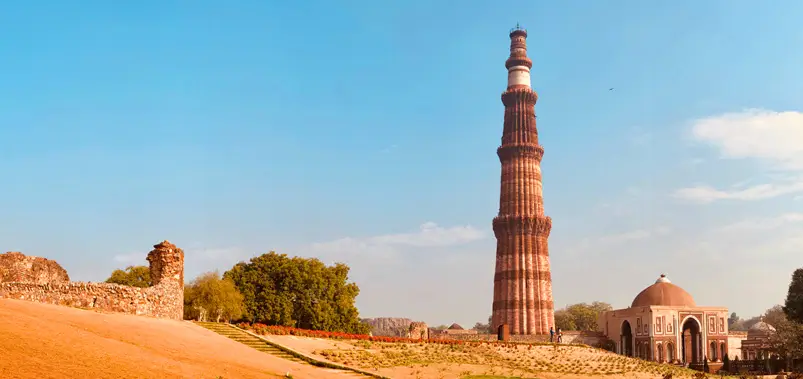
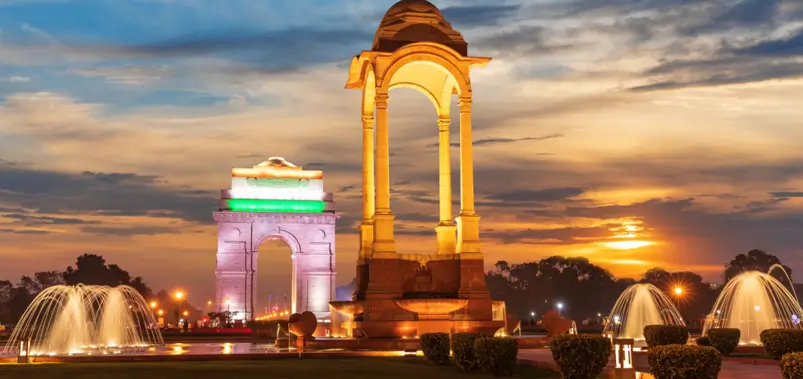
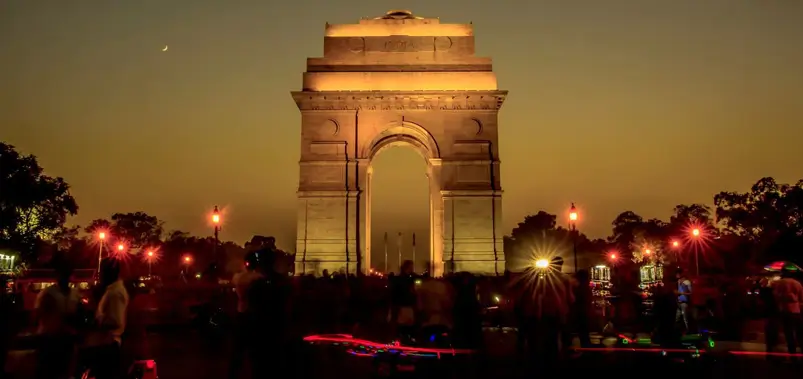
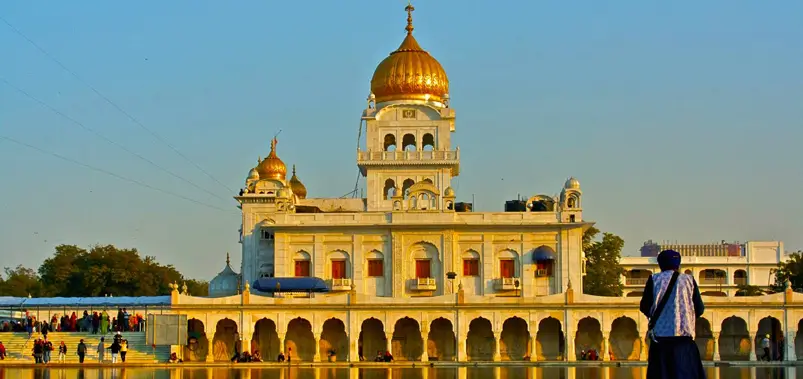
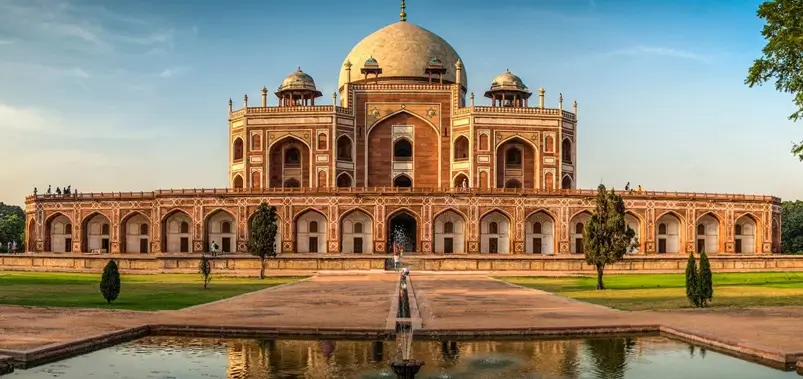
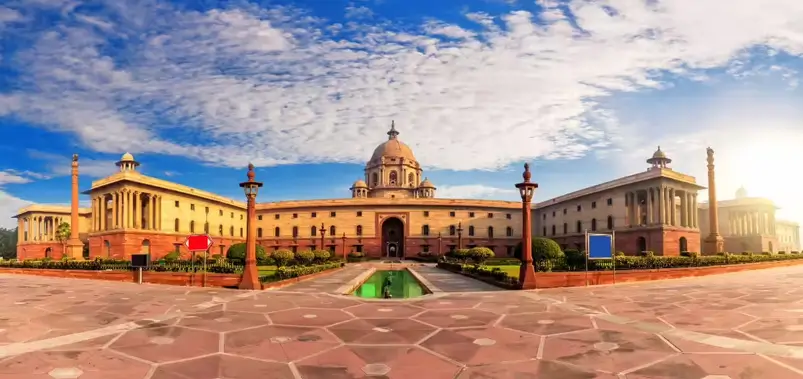
A traveler interested in history can spend hours exploring the magnificent Qutub Minar, wandering through the impressive halls of Humayun's Tomb, or learning about India's independence movement near India Gate and the nearby government district. Those interested in spirituality can visit the peaceful Gurudwara Bangla Sahib, admire the architecture of the Lotus Temple, or experience the grandeur of Jama Masjid.
Food lovers often discover that Delhi alone can justify several days of travel. Street food in Old Delhi, traditional North Indian cuisine, fine dining experiences, modern cafes, and regional specialties from across India create one of the country's most diverse culinary scenes.
Shopping is another reason travelers extend their stay. Markets such as Chandni Chowk, Khan Market, Dilli Haat, Janpath, and Connaught Place offer everything from handcrafted souvenirs to luxury goods. Each market presents a completely different atmosphere and shopping experience.
Delhi also serves as an excellent base for cultural activities. Walking tours, heritage tours, photography walks, cooking classes, food tours, and evening cultural performances provide deeper insights into local life beyond the major monuments.
When travelers rush through Delhi in a single day, they often see only a small fraction of what the city offers. Spending additional time allows for a more relaxed pace and a richer understanding of India's capital.
A single day in Delhi can provide a brief introduction to the city, but it is far from sufficient for a complete experience.
If you only have one day available, your schedule will need to focus on the highlights. Most travelers choose a combination of major landmarks such as India Gate, Qutub Minar, Humayun's Tomb, Lotus Temple, and a short visit to Old Delhi. Even with efficient transportation and an early start, fitting all these attractions into one day requires careful planning.
Traffic is an important consideration. Delhi is a large metropolitan area, and travel times between attractions can be longer than visitors anticipate. Distances that appear short on a map may take considerable time during peak traffic hours.
With just one day, travelers typically spend more time moving between locations than fully appreciating them. There is little opportunity to enjoy local food, explore markets, visit museums, or experience the city's cultural atmosphere.
A one day visit works best for travelers with a long layover or those combining Delhi with other destinations on a tight schedule. It allows visitors to gain a basic impression of the city and see some of its most famous landmarks.
However, many travelers who spend only one day in Delhi later regret not allocating more time. The city requires patience and curiosity. Its most rewarding experiences often emerge when visitors move beyond the major tourist attractions and begin exploring its neighborhoods, food culture, and historical layers.
For travelers seeking more than a quick overview, one day should be considered the absolute minimum rather than the ideal duration.
For most international travelers, spending two to three days in Delhi provides the best balance between sightseeing and comfort.
Two days allow visitors to divide the city into manageable sections. One day can focus on the historical attractions of New Delhi, while another can be dedicated to the energy and heritage of Old Delhi. This approach creates a much more enjoyable experience and reduces the feeling of rushing from one site to another.
A typical first day may include Humayun's Tomb, Qutub Minar, India Gate, Rashtrapati Bhavan viewpoints, and the Lotus Temple. These attractions showcase Delhi's architectural diversity and historical significance.
The second day can be spent exploring Old Delhi. Travelers can walk through Chandni Chowk, visit Jama Masjid, experience a traditional rickshaw ride, sample famous local foods, and visit Raj Ghat. The atmosphere in Old Delhi differs dramatically from New Delhi, giving visitors a broader understanding of the city.
Adding a third day creates opportunities for deeper exploration. Travelers can visit museums, explore lesser known monuments, enjoy guided heritage walks, spend time shopping, or participate in cultural experiences. The extra day also provides flexibility if weather conditions or traffic affect sightseeing plans.
Three days is particularly suitable for visitors interested in photography, architecture, food, and cultural experiences. It allows time to appreciate attractions rather than simply checking them off a list.
Many experienced India travelers recommend three days because it offers enough time to understand Delhi's character without significantly reducing time available for destinations such as Agra, Jaipur, Varanasi, or Rajasthan.
For travelers planning a Golden Triangle Tour, three days in Delhi often creates the most balanced itinerary.
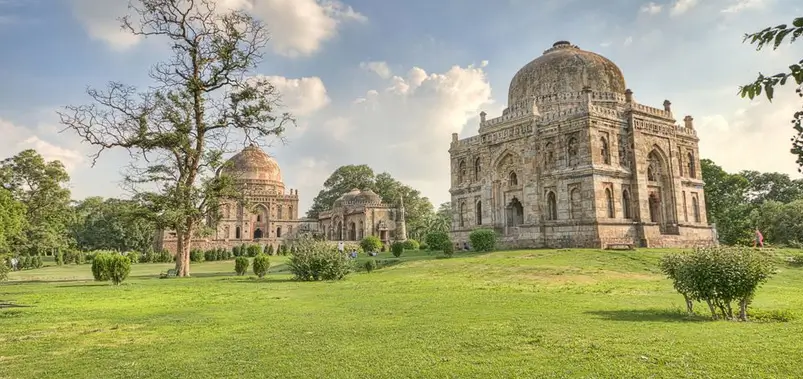
Although many visitors allocate two or three days, some travelers benefit significantly from spending four or five days in Delhi.
History enthusiasts often find that major attractions alone can occupy several days. Sites such as Purana Qila, Safdarjung Tomb, Agrasen Ki Baoli, Lodhi Gardens, National Museum, National Gallery of Modern Art, and numerous lesser known monuments provide endless opportunities for exploration.
Food focused travelers may dedicate entire days to culinary experiences. Delhi's dining scene extends far beyond tourist recommendations. Traditional Mughlai restaurants, modern Indian fine dining establishments, regional cuisine from across India, and hidden local favorites can easily fill multiple days.
Photography enthusiasts often appreciate the opportunity to revisit locations at different times of day. Early morning light at Humayun's Tomb, sunset views near India Gate, and evening street scenes in Old Delhi all offer unique perspectives.
Longer stays also make sense for travelers interested in local culture. Cooking classes, artisan workshops, literary events, cultural performances, and guided neighborhood walks provide experiences that go beyond standard sightseeing.
Delhi's location also allows convenient day trips. Travelers staying four or five days may include nearby destinations while maintaining a relaxed pace within the city itself.
Luxury travelers frequently choose longer stays because premium hotels, wellness experiences, fine dining opportunities, and personalized tours enhance the overall experience. Properties such as The Imperial, The Oberoi New Delhi, and Maidens Hotel offer experiences that encourage visitors to spend additional time enjoying the city rather than rushing onward.
Four to five days may seem lengthy at first, but travelers with broad interests often discover that Delhi rewards a slower pace and deeper exploration.
The ideal number of days ultimately depends on the type of traveler you are.
Fast paced travelers focused primarily on major landmarks may be satisfied with one or two days. Their goal is usually to see the most famous attractions before continuing to other destinations.
Balanced travelers generally benefit from three days. This timeframe allows enough flexibility to experience history, culture, food, and shopping without feeling rushed.
Luxury travelers often prefer four days or more because they enjoy immersive experiences, personalized tours, fine dining, and premium accommodations. Additional time allows them to appreciate Delhi's sophistication alongside its historical treasures.
Families traveling with children frequently benefit from a slower schedule. Shorter sightseeing days combined with parks, cultural activities, and comfortable hotel stays create a more enjoyable experience for all age groups.
Senior travelers may also prefer additional days because Delhi's attractions are spread across a large area. Extra time reduces physical strain and creates opportunities for rest between sightseeing activities.
Photographers, historians, writers, and cultural enthusiasts often find that even five days is not excessive. Delhi contains enough depth and variety to reward extended exploration.
When planning an India itinerary, it is important to remember that Delhi is not simply a gateway city. It is one of the country's most historically significant and culturally diverse destinations. The more time travelers spend understanding its many layers, the richer their overall experience becomes.
Rather than asking how quickly Delhi can be completed, a better question may be how deeply you wish to experience it.
We promise you a holiday where everything is taken care of from the moment you land. Trusted drivers waiting for you, handpicked hotels that fit your style, personalized itineraries designed just for your family, and a dedicated team on call 24/7. All you need to do is relax, explore, and create unforgettable memories, while we take care of every detail behind the scenes.
The most common mistake is allocating too little time and treating Delhi solely as a transit destination.
Absolutely. The city offers luxury hotels, private guides, fine dining, wellness experiences, and curated cultural tours.
Yes. Several nearby destinations can be visited from Delhi while using the city as your primary base.
A full day is recommended to properly experience Old Delhi's monuments, markets, food, and atmosphere.
Connaught Place, Aerocity, and central New Delhi are popular choices for international travelers.
Yes. Delhi is a key part of the Golden Triangle Tour and provides important historical and cultural context.
Most travelers spend more time in Delhi because it offers a wider range of attractions and experiences.
Two days can cover most major attractions in both Old Delhi and New Delhi if planned efficiently.
Yes, but only the main highlights. One day is enough for a brief overview but not for a complete experience.
Most first-time visitors find that three days provide a balanced introduction to Delhi's history, culture, food, and major attractions.