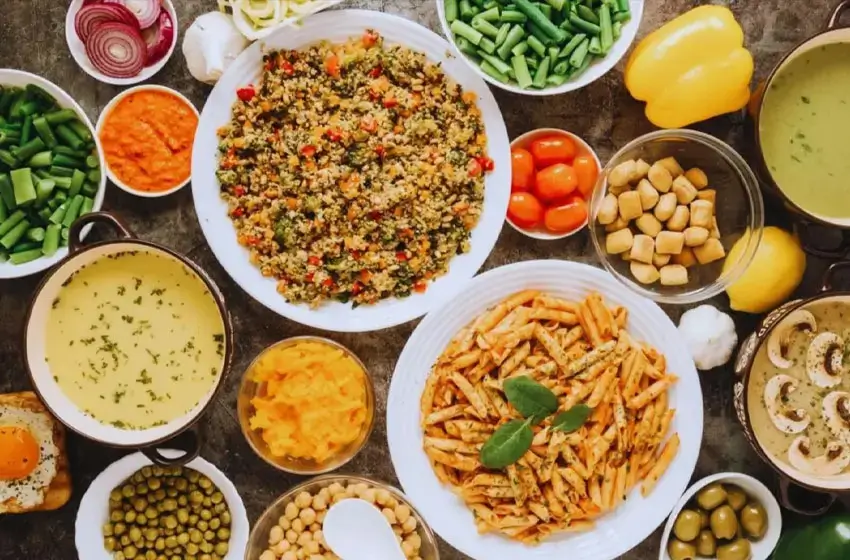
India is often considered one of the easiest countries in the world for vegetarian travelers, and for many international visitors this becomes one of the biggest surprises of the journey. Travelers arriving for a Golden Triangle India Tour quickly discover that vegetarian cuisine is not treated as a niche dietary request in India. Instead, vegetarian food forms a deeply rooted part of daily culture, religion, family traditions, hospitality, and regional cooking across much of the country.
For vegan travelers, the experience is also increasingly comfortable, especially within Delhi, Agra, Jaipur, and luxury tourism sectors where restaurants, hotels, and private chefs now understand global dietary preferences much more clearly than before.
At the same time, first-time visitors often arrive with practical questions and concerns. Travelers wonder whether restaurants will understand vegan requests properly, whether food will be too spicy, whether luxury hotels provide enough healthy options, or whether they will spend the entire trip eating repetitive curry dishes every day.
The reality is far more exciting. A well-planned Golden Triangle Tour India can become an extraordinary culinary journey filled with regional specialties, Mughal cuisine, Rajasthan flavors, luxury dining experiences, organic wellness meals, rooftop restaurants, farm-to-table concepts, traditional thalis, street snacks, and elegant fine dining.
India’s food diversity is enormous. Delhi alone offers sophisticated vegan cafés, luxury hotel restaurants, Punjabi vegetarian classics, South Indian breakfasts, street food tours, and international fusion cuisine. Jaipur combines royal Rajasthan dining traditions with heritage hotel hospitality, while Agra introduces rich Mughal culinary influences alongside modern luxury dining.
Luxury travelers generally experience vegetarian and vegan travel especially comfortably because premium hotels, palace properties, and organized private tours customize meals carefully according to guest preferences.
Another important point is that vegetarianism in India differs culturally from Western vegetarian dining. Indian cuisine naturally contains vast numbers of plant-based dishes developed over centuries rather than simply replacing meat artificially.
Vegan travelers still need practical awareness because dairy products such as milk, butter, yogurt, cream, paneer, and ghee appear frequently in Indian cuisine. However, modern restaurants increasingly adapt dishes upon request.
Food becomes one of the most emotionally memorable parts of an India journey. Travelers who approach Indian cuisine with curiosity and flexibility usually discover flavors and dining experiences unlike anywhere else in the world.
For anyone planning a private Golden Triangle India Tour, understanding how vegetarian and vegan travel works practically helps create a much more relaxed, enjoyable, and delicious journey.
One of the biggest reasons international travelers love vegetarian travel in India is because vegetarian food feels culturally normal rather than limited or secondary.
In many Western countries, vegetarian dining sometimes revolves around substitutions or modified meat dishes. In India, however, entire culinary traditions evolved around vegetarian cooking itself. Generations of recipes, spices, lentils, breads, vegetables, rice dishes, and regional specialties developed independently as complete cuisines.
Large parts of India’s population traditionally follow vegetarian diets influenced by Hindu, Jain, and other cultural or spiritual practices. As a result, restaurants across Delhi, Jaipur, Agra, and Rajasthan already understand vegetarian dining deeply.
Travelers quickly notice that vegetarian options often dominate menus rather than appearing as small side sections.
Another major advantage is variety. Indian vegetarian cuisine extends far beyond stereotypical curry dishes. During a Golden Triangle India Tour, travelers may enjoy:
Luxury hotels often elevate vegetarian dining even further through curated fine-dining experiences, chef-designed tasting menus, and beautifully presented regional cuisine.
Travelers also appreciate how flavorful Indian vegetarian cooking becomes through spices, herbs, slow cooking techniques, and layered textures.
Another important point is that vegetarian food in India often feels emotionally authentic rather than commercially trendy. Families, street vendors, palace kitchens, and luxury chefs all participate naturally within this culinary tradition.
Even small restaurants usually understand vegetarian requests immediately without confusion.
Travelers who normally struggle finding vegetarian options during international trips often feel unexpectedly relaxed while traveling through India.
Many visitors also discover that vegetarian dining helps them feel physically lighter and more comfortable during sightseeing-heavy itineraries involving forts, palaces, markets, and long drives.
The combination of cultural acceptance, culinary diversity, and hospitality awareness makes India exceptionally rewarding for vegetarian travelers.
While vegetarian travel in India feels extremely easy, vegan travelers should prepare slightly more carefully because dairy ingredients remain deeply integrated into many traditional Indian dishes.
Milk, yogurt, butter, cream, paneer cheese, and especially ghee (clarified butter) appear frequently throughout North Indian cooking, luxury hotel cuisine, sweets, breads, and restaurant gravies.
The good news is that vegan awareness has increased dramatically in Delhi, Jaipur, Agra, and India’s luxury tourism sector. Premium restaurants, boutique cafés, wellness retreats, and luxury hotels now regularly accommodate vegan requests from international guests.
Luxury travelers often enjoy excellent vegan dining experiences because chefs at premium properties willingly customize meals individually.
Travelers should still communicate clearly and specifically. Simply saying “vegetarian” is not enough for vegan dining because many Indian vegetarian dishes still contain dairy.
Useful phrases include requests such as:
Professional guides and private tour operators also help communicate dietary preferences effectively throughout the journey.
Delhi especially offers excellent vegan-friendly dining scenes with organic cafés, international vegan menus, wellness-focused restaurants, smoothie bars, and modern plant-based concepts.
Luxury hotels in Jaipur increasingly provide vegan breakfast options including fresh fruit, oats, plant-based milk alternatives, breads, salads, and customized cooked dishes.
Travelers should also understand that accidental dairy inclusion sometimes happens because certain ingredients such as ghee are culturally considered “normal” in traditional cooking.
Patience and polite clarification usually solve these situations easily.
Another positive reality is that many naturally vegan Indian foods already exist traditionally, including:
Travelers focused on wellness and plant-based lifestyles often find India surprisingly compatible once they understand ingredient patterns clearly.
Luxury India travel increasingly overlaps with wellness tourism, yoga retreats, Ayurvedic cuisine, organic dining, and mindful eating experiences - all highly supportive for vegan travelers.
One of the greatest pleasures of visiting India is discovering how diverse and flavorful the cuisine becomes across different regions and cities.
Delhi offers one of India’s most exciting culinary scenes for vegetarian and vegan travelers. Travelers may enjoy rich North Indian classics, Mughlai-inspired vegetarian dishes, modern fusion restaurants, organic cafés, and famous street snacks.
Some highly popular vegetarian dishes include:
For vegan travelers, many dishes can be customized easily by removing butter, cream, or yogurt.
Jaipur introduces travelers to traditional Rajasthan cuisine, which feels richer and more royal historically. Luxury heritage hotels often present beautiful Rajasthan thalis containing multiple dishes together.
Popular vegetarian Rajasthan specialties include:
Agra combines Mughal influences with North Indian classics and luxury dining experiences overlooking the Taj Mahal.
Street food lovers often enjoy trying carefully selected local snacks through organized culinary tours or trusted guides rather than random experimentation.
Luxury travelers increasingly book curated food walks or private chef experiences because they combine authenticity with stronger hygiene standards and personalized dietary support.
Another important point is that spice levels can usually be adjusted. Travelers should not assume every Indian dish is overwhelmingly spicy.
Many premium restaurants specifically adapt flavors for international guests while preserving authentic culinary character.
Fresh breads such as naan, roti, and kulcha also become major highlights throughout the trip, especially when paired with flavorful vegetable dishes and lentils.
Indian desserts also offer fascinating experiences, though vegan travelers should verify dairy content carefully because many traditional sweets contain milk products.
The sheer variety available throughout the Golden Triangle often surprises even experienced international food travelers.
Luxury Hotels & Fine Dining for Vegetarian and Vegan Travelers in India
Luxury hospitality in India has evolved enormously, especially within the premium tourism sector serving international travelers. Vegetarian and vegan guests staying in palace hotels, Oberoi properties, Taj Hotels, boutique heritage resorts, and luxury wellness retreats usually receive excellent culinary support.
One major advantage of luxury travel is customization. Premium chefs regularly adapt dishes according to dietary restrictions, allergies, wellness goals, and personal preferences.
Luxury breakfast buffets in Delhi, Agra, and Jaipur often include:
Many luxury hotels now ask guests about dietary requirements before arrival itself.
Fine dining experiences across Rajasthan and the Golden Triangle also increasingly highlight regional vegetarian cuisine as premium gastronomy rather than simple traditional food.
Heritage palace hotels in Jaipur often create elegant vegetarian tasting menus inspired by royal Rajasthan kitchens.
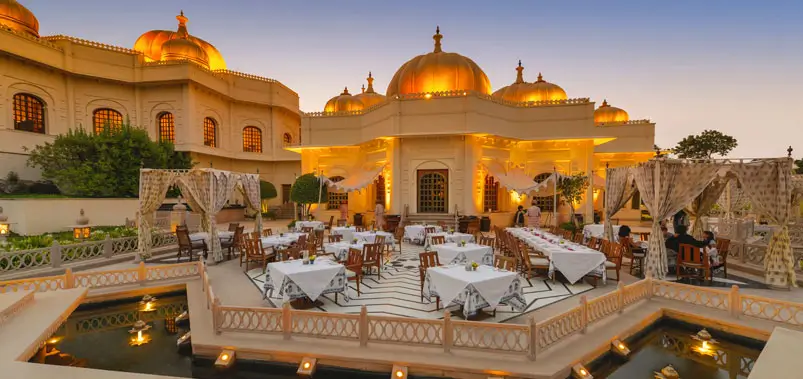
Luxury travelers also enjoy rooftop restaurants, garden dining, wellness cafés, and curated culinary events inside premium properties.
Another major advantage involves hygiene confidence. Travelers nervous about food safety usually feel much more comfortable dining inside established luxury environments where international hospitality standards remain extremely high.
Private India tour operators also help travelers identify trusted restaurants matching dietary preferences throughout the journey.
Vegan travelers especially benefit from premium hospitality because chefs understand ingredient customization far better compared with smaller traditional eateries.
Luxury wellness tourism in India continues growing rapidly, creating even stronger vegan-friendly infrastructure connected with Ayurveda, yoga retreats, detox cuisine, and plant-based wellness concepts.
Many travelers later realize that food became one of the most luxurious and emotionally memorable aspects of the entire India trip.
Dining in India often extends beyond eating itself - it becomes part of the broader cultural and sensory experience.
Food Safety, Spice Levels & Stomach Comfort for Vegetarian Travelers
Many first-time visitors worry that Indian food will automatically feel too spicy or difficult for their stomachs. In reality, most travelers manage Indian cuisine comfortably when they approach meals gradually and intelligently.
One major mistake tourists make is overeating rich food immediately after long international flights. Jet lag, dehydration, exhaustion, and sudden heavy meals often create discomfort unrelated to actual food quality.
Luxury travelers generally adapt more comfortably because their itineraries involve cleaner restaurants, organized pacing, bottled water, and better recovery time between sightseeing activities.
Travelers concerned about spice can simply request:
Premium restaurants and luxury hotels adjust flavors regularly for international guests.
Another important point is that Indian cuisine itself varies enormously. Some dishes feel creamy and mild, while others become intensely spiced depending on region and preparation style.
Hydration also matters greatly. Travelers should drink sufficient bottled water throughout sightseeing days, especially during Rajasthan travel and monument visits.
Vegetarian travelers often actually experience fewer digestive problems than meat-heavy tourists because plant-based Indian meals can feel lighter and easier during travel.
Street food remains one area requiring practical caution. Organized food tours or trusted local recommendations usually provide much safer and more enjoyable experiences than random experimentation.
Travelers should also avoid excessive fear around Indian food. Millions of tourists enjoy extraordinary culinary experiences throughout India successfully every year.
Balanced awareness works much better than paranoia.
Many experienced travelers eventually realize Indian vegetarian cuisine became one of the strongest reasons they wanted to return to India again.
One fascinating pattern many tour operators notice is that vegetarian and vegan travelers often become some of the most emotionally connected visitors to India.
Part of this comes from relief. Travelers accustomed to struggling with limited vegetarian options in other countries suddenly experience menus filled with exciting plant-based choices naturally integrated into local culture.
Another reason involves emotional warmth around food itself. Indian hospitality strongly emphasizes feeding guests generously and respectfully. Meals often feel deeply personal rather than transactional.
Luxury travelers especially enjoy how palace hotels, boutique properties, and premium restaurants transform vegetarian dining into elegant cultural experiences.
India also offers strong overlap between wellness travel, spirituality, yoga, Ayurveda, and mindful eating - all areas often valued highly by vegetarian and vegan travelers already.
Many tourists discover new ingredients, spices, cooking methods, and food philosophies during their India journey.
The sensory richness of Indian cuisine also surprises many visitors. Layers of spices, textures, aromas, breads, chutneys, lentils, and vegetables create extraordinary culinary depth even without meat.
Travelers interested in sustainability, wellness, and conscious travel often feel naturally aligned with many traditional Indian food practices.
Another important emotional factor is inclusiveness. Vegetarian travelers in India rarely feel like “special cases” needing awkward menu modifications constantly.
Instead, they often feel fully integrated into the mainstream culinary experience itself.
For vegan travelers, the rapid modernization of India’s luxury dining scene creates even greater comfort than many expect before arrival.
India’s food culture remains one of the strongest emotional memories travelers carry home after completing a Golden Triangle India Tour.

We promise you a holiday where everything is taken care of from the moment you land. Trusted drivers waiting for you, handpicked hotels that fit your style, personalized itineraries designed just for your family, and a dedicated team on call 24/7. All you need to do is relax, explore, and create unforgettable memories, while we take care of every detail behind the scenes.
Yes, India is considered one of the best countries in the world for vegetarian travelers because vegetarian cuisine forms a major part of local culture.
Yes, especially in Delhi, Agra, Jaipur, and luxury hotels where vegan awareness has increased significantly.
Vegan travelers should watch for milk, butter, yogurt, paneer, cream, and especially ghee.
Yes, most luxury hotels now provide vegan meal customization and understand international dietary requests clearly.
No, spice levels can usually be adjusted according to traveler preference.
Popular dishes include dal makhani, paneer tikka, aloo paratha, vegetable biryani, and chole bhature.
Yes, but travelers should choose trusted busy vendors or organized food tours for safer experiences.
Yes, Rajasthan offers many famous vegetarian specialties and rich traditional cuisine.
Many modern restaurants and luxury hotels do, especially when requests are communicated clearly.
India offers enormous plant-based variety, strong cultural acceptance of vegetarianism, flavorful cuisine, and memorable hospitality experiences.