One of the first questions international travelers ask before visiting India is whether the water is safe to drink. The concern is understandable because stories about stomach problems, food hygiene, and traveler illness often circulate online before people arrive. For many first-time visitors planning a Golden Triangle India Tour, anxiety about drinking water sometimes becomes so strong that it overshadows excitement about the actual journey.
The reality is much more practical and manageable than many travelers expect. Millions of international tourists visit India every year successfully while staying healthy and comfortable throughout their trip. Most problems can be avoided easily through simple habits, smart food choices, reliable bottled water usage, and basic travel awareness.
The most important thing travelers should understand is that foreign visitors generally should not drink regular tap water in India directly unless specifically informed otherwise by trusted luxury hotels or premium international properties. This does not mean travel in India is unsafe. It simply means tourists should follow sensible drinking habits similar to many other international destinations where local water systems differ from what travelers are accustomed to at home.
Luxury travelers often experience very few issues because premium hotels, private tours, luxury restaurants, and organized travel operators already maintain strong hygiene standards for international guests. Problems occur more commonly when tourists ignore practical precautions, consume random street beverages carelessly, or assume their bodies will adjust instantly to unfamiliar bacteria and environmental conditions.
Another important point is that “water safety” involves more than just bottled water itself. Ice cubes, washed salads, fresh juices, street drinks, dental hygiene, and restaurant cleanliness all influence traveler comfort during an India trip.
Many tourists also become overly paranoid unnecessarily. They avoid all local food, constantly fear illness, and spend the trip anxious instead of informed. India’s hospitality infrastructure has evolved enormously, especially across Delhi, Agra, Jaipur, Rajasthan, and major luxury tourism destinations.
Professional private India tour operators, luxury hotels, and experienced guides understand international traveler concerns very well. Organized tours usually provide bottled water daily, recommend trusted restaurants, and help visitors navigate food and beverage choices comfortably.
Travelers who approach the issue practically rather than fearfully usually enjoy India’s incredible cuisine and cultural experiences without major health problems.
The goal is not avoiding India’s food culture - it is understanding how to enjoy it intelligently and comfortably.
For anyone planning a Golden Triangle India Tour, simple hydration and hygiene awareness can make the entire journey feel much more relaxed and enjoyable.
The short answer for most foreign travelers is simple: tourists generally should avoid drinking regular tap water directly in India unless staying inside highly trusted luxury environments specifically confirming filtered safety.
This recommendation is not unique to India. Travelers visiting many countries across Asia, Africa, South America, and parts of the Middle East follow similar precautions because local water systems, purification methods, and bacterial environments differ from what visitors’ bodies are accustomed to.
Even if local residents drink certain water safely, international travelers may react differently because their immune systems are unfamiliar with local bacteria. The issue often involves adjustment rather than “dirty water” in a simplistic sense.
Luxury hotels across Delhi, Agra, Jaipur, and Rajasthan usually use advanced water filtration systems for kitchens, restaurants, and guest facilities. However, most still recommend bottled drinking water for international guests simply as a precautionary standard.
One common mistake tourists make is assuming small accidental exposure automatically causes severe illness. In reality, most travelers who follow reasonable habits experience no major problems throughout their India trip.
Another important reality is that India’s tourism infrastructure understands these concerns extremely well. Bottled water is widely available everywhere from luxury hotels and airports to restaurants, cafés, supermarkets, and roadside stops.
Travelers should also remember that hydration remains extremely important during India travel because climate conditions, sightseeing, heat exposure, and long road journeys increase dehydration risk significantly.
Avoiding water entirely out of fear becomes unhealthy quickly, especially during warmer months.
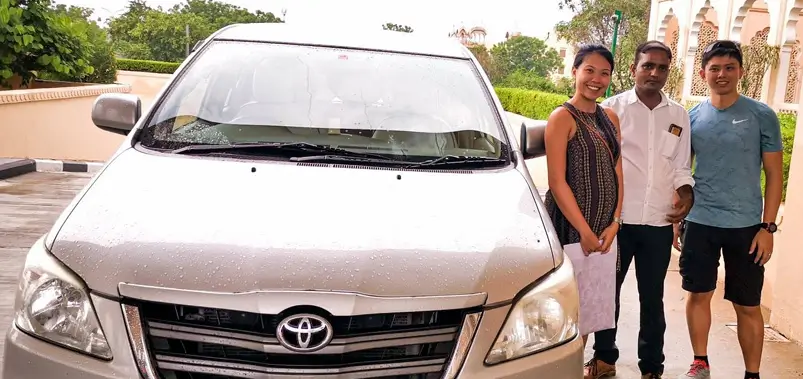
Luxury travelers usually receive complimentary sealed bottled water daily through hotels, chauffeurs, or organized tours. Professional drivers often keep extra bottles inside vehicles throughout sightseeing days.
Travelers should also pay attention to bottle seals carefully. Purchasing unopened branded bottles from reliable locations remains the safest and simplest strategy.
Another common question involves brushing teeth with tap water. Most luxury travelers use bottled water for brushing initially during the first days of the trip, especially if they feel cautious. Many experienced travelers gradually become more relaxed later depending on destination and comfort level.
India’s major tourism cities are highly accustomed to foreign visitors, and practical water precautions have become standard parts of organized travel culture.
The smartest approach is balanced awareness rather than fear-driven behavior.
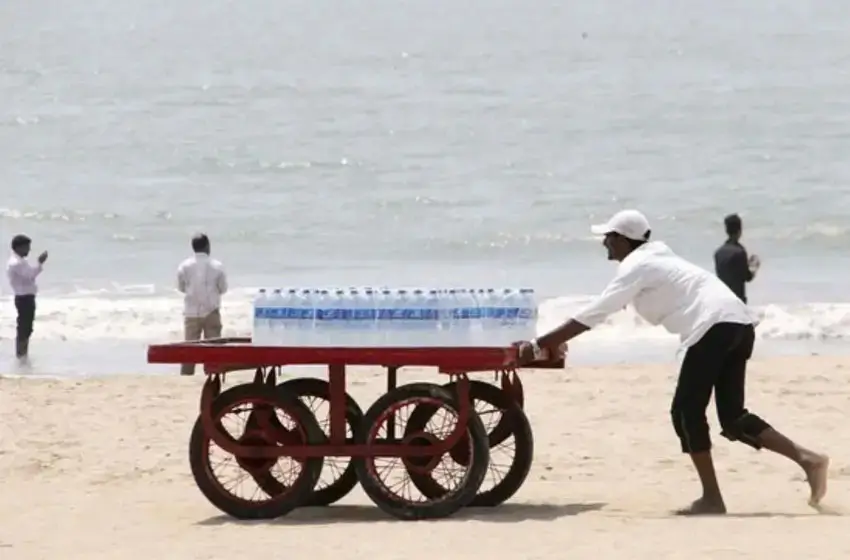
Bottled water remains the easiest and safest hydration option for most tourists traveling across India. International visitors quickly notice that bottled water is available almost everywhere throughout Delhi, Agra, Jaipur, Rajasthan, airports, hotels, restaurants, cafés, and highway stops.
Some of the most commonly trusted bottled water brands include:
Luxury hotels and premium restaurants often provide complimentary bottled water daily, especially within organized Golden Triangle private tours.
Travelers should always check that bottle seals remain unopened before drinking. This simple habit prevents most potential problems immediately.
Another smart habit involves carrying extra water throughout sightseeing days. The Taj Mahal, Amber Fort, Jaipur markets, Old Delhi, and Rajasthan forts often involve significant walking under warm weather conditions.
Many travelers underestimate how quickly dehydration develops during India travel, especially when combined with jet lag and long road journeys.
Luxury travelers often appreciate private chauffeurs because vehicles typically remain stocked with chilled bottled water throughout the journey.
One common mistake tourists make is waiting until already thirsty before drinking water. India’s climate frequently requires more consistent hydration compared with cooler Western destinations.
Another useful tip involves avoiding random refilled bottles sold by unofficial street vendors. Purchasing water from hotels, restaurants, supermarkets, airports, or trusted stores remains safest.
Some experienced travelers also carry portable water purification bottles or purification tablets for extra flexibility during extended rural travel, safari journeys, or remote excursions. However, this is usually unnecessary for standard Golden Triangle India Tours focused on luxury or mid-range travel.
Travelers should also remember that alcohol, spicy food, long flights, and heat exposure all increase dehydration risk further.
Premium India hotels often place multiple complimentary water bottles inside rooms daily. Travelers should confirm whether additional bottles involve extra charges at luxury properties, though many include them freely.
Hydration becomes especially important during Rajasthan travel because desert climates and sightseeing conditions can become physically demanding.
Safe bottled water habits are simple, inexpensive, and extremely effective. Most tourists staying mindful about hydration experience comfortable and healthy journeys throughout India.
Many travelers worry about bottled water but forget that ice cubes, juices, smoothies, and restaurant beverages may also involve water-related exposure indirectly.
The good news is that luxury hotels, premium restaurants, and high-end cafés across Delhi, Agra, Jaipur, and major tourist cities usually use filtered or purified water systems for ice and beverage preparation.
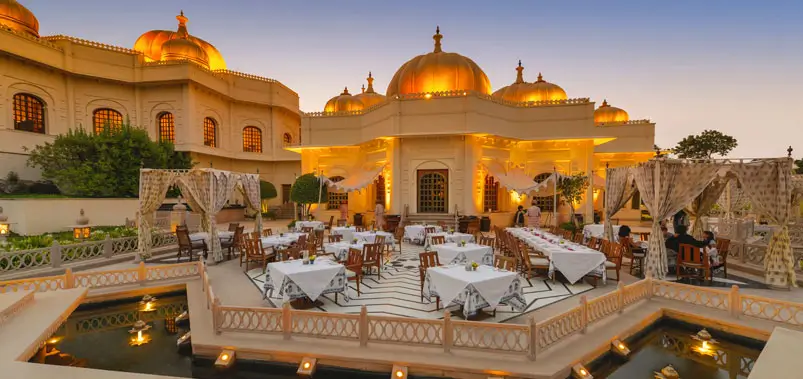
Luxury travelers staying inside palace hotels, Oberoi properties, Taj Hotels, and premium restaurants generally enjoy cocktails, coffee, tea, and iced beverages comfortably without major concerns.
However, caution becomes more important with random roadside juice stalls or extremely low-budget cafés where purification standards may vary significantly.
Fresh fruit juices remain one of India’s most popular travel refreshments, especially during warm weather. Mango juice, sugarcane juice, lime soda, and mixed fruit drinks appear everywhere throughout tourist destinations.
Travelers wanting maximum caution should prioritize juices prepared inside trusted restaurants, luxury hotels, or clean cafés rather than unknown roadside vendors.
Ice cubes also create concern for some tourists. In premium hospitality environments, filtered water ice is generally standard. Street-level ice quality, however, becomes harder to verify.
Another practical strategy involves observing restaurant cleanliness overall. Busy restaurants with strong reputations, organized kitchens, visible hygiene standards, and active tourist clientele usually provide safer experiences.
Tea and coffee culture in India also helps many travelers because boiled water preparation reduces concerns significantly. Chai tea, specialty coffee, and hot beverages remain excellent hydration options during sightseeing days.
Luxury travelers often enjoy rooftop cocktails, hotel bars, fine dining lounges, and curated culinary experiences comfortably because high-end hospitality standards in India are internationally competitive.
Travelers should also remain realistic emotionally. Constantly fearing every drink or food item can create unnecessary anxiety throughout the trip.
The smarter approach is choosing quality environments rather than avoiding all enjoyable experiences entirely.
India’s culinary scene remains one of the greatest highlights of the journey. Travelers who approach food and beverages intelligently usually enjoy extraordinary dining experiences without sacrificing comfort or safety.
India’s food culture is extraordinary, but first-time travelers should still approach certain foods gradually and intelligently while their bodies adjust to new spices, ingredients, oils, and environmental bacteria.
One major mistake tourists make is eating aggressively adventurous street food immediately after long international flights and then blaming “India” broadly if stomach discomfort follows.
Luxury travelers usually begin with high-quality restaurant dining before experimenting gradually with local specialties later in the trip.
Street food itself is not automatically unsafe. Many famous vendors operate extremely popular stalls with fresh fast-moving food prepared continuously. However, choosing where and when to eat matters greatly.
Busy vendors with high customer turnover generally provide fresher food compared with isolated empty stalls where ingredients may sit longer.
Foods travelers often approach more cautiously initially include:
Peeling fruits personally remains one of the safest and smartest travel habits.
Luxury travelers often enjoy Indian cuisine safely through premium restaurants, heritage hotels, curated food tours, and professional culinary experiences designed for international guests.
Another common mistake involves overeating rich spicy meals immediately after arrival. Travelers sometimes become so excited about Indian food that they overload their digestive systems during the first days.
Moderation helps enormously. Gradual adaptation usually creates much smoother experiences.
Delhi, Jaipur, and Agra all contain exceptional fine dining scenes where travelers can experience authentic Indian flavors within highly hygienic environments.
Luxury India tours increasingly include curated food experiences balancing authenticity with traveler comfort carefully.
Travelers should also carry basic stomach medication, electrolytes, probiotics, or physician-recommended travel health kits for additional reassurance during longer trips.
Many experienced travelers actually discover they tolerate Indian food extremely well once initial anxiety disappears.
India’s culinary diversity remains one of the greatest pleasures of the journey when approached thoughtfully and realistically.
One reason travelers panic unnecessarily about food and water in India is because they imagine any stomach issue becoming a catastrophic medical situation. In reality, mild digestive discomfort occasionally happens during international travel almost everywhere globally - including Europe, Southeast Asia, Africa, or Latin America.
Jet lag, dehydration, unfamiliar spices, climate shifts, travel fatigue, overeating, alcohol, stress, and long flights all influence digestion during travel.
Most mild stomach issues during India trips remain manageable through hydration, rest, lighter meals, probiotics, or basic travel medications.
Luxury hotels across India often assist guests professionally with doctor access, pharmacy coordination, bland food preparation, hydration support, and medical guidance if needed.
Delhi, Agra, Jaipur, and major tourist cities all contain modern pharmacies and international-standard medical facilities.
Another important point is that many tourists mistakenly assume every digestive issue comes directly from “bad water.” Often the real cause involves heat exhaustion, overeating, jet lag, or sudden dietary changes.
Travelers should avoid dramatic panic reactions over minor temporary discomfort. Calm hydration and lighter food choices usually help significantly.
Professional private India tour operators also understand traveler concerns and often help guests find reliable pharmacies, clinics, or medical support quickly if required.
Another useful strategy involves planning relaxed itineraries instead of nonstop exhausting sightseeing. Fatigue lowers the body’s ability to adapt comfortably during international travel.
Luxury travelers usually recover quickly because comfortable hotels, clean food, private transportation, and organized schedules support physical recovery much better than chaotic backpacking conditions.
The vast majority of international tourists complete their India journeys comfortably while enjoying excellent cuisine and memorable cultural experiences.
Practical awareness matters much more than fear.
The smartest travelers approach India with practical healthy habits rather than constant anxiety. Simple routines dramatically reduce risk while allowing travelers to enjoy the country fully.
Some of the most effective habits include:
Luxury travelers also benefit enormously from premium hotels because hygiene standards, filtered food preparation, and organized hospitality create smoother experiences naturally.
Another smart strategy involves balancing adventurous eating with practical caution. Travelers can absolutely enjoy Indian cuisine deeply while still making thoughtful restaurant choices.
India’s hospitality industry serving international tourism has evolved tremendously. Luxury restaurants, boutique cafés, heritage hotels, wellness retreats, and curated food tours now operate at globally competitive standards.
Travelers should also avoid obsessively reading frightening internet stories before arrival. Online forums often amplify worst-case experiences while millions of successful healthy trips remain unmentioned.
Another helpful mindset is understanding that slight digestive adjustment during major international travel can happen anywhere globally and does not necessarily indicate serious illness.
The emotional experience of travel matters too. Travelers who remain relaxed, hydrated, rested, and flexible usually adapt physically much more comfortably than anxious exhausted tourists pushing themselves aggressively every day.
India rewards travelers who approach the country with openness, preparation, and balanced awareness.
Safe drinking habits and basic hygiene routines simply help visitors focus more fully on the extraordinary architecture, culture, landscapes, food, and hospitality waiting throughout the journey.
We promise you a holiday where everything is taken care of from the moment you land. Trusted drivers waiting for you, handpicked hotels that fit your style, personalized itineraries designed just for your family, and a dedicated team on call 24/7. All you need to do is relax, explore, and create unforgettable memories, while we take care of every detail behind the scenes.
Most foreign tourists are advised to avoid regular tap water and instead use sealed bottled water during their trip.
Popular trusted brands include Bisleri, Kinley, Aquafina, and Bailey.
Yes, luxury hotels and premium restaurants generally use purified or filtered water for ice preparation.
Some travelers use bottled water initially for extra caution, especially during the first days of the trip.
Not necessarily, but first-time visitors should choose busy trusted vendors and approach street food gradually.
Yes, premium restaurants and luxury hotels usually maintain very high hygiene standards.
Hydration, rest, lighter meals, and basic travel medication usually help. Major tourist cities also offer excellent medical support if needed.
Most professional private tour operators and luxury chauffeurs provide bottled water daily during sightseeing and road journeys.
Yes, especially during warmer months and long sightseeing days, so consistent hydration is very important.
No, travelers can enjoy Indian cuisine safely by choosing trusted restaurants and maintaining practical hygiene awareness.