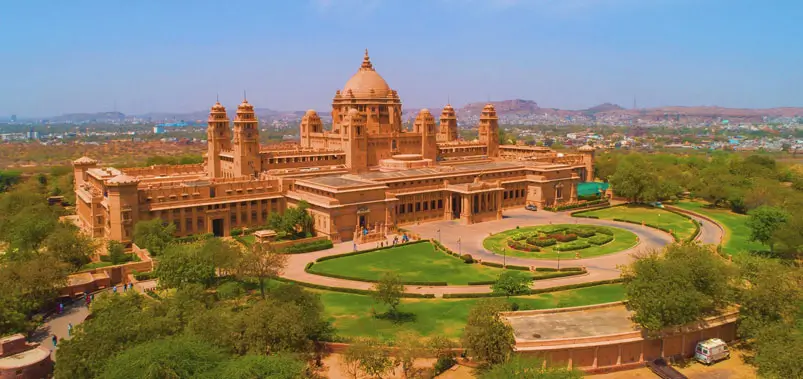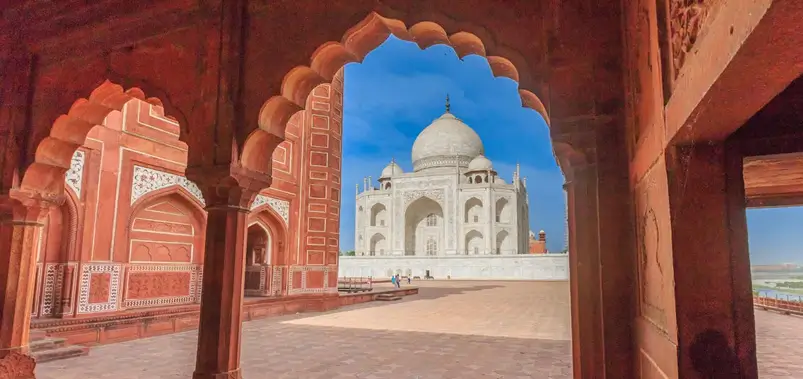
A Golden Triangle India Tour remains one of the world’s most fascinating travel experiences. The route connecting Delhi, Agra, and Jaipur introduces travelers to Mughal architecture, royal Rajasthan heritage, luxury palace hotels, colorful markets, iconic monuments, and unforgettable cultural experiences. For many international tourists, this journey becomes their first direct encounter with India itself.
At the same time, first-time visitors often arrive with unrealistic expectations, rushed itineraries, poor planning, or incorrect assumptions that later create avoidable stress. India is emotionally intense, visually overwhelming, culturally layered, and logistically different from Western travel destinations. Travelers who approach the country with flexibility and preparation usually fall deeply in love with the experience. Those expecting everything to function exactly like Europe or North America sometimes struggle unnecessarily during the first days.
Most problems travelers face during a Golden Triangle Tour India are not serious safety issues. Instead, they involve pacing mistakes, transportation confusion, poor hotel choices, unrealistic scheduling, crowd management problems, weather discomfort, shopping pressure, or cultural misunderstandings.
Luxury travelers generally experience smoother journeys because premium private tours, experienced chauffeurs, curated itineraries, and organized hospitality remove many common frustrations automatically. Independent travelers can still enjoy India comfortably, but understanding common mistakes beforehand helps enormously.
One major misunderstanding is that the Golden Triangle is “easy” simply because it is India’s most famous route. In reality, Delhi, Agra, and Jaipur are large active cities with traffic, crowds, climate extremes, and intense tourism activity. Smart planning matters greatly.
Another important reality is that India rewards slower immersive travel far more than rushed checklist tourism. Travelers trying to “see everything” within extremely short timeframes often feel exhausted rather than inspired.
The good news is that nearly all common mistakes are avoidable through practical awareness, balanced expectations, and thoughtful itinerary design.
This guide focuses on the most common Golden Triangle India travel mistakes international tourists make and the smarter ways experienced travelers approach the same journey.
Understanding these realities before arrival allows travelers to enjoy India more comfortably, confidently, and deeply from the very beginning.
One of the biggest mistakes first-time travelers make is underestimating India’s physical intensity and overloading itineraries with too many activities, monuments, and long-distance drives within very short timeframes.
Many tourists attempt to complete Delhi, Agra, Jaipur, shopping, monument visits, cultural experiences, and long highway journeys in only three to four days. On paper the route appears manageable, but in reality travelers quickly become exhausted because India demands much more energy than many Western destinations.
Traffic conditions, walking distances, monument crowds, weather conditions, and sensory stimulation all require mental and physical adjustment. Travelers trying to rush constantly between attractions often spend more time feeling tired than actually enjoying the experience.
A common example involves same-day Delhi-Agra-Delhi itineraries focused only on quickly seeing the Taj Mahal before returning immediately. While technically possible, these rushed schedules frequently create exhaustion, especially after international flights.
Luxury travelers usually approach India differently. Instead of maximizing the number of locations, they focus on comfort, pacing, and immersive experiences. Staying overnight in Agra, enjoying sunrise monument visits, relaxing inside palace hotels, and allowing time for dining and cultural moments creates a dramatically better journey.
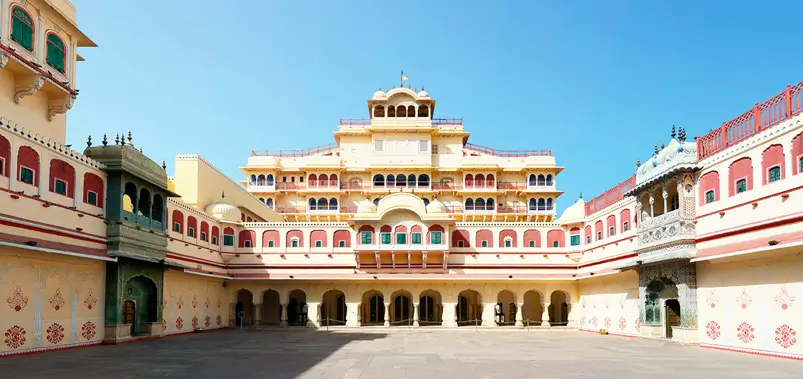
Jaipur also deserves more time than many tourists initially expect. The city offers forts, palace hotels, artisan workshops, rooftop dining, elephant sanctuaries, bazaars, and cultural experiences beyond basic sightseeing.
Another common issue involves underestimating road travel fatigue. Even though Delhi, Agra, and Jaipur connect through highways, several hours of driving still become tiring when combined with sightseeing and climate conditions.
Travelers often assume they can simply “rest later,” but India works best when travelers build comfort directly into the itinerary itself.
Experienced private India tour operators usually recommend realistic pacing because they understand how first-time visitors react emotionally and physically during the trip.
Smart travelers prioritize quality over quantity. Spending extra time enjoying one extraordinary sunset at Amber Fort often becomes far more memorable than rushing through five attractions impatiently.
India rewards travelers who slow down enough to absorb atmosphere, architecture, food, and human interactions rather than treating monuments like checklist items.
Transportation quality strongly affects how travelers emotionally experience India. One of the most common mistakes tourists make is choosing transportation purely based on low pricing without understanding the impact poor logistics can have on the entire journey.
Cheap transportation often leads to uncomfortable vehicles, inexperienced drivers, aggressive shopping stops, poor communication, unsafe driving habits, and constant stress during road journeys.
The Golden Triangle route involves substantial driving between Delhi, Agra, and Jaipur. Travelers spend many hours inside vehicles, making transportation comfort extremely important.
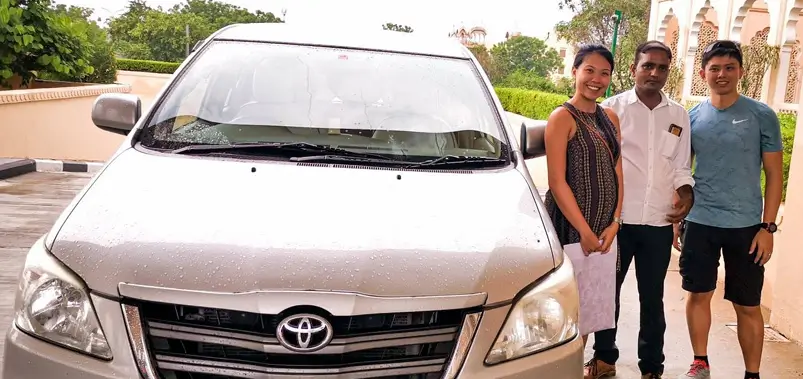
Luxury travelers almost always prefer private cars with professional chauffeurs because organized transportation dramatically improves the entire experience. Clean air-conditioned vehicles, punctual drivers, smooth communication, flexible schedules, and safe driving habits create emotional calmness throughout the journey.
Budget tourists sometimes attempt self-driving or random local taxis without understanding India’s traffic culture. Indian roads can feel overwhelming for foreign drivers unfamiliar with local driving behavior, road conditions, and traffic density.
Another mistake involves booking extremely cheap group tours promising “luxury” experiences at unrealistic prices. These tours often involve forced shopping stops, rushed sightseeing, overcrowded buses, or hotel downgrades later.
Professional Golden Triangle private tours usually include transparent transportation details, experienced chauffeurs, toll charges, airport transfers, and organized logistics. Paying slightly more often removes huge amounts of stress.
Another transportation issue involves poor airport arrival planning. Travelers landing in Delhi after long international flights often underestimate how exhausting airport confusion, SIM cards, taxis, and hotel transfers can become without organized support.
Luxury travelers usually arrange private airport pickups beforehand because smooth arrivals set a much more positive emotional tone for the entire India trip.
Road journeys across Rajasthan and North India also become far more enjoyable when travelers can stop comfortably for photography, cafés, cultural sites, or scenic breaks without rigid pressure.
Many travelers later realize that high-quality transportation became one of the best investments of the entire trip because it directly influenced comfort, energy levels, and emotional enjoyment every single day.
Reliable private travel does not only improve logistics - it fundamentally changes how relaxed and immersive the India experience feels overall.
Another major mistake first-time visitors make involves underestimating India’s climate conditions, monument crowds, walking distances, and overall physical intensity.
Travelers often arrive expecting elegant photography moments similar to Instagram images without realizing that destinations such as the Taj Mahal, Amber Fort, Old Delhi, and Jaipur markets involve substantial walking, sunlight exposure, crowd navigation, and sensory stimulation.
Heat becomes especially challenging for travelers visiting during warmer months. Agra and Jaipur temperatures can become intense by late morning, especially around open marble courtyards and fort complexes.
Luxury travelers usually handle this much better because their itineraries prioritize:
First-time tourists frequently make the mistake of visiting major monuments during midday heat when conditions feel far more exhausting.
Another issue involves clothing choices. Travelers wearing uncomfortable shoes, heavy fabrics, or unsuitable outfits often become physically tired much faster.
Crowd intensity also surprises many tourists. The Taj Mahal attracts enormous visitor numbers daily, while Jaipur bazaars and Delhi markets can feel chaotic for travelers unaccustomed to dense tourism environments.
Experienced travelers understand that India requires pacing, hydration, rest breaks, and realistic expectations rather than nonstop activity from morning until night.
Jet lag compounds the problem significantly. Many tourists begin sightseeing aggressively immediately after international arrival without allowing their bodies time to adjust.
Luxury India tours usually build recovery time naturally into schedules because experienced operators understand the physical reality of long-haul travel combined with Indian sightseeing conditions.
Travelers should also remain realistic emotionally. India is extraordinary, but it is not always physically “easy” in the way luxury European vacations sometimes feel.
The reward, however, is that India often creates much deeper emotional impact precisely because the environment feels vivid, energetic, and immersive.
Travelers who prepare for the physical side of the journey usually enjoy the cultural side much more fully.
Hotel quality dramatically shapes India travel experiences, yet many first-time tourists choose accommodations based only on low pricing or location maps without understanding local hospitality differences.
Luxury travelers visiting India often discover that premium hotels provide far greater value than expected because they create calmness, comfort, hygiene confidence, excellent food, security, and emotional recovery between sightseeing days.
One major mistake tourists make is booking extremely budget accommodations inside chaotic crowded areas without understanding surrounding conditions properly.
Delhi especially varies enormously between neighborhoods. Luxury travelers generally prefer Aerocity, central Delhi, or premium hotel districts rather than crowded backpacker zones if comfort and smoother experiences matter.
Agra hotel selection also matters greatly. Travelers staying near the Taj Mahal usually enjoy far easier sunrise visits compared with tourists commuting long distances through morning traffic.
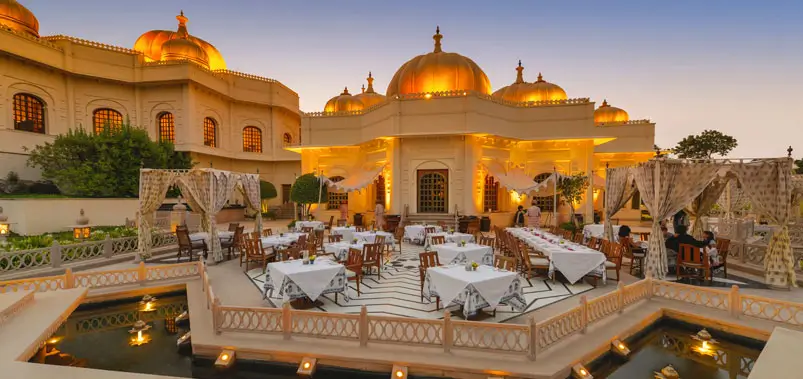
In Jaipur, heritage hotels and palace-style properties often become major highlights of the trip itself. Rajasthan’s luxury hospitality culture is globally respected, and many travelers later realize their hotel experiences became equally memorable as the monuments.
Cheap hotels sometimes create avoidable frustrations involving poor air conditioning, hygiene concerns, weak communication, noisy environments, unreliable transportation coordination, or disappointing food quality.
Luxury hotels also help reduce tourist scams because concierge teams provide verified transportation, trusted guides, safer shopping recommendations, and organized local support.
Another important factor is emotional atmosphere. After intense sightseeing days, travelers usually appreciate peaceful gardens, spa facilities, fine dining, and elegant hospitality environments much more than expected.
Many first-time tourists focus heavily on saving small hotel costs without realizing how strongly accommodations influence overall travel comfort throughout India.
Premium hotels in India often deliver extraordinary hospitality standards compared with similarly priced luxury properties elsewhere globally.
For honeymoon couples, families, and senior travelers especially, thoughtful hotel selection becomes extremely important for maintaining comfort and energy throughout the journey.
The smartest travelers treat accommodations as an essential part of the India experience itself rather than simply places to sleep between sightseeing stops.
Perhaps the biggest emotional mistake travelers make is expecting India to function exactly like Western countries operationally, culturally, or socially.
India is not Europe, North America, or Australia - and that difference is precisely part of its fascination and beauty.
Travelers sometimes become unnecessarily frustrated by traffic unpredictability, schedule adjustments, crowd density, street activity, or slower administrative processes simply because they expect familiar Western systems everywhere.
Experienced India travelers approach the country differently. They understand that flexibility, patience, curiosity, and emotional openness create far better experiences than rigid control expectations.
Another major mistake involves overreacting to small inconveniences. Traffic delays, monument lines, weather shifts, or itinerary adjustments are normal parts of India travel rather than signs that the trip is “failing.”
Luxury travelers generally adapt more comfortably because premium operators manage logistics professionally while also setting realistic expectations from the beginning.
Cultural misunderstanding also appears during bargaining situations, market interactions, restaurant pacing, or local communication styles. Travelers who remain respectful and calm usually receive warmth and hospitality in return.
Another important reality is that India operates through human interaction much more than rigid automation. Relationships, flexibility, and adaptive thinking often solve situations faster than confrontation or frustration.
Travelers also sometimes spend too much time worrying about every negative online story before arrival. In reality, most visitors complete their Golden Triangle India Tour safely and positively while experiencing extraordinary hospitality and memorable cultural moments.
India rewards travelers emotionally when they stop trying to control every detail perfectly and instead allow themselves to experience the country openly.
The most successful travelers usually arrive informed but flexible, organized but emotionally adaptable.
That balance creates journeys that feel far more rewarding, immersive, and unforgettable.
We promise you a holiday where everything is taken care of from the moment you land. Trusted drivers waiting for you, handpicked hotels that fit your style, personalized itineraries designed just for your family, and a dedicated team on call 24/7. All you need to do is relax, explore, and create unforgettable memories, while we take care of every detail behind the scenes.
Trying to see too many places too quickly is one of the most common mistakes first-time travelers make.
Yes, private transportation with experienced chauffeurs generally provides safer, smoother, and more comfortable travel experiences.
Yes, overnight stays allow travelers to enjoy sunrise visits to the Taj Mahal and avoid exhausting same-day travel schedules.
Yes, luxury hotels often provide exceptional hospitality, comfort, safety, food quality, and smoother travel support throughout the trip.
Sunrise sightseeing, hydration, lighter clothing, slower pacing, and afternoon hotel breaks help greatly during warmer conditions.
Yes, Jaipur offers forts, palace hotels, shopping, cultural experiences, and heritage attractions beyond basic sightseeing.
Rigid expectations, rushed schedules, and lack of flexibility sometimes create unnecessary frustration during first visits.
Yes, professional guides improve monument understanding, crowd navigation, cultural insight, and overall travel quality significantly.
Bargaining is common in traditional markets, though luxury boutiques and premium stores usually maintain fixed pricing.
Travelers who remain flexible, patient, well-paced, and open-minded usually enjoy India much more deeply and comfortably.