Delhi - Agra - Jaipur - Varanasi - Ayodhya - Delhi
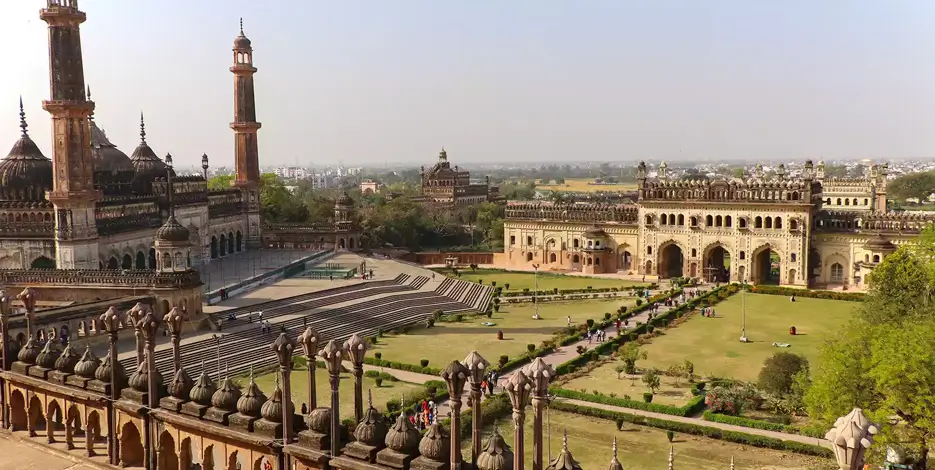
Sacred rivers, royal cities and timeless monuments come together beautifully in this 12 days private India tour covering Delhi, Agra, Jaipur, Varanasi and Ayodhya. Designed for travelers seeking more than ordinary sightseeing, the journey blends India’s famous Golden Triangle route with two of the country’s most important spiritual destinations. Ancient rituals, temple traditions, Mughal architecture and Rajput heritage create a travel experience that feels deeply cultural from beginning to end.
The route begins in Delhi where old Islamic dynasties, colonial history and modern India coexist side by side. The journey then continues toward Agra and Jaipur, introducing travelers to the grandeur of the Mughal Empire and the royal legacy of Rajasthan. Massive forts, marble palaces, bustling bazaars and UNESCO World Heritage Sites provide a rich historical foundation before the itinerary moves into the spiritual heartland of India.
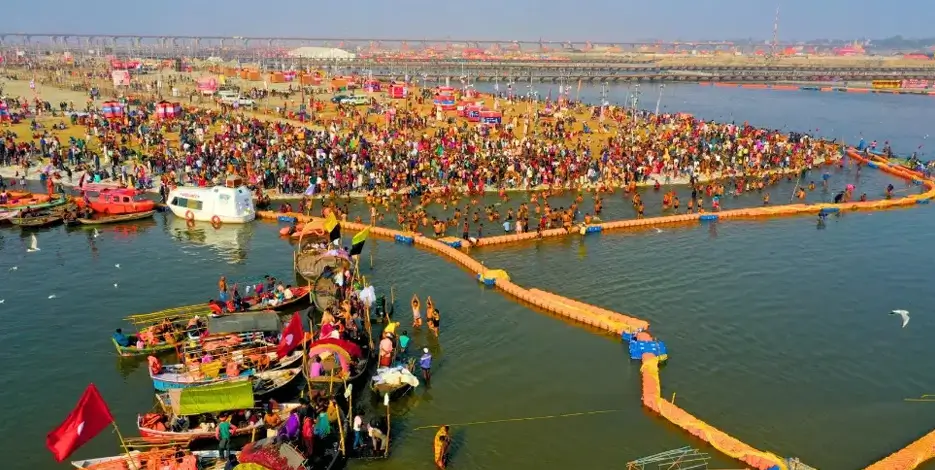
Varanasi offers one of the oldest continuously inhabited cities in the world where life along the River Ganges follows traditions that have existed for centuries. Morning boat rides, evening Ganga Aarti ceremonies and narrow temple-filled streets create a completely different atmosphere from the royal cities visited earlier in the tour. The spiritual dimension deepens further in Ayodhya, the birthplace of Lord Ram and one of the most sacred pilgrimage centers in Hinduism. Temple rituals, Sarayu River Aarti and devotional surroundings allow travelers to witness India’s living spiritual traditions in a meaningful and respectful way.
This private Golden Triangle with Varanasi and Ayodhya tour is ideal for families, cultural travelers, senior guests and NRI visitors looking for a balanced combination of heritage, spirituality and comfortable travel arrangements. Carefully paced sightseeing, private transportation and guided experiences ensure the journey remains immersive without becoming exhausting, allowing guests to fully appreciate the historical and spiritual depth of Northern India.
Arrival assistance will be provided at Delhi International Airport where you meet your private driver and tour representative before transfer to the hotel. After check-in and short relaxation, the day begins with an introduction to India’s capital city, a destination where ancient dynasties, Mughal rulers, British colonial influence and modern development exist together within one constantly evolving urban landscape. The first impressions of Delhi immediately reveal the scale and diversity of India through its crowded streets, monumental architecture and energetic atmosphere.
The sightseeing begins in New Delhi with a drive past India Gate, Rashtrapati Bhavan and Parliament House. Wide ceremonial boulevards built during British rule present a very different atmosphere compared to the older quarters of the city. Continue toward Humayun’s Tomb, an architectural masterpiece that later inspired the construction style of the Taj Mahal. The Mughal gardens, elegant pathways and Persian-influenced symmetry provide an excellent historical introduction before your upcoming visits to Agra and Rajasthan.
Later in the evening, visit Connaught Place and nearby markets where modern cafés, colonial arcades and local shopping areas create a lively urban experience. Guests may enjoy Indian cuisine at a carefully selected restaurant while discussing the journey ahead with the guide. Return to the hotel for overnight stay in Delhi.
After breakfast, begin the day exploring the historical heart of Old Delhi where centuries of trade, religion and Mughal influence continue shaping everyday life. Visit Jama Masjid, one of the largest mosques in India, constructed during the reign of Emperor Shah Jahan. The surrounding streets remain filled with spice markets, street food vendors, cycle rickshaws and traditional shops that create an atmosphere unlike anywhere else in the country. Your guide explains the historical importance of Shahjahanabad, the original Mughal capital city.
Continue with a rickshaw ride through Chandni Chowk where narrow lanes reveal layers of local culture, traditional commerce and old residential architecture. Travelers often find this section of Delhi especially memorable because it offers direct interaction with the city’s living history rather than only formal monuments. Stop at Khari Baoli Spice Market where colorful sacks of herbs, tea leaves and spices create a sensory experience unique to Old Delhi’s commercial traditions.
Later, visit Raj Ghat, the memorial dedicated to Mahatma Gandhi, before returning toward New Delhi. The contrast between Old Delhi’s crowded historical lanes and the structured colonial avenues of New Delhi highlights the city’s remarkable complexity. Evening remains free for relaxation or optional dining experiences before overnight stay in Delhi.
Following breakfast, depart by private vehicle toward Agra using one of North India’s modern expressways. During the drive, your guide shares stories about the Mughal Empire, royal dynasties and historical trade routes that once connected Delhi and Agra. The changing landscapes outside the city gradually reveal rural North India where agricultural life, roadside markets and village settlements continue much as they have for generations.
Upon arrival in Agra, check into the hotel before beginning sightseeing with Agra Fort. Built in red sandstone and expanded by several Mughal emperors, the fort served both military and royal residential purposes during the height of the empire. Walking through audience halls, royal chambers and marble pavilions allows travelers to better understand the political power and artistic sophistication of the Mughal court. Views of the Taj Mahal from within the fort create one of the most iconic perspectives in Agra.
Later in the afternoon, visit local artisan workshops specializing in marble inlay craftsmanship inherited from Mughal times. Skilled artisans continue producing detailed decorative artwork using semi-precious stones similar to the techniques used inside the Taj Mahal itself. Evening can be spent relaxing at the hotel or enjoying optional rooftop dining with distant views of the illuminated Taj Mahal. Overnight stay in Agra.
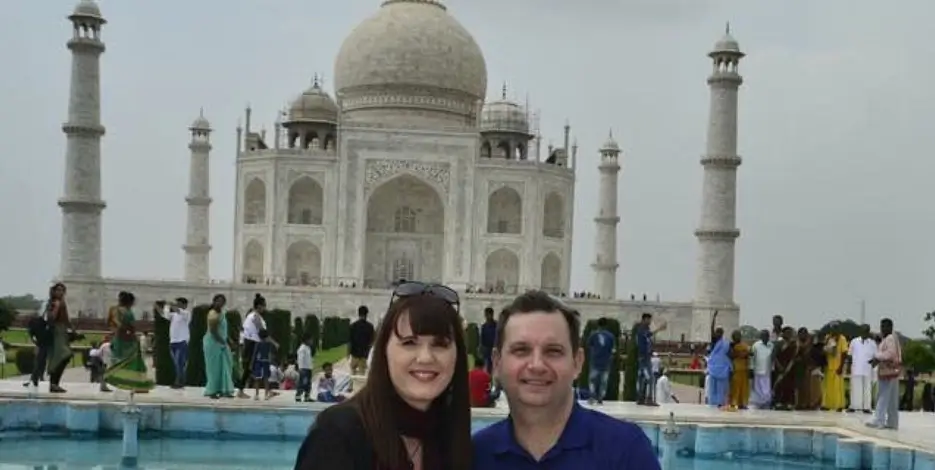
Early morning departure is arranged for sunrise at the Taj Mahal when softer light conditions create exceptional photography opportunities and a calmer atmosphere before daytime crowds arrive. The monument stands as one of the greatest expressions of love and architectural perfection ever constructed. Your guide explains the history of Shah Jahan and Mumtaz Mahal while also discussing the marble craftsmanship, calligraphy and engineering methods used during the 17th century construction period.
Return to the hotel for breakfast before departing toward Jaipur. Along the route, stop at Fatehpur Sikri, the former Mughal capital built by Emperor Akbar. Although abandoned after a relatively short period, the city remains one of India’s finest examples of Mughal urban planning and architectural innovation. Massive gateways, royal audience halls and intricate palace courtyards provide deeper understanding of Akbar’s political ambitions and artistic vision.
Continue driving through the landscapes of Rajasthan where camel carts, colorful villages and traditional desert culture gradually become visible. Arrive in Jaipur during the evening and check into the hotel. Guests may spend the evening relaxing or exploring nearby markets independently before overnight stay in Jaipur.
The day begins with a visit to Amber Fort, one of Rajasthan’s most impressive hilltop fortresses. The combination of military defenses, artistic palace interiors and panoramic surroundings reflects the strength and sophistication of Rajput rulers. Inside the fort, mirrored halls, painted chambers and royal courtyards demonstrate the luxurious lifestyle once enjoyed by Jaipur’s royal families. Your guide explains the fort’s defensive significance along with stories about political alliances and royal ceremonies.
Later, continue toward Jaipur city for visits to City Palace and Jantar Mantar Observatory. The City Palace still houses sections connected with the present royal family while displaying royal costumes, manuscripts and ceremonial objects from Rajasthan’s past. Nearby Jantar Mantar contains giant astronomical instruments designed during the 18th century for observing celestial movements and calculating time with remarkable accuracy.
In the evening, stop at Hawa Mahal for photography before exploring Jaipur’s lively bazaars known for textiles, gemstones, carpets and handcrafted jewelry. The city’s colorful streets and artistic atmosphere create a strong contrast with Mughal Agra and metropolitan Delhi. Return to the hotel for overnight stay in Jaipur.
After breakfast, spend the day discovering Jaipur’s cultural side through artisan workshops, local neighborhoods and traditional culinary experiences. Visit craftsmen specializing in block printing, blue pottery or gemstone cutting where generations of families continue preserving traditional Rajasthani arts. Travelers gain insight into handmade production techniques while interacting directly with local artisans whose skills remain central to Jaipur’s cultural identity.
Continue exploring lesser-known heritage areas where old temples, havelis and residential quarters reveal everyday life beyond tourist attractions. Your guide explains local customs, wedding traditions and social practices connected with Rajasthan’s historical communities. Lunch may be arranged at a heritage haveli restaurant where traditional regional dishes are served in royal surroundings reflecting Jaipur’s aristocratic past.
During the evening, guests may attend an optional cultural performance featuring Rajasthani folk dance and desert music. Traditional costumes, live instruments and storytelling performances create an engaging atmosphere while introducing the artistic heritage of Rajasthan. Overnight stay in Jaipur.
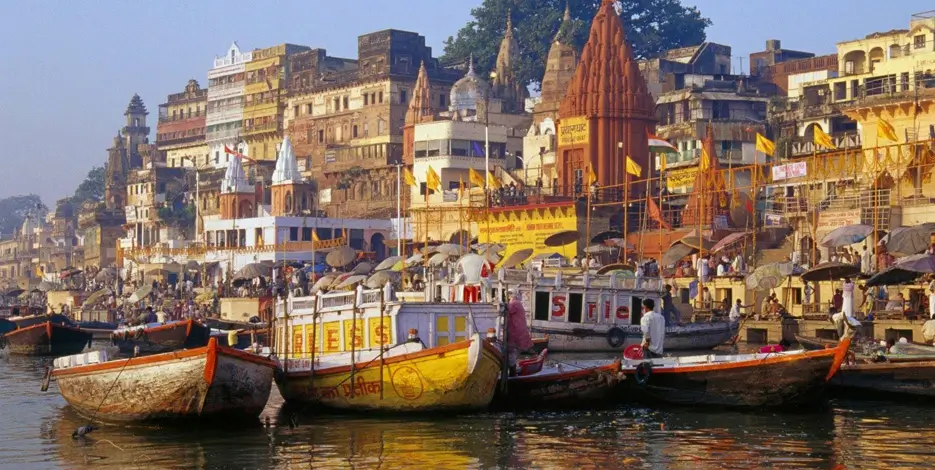
Following breakfast, transfer to the airport for your flight to Varanasi, one of the world’s oldest living cities and the spiritual center of Hinduism. Upon arrival, the atmosphere immediately changes from Rajasthan’s royal character to the devotional energy of the sacred River Ganges. After hotel check-in and short relaxation, begin exploring the ghats and temple-lined riverfront areas that define Varanasi’s spiritual identity.
Walk through the narrow lanes of the old city where pilgrims, priests, temple bells and sacred chants create a deeply traditional environment. Small shrines, flower sellers and ancient stone buildings line the pathways leading toward the ghats. Your guide explains the religious significance of Varanasi and why millions of pilgrims visit the city seeking spiritual purification and connection with Hindu traditions dating back thousands of years.
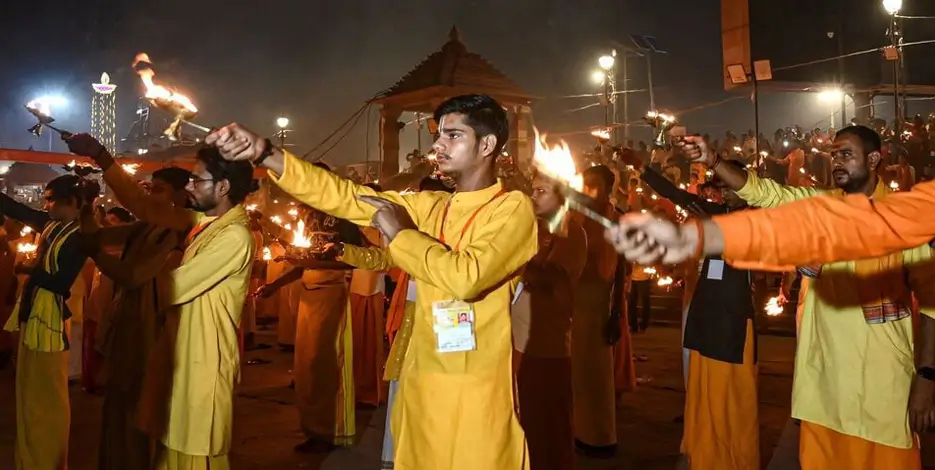
In the evening, witness the famous Ganga Aarti ceremony at Dashashwamedh Ghat. Priests perform synchronized rituals using oil lamps, incense and Vedic chanting while thousands of devotees gather along the riverbanks. The combination of music, fire rituals and reflections across the Ganges creates one of India’s most powerful spiritual experiences. Return to the hotel for overnight stay in Varanasi.
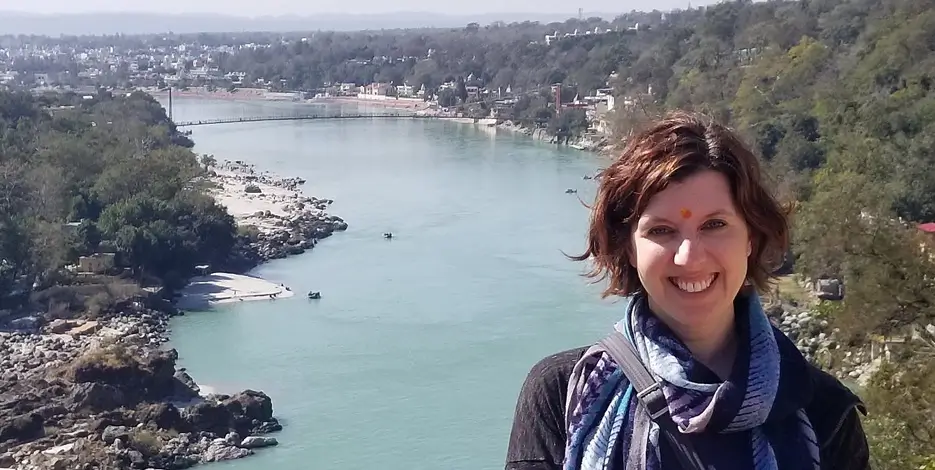
Before sunrise, proceed to the ghats for a private boat ride on the River Ganges. The early morning hours reveal a remarkable side of Varanasi where pilgrims bathe in sacred waters, priests conduct rituals and local residents begin their day along the riverfront. Watching the city awaken from the water provides extraordinary insight into traditions that have continued uninterrupted for centuries. The changing colors of the sunrise over the Ganges create exceptional photographic moments throughout the ride.
After breakfast, continue sightseeing with visits to important temples and spiritual landmarks including Kashi Vishwanath Temple surroundings and Banaras Hindu University area. The guide explains Hindu beliefs connected with Varanasi, cremation rituals along Manikarnika Ghat and the city’s role in spiritual learning and religious philosophy. Unlike standard tourist cities, Varanasi functions as a living spiritual center where religious traditions shape nearly every aspect of daily life.
Later in the afternoon, visit local silk weaving communities known for producing Banarasi silk sarees famous throughout India. Skilled weavers continue operating traditional handlooms that have supported local craftsmanship for generations. Evening remains free for independent walks along the ghats or relaxation at the hotel before overnight stay in Varanasi.
After breakfast, depart Varanasi by private vehicle toward Ayodhya, another deeply important spiritual destination connected with Lord Ram and the Ramayana tradition. The drive passes through rural Uttar Pradesh where village life, agricultural landscapes and local roadside markets reveal everyday life away from India’s major tourist cities. Along the journey, your guide shares stories from Hindu epics and explains the religious significance of Ayodhya within Indian spiritual culture.
Upon arrival in Ayodhya, check into the hotel before beginning orientation visits around the sacred temple areas. The atmosphere in Ayodhya feels devotional and peaceful, with pilgrims arriving from different parts of India throughout the year. Visit Hanuman Garhi Temple and nearby religious sites where chants, incense and temple rituals continue from morning until late evening. The slower pace of the city allows travelers to absorb its spiritual character in a more personal way.
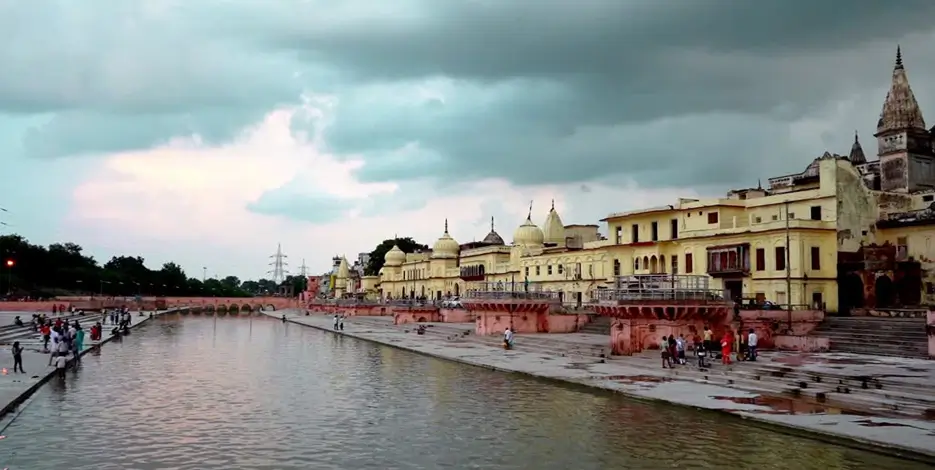
Later in the evening, spend time near the Sarayu River where local devotees gather for prayers and evening rituals. The riverfront area becomes especially beautiful during sunset when temple bells, devotional songs and oil lamps create a calm spiritual environment. Return to the hotel for overnight stay in Ayodhya.
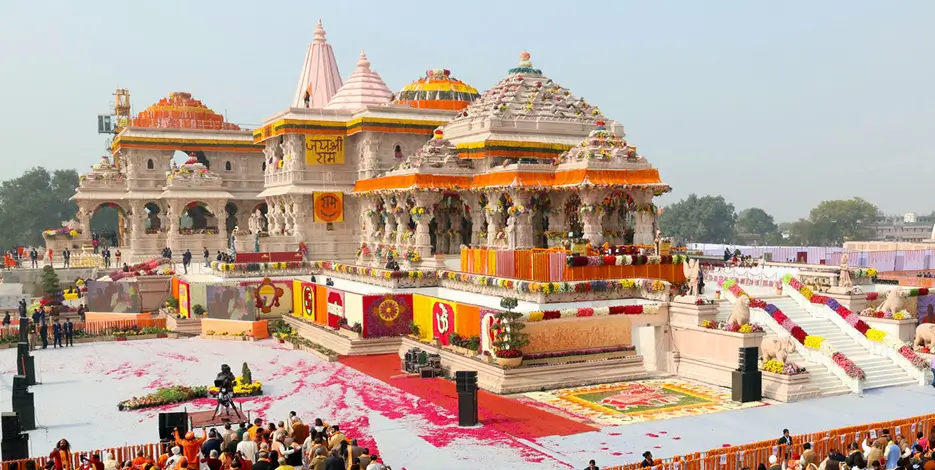
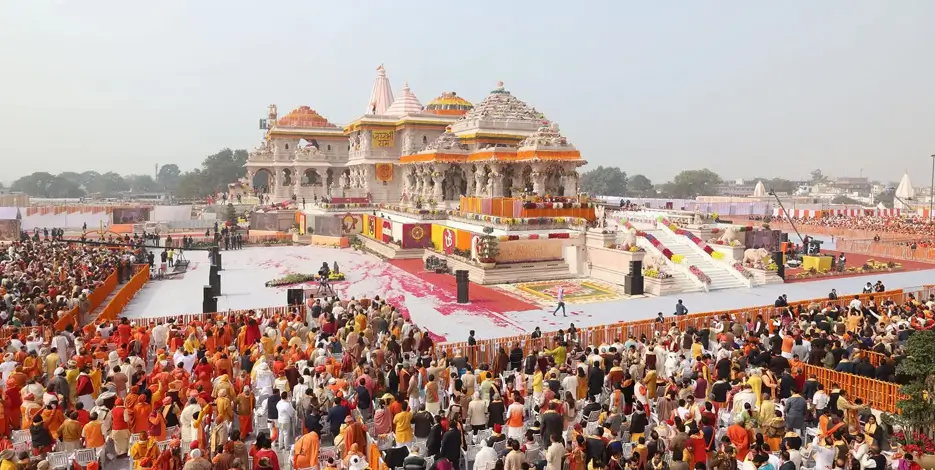
The morning begins with an early visit to Shri Ram Janmabhoomi Mandir, one of the most sacred pilgrimage sites in Hinduism and the birthplace of Lord Ram. Visiting during morning hours allows time for peaceful darshan before the larger daytime crowds arrive. The guide explains the historical and spiritual importance of the temple while assisting with local customs and entry procedures. The devotional atmosphere inside the temple complex creates a meaningful experience even for travelers visiting India primarily for cultural understanding.
Following the temple visit, continue exploring Ayodhya’s sacred landmarks including Kanak Bhawan and Dashrath Mahal. These temples and palace-style complexes remain deeply connected with stories from the Ramayana and continue attracting pilgrims from across the world. Walking through the narrow lanes surrounding the temples offers opportunities to observe local religious traditions, devotional music and spiritual practices that remain part of daily life in Ayodhya.
In the evening, return to the Sarayu River for the grand Aarti ceremony. Priests perform synchronized rituals with large oil lamps while devotional chants echo across the riverfront. The reflection of flames on the water combined with the collective prayers of hundreds of devotees creates one of the most emotional moments of the journey. After the ceremony, return to the hotel for overnight stay in Ayodhya.
After breakfast, transfer to the airport or railway station for onward journey back to Delhi depending on final travel arrangements. Upon arrival in Delhi, check into the hotel and enjoy some time to relax after the spiritual and cultural experiences of the previous days. This final stage of the journey allows travelers to revisit the many layers of India encountered throughout the itinerary — from Mughal architecture and Rajput forts to sacred rivers and temple rituals.
Later in the afternoon, guests may enjoy optional shopping visits to Delhi’s handicraft stores, textile boutiques or modern commercial districts. Many travelers choose this time to purchase souvenirs including silk textiles, handmade artwork, gemstones or traditional Indian handicrafts collected from different regions visited during the tour. Your guide can also assist with recommendations for authentic shopping experiences suitable for international visitors.
A farewell dinner can be arranged at a premium Indian restaurant featuring dishes inspired by various regions covered during the journey. The evening offers an opportunity to reflect upon the cultural diversity, spirituality and historical richness experienced throughout North India. Return to the hotel for overnight stay in Delhi.
Following breakfast, depending on your international flight schedule, some free time may remain available for relaxation or short nearby activities. Your private driver and tour representative coordinate departure arrangements carefully to ensure smooth airport transfer and comfortable completion of the journey. Assistance with hotel check-out and luggage handling is provided before leaving for Delhi International Airport.
As the tour concludes, travelers depart with memories of sunrise at the Taj Mahal, royal forts of Rajasthan, sacred ceremonies along the River Ganges and spiritual moments inside Ayodhya’s temple complexes. The journey combines multiple dimensions of India into one carefully balanced itinerary where history, architecture, faith and local traditions remain connected throughout every destination.
You will be transferred to Delhi International Airport for your onward flight carrying unforgettable impressions of India’s spiritual heritage, ancient traditions and timeless cultural landscapes.
We promise you a holiday where everything is taken care of from the moment you land. Trusted drivers waiting for you, handpicked hotels that fit your style, personalized itineraries designed just for your family, and a dedicated team on call 24/7. All you need to do is relax, explore, and create unforgettable memories, while we take care of every detail behind the scenes.