Kanha National Park is one of India’s largest and most beautifully preserved tiger reserves. Located in the central state of Madhya Pradesh, Kanha is often regarded as the inspiration behind Rudyard Kipling’s The Jungle Book. Its expansive meadows, dense sal forests, and gently rolling hills create a landscape that feels both cinematic and authentically wild.
For international travellers seeking a deeper wildlife experience beyond monuments and cities, Kanha offers one of India’s most immersive safari environments. Unlike the relatively compact Bandhavgarh or the fort-framed Ranthambore, Kanha is vast and ecologically diverse. The park covers over 900 square kilometers of core area, forming part of a larger tiger reserve ecosystem.
Kanha is particularly respected for its conservation success. It played a pioneering role in India’s Project Tiger initiative and remains a model for wildlife management and sustainable tourism practices.
For travellers combining wildlife with cultural India, Kanha pairs well with Bandhavgarh or can be accessed from cities such as Jabalpur and Nagpur.

Tiger Safari, Kanha Meadows, Barasingha (Swamp Deer), Bamni Dadar Viewpoint, Bird Watching

October – June
Peak tiger visibility from March to May.

2–3 Days
Three to four safari drives recommended.

English, Hindi
English-speaking naturalists accompany safari vehicles.
One of Kanha’s defining features is its open grasslands known as Kanha Meadows. These vast meadows create dramatic viewing conditions, especially during early morning when mist rises above the grass.
The open terrain improves visibility compared to denser forests, increasing opportunities for wildlife sightings. The park’s landscape feels expansive and less crowded, offering a more tranquil safari atmosphere.
Unlike parks surrounded by historical monuments, Kanha is purely wilderness-driven. There are no large forts or temple complexes within its boundaries — the focus here is entirely on ecology and conservation.
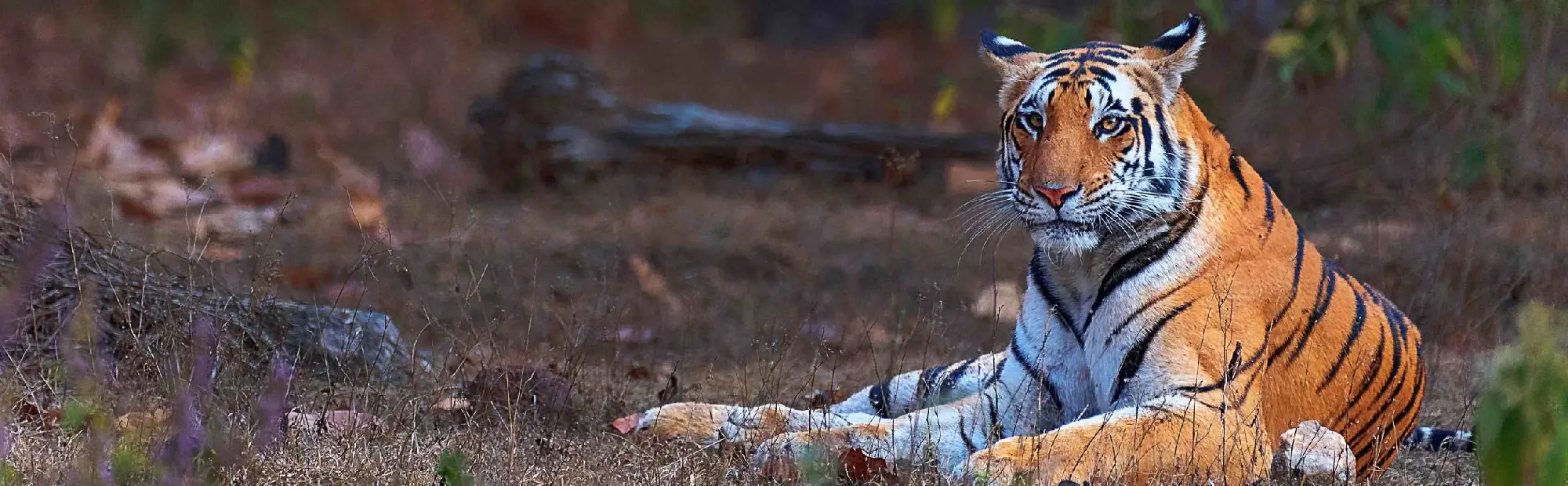
Kanha is home to a healthy population of Bengal tigers. Though sightings are never guaranteed, the park maintains strong tiger monitoring systems.
In addition to tigers, Kanha is famous for the successful conservation of the Barasingha (Swamp Deer). Once on the brink of extinction, this rare species has recovered significantly due to dedicated protection efforts within the park.
Other wildlife includes leopards, wild dogs (dholes), sloth bears, gaur (Indian bison), and various deer species. Birdlife is abundant, making Kanha attractive to both wildlife photographers and birdwatchers.
Kanha is divided into multiple safari zones, including Kanha, Kisli, Mukki, and Sarhi. Each zone offers slightly different terrain and wildlife patterns.
Safaris operate twice daily — early morning and late afternoon — in open 4x4 vehicles. Visitors are assigned specific zones based on availability and booking.
Because of the park’s large size, wildlife movement may vary by zone and season. Booking multiple safaris increases viewing chances.
Bamni Dadar, often called Sunset Point, offers elevated views over the forest canopy. While access may be limited depending on park regulations, this area provides one of the most scenic perspectives within the reserve.
The interplay of golden light and forest landscape during late afternoon drives enhances photography opportunities.
Kanha is known for promoting eco-conscious tourism. Safari numbers are regulated to reduce environmental impact. Lodges near the park often emphasize sustainability, local employment, and wildlife education.
Accommodation ranges from comfortable mid-range jungle lodges to high-end safari camps offering private cottages and curated dining experiences.
Many luxury lodges organize guided nature walks in buffer zones, allowing guests to explore flora and learn about tribal communities living near the reserve.
The region around Kanha is home to indigenous Gond and Baiga tribes. While visits to tribal villages must be conducted responsibly and respectfully, cultural interactions can provide insight into traditional forest-based lifestyles.
This cultural layer adds depth to the safari experience, connecting wildlife conservation with community life.
Kanha remains open from October to June.
Light layers are recommended for winter mornings, while neutral-colored clothing is ideal for safaris.
Advance safari booking is mandatory, especially during peak season.
Kanha is accessible via Central India transport hubs.

Nearest airports: Jabalpur or Nagpur

Road connections from Jabalpur

Nearest railway stations: Jabalpur or Gondia

We promise you a holiday where everything is taken care of from the moment you land. Trusted drivers waiting for you, handpicked hotels that fit your style, personalized itineraries designed just for your family, and a dedicated team on call 24/7. All you need to do is relax, explore, and create unforgettable memories, while we take care of every detail behind the scenes.
Yes, it is one of India’s leading tiger reserves.
Three to four safaris increase chances.
Kanha is larger and more meadow-driven, offering expansive landscapes.
March to May for higher visibility.
Yes, safaris operate under strict guidelines.
Yes, subject to park regulations.
Yes, it hosts numerous bird species.
Typically accessed via connecting flights or trains.
Yes, safari permits must be booked in advance.
Yes, from July to September.
Yes, several eco-luxury safari properties operate nearby.
Yes, it is a popular twin-park itinerary.