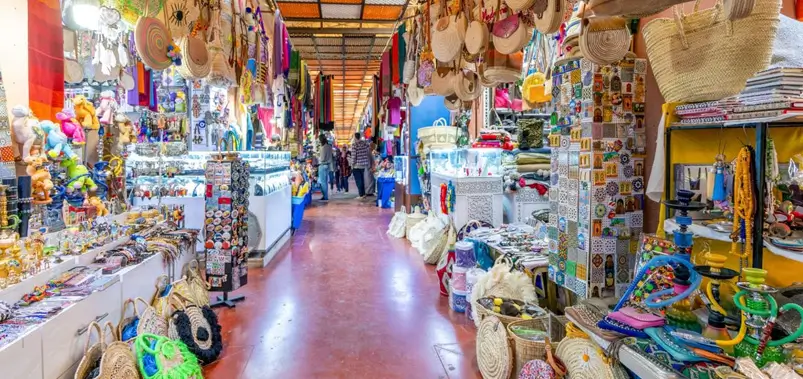
For many travelers, shopping becomes an unexpected highlight of visiting Delhi. While the city is famous for its monuments, food, and history, it is also one of the most diverse shopping destinations in India. From centuries old bazaars packed with spices, textiles, jewelry, and handicrafts to modern luxury boutiques and designer stores, Delhi offers an incredible range of shopping experiences that appeal to every budget and travel style.
Yet for first time visitors, shopping in Delhi can also be confusing.
One store displays clear price tags and accepts credit cards without negotiation. Another shop expects customers to bargain. Some markets offer fixed prices. Others operate almost entirely through negotiation. Travelers who are unfamiliar with local shopping customs often struggle to determine when bargaining is appropriate and when it is not.
Questions arise quickly.
Should you negotiate in every market?
How much should you bargain?
Are tourists charged higher prices?
Which markets are best for souvenirs?
Where can you find authentic handicrafts?
How do you avoid overpaying?
The answers depend largely on where you shop.
Delhi contains two very different retail worlds. One consists of modern shopping districts where prices are generally fixed. The other includes traditional bazaars where bargaining remains an accepted and expected part of the buying process.
Understanding this distinction is one of the most useful skills a traveler can develop before exploring Delhi's markets.
The good news is that shopping in Delhi does not need to be stressful. With basic knowledge of how different markets operate, visitors can shop confidently, enjoy the experience, and often find unique products that become lasting reminders of their trip to India.
Whether you are searching for handcrafted textiles, traditional artwork, jewelry, spices, leather products, luxury fashion, or memorable souvenirs, understanding the difference between fixed price shopping in Delhi and Delhi bargaining markets will help you make better decisions and enjoy a far more rewarding experience.
Shopping in Delhi is about much more than buying products.
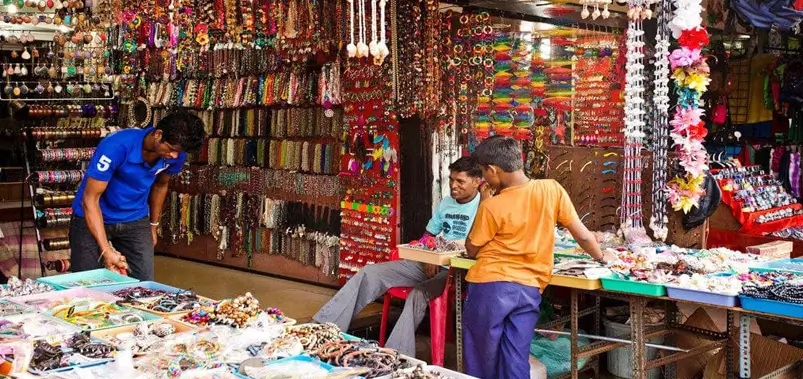
For many residents, markets function as social spaces, cultural hubs, and community gathering places. Conversations, relationships, and personal interactions often play a much larger role than they do in Western retail environments.
This is especially true in traditional markets.
Many family owned businesses have operated for generations. Shopkeepers know neighboring merchants, local customers, and long time suppliers. Transactions often involve conversation before pricing is even discussed.
For international visitors, this can feel unfamiliar.
In many countries, shopping is highly standardized. Products display fixed prices. Customers enter, purchase items, and leave with minimal interaction.
Delhi's traditional markets often operate differently.
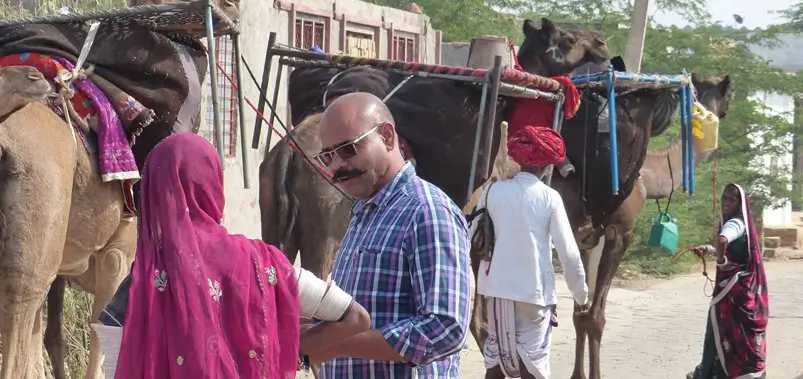
Merchants may invite customers inside, offer tea, explain products, and engage in extended discussions before a purchase occurs. This personal approach is part of the experience rather than a sales tactic alone.
At the same time, modern Delhi also contains upscale shopping districts that function much more like contemporary retail environments found around the world.
Understanding which type of market you are entering helps set appropriate expectations.
Visitors who expect every market to operate like a shopping mall may feel uncomfortable in traditional bazaars. Conversely, travelers hoping to bargain everywhere may be surprised to discover that many stores have completely fixed pricing.
The key is recognizing that Delhi contains multiple shopping cultures operating side by side.
Learning how they differ can dramatically improve the overall shopping experience.
Fixed price markets are exactly what the name suggests.
Products display established prices, and customers generally pay the listed amount without negotiation.
These shopping environments are often preferred by travelers who value convenience, transparency, and predictability.
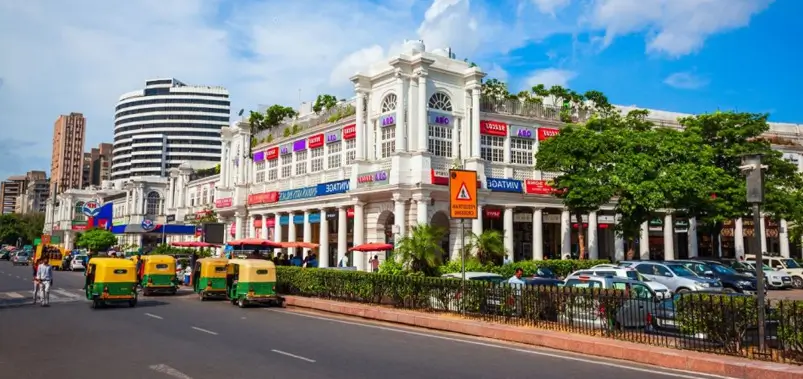
One of the best known examples is Connaught Place, a major commercial district located in central Delhi. Here, visitors find branded stores, bookstores, cafés, restaurants, and retail outlets where pricing functions much like it would in Europe, North America, or Australia.
Another popular destination is Khan Market, frequently regarded as one of India's most upscale shopping areas. The market attracts diplomats, professionals, expatriates, and affluent local residents.
Shopping here tends to be straightforward. Prices are clearly displayed, product quality is generally consistent, and bargaining is uncommon.
Large shopping malls throughout Delhi also operate using fixed pricing. Luxury brands, electronics stores, department stores, and international retailers typically maintain standard prices.
Government supported handicraft stores frequently use fixed pricing as well. These outlets often focus on authentic artisan products sourced from different regions of India.
Many travelers appreciate fixed price shopping because it eliminates uncertainty. Customers know exactly what they are paying and can compare products without negotiating.
While prices may occasionally be higher than those found in traditional markets, many visitors consider the convenience worthwhile.
Fixed price environments are particularly appealing for travelers who feel uncomfortable bargaining or who simply prefer a more predictable shopping experience.
For first time visitors, these markets often provide an easy introduction to shopping in Delhi before exploring more traditional bazaars.
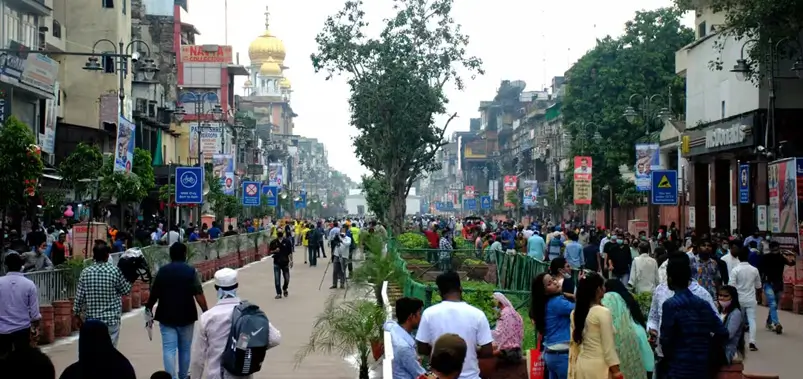
Traditional bargaining markets represent a completely different shopping experience.
In these environments, prices are often negotiable, and bargaining is considered a normal part of the transaction.
This does not mean every quoted price is unfair or dishonest. Rather, negotiation is simply integrated into the culture of buying and selling.
One of the most famous examples is Chandni Chowk.
Established centuries ago, Chandni Chowk remains one of India's most iconic markets. The area contains countless shops selling textiles, jewelry, spices, wedding attire, electronics, household goods, and much more.
Bargaining is common throughout many sections of the market.
Similarly, Janpath Market has long been popular among tourists seeking clothing, handicrafts, jewelry, scarves, and souvenirs.
Many vendors expect some level of negotiation before completing a sale.
Another well-known example is Sarojini Nagar Market, famous for affordable fashion and bargain hunting opportunities.
In these environments, the first price offered may simply represent the starting point for discussion.
Experienced shoppers often negotiate politely while remaining respectful.
The process is usually friendly rather than confrontational.
Many travelers initially find bargaining intimidating. However, after a few interactions, they often discover that negotiation can actually be enjoyable when approached with the right mindset.
The goal is not to "win" but rather to reach a price that both buyer and seller consider acceptable.
Understanding this perspective makes bargaining feel much less stressful.
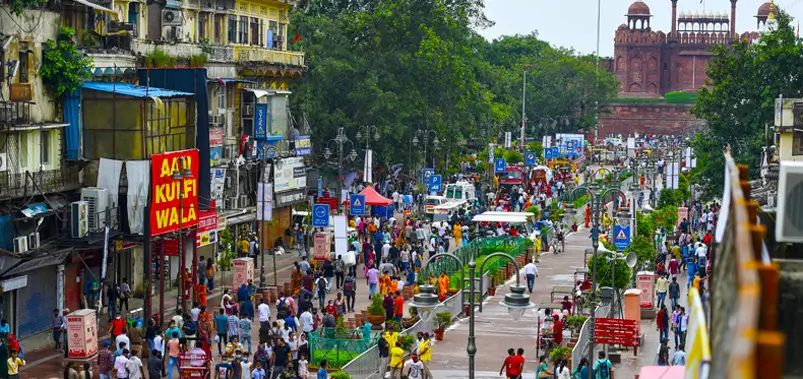
Delhi offers dozens of shopping districts, but certain markets consistently attract international visitors because of their accessibility, product selection, and atmosphere.
Chandni Chowk
One of the oldest and most famous markets in India.
Visitors come here for:
The atmosphere is energetic, crowded, and deeply connected to Delhi's history.
Janpath Market
Popular among foreign tourists looking for:
Prices are negotiable, making it an excellent place to practice bargaining skills.
Dilli Haat
Dilli Haat offers a different experience.
Rather than functioning as a traditional market, it brings together artisans from across India.
Visitors can find:
Many stalls operate with transparent pricing, reducing the need for extensive negotiation.
Khan Market
Ideal for:
The atmosphere is considerably more relaxed than traditional bazaars.
Sarojini Nagar
A favorite destination for bargain hunters seeking affordable fashion.
The market attracts both locals and tourists searching for value oriented shopping opportunities.
Each of these markets provides a different perspective on Delhi's retail culture.
Choosing the right market depends on your interests, budget, and preferred shopping style.
One of the reasons shopping in Delhi is so popular is the incredible variety of products available.
Visitors often arrive intending to buy a few souvenirs and leave with far more.
Textiles remain among the most sought after purchases.
India has a long tradition of textile production, and Delhi offers access to everything from handwoven fabrics and embroidered garments to scarves, shawls, and home décor items.
Jewelry is another popular category.
Both contemporary and traditional designs are widely available across the city.
Many travelers also purchase handcrafted decorative items, artwork, pottery, wooden products, and regional handicrafts.
Food related products frequently attract interest as well.
Spices, tea, and specialty ingredients offer practical souvenirs that allow travelers to bring part of their Indian experience home.
Leather goods, notebooks, traditional clothing, and artisan made accessories also remain popular purchases.
The best shopping choices are often items that reflect India's craftsmanship and cultural heritage rather than products easily available elsewhere.
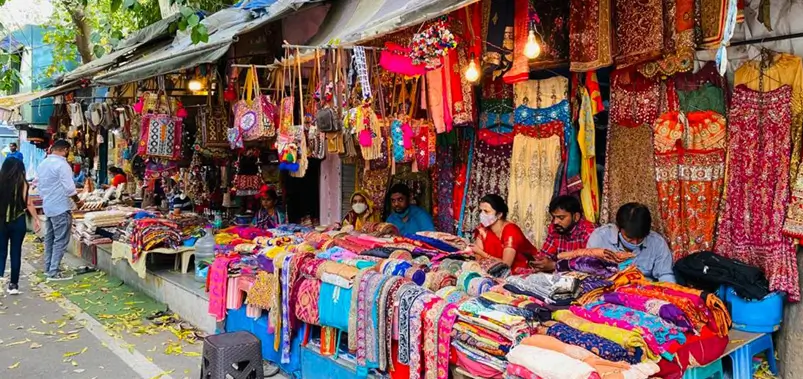
For many international travelers, bargaining is the most intimidating part of shopping in Delhi.
Visitors from countries where prices are fixed often worry about making mistakes, offending shopkeepers, or paying significantly more than local customers. Fortunately, bargaining in Delhi is usually much simpler than people imagine.
The first thing to understand is that bargaining is not considered rude in traditional markets. In places such as Janpath Market, Sarojini Nagar, and sections of Chandni Chowk, negotiation is a normal part of the shopping process.
The key is approaching the conversation with a friendly attitude rather than treating it like a confrontation.
A common strategy among experienced travelers is to show interest in a product while remaining relaxed about whether they actually purchase it. Shopkeepers often quote an initial price that allows room for negotiation. The final selling price usually falls somewhere between the opening offer and the customer's counteroffer.
Patience matters.
Many first time visitors reveal too much excitement when they find something they really want. Experienced merchants quickly recognize this enthusiasm and become less flexible on price.
Another useful technique is comparing prices at multiple shops before making a purchase. In many markets, similar products are sold by numerous vendors. Spending a little time exploring options provides a better understanding of reasonable pricing.
Travelers should also remember that the objective is not necessarily to obtain the absolute lowest price imaginable. A difference of a few hundred rupees may feel significant while shopping, but often represents only a small amount when converted into dollars, pounds, euros, or Australian dollars.
Successful bargaining creates a situation where both buyer and seller feel satisfied.
The most enjoyable negotiations often end with smiles rather than frustration.
Understanding that bargaining is part of the local culture helps transform it from a stressful experience into an engaging aspect of shopping in Delhi.
Delhi is generally a rewarding shopping destination, but like many major tourist cities around the world, visitors should remain aware of common scams.
One frequent situation involves exaggerated "special discounts."
A merchant may claim that a product has already been reduced dramatically from an unrealistic original price. Travelers should focus on whether the final price seems reasonable rather than being influenced by large claimed discounts.
Another common issue occurs when shoppers fail to inspect products carefully before purchasing. This is particularly important when buying textiles, handicrafts, leather goods, or decorative items.
Taking a few moments to examine quality, stitching, materials, and condition can prevent disappointment later.
Visitors should also be cautious about purchasing expensive gemstones or jewelry without proper documentation. While many reputable jewelers operate in Delhi, significant purchases should be made through established businesses that provide certification and clear invoices.
Some travelers encounter situations where taxi drivers or guides aggressively recommend specific stores. These recommendations are sometimes connected to commission arrangements.
This does not automatically mean the store is dishonest, but travelers should recognize that recommendations may be financially motivated.
Another issue involves shipping promises.
If merchants offer international shipping, buyers should request written documentation, tracking details, and clear explanations of delivery procedures.
The vast majority of shopping experiences in Delhi are positive. Awareness of common situations simply helps visitors make informed decisions and shop with greater confidence.
Knowledge remains the best protection against unnecessary problems.
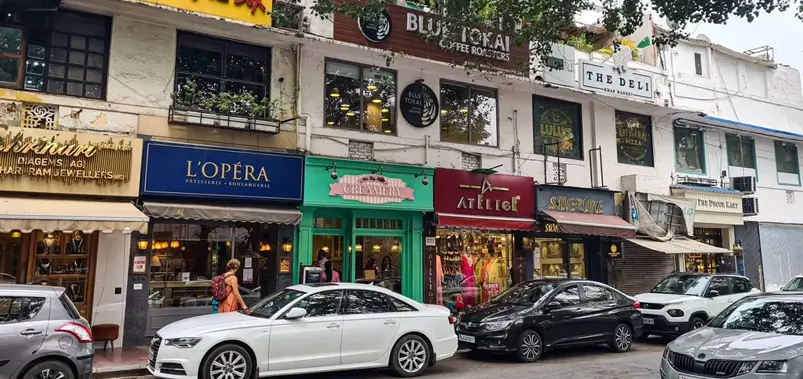
While many discussions about Delhi shopping focus on bargaining and traditional bazaars, the city also offers exceptional opportunities for luxury retail.
High-end travelers frequently discover that Delhi combines traditional craftsmanship with contemporary luxury in unique ways.
Khan Market remains one of the most prestigious shopping districts in the city. Visitors find premium fashion brands, upscale bookstores, gourmet food stores, luxury lifestyle products, and sophisticated cafés.
The atmosphere is relaxed compared to traditional markets, making it particularly appealing for travelers who prefer a more refined shopping experience.
Luxury hotels often provide access to curated shopping experiences as well. Personal shopping services, private appointments, and artisan introductions can sometimes be arranged through concierge teams.
Delhi is also known for bespoke tailoring.
Many international visitors commission custom clothing during their stay. Tailors can create suits, jackets, dresses, and traditional garments tailored to individual measurements.
Luxury handicrafts represent another important category.
Handwoven textiles, handcrafted furniture, fine jewelry, artwork, carpets, and decorative objects often reflect generations of craftsmanship.
For travelers seeking unique pieces rather than mass-produced souvenirs, Delhi offers extraordinary opportunities.
The combination of traditional artisan skills and modern luxury retail makes the city particularly attractive for discerning shoppers.
Many visitors leave with items that become cherished reminders of their time in India.
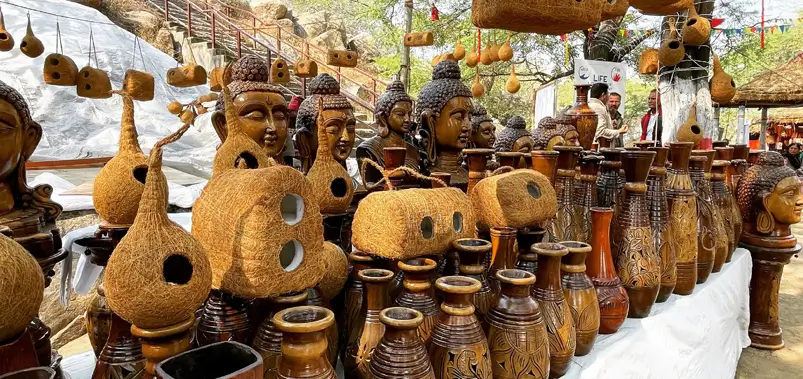
One of the most rewarding aspects of shopping in Delhi is discovering genuine Indian craftsmanship.
However, distinguishing authentic handmade products from mass-produced alternatives can sometimes be challenging.
Handcrafted products often display small variations that indicate human involvement in the production process. Slight differences in patterns, textures, or finishes frequently suggest authenticity rather than flaws.
Textiles provide a good example.
Handwoven fabrics generally possess subtle irregularities that reflect traditional weaving techniques. Machine produced alternatives may appear more uniform but often lack the character and individuality of handmade pieces.
When purchasing handicrafts, asking questions can be extremely helpful.
Reputable merchants are usually happy to explain where products originate, how they are made, and which regions specialize in particular crafts.
Markets such as Dilli Haat are particularly valuable because they frequently feature artisans and producers representing different parts of India.
Visitors interested in authenticity often prioritize quality over quantity.
Rather than purchasing numerous inexpensive souvenirs, many travelers choose a smaller number of carefully selected handcrafted items.
These pieces often carry greater cultural significance and provide stronger connections to the places where they were created.
Authentic craftsmanship tells a story.
Understanding that story frequently becomes as valuable as the object itself.
Successful shopping in Delhi is not only about prices and products. Etiquette also plays an important role.
Politeness is appreciated.
Greeting shopkeepers respectfully and engaging in conversation often creates a more pleasant experience for everyone involved.
Travelers should avoid aggressively criticizing products or comparing them negatively to alternatives. If an item does not meet expectations, simply declining politely is usually sufficient.
Another important consideration involves time.
In traditional markets, shopping is often a social activity rather than a purely transactional one. Conversations may extend beyond the immediate purchase. Many visitors find these interactions enjoyable and informative.
Photography etiquette matters as well.
Some merchants welcome photographs of their shops and products, while others prefer that visitors ask permission first. Seeking consent demonstrates respect and often leads to friendlier interactions.
Travelers should also avoid handling delicate merchandise carelessly. Many products represent significant craftsmanship and effort.
Respectful behavior generally leads to better service, more enjoyable negotiations, and a richer cultural experience overall.
The best shopping experiences often emerge from genuine human interactions rather than simply finding the lowest possible price.
Many travelers eventually ask which type of shopping experience is superior.
The honest answer is that neither is inherently better.
They simply offer different experiences.
Fixed price shopping provides convenience, transparency, and predictability. Travelers know exactly what they will pay and can compare products without negotiating. This approach appeals to visitors who prefer efficiency and simplicity.
Bargaining markets, on the other hand, offer a more interactive experience. Negotiation becomes part of the cultural exchange. Shoppers often discover unexpected products, meet interesting people, and gain deeper insights into local commercial traditions.
Some travelers enjoy bargaining immensely and consider it one of the highlights of visiting India.
Others prefer the certainty of fixed prices.
Most experienced visitors eventually combine both approaches.
They may purchase luxury items, books, and specialty products from fixed price stores while exploring traditional markets for handicrafts, souvenirs, textiles, and unique finds.
This balance often provides the best overall experience.
Delhi's strength lies in its diversity.
The city offers enough variety to satisfy every shopping style and budget.
Shopping in Delhi is generally safe, but basic precautions remain important.
Visitors should keep wallets, phones, passports, and valuables secure, particularly in crowded markets.
Carrying only the cash needed for the day can reduce risk.
Comfortable clothing and footwear are also important, especially when exploring large markets such as Chandni Chowk or Sarojini Nagar.
Hydration deserves attention as well. Shopping excursions often involve more walking than travelers initially expect.
Credit cards are widely accepted in many modern retail districts, though traditional markets may prefer cash or digital payment methods.
Travelers should keep receipts for significant purchases, particularly when buying expensive items or arranging international shipping.
Most importantly, shoppers should trust their instincts.
If a situation feels uncomfortable or overly pressured, there are always other shops and other opportunities.
Delhi's markets are vast.
There is rarely a need to make rushed purchasing decisions.
Approaching shopping with patience and awareness helps ensure a positive experience.
Shopping in Delhi is ultimately about more than acquiring products.
The city's markets provide insight into culture, craftsmanship, history, and daily life. They reveal traditions that have survived for centuries while continuing to evolve alongside modern retail environments.
Whether wandering through the historic lanes of Chandni Chowk, exploring artisan stalls at Dilli Haat, browsing boutiques in Khan Market, or searching for bargains at Janpath, visitors encounter different facets of Delhi's identity.
Some purchases will serve practical purposes.
Others will become souvenirs.
A few may eventually become treasured reminders of an unforgettable journey.
The most successful shoppers approach Delhi's markets with curiosity rather than rigid expectations.
By understanding when prices are fixed, when bargaining is appropriate, and how different markets operate, travelers can navigate the city confidently and enjoy one of India's most rewarding shopping destinations.
We promise you a holiday where everything is taken care of from the moment you land. Trusted drivers waiting for you, handpicked hotels that fit your style, personalized itineraries designed just for your family, and a dedicated team on call 24/7. All you need to do is relax, explore, and create unforgettable memories, while we take care of every detail behind the scenes.
Yes. Most shopping areas are safe, though visitors should remain aware of personal belongings in crowded markets.
There is no fixed rule. Friendly negotiation aimed at reaching a reasonable price works best.
Yes. It offers authentic handicrafts and products from artisans representing different regions of India.
Popular purchases include textiles, handicrafts, jewelry, spices, tea, leather goods, and artisan products.
Cards are widely accepted in modern shopping districts, though cash remains useful in traditional markets.
Initial prices may sometimes be higher, but polite negotiation often results in fair rates.
Chandni Chowk remains one of Delhi's most famous traditional markets.
No. Most stores in Khan Market operate with fixed pricing.
Janpath Market and Dilli Haat are among the most popular choices for souvenirs and handicrafts.
No. Bargaining is common in traditional markets but generally inappropriate in malls, luxury stores, and many fixed-price shops.