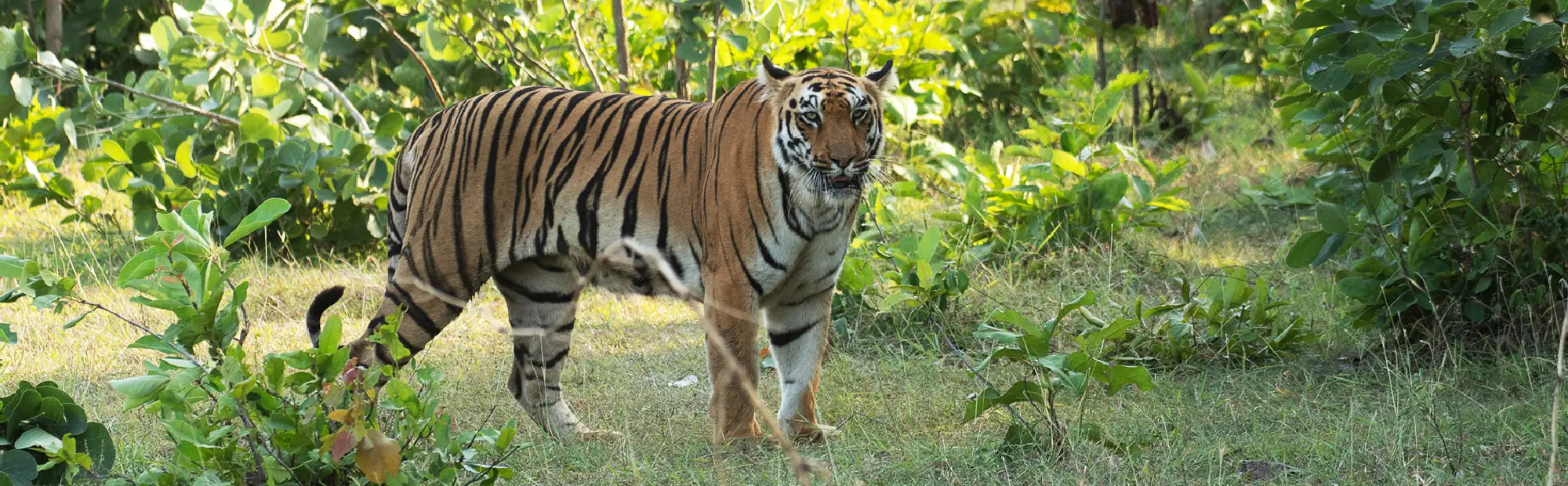
Bandhavgarh National Park is one of India’s most celebrated wildlife reserves and is widely regarded as one of the best places in the country to see Bengal tigers in the wild. Located in the central Indian state of Madhya Pradesh, Bandhavgarh offers dense forests, open meadows, and dramatic rocky hills crowned by ancient ruins.
Unlike the desert landscapes of Ranthambore or the river valleys of Jim Corbett, Bandhavgarh is known for its high tiger density and compact safari zones. This combination increases the probability of sightings and makes the park especially attractive to wildlife enthusiasts and photographers.
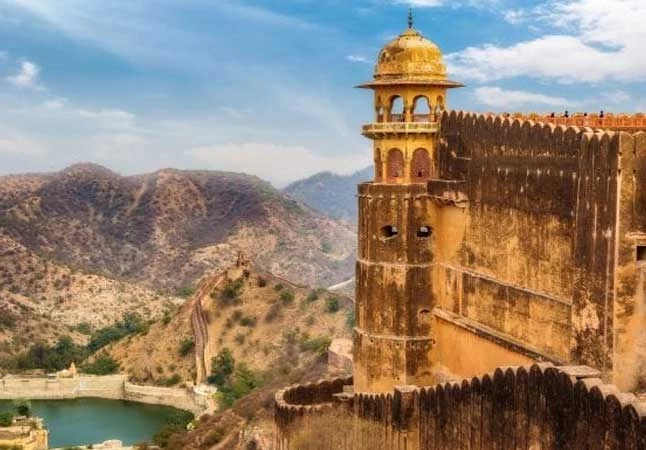
The park derives its name from the historic Bandhavgarh Fort, which sits atop a steep hill within the reserve. This fort, believed to date back over 2,000 years, adds historical depth to the forest landscape and reflects India’s long-standing connection between nature and heritage.
For international travellers, Bandhavgarh offers an immersive wildlife experience in a quieter and more focused setting compared to larger reserves. It is particularly suited for those who prioritize tiger tracking and forest exploration.

Tiger Safari, Bandhavgarh Fort, Tala Zone, Wildlife Photography, Bird Watching

October – June
Peak tiger visibility from March to May.

2–3 Days
At least 3–4 safaris recommended.

English, Hindi
English-speaking naturalist guides accompany safaris.
Bandhavgarh is renowned for having one of the highest tiger densities among Indian national parks. The reserve is divided into core safari zones, with the Tala Zone being the most popular and wildlife-rich area.
Other zones such as Magadhi and Khitauli also offer rewarding sightings. Each zone features distinct terrain — from grasslands to dense sal forests and rocky outcrops.
Safaris operate twice daily, in open 4x4 vehicles accompanied by licensed drivers and trained naturalists. Because of the park’s compact size, wildlife movement can be tracked efficiently, increasing the chances of encountering tigers.
While sightings are never guaranteed, Bandhavgarh has historically recorded consistent tiger visibility compared to many other parks.
Bandhavgarh’s landscape is visually dramatic. Forested valleys open into wide meadows, while steep hills rise abruptly from the plains. Ancient caves and stone carvings are scattered across the reserve, some dating back to early civilizations.
The mix of dense forest and open areas provides varied safari experiences. Morning drives often feature mist rising over grasslands, while late afternoon safaris highlight golden light filtering through sal trees.
Beyond tigers, the park supports leopards, sloth bears, wild boar, jackals, and several deer species. Birdlife is diverse, with over 250 species recorded.
The hilltop Bandhavgarh Fort adds unique historical context to the park. Though access is sometimes restricted for conservation reasons, the fort’s presence reinforces the deep relationship between India’s royal past and its forests.
According to legend, the fort was gifted by Lord Rama to his brother Lakshmana, giving the area spiritual significance as well.
Bandhavgarh is especially favored by wildlife photographers due to its relatively open meadows and frequent tiger sightings. The park’s smaller size allows more concentrated tracking efforts.
Naturalist guides communicate across zones to monitor tiger movement patterns. Early booking is essential, particularly in peak season (February to May).
Safari discipline is strictly maintained. Vehicles follow designated routes, and interaction with wildlife is regulated to protect animal welfare.
Bandhavgarh offers a range of safari lodges located near the park entrance. Many properties are designed in rustic or jungle-themed style while maintaining international comfort standards.
Luxury lodges provide private cottages, curated dining experiences, and guided nature walks. Mid-range lodges offer comfortable rooms and organized safari coordination.
Unlike more urban destinations, Bandhavgarh feels secluded and nature-focused. Evenings are typically quiet, with guests gathering around bonfires or attending naturalist briefings.
The park is open from October to June. Winter months (November to February) provide cooler weather but thicker vegetation.
Summer months (March to May) are hotter but increase the likelihood of tiger sightings near water sources.
The park remains closed during monsoon season (July to September).
Advance safari booking is mandatory, requiring passport details for foreign visitors.
Bandhavgarh is accessible via Central India transport routes.

Nearest airport: Jabalpur

Road connections from Jabalpur and Khajuraho

Nearest railway station: Umaria
We promise you a holiday where everything is taken care of from the moment you land. Trusted drivers waiting for you, handpicked hotels that fit your style, personalized itineraries designed just for your family, and a dedicated team on call 24/7. All you need to do is relax, explore, and create unforgettable memories, while we take care of every detail behind the scenes.
Three to four safaris increase sighting chances.
Yes, it is known for high tiger density.
Tala Zone is the most popular.
March to May for higher visibility.
Yes, safaris operate under strict regulations.
Yes, though guidelines may apply.
Yes, trained naturalists accompany safaris.
Typically accessed via connecting flights or trains.
Yes, advance safari permits are mandatory.
Yes, from July to September.
Yes, it is often paired with Kanha National Park.
Yes, it is one of the best parks for wildlife photography.