Gokarna is one of India’s most understated coastal destinations, located in the state of Karnataka along the Arabian Sea. Unlike Goa’s energetic beach culture or the Andaman Islands’ tropical island setting, Gokarna offers a quieter, more introspective coastal experience where spirituality and beach life exist side by side.
For international travellers, Gokarna feels authentic and less commercialized. The town is small, centered around the ancient Mahabaleshwar Temple, and surrounded by a series of beautiful crescent-shaped beaches connected by walking trails over rocky hills.
Gokarna attracts a mix of Hindu pilgrims, backpackers, yoga enthusiasts, and travellers seeking calm seaside landscapes without heavy nightlife or large resort development.
It works particularly well as a peaceful extension after Goa or Hampi, offering similar coastal scenery but with a slower rhythm.

Om Beach, Kudle Beach, Half Moon Beach, Mahabaleshwar Temple, Paradise Beach

October – March
Pleasant weather and ideal beach conditions.

2–3 Days
Allows beach hopping and cultural exploration.

English, Kannada, Hindi
English widely spoken in tourism areas.
The most recognizable beach in Gokarna is Om Beach, named after its natural shape resembling the sacred Hindu symbol “Om.” From elevated viewpoints, the two curved stretches of sand are clearly visible.
Om Beach combines scenic beauty with modest beachside cafés and guesthouses. Unlike Goa’s densely developed beaches, Om retains a more natural atmosphere.
Water conditions vary seasonally, but during calm months swimming is possible.
Sunsets at Om Beach are particularly striking, with rocky outcrops framing the horizon.
Kudle Beach is one of the most popular beaches among international travellers. It offers a wide stretch of sand bordered by simple guesthouses and beach huts.
The atmosphere at Kudle is relaxed. Mornings are quiet, with yoga sessions and peaceful walks along the shoreline.
Evenings bring soft lighting from beach cafés rather than loud parties.
Kudle appeals to those who appreciate minimal commercial development and direct connection to nature.
One of Gokarna’s most distinctive features is the ability to walk between beaches via coastal trails. Starting from Kudle or Om Beach, travellers can hike to Half Moon Beach and further to Paradise Beach.
These trails pass over rocky cliffs and offer panoramic views of the Arabian Sea.
Half Moon and Paradise beaches are smaller and less developed, creating secluded environments for quiet relaxation.
The beach-hopping experience in Gokarna is more adventurous compared to simply driving between beaches in Goa.
At the center of Gokarna town stands the ancient Mahabaleshwar Temple, dedicated to Lord Shiva. The temple is one of the most sacred pilgrimage sites in Karnataka.
Unlike purely leisure-oriented beach towns, Gokarna retains a strong spiritual identity. Pilgrims visit to perform rituals and bathe at nearby temple tanks.
The coexistence of sacred spaces and backpacker beaches gives Gokarna its unique dual character.
Visitors should dress modestly when entering temple areas.
Gokarna town itself is simple and traditional. Narrow streets are lined with small shops, vegetarian restaurants, and local homes.
Unlike Goa’s colonial architecture or Varkala’s cliff promenade, Gokarna feels rooted in traditional South Indian village life.
Daily rhythms revolve around temple activity and small-scale fishing.
The slower pace appeals to travellers seeking authenticity rather than nightlife.
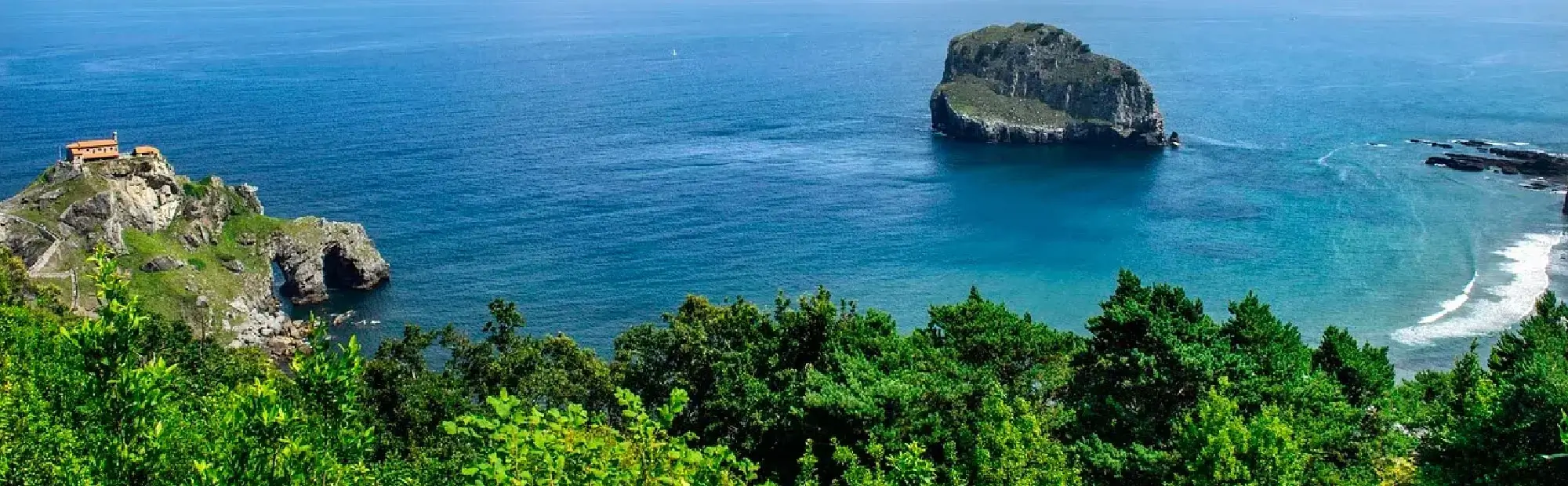
Gokarna’s coastline features rocky cliffs, sandy coves, and palm groves.
The terrain creates natural separations between beaches, preserving privacy and reducing crowd density.
Compared to the tropical coral waters of the Andaman Islands, Gokarna’s waters are deeper blue and more rugged.
The coastal hills provide elevated viewpoints ideal for photography.
Gokarna experiences a tropical climate similar to Goa.
Monsoon visits offer dramatic ocean views but limited swimming conditions.
Gokarna offers mostly mid-range guesthouses, eco-stays, and small boutique properties.
Luxury resorts are limited compared to Goa.
Beach huts and simple accommodations provide direct access to shoreline areas.
Because development is controlled, infrastructure remains modest but sufficient for comfortable stays.
Gokarna is accessible by road from Goa and major Karnataka cities.
It pairs well with Hampi for a combined heritage-and-beach itinerary.
The town is small, and most beach areas require short walks or scooter rides.
Advance booking is advisable during peak winter months.
Compared to Goa, Gokarna is quieter and less commercial.
Compared to Varkala, it offers more secluded beach trekking.
Compared to the Andaman Islands, it lacks coral reefs but compensates with raw coastal beauty.
Gokarna suits travellers seeking calm, scenic simplicity rather than nightlife or large-scale resorts.
Gokarna is accessible from Karnataka and Goa.

Nearest airport: Goa or Hubli

Road connections from Goa and Bengaluru

Gokarna Road Railway Station

We promise you a holiday where everything is taken care of from the moment you land. Trusted drivers waiting for you, handpicked hotels that fit your style, personalized itineraries designed just for your family, and a dedicated team on call 24/7. All you need to do is relax, explore, and create unforgettable memories, while we take care of every detail behind the scenes.
Gokarna is known for peaceful beaches and spiritual heritage.
Two to three days are recommended.
Yes, it is generally safe and calm.
Yes, during calm sea conditions.
Less crowded than Goa.
October to March.
No, evenings are relaxed.
Yes, in tourist areas.
Yes, easily via road.
Mostly mid-range and boutique options.
Yes, with proper footwear and caution.
No, it is a coastal extension.