One of the most common questions we receive at Golden Triangle Tours - asked by guests from the United States, the United Kingdom, Australia, and across Europe - is deceptively simple:
"When is the best time to visit?"
The honest answer is more nuanced than most travel guides acknowledge. The Golden Triangle - Delhi, Agra, and Jaipur - does not have a single universally "best" time. It has different seasons, each extraordinary in its own way, each with its own character, its own advantages, its own particular magic. The October traveler and the May traveler and the January traveler and the monsoon traveler all have genuinely extraordinary experiences - different from each other but not lesser.
What this guide provides is the complete, honest picture: what each month of the year actually delivers for a luxury Golden Triangle traveler - weather, crowd levels, hotel pricing, festival opportunities, and the specific experiences that each season makes possible or impossible. Armed with this knowledge, you can choose the timing that best matches your travel style, your schedule, and your vision for your India experience.
At Golden Triangle Tours, we design exceptional journeys in every month of the year. This is what we know.
Before the month-by-month detail, a framework:
Chapter 1 - Peak Season (October through March) The most comfortable sightseeing weather. The most reliable photography conditions. The highest hotel rates. The largest international crowds at major monuments. The concentration of India's finest cultural festivals. The universally recommended window for first-time visitors.
Chapter 2 - Summer (April through June) Rising heat - intense by May and June - but dramatically reduced crowds, significantly lower hotel rates (30 to 40 percent below peak), and the unique advantage of near-empty monuments in the early morning hours. Manageable with proper planning and luxury hotel retreats in the afternoons.
Chapter 3 - Monsoon (July through September) Rain, lush green landscapes, the lowest rates of the year, and an atmosphere at major monuments that is genuinely unlike any other season. Not the conventional recommendation - but for adventurous luxury travelers with flexibility, one of the most memorable times to experience the Golden Triangle.
October - The Ideal Opening
Temperature: 75°F to 95°F (24°C to 35°C) days | 60°F to 75°F (15°C to 24°C) evenings Crowd Level: Moderate, building toward peak Hotel Rates: Transitioning from low to mid-season Photography Conditions: Excellent - clear skies, warm light, post-monsoon greenery
What October delivers:
October is perhaps the finest month to visit the Golden Triangle - and yet it is underappreciated by travelers who fixate on November and December. The post-monsoon atmosphere in October is extraordinary: the landscape is lush and deeply green from the summer rains, the air is washed clean, the light is warm and golden, and the crowds have not yet reached peak-season intensity.
Temperatures are warm rather than hot - comfortable for all-day sightseeing with appropriate clothing and sun protection. Evenings are pleasant enough for outdoor dining without additional layers.
Festival Highlight - Dussehra (October): Dussehra - celebrating the victory of Lord Rama over the demon king Ravana - is one of India's most spectacular public festivals. In Delhi, the Ramlila Ground hosts elaborate theatrical performances of the Ramayana story across the ten days preceding Dussehra, culminating in the burning of enormous effigies of Ravana, Meghnad, and Kumbhkaran - structures that can reach 100 feet in height - in a pyrotechnic spectacle visible from miles away. At Golden Triangle Tours, we position guests at viewing locations that provide both safety and dramatic visual access to this extraordinary event.
Hotel Rates: October marks the beginning of the rate increase - early October still offers shoulder-season pricing (15 to 25 percent below peak), while late October approaches full peak rates. Booking early-October travel can deliver peak-season conditions at meaningfully lower prices.
Luxury Advantage: October is genuinely the sweet spot - excellent conditions, reasonable rates, and the particular beauty of a post-monsoon landscape that December travelers never see.
Temperature: 65°F to 85°F (18°C to 29°C) days | 50°F to 65°F (10°C to 18°C) evenings Crowd Level: High, building to peak by late November Hotel Rates: Full peak season Photography Conditions: Outstanding - clear skies, golden light, comfortable temperatures
What November delivers:
November is the month most consistently recommended by experienced Golden Triangle travelers - and the recommendation is entirely justified. The weather is close to perfect: warm enough to be thoroughly comfortable during the day, cool enough in the evening to require a light layer and to feel genuinely autumnal. The light at this time of year - low-angle, golden, with long shadows - is exceptional for photography at the Taj Mahal, Amber Fort, and across the Pink City.
Festival Highlight - Diwali (October/November): Diwali - the Festival of Lights - is India's most celebrated festival and one of the most visually spectacular events on earth. The exact date changes annually (determined by the lunar calendar) and falls in October or November. In Jaipur, Diwali transforms the entire city: every building, every street, every palace facade is illuminated with clay oil lamps (diyas), electric lights, and elaborate decorations. Rambagh Palace and Raj Palace both create extraordinary Diwali celebrations for guests - traditional lamp-lighting ceremonies, fireworks over the palace gardens, festive menus, and cultural performances.
For Golden Triangle Tours guests visiting during Diwali, we arrange front-row access to the finest celebrations - palace courtyard lamp-lighting ceremonies, rooftop positions for fireworks viewing, and specially curated Diwali dinner experiences. Experiencing Diwali in Jaipur from the terrace of a palace hotel is, for many guests, the single most spectacular evening of their entire India journey.
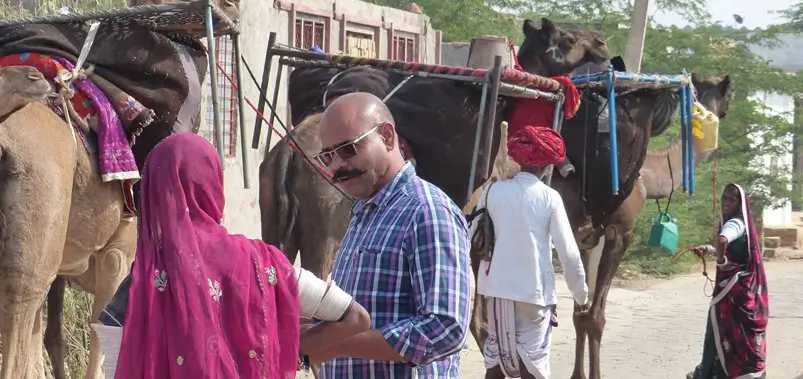
Festival Highlight - Pushkar Camel Fair (November): The Pushkar Camel Fair - held annually in the desert town of Pushkar, 150 kilometers from Jaipur - is one of the world's largest and most extraordinary gatherings: 200,000 camels, horses, and cattle traded over five days, alongside religious ceremonies at the sacred Pushkar Lake. At Golden Triangle Tours, we incorporate a private day trip or overnight extension to Pushkar during the fair period for guests who want to witness this extraordinary spectacle. Luxury tented camps at Pushkar during fair week offer surprisingly fine accommodation in a setting of complete cultural immersion.
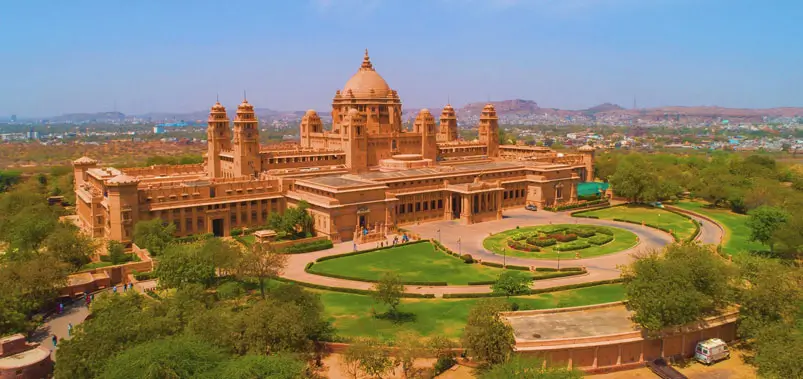
Luxury Consideration: November hotel rates are at full peak across all properties. Rambagh Palace, Oberoi Amarvilas, and Oberoi Rajvilas book out well in advance for Diwali week specifically. If your travel includes Diwali, book 6 months or more in advance.
Temperature: 55°F to 75°F (13°C to 24°C) days | 40°F to 55°F (4°C to 13°C) evenings Crowd Level: Peak - highest of the year Hotel Rates: Highest of the year (December 20 through January 5 is premium peak) Photography Conditions: Outstanding - brilliant clear days, cool crisp air, occasional fog
What December delivers:
December is the most popular month for international visitors to the Golden Triangle - and the competition for hotels, guides, and monument entry slots is at its annual maximum. The weather is genuinely beautiful: crisp and cool during the day, cold enough in the evenings to justify excellent layering, with brilliant blue skies and exceptional clarity of light.
The fog dimension: Delhi and Agra in December and January experience morning fog - sometimes thin and atmospheric, occasionally thick enough to delay road travel. At the Taj Mahal, fog creates one of the most ethereal experiences available: the white marble dome emerging slowly from white mist as the fog burns off in the morning light. This is not a disappointing experience - it is an extraordinary one. Golden Triangle Tours briefs guests specifically on fog management so that it enhances rather than disrupts the experience.
Festival Highlight - Jaipur Literature Festival (January, but booking opens December): The Jaipur Literature Festival - held every January at the Diggi Palace in Jaipur - is the world's largest free literary festival, attracting 400,000 visitors and speakers from across the global literary world. For culturally inclined luxury travelers, combining a Golden Triangle Tour with JLF attendance is one of the finest itinerary configurations available. Festival passes for author sessions and special events require advance registration.
Luxury Consideration: The Christmas and New Year window (December 20 through January 5) carries the highest hotel rates of the entire year - often a 20 to 30 percent premium above standard peak rates. For guests who can adjust timing by even five to seven days - arriving December 15 or departing before December 20 - the savings can be significant while the conditions remain nearly identical.
Our recommendation: December 1 through December 18 delivers full peak-season conditions at slightly lower rates than the Christmas window. This is our recommended December travel window for guests with flexibility.
Temperature: 50°F to 72°F (10°C to 22°C) days | 38°F to 50°F (3°C to 10°C) evenings Crowd Level: High (post-holiday reduction from December peak) Hotel Rates: Full peak, slightly below Christmas premium Photography Conditions: Outstanding - crystalline winter light, occasional atmospheric fog
What January delivers:
January is, in the opinion of many seasoned Golden Triangle travelers including our own team, the finest single month to experience the circuit. The Christmas crowds have reduced, rates have come slightly off their December premium, and the weather - while genuinely cold by Indian standards, particularly in the early mornings - creates the clearest, most crystalline light of the entire year.
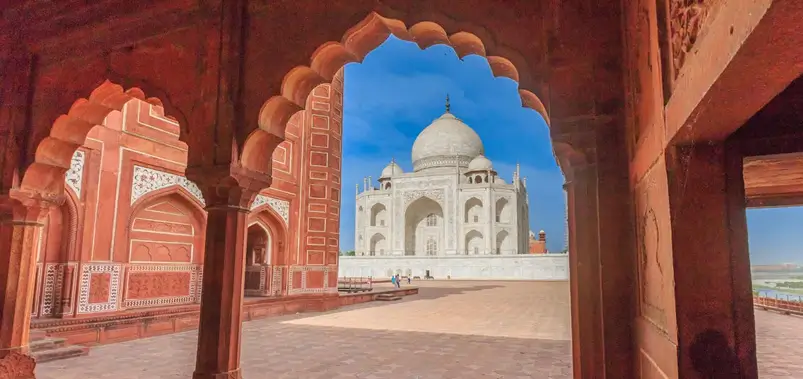
The Taj Mahal in January morning light - particularly on cold, clear days - is at its most architecturally precise and photographically extraordinary. The marble appears almost impossibly white against a deep blue winter sky.
Festival Highlight - Jaipur Literature Festival (late January): JLF typically occupies five days in late January. The Diggi Palace lawns fill with the world's finest authors, thinkers, journalists, and artists in an atmosphere that combines intellectual excitement with the extraordinary backdrop of Jaipur's old city. For Golden Triangle Tours guests, we incorporate JLF sessions into the Jaipur chapter of the itinerary and arrange priority access to sold-out special events.
Festival Highlight - Republic Day (January 26): India's Republic Day on January 26 features an extraordinary military and cultural parade along Rajpath (now Kartavya Path) in New Delhi - one of the most visually spectacular national parades in the world, with military contingents, cultural tableaux from every Indian state, and aerial displays by the Indian Air Force. Attendance requires advance passes - Golden Triangle Tours arranges these for guests whose Delhi dates align.
Festival Highlight - Makar Sankranti / Uttarayan (January 14): The Jaipur kite festival around Makar Sankranti transforms the city's skyline into a canopy of thousands of kites - a visually extraordinary and deeply joyful celebration. Rooftop viewing from your palace hotel is the finest vantage point.
February - Late Peak, Perfect Pace
Temperature: 60°F to 82°F (15°C to 28°C) days | 45°F to 60°F (7°C to 15°C) evenings Crowd Level: Moderate - the best crowd-to-condition ratio of peak season Hotel Rates: Slightly below full peak Photography Conditions: Excellent - clear skies, warming light
What February delivers:
February is, in our honest assessment, the most underrated month on the Golden Triangle calendar. The weather is warming toward spring - days are comfortably warm without being hot, evenings are pleasantly cool, and the crowds have reduced from January's peak. Hotel rates edge slightly below full peak pricing. The light is beautiful - warmer and more golden than January's crystalline winter tones.
Festival Highlight - Holi (February or March): Holi - the Festival of Colors - is one of India's most joyful and visually extraordinary celebrations. The exact date varies annually (lunar calendar) and falls in late February or March. On Holi morning, participants throw colored powder (gulal) at each other in a celebration of spring, love, and the triumph of good over evil that transforms every public space into an explosion of pink, purple, green, and yellow.
In Jaipur, Holi is celebrated with particular exuberance - the Rambagh Palace hosts a curated Holi celebration for guests that includes traditional music, dance, organic gulal powder, traditional Holi cuisine (gujiya, thandai), and a safe, curated experience of this extraordinary festival. At Golden Triangle Tours, we arrange private Holi celebrations for guests - including a designated "Holi outfit" (white clothing that shows the colors beautifully), premium organic powder rather than synthetic dyes, and access to private courtyard celebrations at heritage properties.
Luxury Consideration: February is the best value month of peak season - excellent conditions, moderate crowds, and rates that are typically 10 to 20 percent below November and December peaks. For guests with schedule flexibility, February delivers extraordinary value.
March - The Spring Transition
Temperature: 70°F to 92°F (21°C to 33°C) days | 55°F to 70°F (13°C to 21°C) evenings Crowd Level: Low to moderate - peak season winding down Hotel Rates: Transitioning from peak to shoulder Photography Conditions: Excellent - clear skies, warm golden light, spring colors
What March delivers:
March is the spring transition - peak season ending, temperatures beginning their rise toward summer, crowds reducing toward their annual minimum. The conditions are still excellent for sightseeing - warm days, comfortable evenings - and the spring colors in the Taj Mahal gardens and the Amber Fort surrounds add a warmth and richness that the cooler winter months lack.
Holi (if it falls in March rather than February) transforms the first weeks of March into one of the most celebratory periods of the Indian calendar. See the February section above for the full Holi experience guide.
Luxury Advantage: March is the last month of genuinely comfortable all-day sightseeing before summer heat begins to require scheduling adjustments. Guests who travel in March benefit from peak-season conditions at transitional rates - an excellent combination.
April - The Shoulder Season Opportunity
Temperature: 85°F to 105°F (29°C to 41°C) days | 68°F to 80°F (20°C to 27°C) evenings Crowd Level: Very low Hotel Rates: Significantly reduced (15 to 30 percent below peak) Photography Conditions: Good in early mornings, harsh in midday and afternoon
What April delivers:
April marks the beginning of the Indian summer - temperatures rise meaningfully, and the midday sun becomes genuinely intense. However, April is by no means impossible or even difficult for well-prepared luxury travelers. The key is scheduling strategy: all sightseeing before 11:00 AM, all afternoons at your hotel's pool and spa, all evenings outdoors again as temperatures drop.
The rewards of April travel are significant: monument crowds essentially disappear. The Taj Mahal at 6:30 AM in April - already warm, brilliantly lit, with perhaps thirty visitors in the entire complex - is an extraordinary experience. The Amber Fort without the late-morning tour bus crowds has a completely different atmosphere of peace and grandeur.
Hotel rates in April are typically 15 to 25 percent below peak. At Oberoi Amarvilas and Rambagh Palace specifically, April availability is often excellent - a rarity in peak season.
May - The Summer Insider's Month
Temperature: 95°F to 115°F (35°C to 46°C) days | 78°F to 88°F (26°C to 31°C) evenings Crowd Level: Minimal - the lowest of the non-monsoon year Hotel Rates: 30 to 40 percent below peak season Photography Conditions: Exceptional in early mornings (5:30 to 9:00 AM), impossible midday
What May delivers (for current 2026 travelers specifically):
May is the month that surprises - and in the best possible way - the traveler who approaches it with the right framework.
Yes, May is hot. Genuinely, seriously hot in the afternoons - particularly in Agra and Delhi. The thermometer at 2:00 PM does not invite outdoor activity. But May at the Taj Mahal at 5:45 AM - the monument empty, the light already warm and golden, the temperature a manageable 78°F, the air still before the day heats up - is among the finest Taj Mahal experiences of the entire year.
The luxury advantage of May travel is substantial:
Rates: Oberoi Amarvilas in May can be 35 to 40 percent less expensive than the same room in November. Rambagh Palace and Oberoi Rajvilas offer their most accessible rates of the year. This means the ultra-luxury tier - hotels that feel genuinely out of reach in peak season - become accessible at meaningfully lower prices.
Crowds: The Taj Mahal in May morning has perhaps 50 visitors in the entire complex by 7:00 AM. The Amber Fort is near-empty until 10:00 AM. The Jaipur bazaars have space to breathe and browse. The sightseeing experience, in the early hours, is as close to private as a UNESCO World Heritage Site ever gets.
Pacing: The forced break of the afternoon - when all sensible activity moves indoors to your pool and spa - creates a rhythm of morning intensity, afternoon luxury, evening leisure that many guests describe as the most pleasantly structured travel rhythm they have experienced.
Practical May Tips from Golden Triangle Tours:
June - Late Summer, Last Chance Before Monsoon
Temperature: 100°F to 115°F (38°C to 46°C) - hottest month Crowd Level: Minimal Hotel Rates: Lowest of the year (except monsoon) Photography Conditions: Early mornings only - extraordinary clear light before the heat haze
What June delivers:
June is the hottest month and the final month before Ranthambore closes for monsoon. For guests who want the tiger safari component of their Golden Triangle extension, June is the last opportunity until October. The park offers surprisingly excellent wildlife viewing in June - all animals concentrate at the remaining water sources, and tiger sightings near the lakes can be dramatic.
Hotel rates in June are the lowest of the non-monsoon year - making the ultra-luxury tier maximally accessible.
The heat is real and requires careful management. Our May packing guide applies fully to June - early mornings only outdoors, luxury hotel retreats in the afternoon.
July, August, September - The Monsoon Season
Temperature: 80°F to 95°F (27°C to 35°C) with high humidity Crowd Level: The lowest of the year - genuinely minimal Hotel Rates: Annual minimum - often 40 to 50 percent below peak Photography Conditions: Dramatic and unusual - monsoon clouds, wet marble, lush green landscape
What monsoon delivers:
The Golden Triangle in monsoon is not the conventional recommendation - and for good reason. Rain is unpredictable and can be heavy. Humidity is high. The Ranthambore tiger safari is unavailable (park closed July 1 to October 1).
But for the adventurous luxury traveler with flexibility and a spirit of curiosity, the monsoon Golden Triangle offers something completely unique:
The Taj Mahal in monsoon rain - wet white marble, dramatic grey clouds, the reflection pool full and mirroring a stormy sky - is an experience of extraordinary, almost surreal beauty. Some of the most powerful photographs ever taken of the Taj Mahal were captured in monsoon conditions.
The landscape transforms completely - the dry brown plains of Rajasthan become green and lush. Garden hotels like Rambagh Palace and Oberoi Rajvilas become extraordinarily beautiful in monsoon growth.
The prices are the lowest of the year - access to ultra-luxury tier hotels at genuinely remarkable rates.
Festival Highlight - Teej (July/August): Teej - a women's festival celebrating marriage and the monsoon - is celebrated in Jaipur with processions of women in green and red clothing, traditional songs, swings hung from trees, and the particular joy of a festival that belongs specifically to Rajasthan's own seasonal calendar. At Golden Triangle Tours, we arrange private viewing of Teej processions from heritage hotel balconies for guests visiting during this window.
|
Festival |
Month (Approx.) |
Best Viewing City |
Notes |
|
Dussehra |
October |
Delhi |
Ravana effigy burning at Ramlila Ground |
|
Diwali |
Oct/Nov |
Jaipur |
Palace lamp-lighting, fireworks |
|
Pushkar Camel Fair |
November |
Pushkar (near Jaipur) |
5-day extension from Jaipur |
|
Makar Sankranti / Kite Festival |
January 14 |
Jaipur |
Rooftop viewing from palace hotels |
|
Republic Day Parade |
January 26 |
Delhi |
Advance passes required |
|
Jaipur Literature Festival |
Late January |
Jaipur |
5-day literary festival, advance registration |
|
Holi |
Feb/March |
Jaipur |
Rambagh Palace curated celebration |
|
Elephant Festival |
March |
Jaipur |
Traditional elephant procession and polo |
|
Teej |
July/August |
Jaipur |
Women's monsoon festival, processions |
|
Gangaur |
March/April |
Jaipur |
18-day Rajasthani women's festival |
|
Factor |
Oct–Nov |
Dec–Jan |
Feb–Mar |
Apr–Jun |
Jul–Sep |
|
Temperature |
Warm-Cool |
Cool-Cold |
Warm |
Hot-Very Hot |
Humid-Warm |
|
Crowd Level |
Moderate-High |
Peak |
Low-Moderate |
Very Low |
Minimal |
|
Hotel Rates |
Mid-Peak |
Highest |
Mid |
Low |
Lowest |
|
Photography |
★★★★★ |
★★★★★ |
★★★★☆ |
★★★☆☆ |
★★★★☆ |
|
Sightseeing Comfort |
★★★★★ |
★★★★☆ |
★★★★★ |
★★★☆☆ |
★★☆☆☆ |
|
Festival Opportunities |
★★★★★ |
★★★★☆ |
★★★★☆ |
★★☆☆☆ |
★★★☆☆ |
|
Value for Luxury |
★★★☆☆ |
★★☆☆☆ |
★★★★☆ |
★★★★★ |
★★★★★ |
|
Ranthambore Safari |
✅ |
✅ |
✅ |
✅ (until June 30) |
❌ |
Golden Triangle Tours' Seasonal Recommendations by Traveler Type
For first-time visitors: October, November, or February - the finest conditions with the most manageable crowds and the most significant festival opportunities.
For honeymooners: November (Diwali window) or February (Holi window) - festivals add an extraordinary dimension to the romantic experience. October is equally romantic with more accessible hotel rates.
For luxury travelers prioritizing value: April or May - ultra-luxury hotels at their most accessible rates, near-empty monuments in early morning, and the particular rhythm of morning intensity and afternoon leisure that many guests describe as their most enjoyable India travel experience.
For photography enthusiasts: January or October - the finest light of the year, extraordinary festival opportunities, and the full range of the monument's beauty in perfect conditions.
For wildlife enthusiasts (Ranthambore extension): October through March for optimal safari conditions. April and May remain viable with outstanding water-source wildlife viewing.
For adventurous luxury travelers: July to September - monsoon conditions, extraordinary hotel rates, dramatic landscape, and the completely unique experience of the Taj Mahal in rain. Not for everyone - but for the right traveler, one of the most memorable India experiences available.
We promise you a holiday where everything is taken care of from the moment you land. Trusted drivers waiting for you, handpicked hotels that fit your style, personalized itineraries designed just for your family, and a dedicated team on call 24/7. All you need to do is relax, explore, and create unforgettable memories, while we take care of every detail behind the scenes.
If forced to choose one month, November edges ahead - the combination of near-perfect weather, extraordinary festival opportunities (Diwali and Pushkar), the full complement of luxury hotel programming, and the highest overall quality of the sightseeing experience makes it the most consistently rewarding month. However, February is a very close second with better value and equally excellent conditions.
Yes - with the right preparation and expectations. May offers dramatically reduced hotel rates (30 to 40 percent below peak), near-empty monuments in the early morning hours, and the distinctive pleasure of an ultra-luxury India experience at prices that peak season does not allow. All outdoor sightseeing must be completed by 11:00 AM. Afternoons at your hotel pool and spa are not a compromise - they are part of the experience. Golden Triangle Tours has extensive experience designing excellent May itineraries for international guests.
Yes - early mornings and evenings in Delhi, Agra, and Jaipur in December and January can be genuinely cold by international standards (38°F to 50°F / 3°C to 10°C). The Taj Mahal sunrise at 6:00 AM in January requires warm layers. By 10:00 AM, temperatures are comfortable for light clothing. Packing layers - a light down jacket, warm scarf, and gloves for early morning activities - is essential for December and January travel.
Diwali falls on a different date each year (determined by the lunar calendar). For 2026, Diwali falls in late October. For 2027, check the Hindu calendar for the precise date. Golden Triangle Tours provides Diwali dates for every future travel year and designs itineraries specifically around the festival for guests who want this experience. Book at least 6 months in advance for Diwali window travel - palace hotels in Jaipur sell out completely for this period.
The Taj Mahal is open every day of the year except Friday (when it is closed for Friday prayers). It is open from sunrise to sunset on all other days, with special moonlight viewing on full moon nights. Monsoon rain does not close the monument - it simply transforms the experience. Golden Triangle Tours always schedules Agra visits to avoid Fridays.
The Pushkar Camel Fair takes place in November, with the exact dates determined by the lunar calendar - typically the week surrounding the Kartik Purnima (full moon). For 2026, the fair is expected in late November. Golden Triangle Tours confirms exact dates each year and designs private day trips and overnight extensions to Pushkar for guests whose November travel coincides with the fair.
Dense fog can occasionally delay road travel and domestic flights in Delhi in January - this is a reality of winter travel that we manage proactively. Golden Triangle Tours builds schedule flexibility into January itineraries, monitors weather conditions daily during your trip, and adjusts timing where necessary. Fog at the Taj Mahal is not a disruption - it is one of the most extraordinarily beautiful conditions in which to experience the monument.
The Jaipur Literature Festival - held annually in late January at Diggi Palace in Jaipur - is the world's largest free literary festival, attracting globally recognized authors, journalists, filmmakers, and thinkers for five days of sessions, conversations, and performances. For culturally engaged luxury travelers, it is one of the finest intellectual travel experiences in the world. Golden Triangle Tours designs itineraries that integrate JLF sessions with the standard Jaipur sightseeing program and arranges priority access to ticketed special events.
Yes - Rajasthan and the Golden Triangle do not experience the same intensity of monsoon flooding as coastal and northeastern India. Rain comes in afternoon and evening showers rather than sustained downpours, and road travel between cities is generally unaffected. The primary consideration is the Ranthambore closure (July 1 to October 1) - guests wanting the tiger safari extension must travel outside the monsoon window. Golden Triangle Tours designs monsoon itineraries with appropriate schedule flexibility and activity adjustments.
April through June offers the most accessible rates for ultra-luxury properties on the Golden Triangle. Oberoi Amarvilas in May can be 35 to 40 percent less expensive than in November or December. Rambagh Palace and Oberoi Rajvilas in Jaipur offer their most accessible rates in the same window. For travelers whose primary goal is staying in the finest possible hotels - and for whom weather is a manageable secondary consideration - the summer months deliver extraordinary luxury value.
Holi in Jaipur is one of India's most joyful and visually extraordinary festival experiences - the Pink City celebrating the Festival of Colors with particular exuberance. Golden Triangle Tours arranges private Holi experiences for guests that include: curated courtyard celebrations at palace properties, organic gulal powder (safer and more vibrant than synthetic alternatives), designated Holi clothing (white, to show the colors), traditional Holi cuisine (gujiya, thandai), and cultural performances. This is a completely safe, deeply enjoyable, and utterly unforgettable experience that we arrange for guests every year.
For November and December travel: 6 months minimum, and earlier for specific festival windows (Diwali, Holi, JLF) where palace hotels and special experiences sell out well in advance. For October and February: 3 to 4 months is generally sufficient. For April through September travel: 4 to 6 weeks is typically sufficient, though Golden Triangle Tours recommends contacting us as soon as your dates are known for the most comprehensive planning. We respond to all inquiries within 24 hours.