Golden Triangle Tour for Large Groups: Coach, Hotels & Group Package Pricing
14 Sep 2026

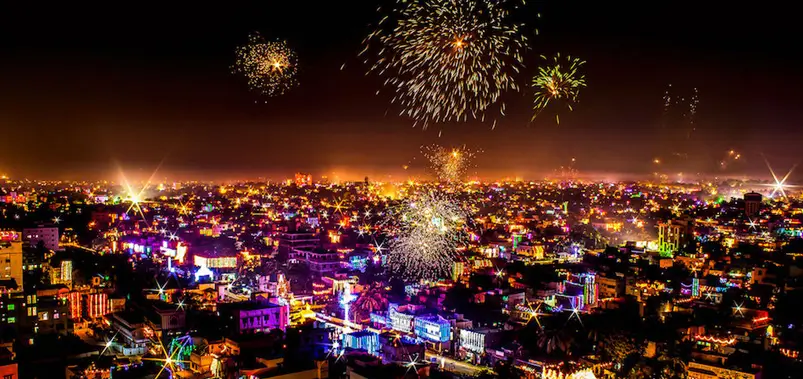
Every year, a small but growing number of international travellers plan their entire India trip around one festival: Diwali. And once you understand what Diwali actually is, it is easy to see why. For five days, the country does something that few places on earth do at this scale, it lights itself up, literally and emotionally, all at once.
If you search for Diwali in India, you will find endless lists of "top places to celebrate," and most of them are not wrong. Varanasi's ghats glow with thousands of diyas, Amritsar's Golden Temple is reflected in fireworks, and Kolkata fills with elaborate Kali pandals. But for a first time visitor who wants one place that combines visual spectacle, manageable logistics, warm hospitality, and the chance to step inside an actual home celebration, Jaipur sits near the top of almost every serious list, and for good reason.
This guide is built around the questions international travellers actually ask: what is Diwali, when does it happen, what will I actually see and do, is it safe, what should I wear, and, most importantly, how can I experience it the way Indian families do, not just from the outside looking in. We will also walk through how a Diwali trip can be designed around Jaipur, including spending the festival's most important night with a local Rajasthani family.
Diwali, also known as Deepavali, is rooted in the story of Lord Rama's return to Ayodhya after fourteen years of exile, following his victory over the demon king Ravana. To welcome him home, the people of Ayodhya lit rows of oil lamps, and that single act of lighting the way home has become the symbolic heart of the entire festival, light overcoming darkness, and good triumphing over evil.
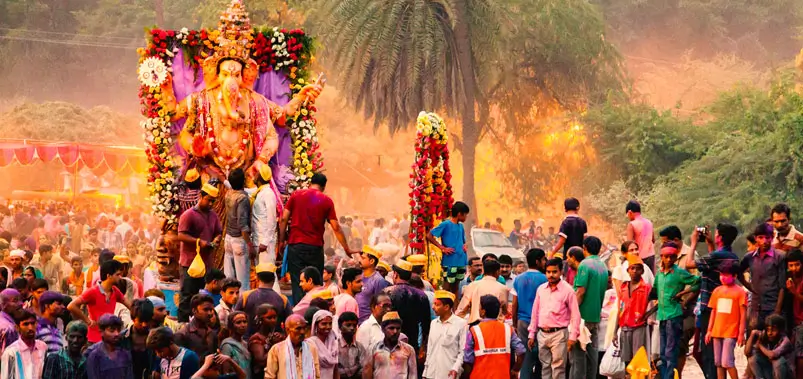
What surprises many first time visitors is that Diwali is not a single day. It is a five day sequence, each day carrying its own meaning: Dhanteras, when families buy gold, silver, or new utensils as a gesture of inviting prosperity; Choti Diwali, a smaller preparatory day; Diwali itself, the main night of lights and prayer; Govardhan Puja; and Bhai Dooj, which honours the bond between siblings.
In 2026, the main day of Diwali falls on November 8th, with the broader celebration period stretching across the days before and after.
This is one of the most practical questions for Diwali in India 2026 planning, and the answer matters for both weather and crowd levels.
The days immediately before the main Diwali night, particularly Dhanteras and Choti Diwali, are when markets are at their busiest and most decorated, as families shop for the festival. Many experienced travellers say these two or three days, rather than the main night itself, are actually their favourite part of the trip, since the energy is high but the crowds are slightly more manageable.
The main Diwali night is the emotional centrepiece, the night of Lakshmi Puja, diya lighting, and fireworks across the country. The day after tends to be quieter, as families spend time at home, while Bhai Dooj, the final day, has its own gentler, more intimate atmosphere.
Weather wise, early November in North India, including Jaipur, Delhi, and Agra, is generally pleasant: warm days, cool evenings, and clear skies, making it one of the most comfortable times of year to travel in this region.
This question comes up constantly, and the honest answer is one of the nicest surprises about how to celebrate Diwali in India as a visitor: yes, enthusiastically so.
While Diwali has deep religious roots, it has also become something closer to a national celebration that everyone, regardless of faith, takes part in. Many Indian families genuinely welcome international guests into their homes during the festival, not as a tourist transaction but as an extension of the same hospitality and openness that defines so much of Indian culture. Travellers consistently describe being invited to join a Lakshmi Puja, help light diyas, or simply sit down to a festive meal with people they had met only days before.
Wearing Indian clothing, a kurta for men or a salwar kameez or sari for women, during Diwali is also something hosts tend to find genuinely touching rather than performative. It is widely seen as a sign of respect and curiosity about the culture, not appropriation.
Understanding Diwali traditions and rituals in advance turns the festival from something you watch into something you experience.
In the days leading up to Diwali, homes across India undergo a thorough cleaning, based on the belief that Goddess Lakshmi, the deity of wealth and prosperity, will only enter a clean and welcoming home. This is followed by decoration: rangoli, intricate patterns made from coloured powders, flower petals, or rice, are laid out at entrances, often freshly created each morning by the women of the household.
On the main night, families gather for Lakshmi Puja, a prayer ceremony involving lamps, incense, flowers, and offerings of sweets, asking for prosperity and wellbeing in the coming year. After the puja, rows of diyas, small clay oil lamps filled with oil and a cotton wick, are lit and placed along windowsills, doorways, balconies, and rooftops. Fireworks follow, both organised displays and spontaneous ones from individual homes and streets.
Sweets are everywhere throughout the festival. In Rajasthan specifically, ghewar, a disc shaped, honeycomb textured sweet soaked in syrup, is a Diwali specialty, alongside kaju katli, motichoor laddoo, and an endless variety of namkeen, savoury snacks shared with guests and neighbours.
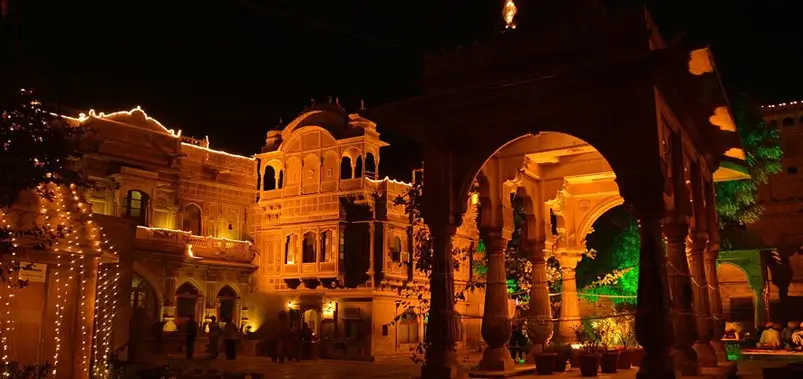
Among the cities most associated with Diwali festival India celebrations, Jaipur offers a particular combination that is hard to find elsewhere.
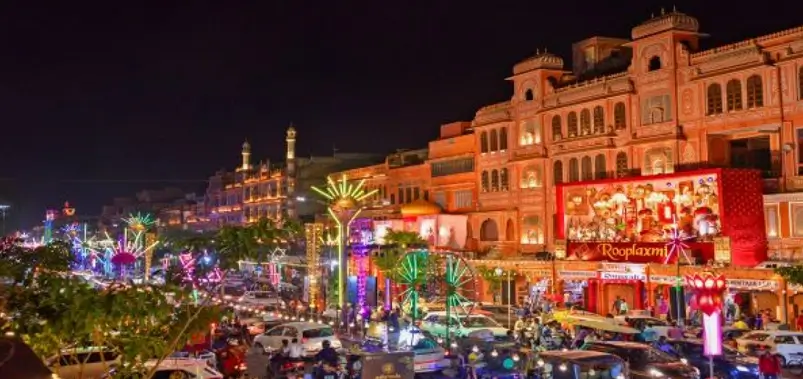
The old walled city becomes a competition ground, almost literally. Johari Bazaar, Bapu Bazaar, and Tripolia Bazaar take part in government sponsored decoration contests, with shopfronts and entire streets wrapped in lights, marigold garlands, and traditional lanterns. Walking through these markets in the days before Diwali, even without buying anything, is one of the most atmospheric things you can do in the city at any time of year.
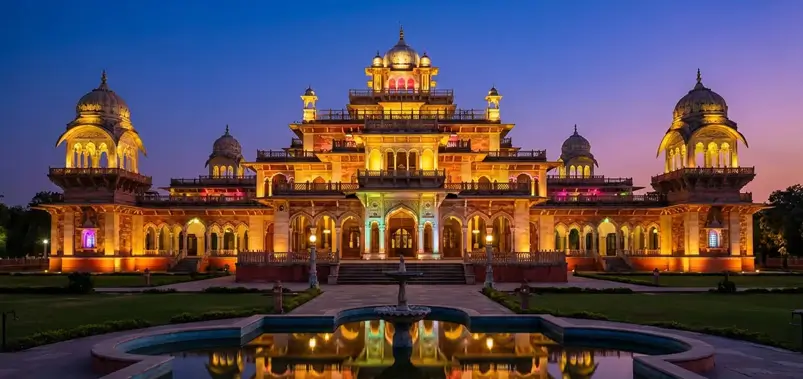
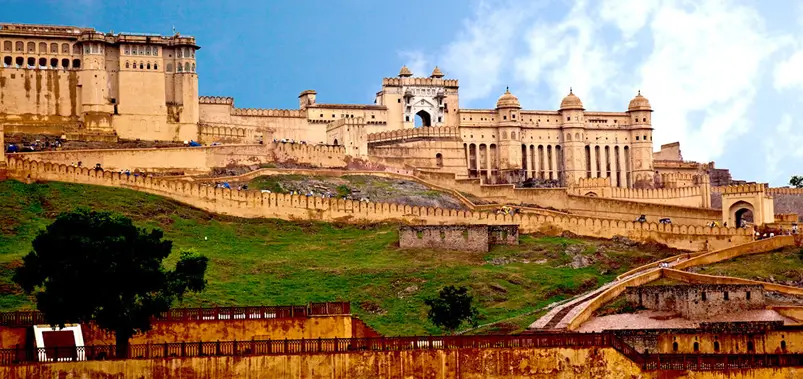
Jaipur's forts and palaces add a dimension that few other Diwali destinations can match. Amer Fort and Nahargarh Fort are illuminated for the occasion, and the City Palace hosts its own festivities. From Nahargarh's hilltop position, the view over the glowing city below, with the lights of Jal Mahal reflected across Man Sagar Lake, is the kind of moment many travellers describe as the highlight of their entire India trip.
And because Jaipur is part of the Golden Triangle circuit alongside Delhi and Agra, it integrates naturally into most international itineraries, no detour required.
For travellers who want to combine best places to visit during Diwali in India with something more personal than sightseeing, here is how a route can be designed.
Days 1 to 3: Delhi. Arrive a few days before Diwali to explore Old and New Delhi, including Chandni Chowk, Humayun's Tomb, India Gate, and Akshardham Temple, which is beautifully decorated for the festival. Delhi's markets are also coming alive with Diwali shopping during this window.
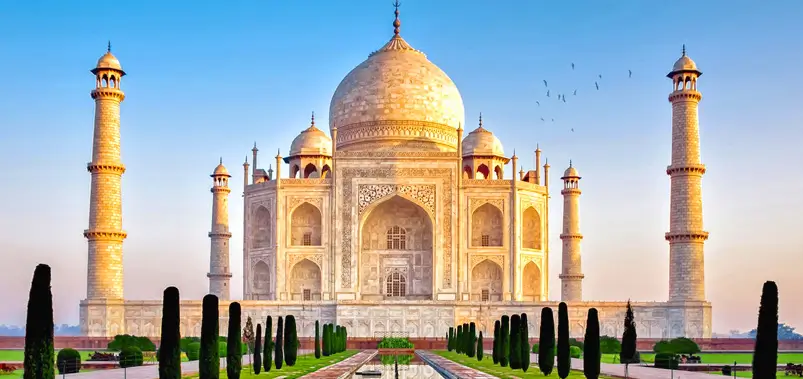
Days 4 to 5: Agra. A sunrise visit to the Taj Mahal, followed by Agra Fort, before continuing toward Jaipur. Agra's bazaars, too, take on a festive character as the festival approaches.
Days 6 to 9: Jaipur, timed around the main Diwali days. Daytime visits to Amber Fort and the City Palace, an evening exploring the illuminated bazaars of Johari and Bapu Bazaar, and a sunset viewpoint at Nahargarh Fort to take in the entire city lit up below.
The centrepiece of the route, and often the moment travellers remember most vividly, is an evening spent inside a local Rajasthani family's home on the main night of Diwali. Rather than watching the festival from outside, guests take part directly: helping place and light diyas around the courtyard, observing or joining the Lakshmi Puja, and sitting down to a home cooked festive meal of ghewar, kaju katli, and traditional Rajasthani dishes prepared specifically for the occasion. The family explains the meaning of each ritual as it unfolds, so the experience becomes participatory rather than observational, a small but real window into how Diwali is actually lived, not just performed for visitors.
Days 10 to 11: Optional extension. Travellers with extra time can add a Ranthambore wildlife safari, or use an additional day in Jaipur to explore Hawa Mahal, Jantar Mantar, and the gem and textile markets at a slower, less festival crowded pace.
Diwali marks the start of India's peak tourist season across North India, so accommodation in Delhi, Agra, and Jaipur fills up quickly. Booking flights, hotels, and any local family experiences at least one to two months in advance is strongly recommended.
Air quality in North Indian cities, including Delhi and Jaipur, often dips around Diwali due to widespread fireworks use. Travellers with respiratory sensitivities may want to plan lighter outdoor schedules around the main night itself, or look into air purifiers for hotel rooms.
If you are invited into someone's home during the festival, bringing a small box of Indian sweets as a gift is a simple, well-understood gesture of thanks, and is almost always warmly received.
Post Date : 📅 15 Jun 2026
We promise you a holiday where everything is taken care of from the moment you land. Trusted drivers waiting for you, handpicked hotels that fit your style, personalized itineraries designed just for your family, and a dedicated team on call 24/7. All you need to do is relax, explore, and create unforgettable memories, while we take care of every detail behind the scenes.
Yes, fireworks are a major part of Diwali across Jaipur, both organised displays and those set off by individual homes and neighbourhoods, particularly on the main night.
Given that Diwali marks the beginning of peak tourist season, booking flights, hotels, and any local experiences at least one to two months ahead is strongly advised.
Air quality in cities like Delhi and Jaipur can decline noticeably around Diwali due to widespread fireworks use. Travellers with respiratory sensitivities should plan accordingly and consider lighter outdoor schedules around the main night.
Yes. A small box of Indian sweets is a simple, well-understood, and always-appreciated gesture if you are invited into a family's home during the festival.
Many experienced travellers say the two or three days leading up to the main night, particularly Dhanteras and Choti Diwali, when markets are at their most decorated and energetic, are often the most enjoyable for first-timers.
A route of around nine to eleven days allows enough time to comfortably cover Delhi, Agra, and Jaipur, with the Jaipur portion timed around the main Diwali days for maximum impact.
No. While the core themes of light, prayer, and family are universal, regional variations are significant, from Kali puja pandals in Kolkata to oil baths in South India and effigy parades in Goa.
Sweets are central to Diwali, including ghewar, kaju katli, motichoor laddoo, and rasgulla, alongside an array of savoury snacks served to guests and exchanged between families and neighbours.
Generally yes, with normal precautions such as avoiding very crowded areas late at night, being mindful around fireworks, and keeping valuables secure in busy markets.
Modest, festive clothing is appropriate. Many visitors choose to wear Indian attire such as a kurta or salwar kameez, which hosts typically appreciate as a gesture of cultural respect, though it is not required.
Lakshmi Puja is the central evening prayer ceremony of Diwali, honouring the goddess of wealth and prosperity through lamps, incense, and offerings. Guests invited into a family home are often welcomed to observe or take part respectfully.
The five days are Dhanteras, Choti Diwali, the main Diwali day, Govardhan Puja, and Bhai Dooj, each carrying its own rituals and significance.
Yes. Many Rajasthani families welcome international guests into their homes during Diwali, and some travel experiences specifically arrange for visitors to spend the main night with a local family, taking part in the Lakshmi Puja, diya lighting, and a festive meal.
Yes. Jaipur is consistently ranked among the best cities in India for tourists during Diwali, thanks to its illuminated forts, elaborately decorated bazaars, and welcoming attitude toward international visitors.
The main day of Diwali falls on November 8, 2026, with the broader five-day festival period beginning a few days before and continuing slightly after.