Golden Triangle Tour for Large Groups: Coach, Hotels & Group Package Pricing
14 Sep 2026

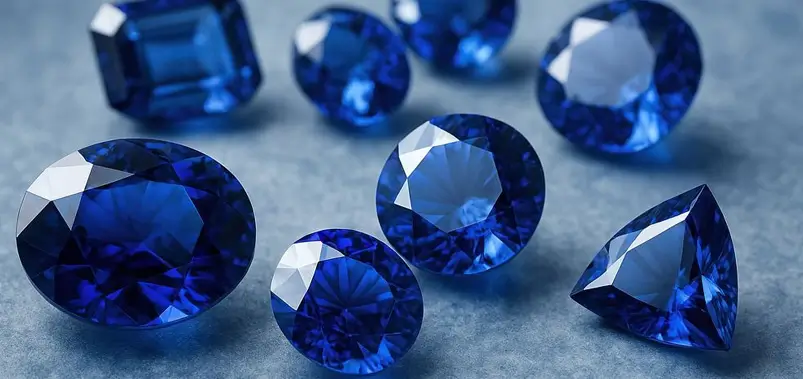
A blue sapphire from Jaipur can be one of the most meaningful purchases of an India trip, or one of the most regretted ones, and the difference almost always comes down to a single word: certification. Jaipur's gem district handles an extraordinary volume of sapphires every year, sourced from Sri Lanka, Madagascar, Burma, and beyond, and processed by some of the most skilled cutters in the world. But that same scale and skill also means the market includes everything from genuinely exceptional natural stones to heavily treated or synthetic material sold at inflated prices to unsuspecting tourists.
Buying a certified sapphire in Jaipur is entirely possible to do well, and many visitors walk away with stones that are both beautiful and excellent value. The key is understanding what certification actually means, what to check before you buy, and how to work with sellers in a way that protects you. This guide walks through the entire process, step by step.
Before walking into any shop, it is worth understanding what a certificate does and does not tell you. A genuine certification report from a recognised laboratory, GIA (Gemological Institute of America) being the most internationally trusted name, confirms several things about a sapphire: whether it is natural corundum or a synthetic stone, what treatments (if any) it has undergone, and often basic quality characteristics like colour and clarity.
What it generally does not do, unlike diamond grading, is assign a single standardised quality grade. Sapphire grading is far less standardised than diamond grading, which means two "certified" sapphires of similar size can vary enormously in value depending on colour saturation, clarity, and origin, factors a certificate documents but does not summarise into one easy number.
This matters because GIA certified sapphire reports are valuable primarily for confirming authenticity and treatment status, not as a single quality score you can compare like a diamond's 4Cs.
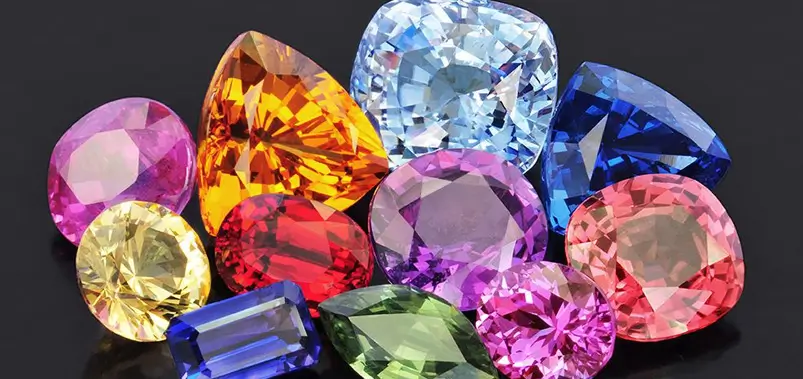
Here is something that surprises many first time buyers: the overwhelming majority of sapphires on the market today, well over ninety percent, have been heat treated to improve their colour and clarity. This is a long accepted, industry standard practice and does not make a sapphire fake. However, it does significantly affect value.
An untreated, or "unheated," natural sapphire of fine quality commands a substantial premium over a heat treated stone of similar appearance, sometimes several times the price, because unheated stones of good quality are genuinely rare.
For buying sapphire in Jaipur, the practical takeaway is this: before you start looking at stones, decide whether treatment status matters to you. If you simply want a beautiful blue sapphire for a piece of jewellery and budget is a consideration, a heat treated natural sapphire with proper certification confirming the treatment is a perfectly legitimate and much more affordable choice. If you are buying as an investment piece or care specifically about rarity, an unheated stone with certification confirming "no indications of heating" is what you should be asking for, and you should expect to pay accordingly.
Jaipur sapphire price varies enormously depending on size, colour saturation, clarity, origin, and treatment status. Walking in with a clear sense of your budget and what matters most to you, colour, size, certification, origin, helps enormously, both for your own decision making and because it signals to sellers that you know what you are looking for.
If astrological or personal significance is part of your motivation for buying a sapphire, as it often is for buyers from South Asia and increasingly for international buyers interested in Vedic astrology, this can also influence which specific sapphire varieties (such as blue sapphire, or "neelam") you focus on, though the certification and quality checking process remains the same regardless of the reason for purchase.
This is, without exaggeration, the single most important practical step in how to buy a certified sapphire in Jaipur. Established gemstone dealers with a permanent location, a track record, and a reputation to protect are dramatically less likely to misrepresent a stone than informal roadside sellers or shops that primarily target passing tourists.
A reputable seller will be comfortable with you taking your time, will provide documentation without hesitation, and will not pressure you toward an immediate decision. If a seller seems impatient with questions about certification, treatment, or origin, or pushes hard for a same day decision, treat that as a significant warning sign.
Because sapphire grading is not as standardised as diamond grading, the eye remains an essential tool. Photographs and even certificates cannot fully convey how a stone looks, since lighting conditions dramatically affect how colour and brilliance appear.
Whenever possible, examine the sapphire in natural daylight rather than under a shop's artificial lighting, which is often warm toned and can flatter a stone's colour in ways that do not hold up outdoors. Many established sellers in Jaipur will happily step outside or move closer to a window for exactly this reason, and a seller's willingness to do this is itself a small but useful signal of confidence in their stone.
Once you have found a sapphire you are seriously considering, ask for its certification report. For higher value stones, a report from GIA is the most internationally recognised, though other respected laboratories also issue sapphire reports.
Modern certification reports include security features designed specifically to prevent fraud, including unique report numbers and, in many cases, QR codes that link directly to the issuing laboratory's online database. Before finalising a purchase, take a moment to verify the report against the laboratory's online database using the report number provided. This single check, which takes only a minute with a smartphone, confirms the certificate itself is genuine and matches the stone in front of you.
The report should clearly state whether the stone is natural corundum, its treatment status (including whether it has been heated), and basic characteristics. If a seller cannot provide a verifiable certificate for a higher value stone, or if the certificate seems vague or from an unfamiliar laboratory with no online verification option, this is a reason to walk away.
Whatever you ultimately decide to buy, ensure your final invoice or receipt clearly states the stone's weight, treatment status, and price, matching the certification document. This protects you both for any future insurance purposes and in the unlikely event you need to dispute the purchase later.
If the sapphire is being set into a piece of jewellery as part of your purchase, confirm the metal type and weight are also documented separately from the stone's value, since this affects both pricing and any future appraisal.
For particularly significant purchases, some buyers choose to have a stone independently examined by a local gemologist not affiliated with the selling shop, before finalising the transaction. While this is not necessary for modest purchases, for larger investments it adds an extra layer of confidence, particularly for buyers less experienced in evaluating coloured stones.
It is worth repeating, because so many travellers worry unnecessarily about this: a heat treated natural sapphire is not a lesser or fake stone. It is a genuine, natural sapphire that has undergone a widely accepted, centuries old treatment process to enhance its appearance. As long as the treatment is properly disclosed on the certification, a heat treated sapphire purchased at a fair price for its quality is a perfectly sound purchase for anyone wanting a beautiful piece of jewellery.
The key distinction for natural vs treated sapphire purchases is simply that the price should reflect the treatment status. An unheated stone of equivalent visual quality should cost meaningfully more, and a seller asking unheated stone prices for a heat treated sapphire, or vice versa with vague documentation, is the scenario certification exists to prevent.
Post Date : 📅 15 Jun 2026

We promise you a holiday where everything is taken care of from the moment you land. Trusted drivers waiting for you, handpicked hotels that fit your style, personalized itineraries designed just for your family, and a dedicated team on call 24/7. All you need to do is relax, explore, and create unforgettable memories, while we take care of every detail behind the scenes.
Many established sellers and jewellers in Jaipur offer setting services, allowing a sapphire to be mounted into a chosen piece of jewellery during your visit, though timelines vary by seller and design complexity.
Blue sapphire holds particular significance in Vedic astrology, associated with the planet Saturn, and is sought by some buyers for personal or astrological reasons, though the certification and quality-checking process remains the same regardless of the buyer's motivation.
Allowing a few hours for comparing stones across reputable sellers, examining them in natural light, and reviewing certification is a reasonable expectation, rather than rushing through a single shop visit.
Synthetic sapphires exist in the market and can be visually difficult to distinguish from natural stones, which is precisely why certification from a recognised laboratory matters.
Colour is typically the most significant factor in a sapphire's value, followed by clarity and size, but certification confirming authenticity and treatment status should never be skipped regardless of these other factors.
For high-value purchases, some buyers choose to have a stone examined by an independent gemologist not affiliated with the seller, though this is generally unnecessary for more modest purchases.
Your receipt should clearly state the stone's weight, treatment status, and price, matching the details on its certification, along with separate documentation for any metal or setting if purchased as jewellery.
No. Unlike diamonds, there is no universally standardised grading scale for sapphires, which makes the seller's reputation, the certificate's treatment disclosure, and your own visual assessment particularly important.
Natural daylight gives the most accurate representation of a sapphire's colour and brilliance, since artificial lighting in shops can flatter a stone's appearance.
No. Roadside vendors are widely advised against, as authenticity, treatment status, and pricing cannot be reliably verified, increasing the risk of a poor purchase.
Yes. Reports from major laboratories like GIA include unique report numbers and often QR codes that allow buyers to verify the certificate's authenticity directly through the laboratory's online database.
Unheated sapphires of fine quality command a significant premium over heat-treated stones of similar appearance, sometimes several times the price, due to their relative rarity.
Yes. Heat treatment is a long-standing, widely accepted practice that enhances a natural sapphire's colour and clarity. A heat-treated sapphire is still a genuine natural stone, and this should be clearly stated on its certification.
A certificate from a recognised laboratory like GIA confirms whether the stone is natural corundum or synthetic, and identifies any treatments it has undergone, such as heating.
Yes. Jaipur is one of the world's major centres for sapphire trading and cutting, offering a wide range of stones, often at competitive prices due to the city's role in processing rather than purely retail.