Golden Triangle Tour for Large Groups: Coach, Hotels & Group Package Pricing
14 Sep 2026

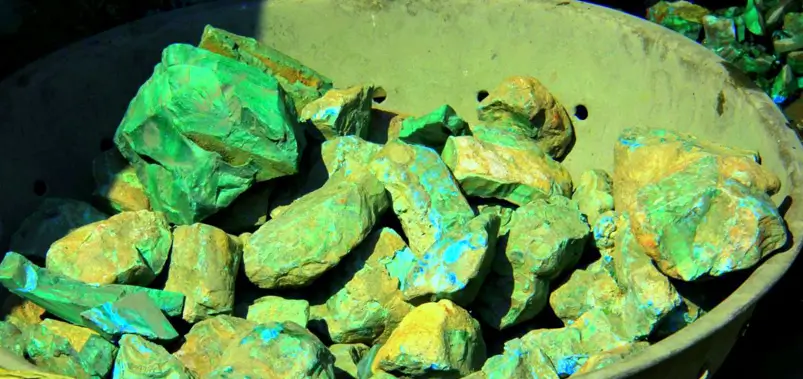
Jaipur's reputation as the gemstone capital of the world is not an exaggeration or a marketing phrase. More coloured gemstones pass through this city for cutting, polishing, trading, and setting than through almost any other single location on earth. Emeralds from Colombia, sapphires from Sri Lanka, rubies from Burma, tanzanite from Tanzania, all of it arrives in Jaipur as rough material and leaves as finished, faceted stones ready for jewellery.
For visitors, this creates a genuinely interesting question that does not come up in most cities: should you buy a rough gemstone, in its raw, uncut state, or a finished gemstone, already cut, polished, and ready to be set into jewellery? Both are widely available in Jaipur, both have passionate advocates, and the right choice depends entirely on what you actually want from the purchase.
This guide breaks down the real differences between rough vs finished gemstones in Jaipur, what each option is genuinely good for, and how to navigate the Jaipur gemstone market with confidence rather than confusion.
It helps to understand why this choice exists at all. Jaipur was historically never a source of gemstones, there are no significant gem mines in or around the city. Instead, Jaipur built its reputation as a processing and trading hub, importing rough material mined in Africa, South America, and Asia, and applying centuries of accumulated cutting and polishing expertise to turn that raw material into finished stones.
This means that when you walk through Johori Bazaar gemstones shops, or visit one of the workshops in the gem district around Haldion ka Rasta, you are seeing both ends of the supply chain side by side, sacks of rough stone fresh off an import shipment in one corner, and finished, faceted gems glittering in display cases in the next. Few places in the world let a visitor see this entire journey, from raw rock to finished jewel, in a single afternoon.
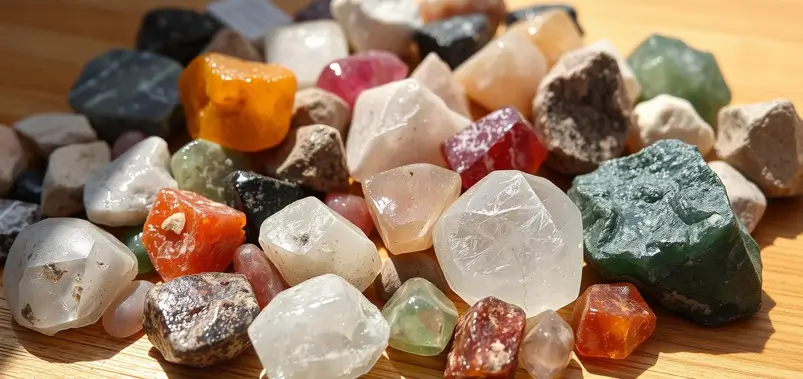
A rough gemstone is exactly what it sounds like, a piece of mineral crystal in its natural, unprocessed state, as it came out of the ground. It has not been cut, faceted, or polished. Depending on the stone, rough material can look surprisingly unimpressive, a dull, irregular chunk that gives little hint of the colour or brilliance hidden inside, or it can already show flashes of colour and even some natural crystal faces that hint at its potential.
For travellers, rough gemstones in Jaipur appeal for a few specific reasons. They are generally far less expensive than finished stones of comparable quality, since none of the labour intensive cutting and polishing has been applied yet. They also have a certain authenticity and novelty appeal, owning a piece of stone in the same state it arrived in from a mine in Africa or South America feels different from owning something that has passed through dozens of hands.
Some visitors buy rough stones purely as curiosities or display pieces, mineral specimens to sit on a shelf rather than to wear. Others are drawn to the experiential side: several gemstone tours in Jaipur let visitors select their own piece of rough material and watch, or even participate in, the cutting and polishing process themselves, walking away with a stone they shaped with their own hands.
A finished gemstone has been through the full process: sorted by quality, cut to maximise its colour and brilliance, faceted with precision tools, polished, and quality checked before sale. This is where Jaipur's centuries of expertise really shows. The skill involved in cutting a coloured stone, understanding its crystalline structure, its inclusions, how light will travel through it, and how to maximise both size and beauty from a given piece of rough, is considerable, and it is reflected in the price.
For most travellers who actually want to wear or set a gemstone into jewellery, a finished stone is the practical choice. It is ready to use, its quality (cut, colour, clarity, and carat weight) can be properly assessed, and reputable sellers can provide certification confirming what the stone actually is.
Finished gemstones in Jaipur are also where the city's wholesale advantage becomes most apparent. Because the cutting, polishing, and often the jewellery making itself happens in Jaipur, with minimal middlemen between workshop and shop, prices for finished stones here can be meaningfully lower than equivalent stones bought in Western jewellery markets, even accounting for the cost of the cutting work.
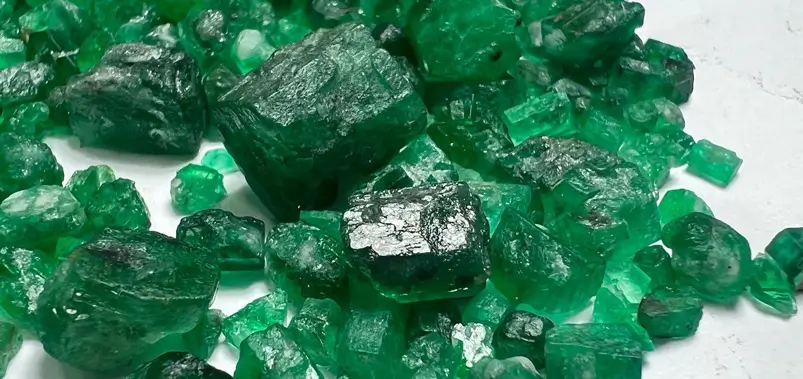
When it comes down to rough vs finished gemstones in Jaipur, the decision really comes down to purpose.
If your goal is to own a piece of jewellery, a ring, pendant, or earrings featuring a coloured stone, a finished gemstone is almost always the right choice. It can be properly evaluated, certified, and set immediately by a jeweller, whether in Jaipur or back home.
If your interest is more about the story and the process, owning a piece of raw material from a specific mining region, or experiencing the cutting process yourself through a hands on workshop, a rough stone offers something a finished gem cannot: a direct, tangible connection to the earlier stages of the supply chain.
Value wise, rough stones are cheaper per piece, but that does not necessarily mean better value. A poor quality rough stone that yields little usable material once cut can end up being a worse purchase than a modestly priced finished stone of known quality. Conversely, an experienced buyer who understands how to assess rough material can sometimes find genuine value, but this requires expertise that most travellers simply do not have.
For the vast majority of visitors, unless you specifically want the educational experience of the cutting process or are drawn to rough stones as mineral specimens, finished gemstones represent the more sensible purchase.
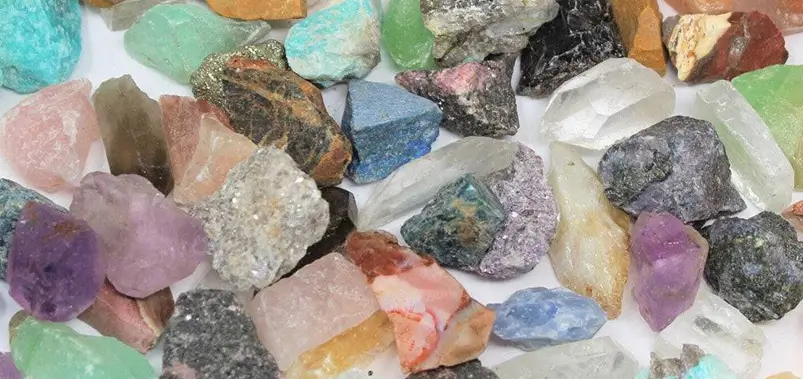
Whether you are buying rough or finished, a few principles apply across the board for buying gemstones in Jaipur.
Do your research before you shop. Having a basic understanding of the gemstone you are interested in, its typical colour range, price per carat for different qualities, and common treatments, makes a significant difference in your ability to evaluate what you are being shown.
Compare prices across multiple shops before committing to a purchase. Jaipur's gemstone market is large enough that prices for comparable stones can vary considerably between sellers, and a bit of comparison shopping is always worthwhile.
Always ask for certification and a proper receipt, particularly for higher value finished stones. Reputable sellers will provide documentation confirming the stone's identity and any treatments it has undergone without hesitation.
Take your time. The gemstone trade in Jaipur, like anywhere, includes sellers who rely on rushed decisions and pressure tactics. A genuine seller will not mind you taking time to consider a purchase or walk away to think it over.
Avoid roadside vendors entirely, regardless of how attractive the price seems. Established shops in the main gemstone areas, with a permanent location and reputation to protect, are a far safer bet than informal street sellers.
Be skeptical of exaggerated claims about a stone's properties, particularly anything suggesting a gemstone will bring luck, wealth, or health benefits. These claims have nothing to do with the stone's actual market value or authenticity.
Finally, be aware that synthetic stones can look identical to natural ones to the untrained eye. This is precisely why certification matters, particularly for any purchase above a modest value.
One of the most rewarding ways to engage with gemstone shopping in Jaipur, regardless of whether you ultimately buy rough or finished stones, is to visit one of the workshops where the cutting and polishing actually happens.
Several operators in the gemsmith quarter offer hands on experiences where visitors can watch artisans sort rough stones, cut and facet them with traditional tools, and polish them to bring out their final brilliance. Some of these tours go further, allowing visitors to select their own piece of rough material and follow it through the entire process, cutting, measuring, and polishing it themselves, with the finished stone theirs to keep at the end.
This kind of experience, watching skilled karigars work with tools that have changed little over generations, builds a genuine appreciation for the craft and gives visitors a much better foundation for evaluating any finished gemstone they might purchase afterward, whether at that same workshop or elsewhere in the city.
Post Date : 📅 15 Jun 2026
We promise you a holiday where everything is taken care of from the moment you land. Trusted drivers waiting for you, handpicked hotels that fit your style, personalized itineraries designed just for your family, and a dedicated team on call 24/7. All you need to do is relax, explore, and create unforgettable memories, while we take care of every detail behind the scenes.
Avoid roadside vendors, exaggerated claims about a stone's mystical properties, and any purchase made under pressure or without proper documentation, regardless of how attractive the price seems.
Some negotiation is common, particularly in smaller shops, though prices at established stores with certification and fixed pricing tend to be less flexible than in general bazaars.
Allowing at least half a day, including time for comparing shops and possibly visiting a workshop, gives a more relaxed, less rushed experience and a better chance of making an informed purchase.
Synthetic stones exist in the market and can closely resemble natural ones. This is one of the main reasons certification and buying from established sellers matters.
Finished gemstones cost more due to the labour, skill, and material loss involved in cutting and polishing. The exact difference varies widely depending on the stone type and the quality of the rough material.
Yes, though this requires finding a skilled cutter and adds time and cost to the process. For travellers wanting a wearable piece during their trip, a finished gemstone is more practical.
Reputable sellers provide certification for finished gemstones, particularly for higher-value stones, confirming the stone's identity and any treatments applied.
No. Roadside vendors are widely advised against, as authenticity and quality cannot be reliably verified, and prices are often inflated for tourists.
A rough gemstone can make an interesting souvenir or display piece, particularly if purchased through a workshop experience where you understand its origin and quality. As a standalone purchase without expertise, it carries more risk of being a poor-value buy.
Jaipur is especially well known for emerald cutting and trading, and is also a significant trading centre for sapphires and rubies, alongside a wide range of semi-precious stones.
Yes. Several workshops in the gemsmith quarter offer visits or tours where visitors can watch the entire cutting and polishing process, and some allow hands-on participation.
Always ask for certification and a detailed receipt, especially for higher-value purchases. Comparing prices across multiple shops and avoiding roadside vendors also significantly reduces the risk of buying fake or misrepresented stones.
Johari Bazaar is the city's primary gemstone and jewellery market, home to a large concentration of shops offering both rough and finished stones in a wide range of qualities and price points.
Generally yes. Because much of the cutting, polishing, and jewellery-making happens locally with minimal middlemen, prices for finished gemstones in Jaipur can be lower than in many Western markets for comparable quality.
For most travellers who want a piece of jewellery, finished gemstones are the better choice, since they can be properly evaluated, certified, and set immediately. Rough gemstones suit those interested in the raw material itself or the cutting process as an experience.